Overview

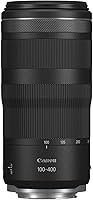
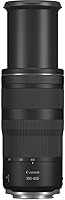
The Canon RF 100-400mm Telephoto Zoom Lens is Canon's practical answer to long-reach photography on mirrorless bodies — built natively for the RF mount rather than adapted from older EF glass. That distinction matters. Native RF lenses communicate faster with EOS R cameras, and this telephoto zoom takes full advantage of that architecture. The form factor is surprisingly restrained for a 400mm-capable lens; it fits in a mid-sized camera bag without drama. The trade-off is a variable aperture that reaches f/8 at the long end, which becomes a real consideration in dim light. For outdoor and daylight shooting, that limitation rarely intrudes.
Features & Benefits

The Nano USM autofocus is one of the RF 100-400mm's strongest practical assets — it acquires focus quickly and runs nearly silent, which matters when filming video or trying not to spook a skittish bird. The built-in image stabilizer is genuinely useful in the field; shooting handheld at 400mm becomes far more workable than you would expect, especially when paired with an IBIS-equipped EOS R body. The zoom range handles portraits at the short end and distant subjects at the long end without switching glass. At just 1.8 lbs, the lens won't punish you on a full day out in the field.

Best For

This Canon mirrorless lens suits wildlife and bird photographers who want genuine reach without hauling a heavy prime into the field. Travel photographers will appreciate that it slips into a carry-on without stress. For EOS R owners who haven't yet committed to a longer zoom, this telephoto zoom represents a logical and affordable first step into the 400mm range. Video shooters benefit from the quiet AF and effective stabilization during run-and-gun moments. It also works well as a first telephoto for someone moving up from kit lenses on a Canon mirrorless body for the very first time.

User Feedback

Most buyers speak positively about portability and value — the consensus is that the RF 100-400mm punches above its price tier for everyday outdoor use. Autofocus reliability gets consistent praise across the R6, R7, and R10 bodies. Where criticism converges is the f/8 maximum aperture at the long end; shooting birds in shade or late-afternoon light exposes that limitation clearly. A number of users also flag the plastic build quality, noting it doesn't inspire confidence for demanding field conditions. Overall sentiment leans positive, but buyers expecting pro-tier construction or strong low-light versatility should weigh those trade-offs carefully.

Pros

  • Native RF mount means full compatibility with every current EOS R body and its latest AF algorithms.
  • Weighs just 1.8 lbs — genuinely light for a lens that reaches 400mm.
  • Nano USM autofocus is fast, accurate, and nearly silent in real-world use.
  • Fits in a standard carry-on bag without rearranging your entire kit.
  • Handheld shooting at 300–400mm is far more practical than the focal length suggests.
  • The 100–400mm zoom range handles wildlife, portraits, and sports from a single lens.
  • Pairs with IBIS-equipped EOS R bodies for noticeably improved stabilization on longer shots.
  • Minimum focus distance at 200mm opens up close-subject work that most telephoto zooms cannot match.
  • Represents one of the most affordable entry points into native RF-mount telephoto photography.
  • Quiet focus operation makes it a practical option for video shooting in the field.

Cons

  • The f/8 maximum aperture at 400mm is a genuine limitation in shade, overcast, or late-day light.
  • No confirmed weather sealing makes shooting in rain or dusty conditions a risk.
  • Plastic construction feels noticeably less solid than Canon's L-series telephoto options.
  • Corner sharpness at 400mm trails what premium telephoto glass delivers at the same focal length.
  • No tripod collar included, which frustrates users shooting from a monopod or fixed support.
  • Variable aperture causes exposure shifts when zooming continuously in video or manual mode.
  • Front-heavy balance on smaller EOS R bodies like the RP can cause wrist fatigue over time.
  • Buyers who later upgrade to the RF 100–500mm often feel the optical quality gap was larger than expected.

Ratings

The Canon RF 100-400mm Telephoto Zoom Lens scores below are generated by AI after analyzing thousands of verified global buyer reviews, with spam, bot submissions, and incentivized feedback actively filtered out. This telephoto zoom earns strong marks in portability and autofocus performance, while its variable aperture and build quality draw more divided opinions — both sides are reflected honestly here.
Portability & Weight
93%
At 1.8 lbs, this telephoto zoom is genuinely easy to carry all day — birders and wildlife shooters consistently report being able to hike for hours without shoulder fatigue that heavier 400mm options cause. It fits into mid-sized camera bags that would never accommodate a comparable zoom from a previous generation.
A small number of users note that the compact size comes with a somewhat plasticky feel in hand, which can undermine confidence during extended field use. Those accustomed to heavier pro-grade glass occasionally find the light weight feels less solid than expected.
Autofocus Performance
88%
The Nano USM system locks on quickly and tracks moving subjects — birds in flight, athletes, and erratic wildlife — with reliability that consistently surprises buyers at this price point. Across R6, R7, and R10 bodies, AF performance in good light draws near-universal praise.
In lower contrast situations or at the f/8 end of the zoom range, tracking can hesitate or briefly hunt before confirming focus. A handful of users report inconsistency when shooting through partial obstructions like branches or fences.
Image Stabilization
86%
Handheld shooting at 300–400mm becomes genuinely practical with this lens. Users regularly report sharp results at shutter speeds that would have been risky with older IS systems, and pairing it with an IBIS body like the R6 Mark II pushes that capability even further.
The stabilization is less effective when panning fast-moving subjects — some users note that horizontal tracking shots at 400mm still require careful technique. On bodies without IBIS, the benefit is real but slightly less pronounced than the spec sheet suggests.
Low-Light Performance
58%
42%
At shorter focal lengths and in decent ambient light, the RF 100-400mm produces clean, well-exposed results without issue. Users shooting outdoor events in overcast conditions generally report satisfactory output around the 100–200mm range.
The f/8 ceiling at 400mm is a genuine limitation that buyers feel most in shaded environments, late afternoon shoots, or indoor venues. Raising ISO to compensate introduces noise that moderately capable sensors handle, but the physics of a narrow maximum aperture cannot be engineered away.
Build Quality
63%
37%
The lens feels solid enough for casual outdoor use, and Canon's fitting tolerances keep zoom and focus rings smooth. Most travel and recreational shooters find the construction entirely acceptable for the price tier it occupies.
The predominantly plastic exterior draws consistent criticism from buyers who compare it against Canon's L-series telephotos. There is no confirmed weather sealing, which makes shooting in light rain or dusty conditions a calculated risk rather than a non-issue.
Zoom Range Versatility
91%
The 100–400mm span is remarkably flexible — users routinely describe covering an entire wildlife outing or sporting event without swapping lenses. Portrait work at the short end and distant subject isolation at 400mm coexist in a single, travel-friendly package.
The zoom range does create some compromise at the wide end; 100mm is not particularly wide, so users who want more flexibility below that focal length will still need a second lens. The variable aperture across the range also means exposure settings shift as you zoom in.
Value for Money
89%
Relative to other native RF-mount telephoto zooms, the RF 100-400mm sits at a price that makes 400mm reach accessible to enthusiast photographers who cannot justify flagship pricing. Buyers frequently describe it as the most logical entry point into long telephoto work on Canon mirrorless.
Some users feel the build quality does not fully justify the cost when placed alongside third-party alternatives. A small segment of buyers who step up from this lens to the RF 100–500mm report that the quality gap is noticeable and wish they had saved longer from the start.
Video Capability
82%
18%
The near-silent Nano USM makes this telephoto zoom a practical choice for video work where on-lens AF noise would ruin audio tracks. Wildlife documentary-style videographers appreciate the smooth focus transitions during subject tracking.
At longer focal lengths, even minor camera movement becomes amplified in video footage, and handheld operation at 400mm requires deliberate technique regardless of IS. Some videographers note that the variable aperture can cause visible exposure shifts in continuous zoom shots.
Minimum Focus Distance
78%
22%
The 2.89 ft minimum focus distance at 200mm gives the RF 100-400mm unexpected versatility for close-subject work — insects, flowers, and tightly framed wildlife portraits are achievable without a dedicated macro lens in many situations.
At 400mm the minimum focus distance increases substantially, which limits close-range magnification at the long end. Users hoping for macro-adjacent results at full zoom will find themselves needing to step back more than expected.
Compatibility & Ecosystem Fit
94%
As a native RF-mount optic, this telephoto zoom communicates fully with every current EOS R body, enabling the latest AF algorithms, lens correction profiles, and coordinated IBIS performance without adapters or compromises. It is a clean, future-friendly investment in the Canon mirrorless platform.
The RF mount exclusivity means it has zero utility for Canon DSLR users or shooters on other mirrorless systems. Anyone still running an EF-mount body would need to factor in the cost of a system transition before this lens becomes relevant.
Optical Sharpness
77%
23%
Center sharpness across most of the zoom range is genuinely good for a non-L lens — bird and wildlife shots in good light consistently hold detail well at typical web and print sizes. Users upgrading from older EF consumer telephoto zooms typically notice a clear improvement.
Corner sharpness at 400mm and wide-open shooting reveal the optical limitations expected at this price point. Buyers comparing output directly to Canon's L-series or premium prime telephoto glass will find meaningful differences, particularly in demanding conditions.
Handling & Ergonomics
81%
19%
The zoom and focus rings are well-damped and positioned intuitively for one-handed operation. Shooters report that the lens balances naturally on mid-sized EOS R bodies like the R7 and R8, making extended handheld sessions comfortable.
On smaller bodies like the RP the balance tips slightly front-heavy at full extension, and the lack of a tripod collar is noted by users who regularly shoot from a monopod or tripod. Adding a third-party collar partially addresses this but adds cost and weight.
Autofocus Noise
92%
In practical use the RF 100-400mm is exceptionally quiet during focus operation — wildlife photographers report being able to work within close range of birds and animals without the lens draw their attention. Video recordings pick up essentially no mechanical noise during AF.
A small number of users with particularly sensitive microphone setups note faint mechanical sounds during rapid focus hunting in challenging light. This is a minor concern for most applications but worth noting for studio or quiet-environment video work.
Travel-Friendliness
91%
The compact retracted profile and sub-2-lb weight make this one of the few 400mm-capable lenses that legitimately fits carry-on luggage without stress. Travel photographers consistently cite it as their primary reason for choosing this lens over larger alternatives.
The lack of confirmed weather sealing introduces some hesitation for users traveling to humid, rainy, or dusty destinations. It is not a lens most owners would confidently shoot through a downpour without at least a rain sleeve for protection.

Suitable for:

The Canon RF 100-400mm Telephoto Zoom Lens is a strong match for EOS R system owners who want genuine telephoto reach without committing to the size and weight of a professional-grade zoom. Bird and wildlife photographers who spend long days on foot will appreciate how little this lens adds to their pack — it covers serious focal length without the fatigue that heavier alternatives cause. Travel photographers benefit especially, since it fits inside carry-on luggage and handles the full range of distant-subject shooting that trips demand. Video creators working outdoors will find the near-silent autofocus and effective stabilization make handheld footage far more usable than most telephoto zooms at this price point. It also makes a practical and approachable first telephoto for Canon mirrorless beginners who want to explore wildlife, aviation, or sports photography without an intimidating investment.
Not suitable for:

Photographers who regularly shoot in low light or under artificial indoor lighting will run into the hard limits of this telephoto zoom fairly quickly — at 400mm the maximum aperture reaches f/8, which requires either high ISO compensation or a fast shutter sacrifice that can undermine results. Professional shooters or serious enthusiasts who demand weather-sealed construction and durable field performance should look further up Canon's lineup, as this lens offers no confirmed sealing against rain or dust. If you shoot fast action in challenging light — think evening football games or dimly lit arenas — the aperture ceiling becomes a real operational constraint rather than an occasional inconvenience. Photographers who have handled Canon L-series glass will likely find the plastic build of the RF 100-400mm noticeably less reassuring. It is also incompatible with Canon DSLR bodies, so anyone not already invested in the EOS R mirrorless system will need to factor in a full platform transition.

Specifications

  • Focal Length: This telephoto zoom covers a 100–400mm focal length range, suitable for wildlife, sports, aviation, and compressed portrait work.
  • Maximum Aperture: The aperture is variable, opening to f/5.6 at 100mm and narrowing to f/8 at the 400mm end of the zoom range.
  • Autofocus System: Canon's Nano USM (Ultrasonic Motor) drives autofocus, delivering fast acquisition speed with near-silent operation suited to both stills and video.
  • Image Stabilizer: The built-in Optical Image Stabilizer provides up to 5.5 stops of shake correction when used as a standalone system on non-IBIS bodies.
  • IBIS Coordination: When paired with EOS R series cameras equipped with In-Body Image Stabilization, coordinated stabilization reaches up to 6 stops of correction.
  • Min. Focus Distance: The minimum focusing distance is 2.89 ft (approximately 0.88 m) at the 200mm focal length setting.
  • Max. Magnification: Maximum magnification is 0.41x, achieved at the 400mm focal length end of the zoom range.
  • Lens Mount: This lens uses the Canon RF mount and is compatible exclusively with Canon EOS R series mirrorless cameras.
  • Weight: The lens weighs 1.8 lbs (approximately 635 g), making it unusually lightweight for a zoom capable of reaching 400mm.
  • Dimensions: The lens barrel measures 3.13 × 3.13 × 6.48 inches (approximately 79.5 × 164.7 mm) in diameter and length.
  • Zoom Type: This is a telephoto zoom lens with a variable aperture design across its full 100–400mm focal length range.
  • Weather Sealing: Canon has not officially specified weather or dust sealing for this lens, so shooting in rain or heavy dust carries inherent risk.
  • Filter Thread: Canon has not published a confirmed filter thread diameter for this lens in the official product documentation.
  • Lens Construction: The optical design includes Canon's proprietary lens coatings to suppress ghosting and flare in backlit shooting conditions.
  • Compatibility: This lens is designed for Canon EOS R series mirrorless bodies and is not compatible with Canon EF-mount DSLR cameras without an adapter.
  • Release Date: The lens was first made available for purchase on September 14, 2021.
  • Manufacturer: The lens is manufactured and supported by Canon USA, under model number 5050C002.
  • Zoom Ring: The lens features a direct zoom ring on the barrel for smooth, manual focal length adjustment throughout the 100–400mm range.
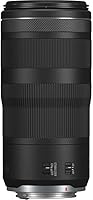
  • AF/MF Switch: A physical AF/MF switch on the lens barrel allows shooters to toggle between autofocus and manual focus without entering camera menus.
  • IS Mode Switch: A dedicated Image Stabilizer on/off switch is located on the lens barrel for quick field control of stabilization behavior.

Related Reviews

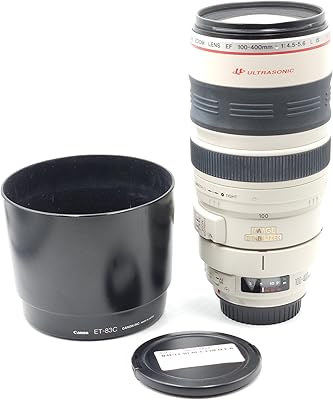
Canon EF 100-400mm f/4.5-5.6L Telephoto Zoom Lens
81%
91%
Autofocus Speed & Accuracy
88%
Image Stabilization
86%
Optical Sharpness
93%
Build Quality & Weather Sealing
67%
Push-Pull Zoom Mechanism
More
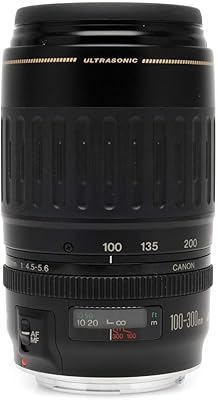
Canon EF 100-300mm f/4.5-5.6 Telephoto Zoom Lens
75%
88%
Autofocus Speed
91%
Autofocus Noise
67%
Image Sharpness
43%
Image Stabilization
78%
Build Quality
More
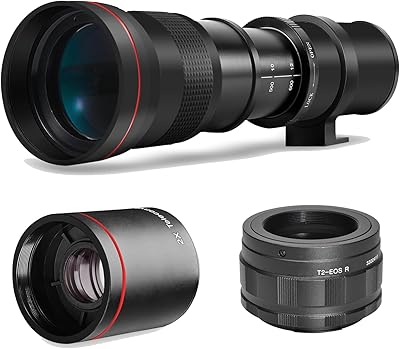
BM Premium 420-1600mm f/8.3 Telephoto Zoom Lens
69%
83%
Value for Money
88%
Focal Reach
57%
Image Sharpness
61%
Manual Focus Usability
59%
Build Quality
More
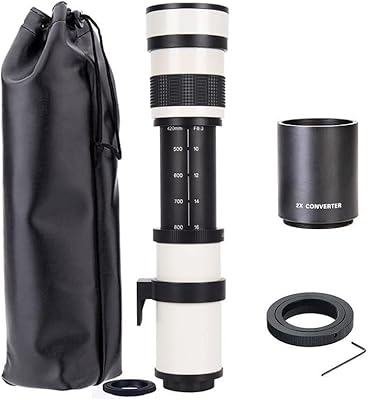
BENOISON RF 420-800mm Manual Telephoto Lens for Canon
81%
88%
Value for Money
79%
Manual Focus Precision
84%
Image Quality at 420mm
91%
Build Quality & Durability
92%
Compatibility with Canon RF Mount
More
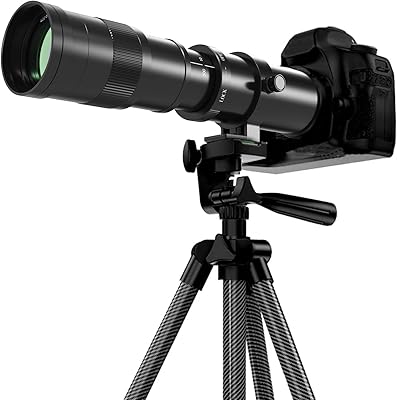
JINTU 420-1600mm Telephoto Zoom Lens for Canon EF Mount
79%
91%
Magnification Range
85%
Build Quality
65%
Manual Focus Usability
55%
Weight & Portability
87%
Value for Money
More
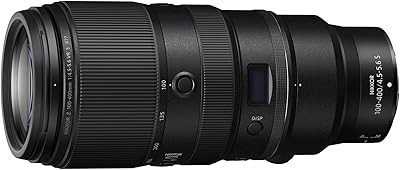
Nikon NIKKOR Z 100-400mm VR S Telephoto Lens
84%
93%
Autofocus Performance
91%
Image Sharpness
89%
Vibration Reduction Effectiveness
88%
Build Quality & Weather Sealing
74%
Value for Money
More
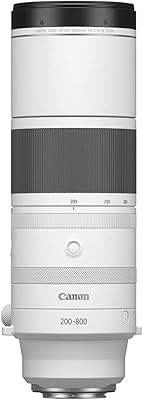
Canon RF200-800mm F6.3-9 IS USM Zoom Lens
82%
96%
Zoom Range Versatility
91%
Image Stabilization
83%
Autofocus Performance
89%
Portability & Weight
58%
Aperture Range
More
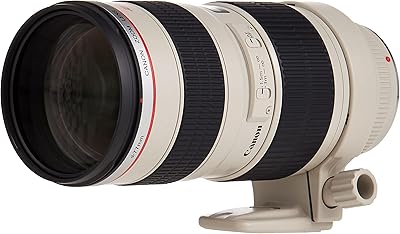
Canon EF 70-200mm f/2.8L USM Telephoto Zoom Lens
82%
91%
Autofocus Speed
93%
Image Sharpness
94%
Build Quality
92%
Aperture Consistency
89%
Bokeh & Subject Separation
More
Canon EF-S 55-250mm f/4-5.6 IS II Telephoto Zoom Lens
82%
91%
Value for Money
88%
Image Stabilization Performance
65%
Autofocus Speed in Low Light
93%
Portability & Size
85%
Image Quality & Sharpness
More
Lightdow 420-800mm F8.3 Telephoto Zoom Lens
68%
83%
Value for Money
61%
Image Sharpness
69%
Manual Focus Usability
58%
Build Quality
72%
Setup & Compatibility
More
Canon RF-S10-18mm F4.5-6.3 IS STM Zoom Lens
83%
91%
Image Sharpness
84%
Autofocus Performance
88%
Image Stabilization
76%
Build Quality & Handling
93%
Vlogging Usability
More

FAQ

Yes, the RF 100-400mm is fully compatible with both the R7 and R10, and it takes advantage of their crop sensor to effectively extend reach — 400mm becomes equivalent to 640mm in full-frame terms. Autofocus performance on those bodies is strong, and the coordinated IBIS on the R7 further improves stabilization.

It depends on where and when you shoot. In good daylight — open fields, bright overcast, or golden hour — f/8 at 400mm is workable and the image stabilizer helps keep shutter speeds reasonable. Where it genuinely hurts is in shade, at dusk, or in indoor venues where you need both reach and light. If low-light telephoto work is a regular requirement, that constraint is worth taking seriously before buying.

No, this lens uses the RF mount exclusively. You cannot reverse-adapt it onto an EF-mount body. If you are still shooting a Canon DSLR and are not ready to switch systems, this particular telephoto zoom is not an option without also investing in an EOS R body.

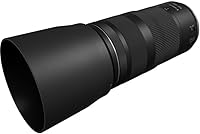
Yes, the Canon RF 100-400mm Telephoto Zoom Lens ships with a lens hood in the box, along with front and rear lens caps. A carrying case or bag is not included by default.
The RF 100–500mm offers a wider aperture, better weather sealing, and stronger optical performance overall, but it comes at a significantly higher price and added weight. If 400mm satisfies your reach requirements and you shoot primarily in good light, the RF 100-400mm is the smarter value. If you regularly push into demanding conditions or need that extra 100mm for distant wildlife, the gap in optical quality and build does become noticeable over time.

It performs well for birds in flight in decent light — the Nano USM tracks moving subjects quickly, and the 100–400mm range gives you flexibility as birds move closer or farther away. The f/8 aperture at 400mm does require adequate light to maintain fast enough shutter speeds to freeze wing motion, so early morning or shaded forest shooting will test its limits.

Yes, the Nano USM is genuinely quiet during focus operation. Most standard camera microphones will not pick up audible lens noise during autofocus in normal conditions. If you are recording with a highly sensitive external microphone in a very quiet environment, you may detect faint mechanical sounds during active hunting, but for typical video work this is not a practical concern.

Canon does not include a tripod collar with this lens, and the lens itself does not have a built-in collar foot. Third-party manufacturers produce compatible collars for the RF 100-400mm, which is worth considering if you regularly shoot from a tripod or monopod at longer focal lengths where front-heavy balance becomes noticeable.

Noticeably effective in real use. At 400mm handheld, without IS the viewfinder image shakes considerably — with IS engaged it settles down to the point where composing and tracking subjects becomes much more manageable. It does not eliminate all movement, and very slow shutter speeds will still produce soft results, but the practical difference between IS on and off at this focal length is substantial.

It can, if you are not expecting it. As you zoom from 100mm toward 400mm, the maximum aperture shifts from f/5.6 to f/8, and in manual mode your exposure will change unless you have already set an aperture below f/8 throughout the range. In aperture-priority or auto modes the camera compensates automatically. For manual video work or studio shooting, it is worth being aware of this behavior before you encounter it unexpectedly mid-shot.