Overview

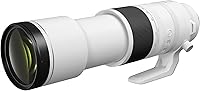
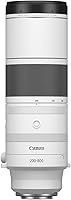
The Canon RF200-800mm F6.3-9 IS USM Zoom Lens arrived in late 2023 as something the optics world had never seen: an autofocus super-telephoto zoom with an 800mm telephoto end. Canon built it exclusively for the RF mirrorless system, so there is no DSLR crossover path here. What makes this genuinely interesting is that Canon achieved that extreme reach while keeping the package at 4.5 pounds — a weight that puts heavier prime alternatives to shame for travel and field work. The variable aperture is a real-world consideration worth understanding upfront, but for photographers operating in good light, the overall reach-to-weight proposition is difficult to challenge.
Features & Benefits

The 200mm to 800mm zoom range covers an extraordinary spread in a single barrel — from workable portrait distances all the way to frame-filling shots of distant wildlife or athletes. Compatibility with Canon extenders extends that reach even further, though stacking the RF2x at 800mm drops the effective aperture to F18, which sharply narrows its usable scenarios. In real-world use, the optical image stabilization is a genuine standout: shooting handheld at 600mm and walking away with sharp frames would have demanded a monopod just a few years ago. The USM autofocus acquires subjects quickly and operates quietly — both critical qualities when working around skittish birds or fast-moving sports subjects.

Best For

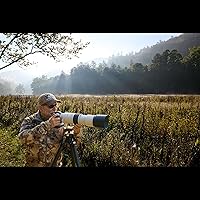
This super-telephoto zoom was built with a specific kind of photographer in mind, and it serves them well. Wildlife and birding photographers who need 800mm reach without committing to a heavy prime will find little competition in the RF lineup. Outdoor sports shooters at airshows, motorsport events, or track meets benefit from the flexible zoom far more than a fixed focal length would allow. Travel photographers carrying a single bag will appreciate that this Canon telephoto lens does not demand its own hard case or dedicated tripod. If low-light shooting is a priority, this is the wrong tool; but for daylight field work, it fills a gap nothing else in the system currently addresses.

User Feedback

Across 87 verified buyers, the RF200-800mm holds a 4.7 out of 5 rating — strong for a niche, premium optic where buyers tend to be exacting. The recurring praise focuses on sharpness at mid-range focal lengths and how reliably the stabilization system performs during handheld shooting. The honest criticism, repeated consistently, is that F9 at 800mm means you are dependent on good light or a higher ISO tolerance than many wildlife shooters prefer. Some users also report that autofocus can hunt in flat-contrast or low-light conditions. A smaller number note that adding an extender at the long end compounds the aperture limitation considerably. Overall buyer satisfaction remains high, but going in with clear expectations about light requirements will save frustration.

Pros

  • Covers 200mm to 800mm in a single lens, eliminating the need to carry multiple telephoto options in the field.
  • At 4.5 pounds, this super-telephoto zoom is genuinely light enough for extended handheld use over a full shooting day.
  • Optical image stabilization produces sharp results at focal lengths where most photographers would reach for a tripod.
  • USM autofocus is fast and quiet — critical when working around skittish wildlife or unpredictable moving subjects.
  • Compatible with both the RF1.4x and RF2x extenders at all focal lengths, pushing effective reach to 1120mm or 1600mm.
  • Sharpness across the mid-range focal lengths draws consistent praise from verified buyers in real-world conditions.
  • The RF200-800mm is the first AF super-telephoto zoom to reach 800mm, offering capability with no direct competitor in the RF system.
  • Compact barrel dimensions make this lens far more practical for travel and adventure photography than comparable telephoto options.
  • A 4.7 out of 5 average rating from specialized, demanding buyers reflects genuine satisfaction with core performance.
  • Canon RF mount optimization means optical quality is not sacrificed to achieve the compact form factor.

Cons

  • F9 maximum aperture at 800mm demands strong ambient light; low-light performance is a real and persistent limitation.
  • Autofocus can hunt noticeably in flat-contrast or dim scenes, reducing reliability in challenging outdoor conditions.
  • Adding the RF2x extender at 800mm pushes effective aperture to F18, which severely restricts practical use cases.
  • Exclusively compatible with Canon RF mount bodies — no adaptation path exists for other mirrorless systems.
  • Variable aperture across the zoom range complicates exposure consistency when zooming during a shoot.
  • The premium price point requires a serious commitment; casual or occasional telephoto shooters may not justify the investment.
  • No filter thread size confirmed in Canon specs, which creates uncertainty for photographers who use front-mounted filters.
  • At the extreme telephoto end, heat haze and atmospheric distortion become limiting factors independent of the lens itself.
  • Buyers accustomed to fast prime telephoto lenses may find the aperture trade-offs frustrating when transitioning to this zoom.

Ratings

Our AI scoring system analyzed verified global buyer reviews for the Canon RF200-800mm F6.3-9 IS USM Zoom Lens, actively filtering out incentivized, bot-generated, and low-signal submissions to surface what real photographers actually experience in the field. Scores reflect both the genuine strengths and the honest trade-offs that emerge from extended real-world use across wildlife, sports, and travel photography. Every category below is rated transparently — high marks are earned, and weak spots are not softened.

Zoom Range Versatility
96%
The 200–800mm span is genuinely unmatched in the RF system, covering mid-telephoto framing all the way to extreme wildlife closeups in a single barrel. Photographers on safari or at airshows consistently report that they rarely feel the need to swap lenses — the range handles nearly every scenario that comes up during a long field day.
The sheer breadth of the zoom range means optical compromises exist, particularly at the extreme 800mm end where some users notice a slight softness compared to prime alternatives. For photographers who work exclusively at one focal length, a prime would still outperform this zoom in absolute sharpness.
Image Stabilization
91%
The optical IS system draws consistent, genuine praise from users who describe hand-holding the lens at 600mm or beyond and still walking away with sharp frames — something that felt impossible with older telephoto options. In bright field conditions, the stabilization meaningfully extends the range of usable shutter speeds, especially helpful during early-morning wildlife sessions.
A handful of users note the IS can occasionally over-correct during panning shots, introducing a slight jitter that requires some technique adjustment. In very low light where shutter speeds drop significantly, IS alone cannot compensate enough and a monopod becomes necessary regardless.
Autofocus Performance
83%
In good light, the USM autofocus acquires subjects quickly and operates with near-silent precision — a critical quality for wildlife work where mechanical noise can spook animals. When paired with the subject-detection systems on bodies like the R7 or R5 Mark II, tracking birds in flight or fast-moving athletes becomes notably reliable.
Several buyers flag consistent hunting behavior in flat-contrast or overcast conditions, where the lens struggles to find a definitive lock. This is not a dealbreaker for bright-day shooting, but photographers who work frequently in dim or low-contrast environments will notice the AF system is less confident than on dedicated prime telephoto lenses.
Portability & Weight
89%
At 4.5 pounds, this super-telephoto zoom sits in a category of its own for reach-to-weight ratio — photographers transitioning from large telephoto primes routinely describe the difference as transformative for all-day handheld use. Travel and safari photographers specifically highlight being able to keep it mounted and ready without fatigue across multi-hour field sessions.
Despite being light for its class, 4.5 pounds is still a meaningful weight during extended hikes or multi-day expeditions where pack weight is carefully managed. Users who expected a more compact form factor based on marketing language occasionally note that while it is manageable, it is far from a lightweight carry.
Aperture Range
58%
42%
The F6.3 maximum aperture at 200mm provides decent light-gathering capability at the wide end, and for bright midday wildlife or outdoor sports shooting, the aperture range is largely adequate. Photographers who primarily shoot in well-lit open environments report few practical issues in their day-to-day field use.
The F9 ceiling at 800mm is a real and persistent limitation that surfaces in almost every critical buyer review — it simply forces either faster ISO values or brighter shooting conditions than many wildlife scenarios allow. Attaching the RF2x extender compounds this further, pushing effective aperture to F18 and making the long end practically unusable outside of harsh midday sun.
Build Quality
86%
The lens feels solid and well-assembled in hand, with Canon's typical attention to fit and finish that buyers from the EF system will recognize. Controls are smooth and well-damped, and the zoom ring operates with consistent resistance throughout the range — something photographers who work quickly in the field appreciate.
A small number of buyers note that the build, while solid, does not feel quite as weather-sealed or robust as Canon's higher-tier L-series super-telephoto lenses. For extreme weather work — heavy rain, dust storms, or salt-air environments — some users recommend additional precautions beyond what the housing alone provides.
Image Sharpness
82%
18%
Sharpness across the mid-range focal lengths — roughly 300mm to 600mm — is where this Canon telephoto lens genuinely earns its keep, producing crisp, detailed results that hold up well for large print output or professional editorial use. Buyers regularly note that center sharpness in particular is impressive for a zoom of this range.
At 800mm, some optical softness creeps in compared to what a dedicated prime delivers at the same distance, which is an expected characteristic of any zoom lens at maximum extension. Edge sharpness also trails center performance somewhat at the telephoto end, though for wildlife subjects centered in the frame this rarely becomes a practical issue.
Extender Compatibility
74%
26%
The ability to attach either the RF1.4x or RF2x extender at any focal length — not just selected ones — gives this super-telephoto zoom a genuine reach ceiling of 1600mm, which is extraordinary for a handheld setup. For photographers who occasionally need that extreme reach for distant subjects like nesting eagles or far-shore wildlife, the extender option adds real value.
The aperture penalty from extender use is significant enough that many buyers describe it as a fair-weather feature rather than a reliable tool. Adding the RF2x at 800mm produces F18, and even the RF1.4x brings 800mm to F13 — both are limiting enough that autofocus reliability also declines in anything but optimal light.
Value for Money
71%
29%
Compared to the only realistic alternatives — heavy super-telephoto primes in the RF or adapted EF ecosystem, which can cost considerably more — this zoom represents a practical entry point into 800mm territory that was simply unavailable before. For Canon R-system photographers who want that reach without a second mortgage, the value case is stronger than the raw price suggests.
The premium price is still a significant barrier, and photographers who shoot in conditions where the F9 aperture is regularly a problem may find the investment hard to justify. For those whose wildlife or sports work often extends into lower-light scenarios, the aperture constraints eat into the lens's overall value proposition meaningfully.
Handling & Ergonomics
87%
The balance of the lens on a mid-size RF body feels well-considered, and the zoom and focus rings are positioned intuitively for one-handed operation during active shooting. Photographers coming from heavier telephoto setups consistently describe the handling as one of the most pleasant surprises of the RF200-800mm in real use.
On smaller RF bodies like the R8 or R50, the front-heavy balance becomes more pronounced and can cause wrist fatigue more quickly. A few users note that the lens hood, while included, adds noticeable length that catches on bag openings during fast pack-and-go field transitions.
Autofocus Noise
93%
USM focus operation is genuinely near-silent, which matters enormously during wildlife photography where any mechanical noise can disrupt animal behavior or alert skittish subjects. Video shooters also benefit from the quiet AF, as focus pulls do not bleed into recorded audio the way older screw-drive autofocus systems would.
While focus operation is quiet, some users report a faint mechanical sound during longer focus searches in hunting scenarios — not loud enough to disturb wildlife in most cases, but detectable in quiet field environments by those listening closely. This is a minor point and does not meaningfully affect the lens's suitability for nature work.
Zoom Smoothness
84%
The zoom ring operates with consistent, well-damped resistance through the entire 200–800mm range, avoiding the loose or gritty feel that cheaper telephoto zooms can develop over time. Photographers who rely on smooth zoom transitions for video work or rapid field reframing find the mechanical feel confidence-inspiring.
Some users note slight zoom creep when carrying the lens angled downward over long periods, which requires either using a zoom lock ring or repositioning the barrel before walking. This is a common trait in large-range telephoto zooms and not unique to this lens, but it is worth knowing for photographers who carry a camera at their side habitually.
Weather Sealing
67%
33%
The lens offers a meaningful level of dust and moisture resistance that makes it usable in light rain, sea spray, or dusty safari conditions — situations that would immediately damage an unprotected optic. Most wildlife photographers report using it confidently in the kind of moderate field conditions that come up regularly on outdoor shoots.
Canon does not market this lens with the same weather-sealing specification level as its flagship L-series telephoto primes, and buyers who have pushed it through heavy rain or extreme dust report some uncertainty about long-term reliability. For professional work in harsh environments, additional rain protection is a sensible precaution.
RF Mount Optimization
88%
Canon engineered this lens specifically around the RF mount's shorter flange distance and larger throat diameter, which allows optical designs that would be physically impossible in older DSLR mounts — contributing directly to the compact form factor and consistent image quality across the zoom range. RF-native photographers benefit from this integration in ways that adapted lenses simply cannot match.
The RF exclusivity means there is no path for Canon DSLR users or photographers on other mirrorless systems to access this lens without switching systems entirely. For those invested in Sony E-mount or Nikon Z ecosystems, there is simply no equivalent product available at this focal range and weight class.

Suitable for:

The Canon RF200-800mm F6.3-9 IS USM Zoom Lens was designed for a specific kind of outdoor photographer, and for that audience it delivers in ways very few lenses can. Wildlife and nature photographers who spend their days tracking birds in flight, photographing safari animals at distance, or shooting in unpredictable field conditions will find the 200–800mm zoom range covers practically every scenario without swapping glass. Birders in particular benefit enormously: the combination of USM autofocus and optical image stabilization means sharp captures of fast-moving subjects without needing a tripod or monopod to steady the shot. Outdoor sports photographers at events like airshows, motorsports, or athletics meets — where the subject is often far away and moving fast — get flexible reach in a body that can be carried and used handheld throughout a long day. Travel photographers doing safaris or nature expeditions will appreciate that this Canon telephoto lens fits in a standard camera bag without demanding dedicated support gear. Canon R-system shooters who have been holding off on super-telephoto work because the only alternatives were heavy, expensive primes now have a genuinely practical entry point.

Not suitable for:

The Canon RF200-800mm F6.3-9 IS USM Zoom Lens makes clear compromises that will frustrate certain buyers, and it is worth being direct about them before purchase. Photographers who regularly shoot in low light — think golden-hour wildlife, indoor sports, or dusk-to-dark nature work — will hit the F9 ceiling at 800mm quickly, forcing ISO levels that may exceed what their camera body handles cleanly. Studio photographers, portrait shooters, or anyone who needs consistent background separation and subject isolation through a wide aperture will find this lens simply is not designed for that work. Users who plan to stack extenders at the long end should know that combining the RF2x with 800mm produces an effective aperture of F18, which is practically unusable outside of bright midday sun. The lens is also strictly limited to Canon RF mount bodies, so anyone shooting Sony E-mount, Nikon Z, or other systems has no path to compatibility. Finally, buyers looking for a dedicated long prime with maximum optical performance at a single focal length will find that this zoom, while sharp, is not a substitute for a purpose-built super-telephoto prime.
Specifications

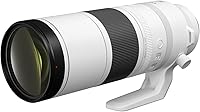
  • Focal Length: Covers a continuous zoom range from 200mm to 800mm, making it one of the most versatile super-telephoto zoom lenses available for a mirrorless system.
  • Maximum Aperture: Variable maximum aperture runs from F6.3 at the wide end to F9 at 800mm, which is an important consideration for shooting in anything other than bright conditions.
  • Lens Mount: Designed exclusively for Canon RF mount bodies, including the EOS R3, R5, R6, and R7 series mirrorless cameras.
  • Autofocus System: Ultrasonic Motor (USM) autofocus provides fast, near-silent subject acquisition suited to wildlife, birds in flight, and moving sports subjects.
  • Image Stabilization: Built-in optical Image Stabilization (IS) compensates for camera shake, enabling usable handheld results at focal lengths that would traditionally require a tripod or monopod.
  • Extender Support: Compatible with both the Extender RF1.4x and Extender RF2x at all focal lengths, extending effective reach to approximately 1120mm or 1600mm respectively.
  • Dimensions: The lens measures 12.4 × 4 × 4 inches (approximately 315 × 102mm), which is notably compact for a super-telephoto zoom of this range.
  • Weight: Weighs 4.5 pounds (approximately 2040g), significantly lighter than comparable focal-length prime lenses and practical for extended handheld use in the field.
  • Zoom Type: Super-telephoto zoom design optimized for the RF mount optical pathway to maintain image quality and sharpness throughout the entire 200–800mm range.
  • Minimum Aperture: Minimum aperture reaches F32 at the wide end and narrows further at the telephoto end, though shooting at minimum aperture is rarely recommended due to diffraction softening.
  • Manufacturer: Designed and manufactured by Canon USA, with model number 6263C002, under Canon's RF lens lineup for the EOS R mirrorless system.
  • Availability: First made available in November 2023, positioning it as one of the newer additions to Canon's RF super-telephoto lens range.
  • Market Ranking: Ranked #91 in the SLR Camera Lenses category on Amazon, reflecting strong visibility in a highly competitive and specialized segment.
  • Buyer Rating: Holds a 4.7 out of 5 average rating from 87 verified buyers, indicating a high level of satisfaction among photographers who have used it in real-world conditions.
  • Filter Thread: Filter thread size is not officially confirmed in Canon's published listing data for this lens; buyers should verify directly with Canon or check the lens cap specification before purchasing filters.

Related Reviews
Lightdow 420-800mm F8.3 Telephoto Zoom Lens
68%
83%
Value for Money
61%
Image Sharpness
69%
Manual Focus Usability
58%
Build Quality
72%
Setup & Compatibility
More
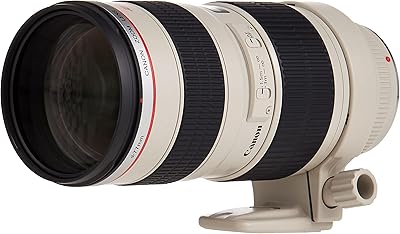
Canon EF 70-200mm f/2.8L USM Telephoto Zoom Lens
82%
91%
Autofocus Speed
93%
Image Sharpness
94%
Build Quality
92%
Aperture Consistency
89%
Bokeh & Subject Separation
More
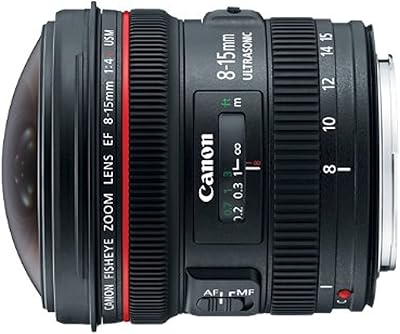
Canon EF 8-15mm f/4L Fisheye Zoom Lens
82%
93%
Optical Sharpness
91%
Zoom Versatility
88%
Autofocus Performance
94%
Build Quality
61%
Low-Light Capability
More
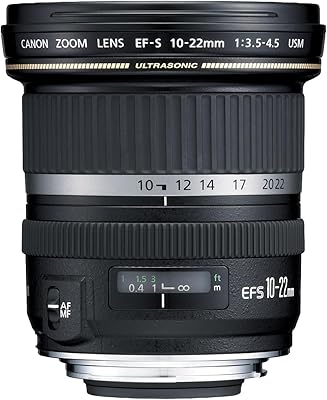
Canon EF-S 10-22mm f/3.5-4.5 USM Wide-Angle Lens
80%
88%
Image Sharpness
91%
Autofocus Performance
84%
Build Quality
63%
Distortion Control
67%
Chromatic Aberration
More
Canon EF 100-400mm f/4.5-5.6L Telephoto Zoom Lens
81%
91%
Autofocus Speed & Accuracy
88%
Image Stabilization
86%
Optical Sharpness
93%
Build Quality & Weather Sealing
67%
Push-Pull Zoom Mechanism
More
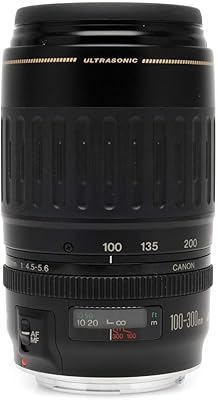
Canon EF 100-300mm f/4.5-5.6 Telephoto Zoom Lens
75%
88%
Autofocus Speed
91%
Autofocus Noise
67%
Image Sharpness
43%
Image Stabilization
78%
Build Quality
More
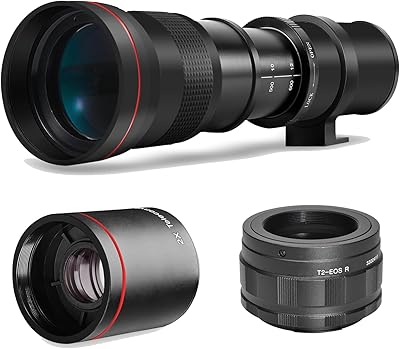
BM Premium 420-1600mm f/8.3 Telephoto Zoom Lens
69%
83%
Value for Money
88%
Focal Reach
57%
Image Sharpness
61%
Manual Focus Usability
59%
Build Quality
More
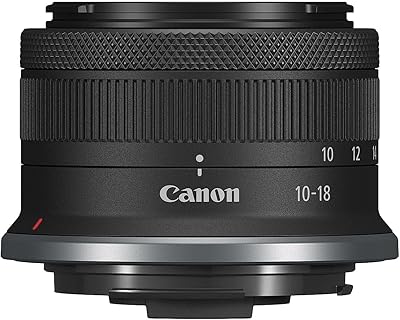
Canon RF-S10-18mm F4.5-6.3 IS STM Zoom Lens
83%
91%
Image Sharpness
84%
Autofocus Performance
88%
Image Stabilization
76%
Build Quality & Handling
93%
Vlogging Usability
More
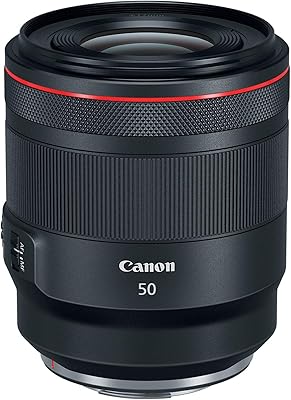
Canon RF 50mm f/1.2L USM Lens
84%
96%
Optical Sharpness
94%
Bokeh & Background Rendering
93%
Low-Light Performance
81%
Autofocus Speed & Accuracy
91%
Build Quality & Weather Sealing
More
Canon RF 28-70mm F2 L Zoom Lens
83%
96%
Optical Sharpness
94%
Low-Light Performance
91%
Autofocus Speed & Accuracy
93%
Build Quality & Weather Sealing
89%
Bokeh Quality
More

FAQ

The RF200-800mm is compatible with any Canon EOS R-series body that uses the RF mount — so that covers the R3, R5, R5 C, R6, R6 Mark II, R7, R8, R10, and others. It does not work on Canon DSLR bodies (EF or EF-S mount) without an adapter, and even with an adapter, full functionality is not guaranteed. If you are on the EOS R system, you are good to go.

Genuinely, yes — handheld use at 800mm is practical with this lens, which surprises a lot of people. The built-in optical IS does meaningful work to counteract camera shake, and the 4.5-pound weight, while not trivial, is manageable across a full shooting session. That said, if you are shooting in lower light where shutter speeds drop, a monopod will help a lot. In bright daylight with a fast shutter, many photographers report sharp handheld results consistently.

That is a critical question. When you attach the RF2x extender at 800mm, the effective aperture drops to F18. At F13 with the RF1.4x, you still have some flexibility, but F18 is very limiting — you are essentially restricted to bright midday sun or very high ISO settings. The extender compatibility is a real bonus for reach, but use it knowing the light requirements go up significantly.

In good light, the USM autofocus is fast and responsive enough to track birds in flight effectively, especially when paired with the subject-detection AF systems built into recent EOS R bodies like the R7 or R5. Where it struggles is in low contrast or flat overcast conditions — some users report hunting behavior where the lens searches for a lock. For bright-day birding sessions, it handles fast-moving subjects well.

That depends heavily on your priorities. A used 600mm or 800mm prime in the RF or adapted EF lineup will often outperform this zoom in maximum aperture and peak sharpness at its specific focal length. But primes are heavier, bulkier, less flexible in framing, and typically much more expensive when you factor in the RF ecosystem. For photographers who want portable, flexible, and field-ready super-telephoto capability without a dedicated lens trolley, this zoom makes a compelling practical case.

Sharpness at 800mm is respectable but does fall short of what a dedicated prime delivers at that same focal length — that is true of virtually every zoom lens at its maximum reach. For the majority of wildlife and sports use cases, results are more than good enough for large prints and professional-quality output. The sweet spot for image quality tends to sit in the 300–600mm range, where users report excellent center and edge sharpness.

Yes, the USM autofocus is nearly silent during operation, which matters a great deal around wildlife. There is no loud mechanical noise when the lens hunts or acquires focus, so it works well in quiet natural environments. The IS system also operates quietly, so overall this Canon telephoto lens is well suited to situations where noise discipline is important.

Bodies with advanced subject-detection autofocus — like the EOS R7, R5, R5 Mark II, R3, and R6 Mark II — pair best with this super-telephoto zoom. These cameras can leverage the fast USM motor with their animal and bird detection modes to get the most reliable tracking. On older or entry-level RF bodies, the lens still works, but you may not get the same keeper rate on fast-moving subjects.

Most photographers describe it as noticeable but manageable for handheld bursts. If you are hiking long distances with it mounted on your camera, a quality strap or shoulder support system makes a real difference. It is not a lightweight travel lens by any stretch, but it is dramatically lighter than the alternatives at this focal range — some comparable setups weigh nearly twice as much.

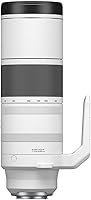
Canon includes a lens hood with the RF200-800mm, which is important for controlling flare at long focal lengths shooting toward bright sky. As for a tripod collar, Canon does include a detachable tripod mount ring with this lens, which is useful when mounting to a gimbal or monopod head for more stable support. Always verify box contents at point of purchase since accessory inclusions can vary by region.