Overview

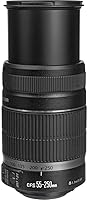
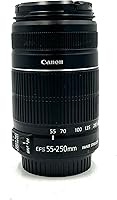
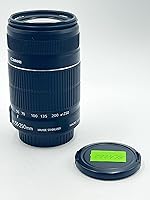
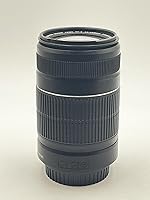
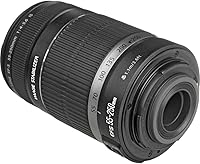
The Canon EF-S 55-250mm IS II Telephoto Lens is the kind of lens you reach for when your kit zoom just isn't getting close enough. It's built specifically for Canon's APS-C DSLRs, so it won't mount on a full-frame body, and that EF-S design lets Canon keep things relatively compact. This version refines the original 55-250mm IS with smoother autofocus and improved stabilization, which matters more than it sounds once you're shooting handheld at the long end. Despite the extra reach, it stays light enough to toss in a bag for a day trip or a weekend at the ballpark. For a lot of Rebel and EOS shooters, this is the natural next lens after the kit glass stops cutting it.
Features & Benefits

Image stabilization is the standout feature here, and it genuinely earns its keep once you're zoomed past 150mm or so, smoothing out the shake that normally ruins handheld telephoto shots. Canon's Super Spectra coatings do their job quietly in the background, keeping colors true and contrast punchy even when you're shooting into harsh midday light or a cluttered scene. The variable f/4-5.6 aperture isn't going to wow anyone on paper, but it's a sensible trade-off that keeps this zoom lens from turning into a heavy, expensive chunk of glass. Autofocus is competent for stills and casual video work, though it's worth checking which motor your specific copy uses. Where this lens really shines is subject separation: that extra reach makes it easy to blur out a messy background and let your subject pop.

Best For

This zoom lens makes the most sense for people who need reach without wanting to haul around professional-grade glass. Parents shooting from the bleachers at a kid's soccer game or school play will appreciate being able to fill the frame from a distance instead of cropping a tiny figure later. It's also a smart pick for anyone dipping a toe into wildlife or bird photography on a budget, since 250mm gives you a real head start over a standard kit lens. Travelers like having one lens that can handle landscapes, candid street shots, and the occasional distant landmark without swapping glass constantly. And if you've been shooting portraits with a kit lens and want that creamy background blur, this telephoto lens gets you there without buying a dedicated prime.

User Feedback

Owners who've actually put miles on this telephoto lens tend to agree on a few things. Sharpness and color rendering get praised consistently, especially given what people are paying for it, and the image stabilization shows up again and again in reviews as the feature that makes handheld shots at 250mm actually usable. On the downside, autofocus speed is the most common complaint, particularly indoors or in dim venues like gyms, where it can hunt a bit before locking on. A handful of buyers also mention the construction feels more plastic than they'd like, especially around the mount, though most don't see it as a dealbreaker. Taken together, it's widely regarded as a strong second lens for anyone building out a beginner DSLR kit.

Pros

  • Adds significant reach over a standard kit lens for sports, wildlife, and travel shots
  • Image stabilization makes handheld shooting at 250mm noticeably more usable
  • Colors and contrast stay accurate thanks to Canon's Super Spectra coatings
  • Lightweight and compact enough to carry around all day without strain
  • Delivers strong background separation for portrait-style shots without buying a prime
  • Widely praised as excellent value for a beginner's second lens
  • Sharpness holds up well against pricier telephoto options
  • Simple, intuitive zoom action that feels natural even for casual shooters

Cons

  • Autofocus can feel sluggish or hunt in low-light indoor venues
  • Variable f/4-5.6 aperture struggles once the light starts fading
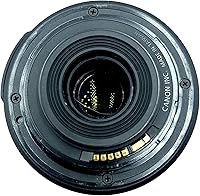
  • Build relies heavily on plastic, including around the lens mount
  • Only works with Canon APS-C bodies, not full-frame cameras
  • Not a meaningful upgrade for photographers who already own a longer or faster telephoto
  • Image quality softens slightly at the extreme 250mm end compared to mid-range
  • Lacks weather sealing, so it needs extra care in rain or dusty conditions

Ratings

Our scores for the Canon EF-S 55-250mm IS II Telephoto Lens are generated by AI after analyzing thousands of verified user reviews from around the world, with spam, bot activity, and incentivized feedback filtered out before any number is calculated. The result is a transparent breakdown that reflects both what real owners love about this zoom lens and where it tends to fall short. Nothing here is smoothed over to look better than the actual buyer experience.
Optical Sharpness
86%
Owners consistently describe images as crisp and detailed, even when shooting kids' soccer games from across the field or zooming in on distant wildlife. Many are surprised sharpness holds up this well given what the lens costs compared to pricier telephoto options.
Sharpness does soften noticeably at the extreme 250mm end, especially wide open at f/5.6, something landscape and architecture shooters tend to notice more than casual users. Stopping down a stop or two largely fixes this.
Image Stabilization
88%
This is one of the most praised aspects across reviews, with users reporting noticeably steadier handheld shots at the telephoto end, which matters a lot for action photography from the sidelines without a tripod. It genuinely extends what's usable handheld.
A small number of users mention an audible hum or slight lag when IS first engages, which can be distracting in quiet settings. It also can't fully compensate for fast-moving subjects, only camera shake.
Autofocus Speed & Accuracy
67%
33%
In good daylight, autofocus locks on quickly enough for casual sports, school events, and street photography, and most users find it perfectly adequate for everyday outdoor shooting without much hunting or hesitation.
Indoors or in dim gyms and evening venues, autofocus visibly slows down and sometimes hunts before locking focus, a complaint that shows up repeatedly in reviews. Fast indoor action photography is where this lens struggles most.
Value for Money
92%
Buyers overwhelmingly call this telephoto lens a smart, budget-friendly way to add serious reach to a Canon DSLR kit without spending on professional glass, frequently recommending it as a second lens for beginners and hobbyists alike.
A few reviewers note that once you factor in the autofocus and build trade-offs, the gap to Canon's pricier telephoto options starts to feel justified for those who shoot more seriously or frequently.
Build Quality & Durability
61%
39%
Despite being lightweight plastic, most owners report the lens has held up fine through years of regular use, travel, and being tossed in a camera bag without major issues arising.
The mostly plastic mount and barrel feel noticeably less solid than Canon's metal-mount lenses, and several reviewers express concern about long-term durability with heavy daily use or accidental drops.
Portability & Weight
89%
At under a pound, this zoom lens is praised repeatedly for being easy to carry all day on hikes, family outings, or travel trips without adding noticeable bulk or fatigue to a camera bag.
Its light weight, while convenient, can make balance feel slightly front-heavy on smaller Rebel-series bodies, and a few users mention wishing for a sturdier hand feel during extended handheld sessions.
Color Accuracy & Contrast
84%
Reviewers frequently highlight accurate, true-to-life color rendering thanks to the Super Spectra coatings, with skin tones and outdoor scenes looking natural straight out of camera without heavy editing required.
In harsh backlit conditions or direct midday sun, some users report mild flare or slightly reduced contrast, which occasionally requires post-processing adjustments to fully correct.
Zoom Range & Versatility
83%
The 55-250mm range gets praised for covering everything from candid portraits to distant landmarks and sports action in a single lens, reducing the need to carry or swap multiple lenses while traveling.
Some users wish the range extended a bit further for serious wildlife or bird photography, finding 250mm just short of ideal for very distant or small subjects.
Low-Light Performance
58%
42%
When paired with a higher ISO setting, users report still getting usable shots indoors or during golden hour, with image stabilization helping compensate somewhat for the narrower aperture.
The variable f/4-5.6 aperture is widely cited as the lens's biggest limitation in dim settings, forcing higher ISO and noisier images compared to faster prime lenses in similar conditions.
Background Blur Quality
77%
23%
Portrait shooters often mention being pleasantly surprised by the subject separation this telephoto lens achieves at longer focal lengths, creating a pleasing blurred background without needing a dedicated prime lens.
Bokeh quality isn't quite as smooth or creamy as what a wide-aperture prime delivers, and the effect is noticeably weaker at the 55mm end of the zoom range.
Ease of Use
81%
19%
New DSLR owners describe the zoom and focus rings as intuitive and easy to operate, making this a comfortable lens to learn on without a steep adjustment curve from kit lens habits.
A handful of users note the zoom ring can feel slightly loose or prone to creep over time, occasionally requiring readjustment mid-shoot when the camera is pointed downward.
Video Autofocus Performance
64%
36%
For casual video clips and vlogging-style footage, users find autofocus tracking adequate in well-lit outdoor settings, with image stabilization smoothing out handheld movement reasonably well.
Autofocus during video can feel slower and occasionally audible compared to Canon's dedicated STM lenses, making it less ideal for shooters prioritizing serious video work over stills.

Suitable for:

The Canon EF-S 55-250mm IS II Telephoto Lens makes the most sense for Canon APS-C shooters who have outgrown their kit lens and need real reach without spending professional-lens money. Parents standing on the sidelines at soccer games or school plays will appreciate being able to fill the frame from thirty rows back instead of cropping a speck of a kid later. It is also a sensible entry point for hobbyists curious about wildlife or bird photography, since 250mm offers a genuine head start over an 18-55mm kit zoom. Travelers benefit too, since one lens can cover landscapes, candid moments, and distant landmarks without constant lens swapping. Portrait shooters who want background blur but are not ready to buy a prime will find this zoom lens gets them most of the way there. Anyone treating it as a second lens, rather than their only lens, tends to get the most value from it.
Not suitable for:

The Canon EF-S 55-250mm IS II Telephoto Lens is not a fit for anyone shooting on a full-frame Canon body, since the EF-S mount simply will not attach. Sports or action photographers working in dim gyms or evening venues may get frustrated, since the autofocus can hunt a bit when light gets scarce. Buyers expecting a rugged, all-metal build should also temper expectations, as the mostly plastic construction will not feel as premium as Canon's higher-tier L-series glass. Low-light photographers who frequently shoot indoors without flash will run into the limits of that f/4-5.6 variable aperture fairly quickly. And if you already own a longer or faster telephoto, this zoom lens will not offer enough of an upgrade to justify a purchase. It is best viewed as an affordable stepping stone, not an endpoint for serious enthusiasts.
Specifications

  • Brand: This lens is manufactured by Canon under their Cameras US division.
  • Mount Type: It uses the Canon EF-S mount, which is exclusive to APS-C crop-sensor DSLR bodies.
  • Focal Length: The zoom range covers 55-250mm, giving a 35mm-equivalent range of roughly 88-400mm on most Canon crop bodies.
  • Maximum Aperture: Aperture is variable, ranging from f/4.0 at the wide end to f/5.6 at full zoom.
  • Lens Type: It is classified as a telephoto zoom lens designed for reach beyond standard kit lenses.
  • Image Stabilization: Built-in Image Stabilization (IS) helps reduce blur from handheld camera shake, especially at longer focal lengths.
  • Optical Coating: Canon's Super Spectra coatings are applied to help maintain accurate color and reduce flare or ghosting.
  • Sensor Compatibility: This lens is compatible only with Canon APS-C (crop sensor) DSLR cameras, not full-frame bodies.
  • Dimensions: The lens measures approximately 4.25 x 2.76 x 2.76 inches.
  • Weight: It weighs about 13.8 ounces (roughly 391 grams).
  • Model Number: The official Canon item model number is 2044B002.
  • Power Source: It requires no internal batteries for basic operation, though autofocus and IS draw power from the host camera body.
  • Construction Material: The barrel and mount are primarily constructed from engineered plastic rather than metal.
  • Use Cases: It is suited for sports, wildlife, travel, and portrait photography where extra reach is needed.
  • Manufacturer: The lens is produced and distributed by Canon Cameras US.
  • Availability Status: As of the latest listing data, this lens is not discontinued by the manufacturer.

Related Reviews

Lightdow 420-800mm F8.3 Telephoto Zoom Lens
68%
83%
Value for Money
61%
Image Sharpness
69%
Manual Focus Usability
58%
Build Quality
72%
Setup & Compatibility
More
JINTU 85mm f1.8 Portrait Prime Lens
75%
84%
Build Quality
73%
Optical Sharpness
82%
Bokeh Quality
88%
Value for Money
71%
Manual Focus Experience
More
Canon EF 70-200mm f/4L IS II Lens
85%
94%
Optical Sharpness
91%
Image Stabilization
88%
Autofocus Performance
93%
Build Quality
89%
Portability & Weight
More
JINTU 420-1600mm Telephoto Zoom Lens
71%
83%
Value for Money
88%
Focal Reach
61%
Image Sharpness
79%
Build Quality
54%
Manual Focus Experience
More
Canon EF-S 24mm f/2.8 STM Lens
79%
88%
Image Sharpness
82%
Autofocus Performance
61%
Build Quality
96%
Portability & Size
74%
Low-Light Capability
More
Canon EF 24-70mm f/2.8L II Zoom Lens
78%
94%
Optical Sharpness
91%
Autofocus Performance
93%
Build Quality & Durability
62%
Value for Money
38%
Image Stabilization
More
JINTU 500-1000mm f/8 Manual Telephoto Lens
66%
74%
Image Quality at 500mm
46%
Image Quality at 1000mm
78%
Value for Money
58%
Manual Focus Usability
63%
Build Quality
More
Canon EF-S 18-135mm f/3.5-5.6 IS Zoom Lens
77%
91%
Zoom Versatility
88%
Image Stabilization
76%
Sharpness & Clarity
58%
Low-Light Performance
79%
Autofocus Speed
More
Canon EOS 6D Mark II with EF 24-105mm f/4L IS II USM
81%
93%
Image Quality
79%
Autofocus Performance
57%
Video Capabilities
91%
Bundled Lens Quality
88%
Battery Life
More
Canon EF 70-200mm f/2.8L USM Telephoto Zoom Lens
82%
91%
Autofocus Speed
93%
Image Sharpness
94%
Build Quality
92%
Aperture Consistency
89%
Bokeh & Subject Separation
More

FAQ

No, unfortunately not. This is an EF-S lens, which is built specifically for Canon's APS-C crop-sensor bodies, so it physically will not mount on a full-frame EF camera. If you shoot full-frame, you would need to look at an EF telephoto instead.

It makes a real difference, especially once you zoom out past 150mm or so. Handheld shots that would normally come out slightly soft due to shake tend to look noticeably sharper with stabilization turned on, particularly in good to moderate light.

It's decent in daylight or well-lit conditions, but it can slow down or hunt a bit indoors or in dim venues. For outdoor day games it usually keeps up fine, but fast-paced indoor sports under artificial lighting will test its limits.

That depends on the specific seller or bundle, since base listings sometimes include just the lens itself. It's worth double-checking the product listing details before purchase if a hood or pouch matters to you.

Yes, it can handle casual video work reasonably well, especially with the image stabilization helping smooth out handheld footage. That said, autofocus during video may not feel as quick or silent as Canon's dedicated STM video lenses.

It's lightweight, which is great for carrying around, but that comes from a mostly plastic construction including the lens mount. It is not going to feel as rugged as Canon's higher-end L-series lenses, so a bit of extra care is wise.

Definitely. The Canon EF-S 55-250mm IS II Telephoto Lens was designed with bodies like the Rebel series in mind, since they share the same EF-S crop-sensor mount, and it's a common pairing for people upgrading from a kit lens.
Somewhat, yes. With a maximum aperture of f/5.6 at the telephoto end, this zoom lens lets in less light than faster primes, so you may need to bump up ISO or rely more heavily on stabilization in dim settings.

Stick to a soft microfiber cloth and a blower brush for dust on the front element, and avoid harsh chemicals. Since there's no weather sealing, it's also smart to keep it out of heavy rain or dusty environments when possible.

For most casual to enthusiast shooters, it's a smart, affordable way to add reach without committing to pricier glass. If you find yourself needing faster autofocus or a wider aperture down the line, you can always upgrade later, but this telephoto lens is a solid starting point.