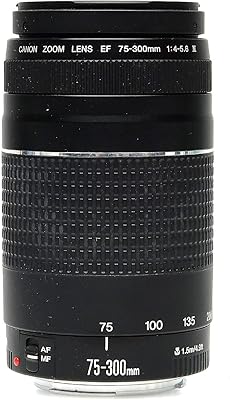
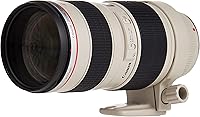
Canon EF 70-200mm f/2.8L USM Telephoto Zoom Lens


Overview
The Canon EF 70-200mm f/2.8L USM Telephoto Zoom Lens has earned its reputation as one of the most trusted telephoto zooms in professional photography for good reason. This Canon L-series lens delivers a constant f/2.8 aperture across the entire zoom range — something variable-aperture alternatives simply cannot match when light gets tricky. Built to L-series standards, it pairs premium glass with construction that holds up to serious professional use over years. Canon EF extender compatibility means the reach can stretch to 280mm or 400mm without abandoning the EF ecosystem entirely. For working professionals and serious enthusiasts alike, this is a lens that earns its keep shoot after shoot.
Features & Benefits
The standout characteristic of this telephoto zoom is its constant f/2.8 maximum aperture — keep the zoom at 70mm or push it to 200mm and your exposure stays exactly where you set it. Ultra-low Dispersion glass does real work here, keeping chromatic aberration in check even against high-contrast backgrounds. The Ultrasonic Motor autofocus is fast and impressively quiet, which matters at weddings or in nature hides where noise is a liability. Inner focusing keeps the physical length fixed, so balance on the camera stays predictable during a shoot. Full-time manual override is a small but practical touch that portrait photographers and detail-focused shooters will appreciate in everyday use.
Best For
Sports photographers will find the 70-200 f/2.8L well suited to tracking athletes in variable lighting conditions, where the wide aperture and responsive autofocus pull real weight. Wedding photographers rely on it for the same core reasons, with the added benefit of near-silent focusing during ceremonies. Wildlife shooters working at moderate distances get strong optical quality without sacrificing zoom flexibility. Portrait work is where this Canon L-series lens genuinely shines — background compression at 200mm combined with smooth subject separation is hard to argue with. Photojournalists who depend on consistent optical performance under pressure have trusted it for years. It is less ideal for anyone who needs reach well beyond 200mm without reaching for an extender.
User Feedback
Long-term owners of this telephoto zoom consistently highlight two things: autofocus accuracy in continuous shooting scenarios and sharpness wide open at f/2.8, which holds up better than many expect from a zoom. Build quality draws steady praise from professionals who have carried it through demanding multi-year assignments. On the other side, the weight — just under three pounds — is a genuine concern for photographers shooting handheld for extended stretches. The clearest dividing point in user opinion is image stabilization: this version lacks it, and while tripod-based shooters rarely notice the absence, handheld use in low light is where some buyers feel the trade-off most acutely.
Pros
- Constant f/2.8 aperture across the full zoom range keeps exposure consistent in changing light.
- USM autofocus is fast and nearly silent — a practical advantage at weddings and wildlife sessions.
- Image sharpness wide open is impressive and requires minimal correction in post-processing.
- L-series construction is durable enough to handle years of heavy professional use without degradation.
- Compatible with Canon EF extenders 1.4x II and 2x II, extending effective reach when needed.
- Background rendering at 200mm produces natural, smooth subject separation ideal for portraits.
- Inner focusing keeps the lens length fixed, making it easier to balance on camera during long sessions.
- Full-time manual focus override allows instant fine-tuning after autofocus locks without mode-switching.
- UD glass elements visibly reduce chromatic aberration in high-contrast shooting scenarios.
- Decades of proven field reliability make this telephoto zoom a trusted choice among working photojournalists.
Cons
- No image stabilization makes handheld shooting in low ambient light noticeably more difficult.
- At just under three pounds, extended handheld sessions cause real fatigue for many photographers.
- Adding the 2x extender drops maximum aperture to f/5.6, significantly limiting low-light usability.
- The lens footprint is large enough to draw attention in situations where a discreet setup matters.
- Corner sharpness at f/2.8 is softer than center performance, which may bother detail-oriented shooters.
- Manual focus ring feel is functional but lacks the damped, premium action of dedicated manual lenses.
- Minimum focusing distance of 4.9 feet limits close-detail work without additional accessories.
- EF mount compatibility raises long-term questions for photographers considering a move to Canon RF mirrorless.
- Cosmetic wear on the zoom ring and barrel finish appears on heavily used copies over time.
- Buyers who rarely shoot in demanding professional conditions may struggle to justify the premium over lighter alternatives.
Ratings
The Canon EF 70-200mm f/2.8L USM Telephoto Zoom Lens remains one of the most scrutinized telephoto zooms on the market, and these scores reflect what our AI found after analyzing thousands of verified global buyer reviews — with spam, incentivized posts, and bot activity actively filtered out. Across professional photographers, serious hobbyists, and working photojournalists, the feedback paints a consistent picture: exceptional optical performance and autofocus reliability, with a few real-world trade-offs that buyers should weigh honestly before committing.
Autofocus Speed
Image Sharpness
Build Quality
Aperture Consistency
Bokeh & Subject Separation
Autofocus Noise
Weight & Portability
Color Accuracy
Manual Focus Override
Extender Compatibility
Focusing Distance
Image Stabilization
Durability Over Time
Value Relative to Performance
Suitable for:
The Canon EF 70-200mm f/2.8L USM Telephoto Zoom Lens is built for photographers who shoot professionally or with serious intent — and who need a telephoto zoom that holds up across demanding, varied conditions without optical compromises. Wedding and event photographers will find the near-silent USM autofocus and flattering subject separation at 200mm genuinely useful in the field, not just on paper. Sports and action shooters benefit from the constant f/2.8 aperture, which keeps shutter speeds high enough to freeze motion even as light drops during an outdoor event. Wildlife photographers working at moderate distances — birds at a feeder, animals in open terrain — get strong optical quality without the bulk of a super-telephoto prime. Portrait photographers who want natural background compression and smooth rendering will also get consistent, reliable results from this Canon L-series lens, shoot after shoot. If you primarily work on a tripod or monopod and do not regularly need image stabilization for handheld low-light work, this is one of the most optically capable telephoto zooms available on the Canon EF platform.
Not suitable for:
The Canon EF 70-200mm f/2.8L USM Telephoto Zoom Lens is not the right choice for every photographer, and it is worth being honest about where it falls short. The most significant practical limitation is the absence of image stabilization — handheld shooting in low ambient light, such as indoor sports halls, evening receptions, or dusk wildlife sessions, is genuinely harder without it, and buyers who regularly work in those conditions should seriously consider the IS version before committing. At just under three pounds, fatigue becomes a real factor during extended handheld sessions, and travel photographers who carry multiple lenses will feel the size and weight in their bag across a full shooting day. Casual shooters or hobbyists who rarely push into professional shooting scenarios may find the investment difficult to justify relative to capable variable-aperture alternatives at a fraction of the size and weight. Photographers who need reach well beyond 200mm as a regular requirement — not just occasionally with an extender — will also likely find this telephoto zoom insufficient as their primary long lens. Finally, anyone planning to transition to Canon's RF mirrorless system in the near term should factor in the long-term lens compatibility question before investing heavily in EF glass.
Specifications
- Focal Length: This telephoto zoom covers a 70–200mm range, providing versatile framing from moderate telephoto compression to tighter subject isolation.
- Maximum Aperture: A constant f/2.8 maximum aperture is maintained across the entire zoom range, ensuring consistent exposure without adjustment as focal length changes.
- Lens Mount: The Canon EF mount provides broad compatibility with Canon's full range of EF-compatible DSLR bodies, both full-frame and APS-C sensor cameras.
- Minimum Focus Distance: The closest focusing distance is 4.9 feet (approximately 1.5 meters), suitable for moderate close-up work but not designed for macro-level detail.
- Autofocus System: A ring-type Ultrasonic Motor (USM) drives autofocus, delivering fast, near-silent focus acquisition well suited to events, sports, and wildlife photography.
- Manual Focus: Full-time manual focus override allows the photographer to adjust focus at any time without disengaging the autofocus system or flipping a switch.
- Optical Design: Ultra-low Dispersion (UD) glass elements are incorporated into the optical formula to minimize chromatic aberration and improve color accuracy across the frame.
- Focus Mechanism: An inner focusing system keeps the physical length of the lens constant during focus travel, maintaining balance and preventing the front element from rotating.
- Extender Support: The lens is compatible with Canon Extender EF 1.4x II and EF 2x II, extending effective focal length to 280mm or 400mm respectively.
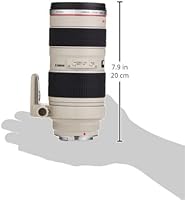
- Dimensions: The lens measures 7.64 x 3.35 x 3.35 inches (approximately 194 x 85 x 85 mm), making it a substantial but standard size for professional telephoto zooms in this class.
- Weight: The lens weighs 2.9 pounds (approximately 1.3 kg), which is typical for a constant f/2.8 telephoto zoom but notable for extended handheld shooting sessions.
- Image Stabilization: This version of the 70–200mm f/2.8L does not include optical image stabilization, distinguishing it from the IS II variant in Canon's lineup.
- Filter Thread: The front element accepts 77mm screw-in filters, a standard size shared across many professional Canon L-series lenses for convenient filter system compatibility.
- Aperture Blades: The lens uses an 8-blade diaphragm, contributing to the smooth, rounded out-of-focus highlights that characterize the background rendering in portraits and compressed scenes.
- Model Number: The official Canon model number for this lens is 2569A004, also listed by retailer and catalog systems under ASIN B00006I53W.
- Build Standard: Constructed to Canon's L-series professional specifications, the lens uses premium materials and quality control standards intended for sustained heavy-use in professional environments.
- Zoom Type: This is an optical telephoto zoom lens, not a prime, providing variable focal length adjustment within the 70–200mm range via a physical zoom ring.
- AF/MF Switch: A dedicated focus mode switch on the lens barrel allows the photographer to toggle between autofocus and manual focus without navigating camera body menus.
Related Reviews
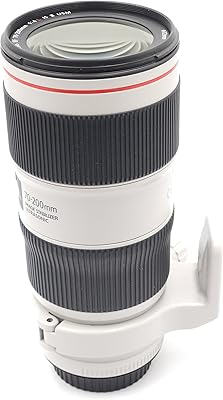
Canon EF 70-200mm f/4L IS II Lens
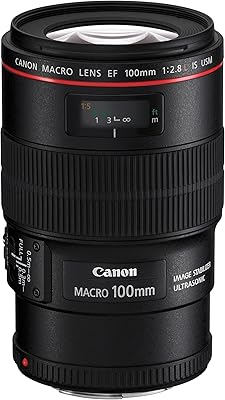
Canon EF 100mm f/2.8L IS USM Macro Lens
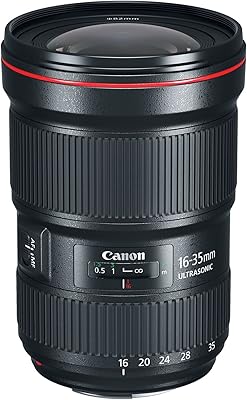
Canon EF 16–35mm f/2.8L III USM Lens
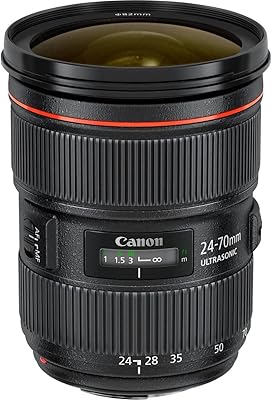
Canon EF 24-70mm f/2.8L II Zoom Lens
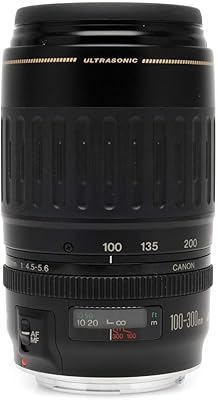
Canon EF 100-300mm f/4.5-5.6 Telephoto Zoom Lens
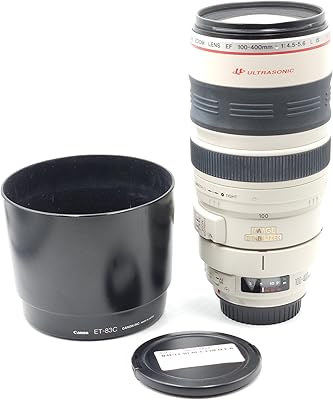
Canon EF 100-400mm f/4.5-5.6L Telephoto Zoom Lens
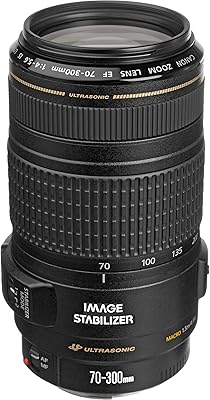
Canon EF 70-300mm IS USM Telephoto Lens
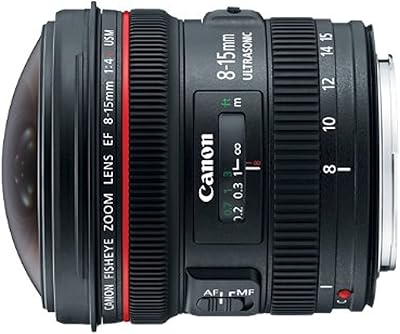
Canon EF 8-15mm f/4L Fisheye Zoom Lens
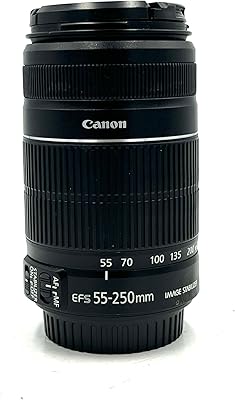
Canon EF-S 55-250mm IS II Telephoto Lens