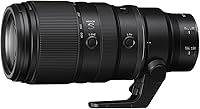
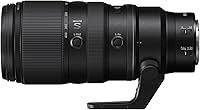
Overview

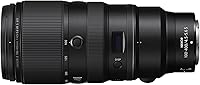
The Nikon NIKKOR Z 100-400mm VR S Telephoto Lens sits at the top of Nikon's Z-mount telephoto lineup, built for photographers who shoot seriously and demand optical performance without compromise. The 100–400mm range covers a wide spread of real-world scenarios — from sideline sports to stalking distant wildlife — and the story shifts further on DX-format bodies, where effective reach stretches to a 150–600mm equivalent. Pair it with a 1.4x or 2x teleconverter and you're pushing 560mm or 800mm while retaining autofocus. This is a premium-tier investment, no question, but it's aimed squarely at working photographers and serious enthusiasts who need a long zoom they won't outgrow.
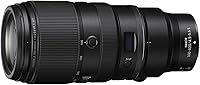
Features & Benefits

What sets the NIKKOR Z 100-400mm apart from the pack starts with its Vibration Reduction system, rated at up to 5.5 stops of compensation — on full-frame Z bodies, that translates to 5-axis stabilization that genuinely lets you shoot handheld at shutter speeds you'd normally write off. Autofocus is driven by dual STM stepping motors that operate in near silence, which matters when you're tracking a bird through reeds or working close to skittish wildlife. Focus breathing is virtually nonexistent. The S-line optical design maintains sharpness consistently across the frame, and at 3.16 pounds, this telephoto zoom is manageable enough for a full day of field shooting without wearing you down.

Best For

This S-line lens was built with a specific kind of photographer in mind. Wildlife and bird photography are the obvious homes for it — the reach, fast tracking AF, and stabilization converge nicely when you're chasing subjects that simply won't wait. Sports shooters will appreciate how well it handles fast-moving action, and the near-silent motor means it won't distract athletes or subjects in quieter settings. Travel photographers looking to consolidate their kit will find the zoom range handles everything from compressed cityscapes to distant wildlife. DX-format users get a particularly strong deal, squeezing a 600mm equivalent out of a body-and-lens combination that stays relatively portable.

User Feedback

With a 4.7-star average across over a hundred ratings, buyers are largely enthusiastic. Autofocus performance draws consistent praise — reviewers frequently describe sharp, confident tracking in tough conditions like birds in flight or athletes at speed. Handheld sharpness comes up repeatedly too, with many shooters confirming the VR holds up in real use and not just on spec sheets. On the flip side, some buyers note the size and balance take adjustment if you're coming from lighter glass, and a few honestly flag that the price-to-value trade-off is worth considering for hobbyists. Still, the criticism stays mild — most buyers treat it as a long-term lens purchase they don't regret.

Pros

  • Autofocus tracks fast, erratic subjects — birds in flight, sprinting athletes — with impressive consistency.
  • The stabilization system delivers usable handheld shots at shutter speeds most telephoto lenses cannot manage.
  • Teleconverter compatibility extends reach to 800mm while retaining full autofocus point coverage.
  • Edge-to-edge sharpness holds up well across the zoom range, reducing the need for heavy post-processing.
  • Near-silent AF motors make this telephoto zoom a strong choice for wildlife work in quiet environments.
  • At just over 3 pounds, it is genuinely manageable for an all-day field session compared to older telephoto glass.
  • Deep Z-system integration means animal detection and subject tracking work exactly as intended out of the box.
  • DX-format users gain a 150–600mm effective range from a single, relatively portable lens.
  • Weather sealing handles real outdoor conditions — light rain and dust — without requiring babying.
  • Virtually no focus breathing makes it a clean crossover option for hybrid photo and video shooters.

Cons

  • The price makes it a tough sell for hobbyists who shoot long focal lengths only occasionally.
  • Zoom creep can occur when carrying the lens pointed downward, as there is no zoom lock mechanism.
  • Stabilization performance steps down noticeably on DX-format bodies compared to full-frame Z cameras.
  • With the 2x teleconverter, maximum aperture drops to f/11, making low-light use at 800mm impractical.
  • The stiffer zoom ring requires deliberate movement, which can slow rapid reframing in fast-action situations.
  • AF tracking confidence decreases meaningfully when combined with the 2x teleconverter at maximum reach.
  • Corner sharpness at 400mm wide open shows a slight softness that careful inspectors will notice in large prints.
  • Smaller Z-body users may find the balance front-heavy during extended handheld sessions.
  • Lateral chromatic aberration appears in high-contrast backlit scenes at the long end and requires correction in post.
  • The lens is only a strong value proposition if you are fully committed to the Nikon Z ecosystem long-term.

Ratings

The Nikon NIKKOR Z 100-400mm VR S Telephoto Lens earns one of the stronger consensus scores we've seen in the Z-mount telephoto category, backed by verified buyer feedback analyzed and weighted by our AI system, which actively filters out incentivized, duplicate, and bot-generated reviews. Scores below reflect real-world patterns from photographers across wildlife, sports, and travel use cases — strengths and frustrations included. Where buyers consistently agreed, the scores reflect that confidence; where opinions split, especially around value and handling, that tension shows too.
Autofocus Performance
93%
Buyers shooting birds in flight and fast-moving sports subjects repeatedly describe the dual STM motor system as one of the most responsive they have used on a Z-mount body. Tracking locks on quickly and holds through erratic movement, with very few missed shots reported even in lower-contrast conditions.
A small number of users note occasional hesitation when transitioning focus from a close subject to a distant one rapidly. In very low light, the AF speed advantage narrows noticeably compared to ideal daylight performance.
Image Sharpness
91%
Center sharpness from around 100mm through to 300mm is consistently described as outstanding, with edge-to-edge rendering that holds up well for a zoom of this reach. Wildlife photographers report keepers even at 400mm handheld in decent light.
At the 400mm end wide open, a few pixel-peepers note a slight softness in the extreme corners, though this rarely impacts real-world subject shots. Sharpness also dips modestly when teleconverters are stacked, particularly at 800mm.
Vibration Reduction Effectiveness
89%
The stabilization system draws genuine praise from photographers shooting handheld at long focal lengths. Buyers consistently report usable images at shutter speeds where other lenses would produce blur, which translates directly to more keepers in golden-hour or overcast wildlife sessions.
On DX-format bodies, the VR operates in 2-axis rather than 5-axis mode, which some users feel is a noticeable step down from the full-frame experience. A few photographers also report that panning shots require switching VR modes manually, which can break the flow.
Build Quality & Weather Sealing
88%
The lens feels solid and purposeful in hand, with a build quality consistent with Nikon's S-line designation. Field photographers report using it confidently in light rain and dusty environments without any sealing-related issues arising over extended use.
The zoom ring action feels slightly stiffer than some competitors at similar price points, which a few users mention as a minor fatigue factor during rapid recomposing. There is also no zoom lock switch, which can cause slight zoom creep when carrying the lens barrel-down.
Value for Money
74%
26%
Photographers who shoot professionally or semi-professionally consistently conclude that the optical and autofocus quality justifies the cost as a long-term kit investment. The teleconverter compatibility effectively multiplies the lens's utility without requiring a second purchase.
Hobbyist and occasional shooters frequently flag the price as a significant barrier, noting that comparable reach is available from third-party options at a lower outlay. For Z-system users who are not yet deeply invested in the ecosystem, the cost-of-entry requires serious commitment.
Portability & Handling
79%
21%
At just over 3 pounds, this telephoto zoom is considered genuinely portable for its focal range by most buyers, especially those comparing it to older DSLR telephoto glass. Travel photographers in particular note that it fits into a carry-on friendly bag without dominating the pack.
Extended shooting sessions — particularly with the lens hand-held at 400mm for birding — do cause arm fatigue for some users after an hour or more. The balance also shifts noticeably on smaller Z-series bodies, leading a handful of reviewers to recommend a dedicated support setup.
Teleconverter Compatibility
86%
The ability to push to 560mm with the 1.4x and 800mm with the 2x teleconverter, while retaining autofocus across all focus points, is one of the features buyers highlight most enthusiastically. For wildlife photographers who want serious reach on a budget-conscious accessory addition, this is a meaningful practical advantage.
With the 2x teleconverter in place, maximum aperture drops to f/11, which limits usability in anything less than bright conditions. AF speed also slows perceptibly at 800mm, and a few users report that subject tracking becomes less reliable at that configuration.
Focus Breathing
92%
Reviewers who shoot video alongside stills specifically call out the near-total absence of focus breathing as a meaningful differentiator. Transitions between subjects at different distances stay clean and cinematic without the distracting zoom-like shift seen in older telephoto designs.
This is largely a non-issue category for most buyers, and criticism is genuinely sparse. A very small number of video-focused users felt that at extreme close-focus distances, a faint residual effect was visible under careful inspection.
Autofocus Noise
91%
Wildlife photographers who work in quiet field environments consistently appreciate how little noise the STM motors generate during focus operation. Shooting near skittish birds or animals, reviewers note that the lens does not give away their position the way older AF systems could.
In near-total silence — such as indoor photography or nature hides — a faint internal mechanical hum is occasionally audible to the photographer, though reviewers agree it is inaudible to subjects or bystanders at any practical distance.
Chromatic Aberration Control
84%
Color fringing on high-contrast edges — the kind that shows up around backlit branches or bright sky-to-subject transitions — is well-controlled for a zoom at this focal range. Most buyers report that out-of-camera JPEGs and raw files need minimal correction in post.
At 400mm in high-contrast backlit scenes, lateral chromatic aberration does appear in some shots, requiring a quick correction pass in editing software. It is not severe, but pixel-level inspectors do notice it, particularly on DX bodies where the crop magnifies optical characteristics.
Minimum Focus Distance
77%
23%
The ability to focus relatively close for a lens of this reach opens up a broader range of shooting opportunities — close-quarters wildlife, large insects, and environmental portraits are all achievable without switching lenses. Buyers frequently mention this as a pleasant surprise in the field.
Against dedicated macro or close-up optics, the magnification ratio is still limited, and buyers expecting near-macro capability will be disappointed. A few wildlife photographers note that certain smaller subjects require more patience or approach distance than they would prefer.
Optical Stabilization on DX Bodies
71%
29%
DX-format users on bodies like the Z 50 or Z fc benefit from a substantial effective reach boost, and the 2-axis optical VR still provides meaningful stabilization for handheld telephoto work at those focal lengths.
The step down from 5-axis to 2-axis stabilization on DX bodies is a recurring point of frustration for users who compare the experience side-by-side with full-frame Z bodies. Handheld sharpness is noticeably harder to achieve consistently, especially in lower light on DX.
Compatibility with Z-System Ecosystem
94%
Buyers who are committed to the Nikon Z ecosystem describe this lens as integrating flawlessly — AF modes, animal detection, subject tracking, and in-body stabilization all work together without any communication lag or behavioral quirks. It feels purpose-built for the platform in ways third-party glass simply cannot replicate.
The tight ecosystem integration is, by definition, a limitation for anyone using a mixed or transitional kit. Photographers still shooting on F-mount bodies via adapter lose a portion of the lens capabilities, and the Z-only mount means no meaningful resale crossover outside the Z system.
Zoom Ring Action
72%
28%
The zoom ring is smooth and well-damped, providing enough resistance to avoid accidental focal length drift during normal use. Photographers who frequently shoot vertically or from unusual angles appreciate that the resistance helps maintain their chosen zoom position.
Some buyers find the ring requires more deliberate effort to move quickly compared to competitors, which can slow rapid reframing in fast-action scenarios. A small contingent of reviewers also note the absence of a zoom lock, citing occasional unwanted extension when transporting the lens in a bag.

Suitable for:

The Nikon NIKKOR Z 100-400mm VR S Telephoto Lens was built for photographers who take their craft seriously and need a long zoom that can keep pace with unpredictable subjects. Wildlife photographers will feel right at home — the focal range, fast subject tracking, and robust stabilization work together in exactly the situations that matter, like following a heron through a marsh at dawn or waiting for a predator to move in low afternoon light. Bird-in-flight shooters in particular benefit from the autofocus responsiveness, which holds a lock through erratic flight paths far better than most zoom lenses in this category. Sports photographers covering outdoor events will also find the reach and stabilization combination genuinely practical for handheld shooting from the sidelines. DX-format Z-camera users get an especially strong case for this lens, since the crop factor pushes the effective reach well beyond what the focal markings suggest. Travel photographers who want one serious telephoto that handles compressed cityscapes, distant wildlife, and candid portraits without switching glass will find this telephoto zoom earns its bag space on almost every trip.

Not suitable for:

The Nikon NIKKOR Z 100-400mm VR S Telephoto Lens is a poor fit for photographers who are still building out their kit or shooting primarily as a hobby without a clear need for professional-grade long reach. The price of entry is substantial, and buyers who will only pull this S-line lens out a handful of times per year are unlikely to extract enough value to justify it over more affordable alternatives. Photographers on F-mount DSLR bodies should note that adapter use compromises some of the lens's smarter capabilities, so it really only makes full sense for committed Z-system users. Anyone primarily shooting portraits, architecture, or studio work will find the 100mm minimum focal length an awkward starting point that leaves a gap in their coverage. Videographers on tight budgets should also weigh the fact that the maximum aperture narrows to f/11 with the 2x teleconverter attached, which limits low-light video utility significantly. And if portability is the primary concern — say, ultralight hiking or minimalist travel — there are lighter, shorter options that sacrifice some optical performance but spare the shoulders.

Specifications

  • Focal Length: Covers 100–400mm on FX-format Z bodies, extending to an effective 150–600mm equivalent on DX-format Z cameras.
  • Max Aperture: Variable maximum aperture of f/4.5 at 100mm, narrowing to f/5.6 at the 400mm end.
  • Lens Mount: Nikon Z bayonet mount, compatible exclusively with Nikon Z-series mirrorless cameras.
  • Format Coverage: Designed for full-frame FX-format sensors and fully compatible with DX-format Z-series bodies.
  • Vibration Reduction: Optical VR system rated at up to 5.5 stops of compensation based on CIPA standards at maximum telephoto position.
  • VR Axes: Delivers 5-axis stabilization when paired with a full-frame Z camera; operates in 2-axis optical VR mode on DX-format bodies.
  • Autofocus System: Dual high-speed STM stepping motors operate in sync for fast, near-silent autofocus with virtually no focus breathing.
  • Teleconverter Support: Compatible with Nikon Z 1.4x and 2x teleconverters, extending maximum reach to 560mm and 800mm respectively.
  • Dimensions: Measures 8.74″ in length with a 3.86″ diameter barrel when at rest.
  • Weight: Weighs 3.16 pounds (approximately 1435g), making it comparatively manageable for a telephoto zoom of this focal range.
  • Lens Series: Part of Nikon's S-line designation, indicating the highest tier of optical and mechanical quality within the NIKKOR Z lineup.
  • Filter Thread: Accepts 77mm screw-in filters at the front element.
  • Aperture Blades: Features 9 rounded aperture blades designed to produce smooth, circular bokeh rendering.
  • Minimum Focus: Achieves a minimum focusing distance of approximately 2.6 feet (0.8m) at the 100mm setting.
  • Weather Sealing: Constructed with dust- and moisture-resistant sealing throughout the barrel, suitable for outdoor use in adverse conditions.
  • Optical Formula: Built with 24 elements arranged in 18 groups, incorporating ED and SR glass elements to manage chromatic aberration and flare.
  • Image Stabilization Mode: Offers selectable VR modes including Normal and Sport to accommodate static subjects and panning scenarios respectively.
  • Release Date: First became available for purchase in October 2021 as a Nikon USA model.

Related Reviews
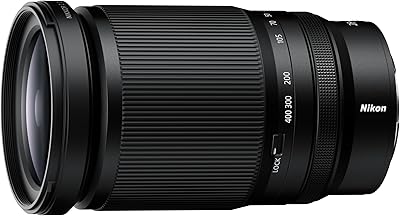
Nikon NIKKOR Z 28-400mm f/4-8 VR Lens
79%
96%
Zoom Range Versatility
91%
Image Stabilization (VR)
78%
Optical Sharpness
76%
Autofocus Performance
73%
Build Quality & Durability
More
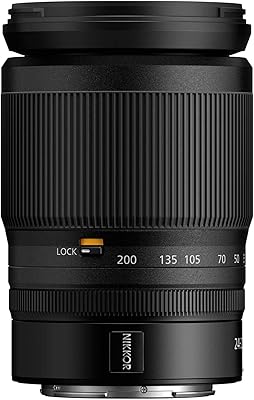
Nikon NIKKOR Z 24-200mm VR Zoom Lens
80%
93%
Zoom Range Versatility
88%
Image Stabilization (VR)
71%
Optical Sharpness
82%
Autofocus Performance
84%
Build Quality & Handling
More
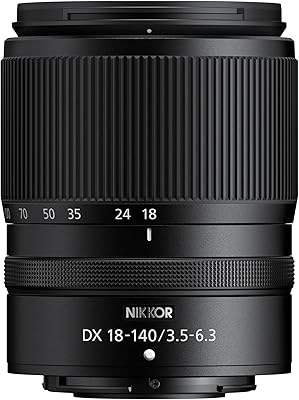
Nikon NIKKOR Z DX 18-140mm VR Lens
79%
93%
Focal Range Versatility
76%
Image Sharpness
88%
Autofocus Performance
91%
Portability & Size
84%
Video Capability
More
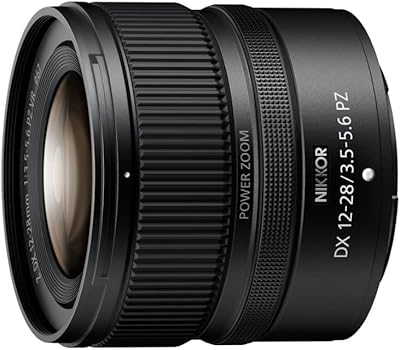
Nikon NIKKOR Z DX 12-28mm PZ Lens
79%
88%
Image Stabilization
82%
Power Zoom Mechanism
74%
Optical Sharpness
61%
Distortion Control
69%
Build Quality
More
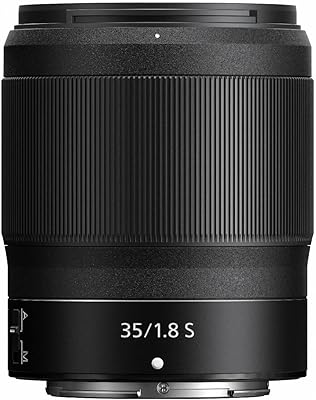
Nikon NIKKOR Z 35mm f/1.8 S Lens
86%
96%
Optical Sharpness
93%
Autofocus Performance
91%
Bokeh & Background Rendering
89%
Build Quality & Weather Sealing
92%
Low-Light Performance
More
Nikon NIKKOR Z 70-200mm f/2.8 S Telephoto Zoom Lens
84%
96%
Optical Sharpness
93%
Autofocus Performance
91%
Image Stabilization
94%
Build Quality
89%
AF Motor Noise
More
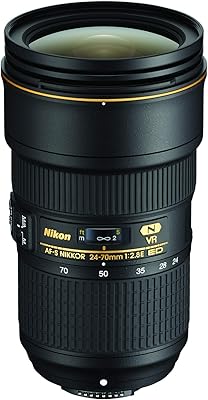
Nikon AF-S FX NIKKOR 24-70mm f/2.8E ED VR Lens
86%
94%
Image Quality
91%
Vibration Reduction (VR)
88%
Autofocus Performance
90%
Build Quality
86%
Ease of Use
More
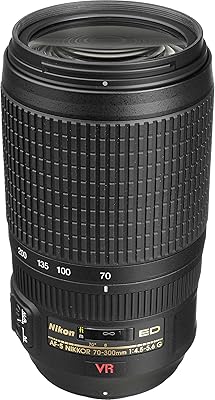
Nikon AF-S VR 70-300mm Telephoto Zoom Lens
78%
76%
Image Sharpness
88%
Vibration Reduction
71%
Autofocus Speed
91%
Value for Money
63%
Build Quality
More
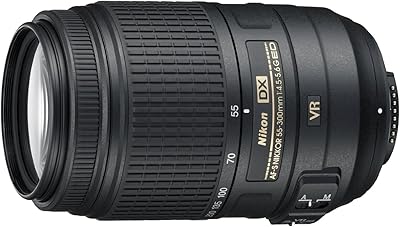
Nikon AF-S DX NIKKOR 55-300mm Zoom Lens
71%
78%
Image Sharpness
67%
Autofocus Performance
84%
Vibration Reduction
54%
Aperture Range
61%
Build Quality
More
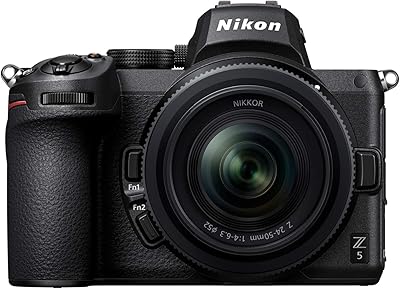
Nikon Z5 Full-Frame Mirrorless Camera
81%
92%
Image Quality
88%
Low-Light Performance
83%
Autofocus Performance
91%
In-Body Image Stabilization
86%
Build Quality & Ergonomics
More

FAQ

Physically, the NIKKOR Z 100-400mm will mount to an F-mount DSLR via the FTZ or FTZ II adapter, but the lens is fundamentally designed for Z-series mirrorless bodies. You will lose access to some of the smarter autofocus and stabilization features that make this lens stand out, so it is really only worth buying if you are shooting on a Z-mount body.

Yes, and this is genuinely one of the strongest use cases for this telephoto zoom. The dual STM motor system tracks erratic flight patterns well, and when paired with Z-body subject detection modes like animal AF, the combination is competitive with anything in its class. Most bird photographers report a high keeper rate even with fast, unpredictable subjects.

Handheld shooting is very practical with this lens, especially on full-frame Z bodies where the 5-axis stabilization really earns its keep. Many photographers use it handheld throughout full wildlife sessions. That said, at 400mm with slow shutter speeds or when using a teleconverter, a monopod or tripod will noticeably improve your keeper rate.

With the 1.4x teleconverter, autofocus performance remains strong and all focus points stay active. The 2x teleconverter is more of a trade-off — maximum aperture drops to f/11, which slows AF speed and can reduce tracking reliability in challenging conditions. It works, but you will want good light and a cooperative subject.

The effective focal range becomes 150–600mm equivalent, which is genuinely impressive for subjects like distant wildlife or birds. The trade-off is that DX bodies only utilize the 2-axis VR mode rather than the 5-axis system on full-frame cameras, so stabilization is a step down. The reach advantage, however, makes this a popular pairing among birders on a budget.

Yes, the lens is built with dust and moisture resistance throughout the barrel, making it suitable for shooting in light rain, dusty trails, or humid environments. It is not waterproof and should not be submerged, but field photographers regularly use it in real outdoor conditions without issues.

Third-party alternatives can offer comparable reach at a lower price, but they typically give up deep system integration — things like seamless animal detection AF, in-body stabilization coordination, and firmware updates that tune performance over time. For casual shooting, a third-party lens may be perfectly adequate; for serious wildlife or sports work, the native Z-mount performance difference tends to show up when conditions get difficult.

The zoom ring has enough resistance to stay put during most shooting scenarios, but there is no dedicated zoom lock mechanism on this lens. When carrying the lens pointed downward for an extended time — in a bag or on a strap — some zoom creep can occur. It is a minor annoyance rather than a serious issue, and a simple rubber zoom band can solve it if it bothers you.

It handles video quite well, particularly for documentary-style wildlife or sports footage. The near-silent STM autofocus is a genuine asset since motor noise does not bleed into on-camera audio. Focus breathing is also virtually nonexistent, which keeps zoom transitions clean. The variable aperture is something videographers should plan around when moving through different focal lengths.

The front element takes 77mm filters, which is a common size and easy to find. A circular polarizing filter works perfectly well on this lens for reducing glare off water or intensifying sky contrast in landscape and wildlife shots. Since the front element does not rotate during focusing, you can set your polarizer angle without it shifting when AF kicks in.

Where to Buy