ULANSeN Dual I226-V 2.5GbE PCIe Network Card

Overview
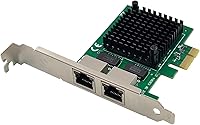
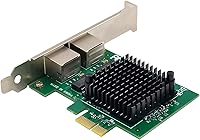
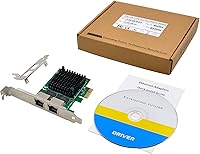
The ULANSeN Dual I226-V 2.5GbE PCIe Network Card is a dual-port wired NIC built for desktop users who have outgrown standard gigabit speeds but aren't ready to jump to a full 10GbE setup. It runs on Intel's I226-V chipset, the direct replacement for the I225-V — functionally identical, but with improved packet error rates and slightly lower power draw under load. A low-profile bracket ships in the box alongside the standard one, so it fits both full-tower and compact small form factor builds without any extra shopping. For a dual-port card at this price tier, the value proposition is hard to argue with.
Features & Benefits
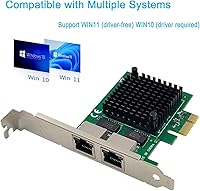
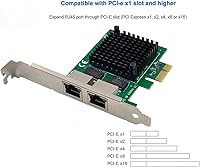
Each of the two RJ45 ports supports 2.5Gbps, 1Gbps, and 100Mbps speeds, so you're not locked into a single mode depending on your switch. The card fits any PCIe slot from x1 to x16, which removes most installation headaches. OS support is genuinely broad — Windows 10 and 11 work out of the box, and on the Linux side it covers Kernel 5.8 and 5.16.18, Ubuntu 22.04 LTS, FreeBSD 13.0, VMware ESXi 7 and 8, Proxmox VE, Unraid, and OpenWRT. PXE boot is supported too, which matters if you're pushing OS images over the network. The 180-day no-return-required warranty is a quiet reassurance rather than a headline feature, but it's good to have.
Best For
This Intel I226-V adapter is a natural fit for home lab builds running Proxmox, Unraid, or VMware — anywhere you need two independent fast interfaces on a single card, whether for separating management traffic from data traffic or setting up a basic two-port router. NAS operators who want a dedicated high-speed link for transfers alongside a separate management port will get real mileage here. Small form factor PC owners will appreciate that the low-profile bracket isn't an afterthought. And if you're a network admin who relies on PXE provisioning, having that capability on an affordable 2.5G card keeps your toolkit lean.
User Feedback
Across 86 ratings averaging 4.2 stars, the pattern is mostly positive with a few honest caveats. Windows users consistently describe plug-and-play installation with no manual driver hunting, and the Unraid and Proxmox communities have received it well, reporting stable throughput and clean integration. The rougher edges show up on older Linux kernels, where a handful of users had to track down a specific driver version to get things working properly — not a dealbreaker, but worth knowing before you install. A smaller number of reviewers noticed the card runs warm during sustained heavy transfers, though passive cooling seems to handle it adequately for most workloads. Solid overall, with a few edge cases to be aware of.
Pros
- Two independent 2.5Gbps ports on a single x1 PCIe card frees up additional slots for other hardware.
- Intel I226-V chipset brings improved packet error rates and lower power draw over the older I225-V.
- Windows 10 and 11 users report true plug-and-play installation with zero manual driver steps.
- Fits Proxmox VE, Unraid, VMware ESXi 7 and 8, OpenWRT, and FreeBSD out of the box.
- Both standard and low-profile brackets are included, covering full-size and compact chassis builds.
- PXE boot support makes network-based OS provisioning straightforward without extra hardware.
- Works in any PCIe slot from x1 to x16, giving broad motherboard compatibility.
- Passive operation means no fan noise added to your system under typical workloads.
- The 180-day no-return-required refund policy is a practical safety net for a lesser-known brand.
- Dual-port design enables clean traffic separation between management and data networks in home lab setups.
Cons
- Older Linux kernels below 5.8 may require manual driver sourcing, which catches some users off guard.
- No published power consumption figures make precise power-budget planning harder than it should be.
- Passive cooling can struggle during prolonged, high-throughput transfers in enclosed or warm cases.
- The 180-day warranty period is noticeably shorter than what established NIC brands typically offer.
- Users on certain motherboard and chipset combinations report needing BIOS or driver updates before the card stabilizes.
- Port labeling is minimal, making cable identification awkward in dense wiring environments.
- No guarantee of compatibility outside the officially listed OS versions, leaving edge-case platforms unsupported.
- PXE boot behavior varies by UEFI firmware implementation and may need legacy boot adjustments on some boards.
- Customer support quality for complex technical issues appears inconsistent based on available buyer feedback.
Ratings
The ULANSeN Dual I226-V 2.5GbE PCIe Network Card has been evaluated using AI-driven analysis of verified global buyer reviews, with spam, bot-generated, and incentivized feedback actively filtered out to ensure the scores reflect genuine user experiences. Ratings span everything from installation ease to thermal behavior under sustained load, giving you a transparent, warts-and-all picture of how this dual-port NIC performs in the real world. Both the standout strengths and the recurring friction points are honestly represented in every score below.
Chipset Reliability
Installation Ease
OS & Platform Compatibility
Thermal Performance
Value for Money
Build Quality
Driver Stability
PXE Boot Functionality
Physical Form Factor
Link Speed Consistency
Power Consumption
Warranty & Support
Multi-Port Utility
Suitable for:
The ULANSeN Dual I226-V 2.5GbE PCIe Network Card is purpose-built for a specific and growing category of desktop user: the home lab operator, self-hosted NAS builder, or small office IT enthusiast who needs more than a single gigabit connection without stepping into expensive 10GbE territory. If you're running Proxmox, Unraid, or VMware ESXi and want to dedicate one port to management traffic while the other handles VM or storage data, this dual-port setup makes that architecture straightforward and affordable on a single PCIe x1 slot. NAS users who want to push file transfers well beyond the 1Gbps ceiling will feel the difference immediately when paired with a 2.5G-capable switch. Small form factor build owners will appreciate that the low-profile bracket is already in the box, removing an annoying sourcing problem that often comes with compact chassis upgrades. Network admins who rely on PXE boot for OS provisioning will also find this card fits naturally into existing deployment workflows without extra configuration overhead.
Not suitable for:
If you only need a single faster-than-gigabit port and have no plans to use the second one, the ULANSeN Dual I226-V 2.5GbE PCIe Network Card may not be the most cost-efficient choice compared to budget single-port 2.5G alternatives. Users running Linux kernel versions older than 5.8 should proceed with caution — the card is not guaranteed to work out of the box and may require manual driver compilation, which is a real barrier for anyone who isn't comfortable working at the command line. If your build runs inside a small, poorly ventilated enclosure and you plan to push sustained high-throughput transfers for hours at a time, the lack of active cooling could become a legitimate concern worth factoring in. This is also not an enterprise-grade NIC — buyers who need multi-year warranties, dedicated technical support contracts, or certified compatibility with mission-critical infrastructure should look at established networking vendors instead. Finally, if your existing switch or router only supports standard gigabit, buying this card delivers no real-world speed benefit until the rest of your network equipment catches up.
Specifications
- Chipset: The card uses the Intel I226-V controller, the direct successor to the discontinued I225-V, offering improved packet error rates and lower active power consumption while maintaining identical functionality.
- Ports: Two RJ45 Ethernet ports are provided, each independently capable of operating at 2500, 1000, or 100 Mbps depending on the connected network equipment.
- PCIe Interface: The card uses a PCIe 3.1 x1 electrical interface and is physically compatible with x1, x2, x4, x8, and x16 slots found on standard desktop motherboards.
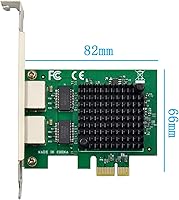
- Dimensions: The card measures 3.46″ long by 2.6″ wide by 0.78″ tall, making it a compact addition to most desktop builds.
- Weight: The card weighs 61 grams (approximately 2.15 oz), which is typical for a half-height single-slot PCIe NIC of this type.
- Brackets Included: Both a standard full-height bracket and a low-profile bracket are included in the box, covering compatibility with full-size ATX and compact small form factor desktop chassis.
- OS Support: Officially supported operating systems include Windows 10 and 11, Linux Kernel 5.8 and 5.16.18, Ubuntu 22.04 LTS, FreeBSD 13.0, VMware ESXi 7.0 and 8.0, Proxmox VE, Unraid, and OpenWRT.
- Ethernet Standards: The card complies with IEEE 802.3, 802.3u, 802.3ab, 802.3bz, and 802.3az standards, covering 10BASE-TE, 100BASE-TX, 1000BASE-T, and 2500BASE-T operation.
- PXE Boot: Network boot via PXE is supported, enabling automated OS provisioning and remote deployment workflows in home lab and small IT environments.
- DPDK Support: The card is compatible with DPDK versions 20.05 and 22.07, which is relevant for users building high-performance packet processing or software-defined networking applications.
- Cooling: The card relies entirely on passive cooling with no onboard fan, which keeps the system silent but places limits on sustained thermal performance under heavy continuous load.
- Data Transfer Rate: Maximum rated throughput per port is 2.5 Gigabits per second when connected to a 2.5GBase-T compatible switch or router using Cat5e or better cabling.
- Warranty: The manufacturer provides a 180-day warranty with a no-return-required refund policy, meaning defective units can be replaced or refunded without shipping the card back.
- Brand: This card is sold under the ULANSeN brand and manufactured by ULANSON, a hardware vendor specializing in PCIe networking and storage expansion cards.
- Model Identifier: The product is listed under the model number Dual I225, which reflects its original chipset designation before the I226-V became the shipping variant.
Related Reviews
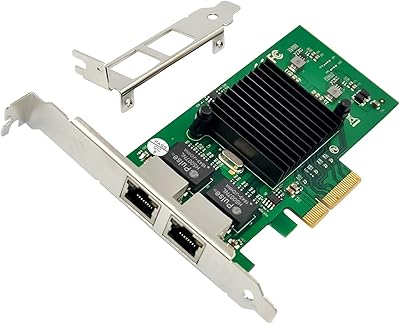
ULANSeN Intel 82576 Dual-Port Gigabit Network Card
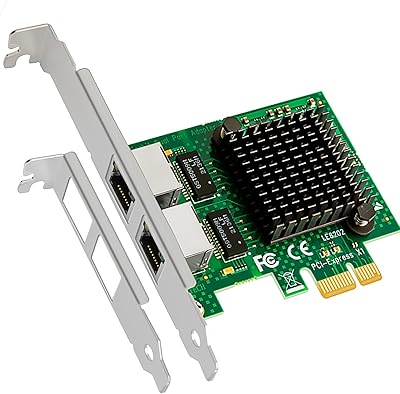
GLOTRENDS LE8202 2-Port Gigabit PCIe Network Card
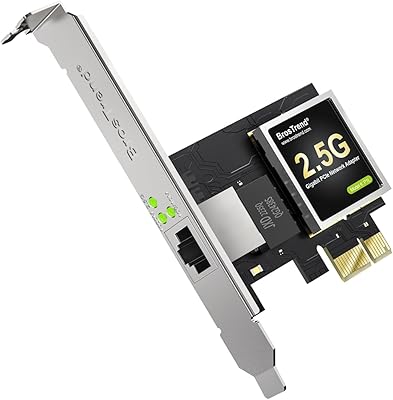
BrosTrend 2.5G Linux PCIe Network Card
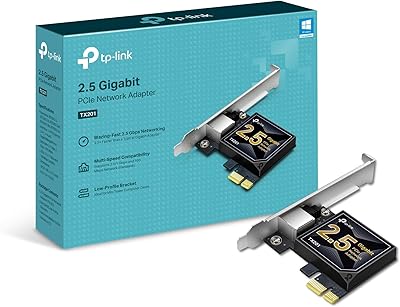
TP-Link TX201 2.5G PCIe Network Card
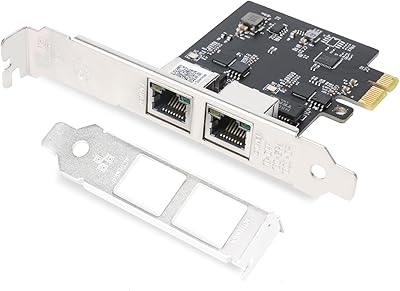
QINIYEK RTL8125B Dual-Port 2.5G PCIe NIC
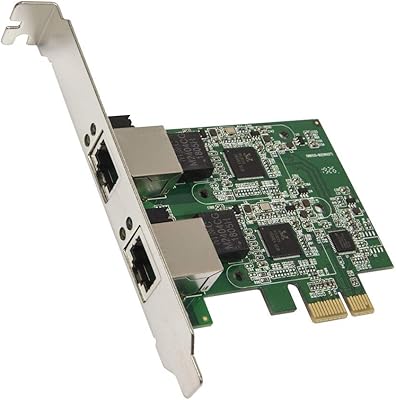
Syba SD-PEX24066 Dual 2.5GbE PCIe Adapter
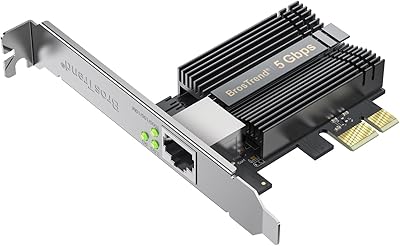
BrosTrend 5Gbps PCIe Network Card
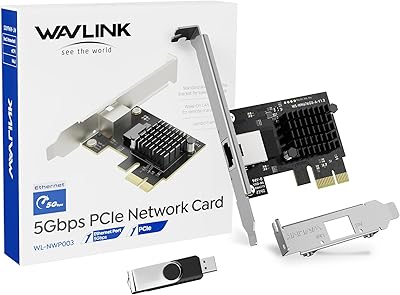
WAVLINK RTL8126 5Gbps PCIe Network Card
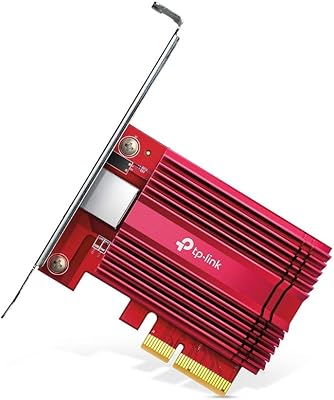
TP-Link TX401 10GbE PCIe Network Card