TNP Products AMP_A1343 Headphone Amplifier
TNP Products AMP_A1343 Headphone Amplifier — image 1

TNP Products AMP_A1343 Headphone Amplifier — image 2
TNP Products AMP_A1343 Headphone Amplifier — image 3
TNP Products AMP_A1343 Headphone Amplifier — image 4
TNP Products AMP_A1343 Headphone Amplifier — image 5
TNP Products AMP_A1343 Headphone Amplifier — image 6

TNP Products AMP_A1343 Headphone Amplifier — image 7

TNP Products AMP_A1343 Headphone Amplifier — image 8
TNP Products AMP_A1343 Headphone Amplifier — image 9
77%
23%

Overview

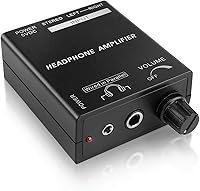
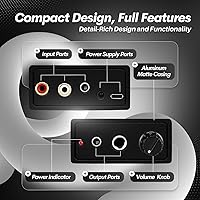
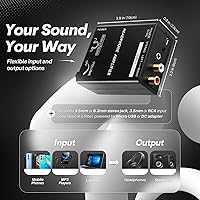
The TNP Products AMP_A1343 Headphone Amplifier is a compact desktop unit that sits comfortably in the space between bargain-bin audio gear and proper entry-level audiophile equipment. It has been on the market since 2017 and continues to sell steadily — which says something real about its staying power in a crowded niche. The flexibility stands out immediately: it accepts either a 3.5mm stereo or RCA input and pushes audio out through both a 3.5mm and 6.3mm jack. Powered by Micro-USB at 5V, you can run it from a laptop port or a phone charger, which keeps the setup refreshingly simple.

Features & Benefits

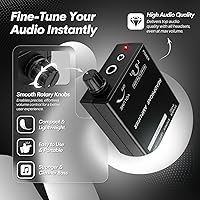
The analog volume knob is one of those details that immediately distinguishes this headphone amp from cheaper alternatives that rely on digital or stepped controls — it turns smoothly and gives you precise, predictable adjustment. You get both a 3.5mm and 6.3mm output jack, so you can pick whichever suits your headphones without any adapter hassle. The RCA input is a genuine bonus: it brings turntables, CD players, and other legacy sources into the headphone world without needing a full receiver. Worth noting — only one input can be connected at a time. An LED power indicator keeps things clear, and at under three ounces the whole unit barely registers on a desk.

Best For

This desktop amplifier makes the most sense for people who already own decent headphones but feel their phone, laptop, or tablet is holding them back volume-wise. It is especially practical for high-impedance headphones that passive sources simply cannot drive well. Educators running choir practice or museum audio tours will find it useful too — the dual output jacks mean two listeners can share a source without a separate splitter. If you own a turntable and want to connect it directly to headphones, this is one of the more straightforward solutions at this price point. Beginners will appreciate how little configuration is involved.

User Feedback

Across several hundred ratings, the TNP amp holds a 4.3-star average — a solid result for budget audio gear where expectations vary widely. The most consistent praise centers on noticeable volume gains compared to plugging directly into a phone or PC, and many buyers highlight how effortless the initial setup is. On the flip side, owners of very sensitive in-ear monitors occasionally report a faint hiss at low volumes, pointing to a modest noise floor. The plastic enclosure also draws honest commentary — it feels functional rather than premium, which is fair at this price. It is an amplifier only, not a DAC, so your source quality still matters.

Pros

  • RCA input support makes it genuinely useful with turntables, CD players, and legacy stereo gear.
  • Both 3.5mm and 6.3mm output jacks are included, removing the need for headphone adapters.
  • USB power means any laptop port or phone charger keeps it running — no dedicated outlet needed.
  • The analog volume knob turns smoothly and gives precise, satisfying control over listening levels.
  • Setup takes under two minutes with no drivers, apps, or menus involved.
  • At under three ounces, this headphone amp is light enough to move between workspaces without hassle.
  • Over-ear headphone users consistently report a clear, noticeable improvement in volume and dynamics.
  • The LED indicator is a small but useful touch for multi-device desk setups.
  • Has maintained a 4.3-star average across hundreds of real-world ratings since 2017.
  • Educators and institutional users praise its reliability in shared, high-turnover listening environments.

Cons

  • Sensitive in-ear monitor users will likely hear an audible hiss, especially during quiet passages.
  • Only one input can be active at a time — switching sources requires physically swapping cables.
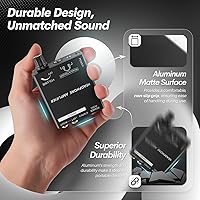
  • The plastic enclosure shows scuffs and wear with regular handling over time.
  • Output power tops out at 100 milliwatts, which may not fully drive demanding high-impedance headphones.
  • No battery is included, so true portable use still requires an external power source.
  • The volume knob can feel imprecise at the very top of its range for some users.
  • No input selector switch means the single-input limitation becomes a daily inconvenience for multi-source setups.
  • Long-term users report the volume knob can develop a scratchy feel after extended daily use.

Ratings

The scores below were generated by AI after systematically analyzing verified buyer reviews for the TNP Products AMP_A1343 Headphone Amplifier from global sources, with spam, incentivized, and bot-flagged submissions actively filtered out. Each category reflects what real users praised and where they ran into genuine frustrations — nothing is glossed over. Whether this desktop amplifier fits your setup or falls short depends on a few key factors, and the breakdown below makes those trade-offs transparent.

Value for Money
88%
For buyers stepping into headphone amplification for the first time, the price-to-functionality ratio here is hard to argue with. You get RCA input, dual output jacks, and a proper analog volume knob — features that typically cost more elsewhere. Most users feel they got more than they expected at this tier.
Seasoned audio enthusiasts may find the overall performance ceiling limiting if they already own high-end gear. A few buyers noted they eventually outgrew it and wished they had invested slightly more upfront for a longer-term solution.
Audio Performance
71%
29%
Users with mid-range, higher-impedance headphones report a clear and satisfying volume boost compared to plugging directly into a phone or laptop. Dynamics feel more controlled and the listening experience at moderate volumes is noticeably more engaging for casual home use.
The improvement is heavily dependent on the headphones being driven. Owners of sensitive in-ear monitors sometimes pick up a faint background hiss, particularly at lower volume settings. This is an amplifier only — there is no DAC stage, so source quality still matters a great deal.
Build Quality
66%
34%
The enclosure feels solid enough for desktop use and the analog knob has a satisfying, smooth action that does not feel flimsy. At under three ounces it sits light on a desk, and the overall construction holds up well under everyday handling.
There is no mistaking the plastic chassis for premium metal — it looks and feels budget-appropriate. A few buyers mentioned that the casing shows scuffs and marks after extended use, and the overall aesthetic does not inspire confidence the way an aluminum-bodied unit might.
Ease of Setup
94%
Almost universally praised for how little effort setup demands. Connect your source to the input, plug in a USB cable for power, attach your headphones, and you are done — no drivers, no configuration menus, no app pairing. Users in education and museum environments specifically appreciate this simplicity.
There is almost nothing to complain about here, though a small number of buyers expected more documentation in the box. The instruction sheet is minimal, which caused brief confusion for a handful of first-time amp users around the single-input-at-a-time limitation.
Input Flexibility
83%
Having both a 3.5mm stereo input and RCA inputs makes this headphone amp genuinely useful across a wider range of sources than most competitors at this price. Turntable users and anyone with a CD player or legacy stereo component praised this capability specifically.
Only one input can be active at a time, and there is no switch to toggle between them — you physically swap cables. For users who wanted to keep a turntable and a phone connected simultaneously, this is a genuine inconvenience worth knowing before buying.
Output Flexibility
81%
19%
The combination of 3.5mm and 6.3mm output jacks means you can connect standard consumer earbuds or full-size studio headphones without hunting for adapters. This is a practical detail that regular users mention positively, especially those switching between headphone types throughout the day.
Both outputs appear to be active simultaneously, which is useful for sharing but means there is no dedicated switching mechanism. Signal splitting across two outputs may slightly affect output level, though most users did not flag this as a serious concern in practice.
Volume Control
86%
The analog rotary knob earns consistent praise for its smooth feel and the level of precision it offers at low-to-mid volume settings. Users who prefer tactile physical controls over digital stepping or app-based volume management find it genuinely satisfying to use daily.
At the very top of its range, a small number of users found the knob slightly imprecise — minor turns producing bigger jumps in loudness than expected. This is a minor issue for most listeners but worth noting for those who habitually listen at near-maximum volume.
Noise Floor
58%
42%
For over-ear and on-ear headphones with moderate sensitivity, the background noise level is low enough that most users never notice or mention it. The listening experience for this headphone category is clean and interference-free in typical home or studio environments.
Users with sensitive in-ear monitors — particularly those with impedances below 32 ohms — report an audible hiss that becomes apparent during quiet passages or between tracks. This is a real limitation and a legitimate dealbreaker for IEM-focused listeners who want a quiet noise floor.
Portability
72%
28%
At under three ounces and roughly the footprint of a small paperback, this desktop amplifier is easy to tuck into a bag for commuting between workspaces. The USB power requirement means any phone charger or laptop port keeps it running without a dedicated power brick.
It is not purpose-built for on-the-go use — there is no battery and no case included. Moving it frequently means managing a small bundle of cables, and the plastic build does not inspire much confidence when packed alongside other items in a bag.
Compatibility
82%
18%
Works with a broad range of headphone types and sources out of the box, which aligns with what most buyers at this level actually own. Choir directors and educators in particular valued how reliably it connects to audio playback equipment in classroom and institutional settings.
High-impedance headphones above 250 ohms may not reach their full potential with 100 milliwatts of output power on tap. Users expecting to drive demanding audiophile-grade cans to reference listening levels may find the unit runs out of headroom sooner than expected.
Power Delivery
74%
26%
USB 5V power is universally available — whether from a laptop, a wall adapter, or a portable battery pack — which makes powering this amp in varied environments genuinely effortless. The included DC adapter adds flexibility for users who prefer a stable wall-powered connection.
The 100 milliwatt output ceiling is modest by amplifier standards. It handles typical consumer and prosumer headphones well, but falls short for anyone planning to use it as a primary amp for power-hungry studio monitoring headphones over extended critical listening sessions.
LED Indicator
79%
21%
A minor detail but a consistently appreciated one. The LED power indicator makes it immediately obvious whether the unit is on, which matters in multi-device desk setups where it is easy to forget a device is running. Several users mentioned it prevents leaving the amp powered unnecessarily.
The LED has no brightness adjustment, and a handful of users in dark rooms found it slightly distracting during nighttime listening. It is a cosmetic annoyance rather than a functional problem, but worth mentioning for anyone with a light-sensitive desk environment.
Longevity & Reliability
69%
31%
The product has been on sale since 2017 and continues to attract consistent reviews, which suggests the unit does not fail outright for most buyers. Several long-term owners mention using it daily for years without hardware issues, which is reassuring at this price.
A small but notable minority of buyers reported the volume knob developing a scratchy or intermittent feel after extended use. The plastic housing also shows wear over time. Long-term durability is acceptable rather than impressive — manage expectations accordingly.

Suitable for:

The TNP Products AMP_A1343 Headphone Amplifier is a strong fit for casual home listeners who feel their phone, laptop, or tablet simply does not push their headphones hard enough. If you own a pair of over-ear or on-ear headphones — particularly passive, higher-impedance models — and you have noticed they sound flat or quiet when driven by a portable device, this desktop amplifier addresses that problem directly and without any complicated setup. It is equally well-suited to anyone bridging legacy audio equipment to modern headphones: turntable owners, CD player enthusiasts, or anyone with an RCA-output stereo component who wants to listen privately without buying a full receiver. Music educators, choir directors, and institutional users running shared listening stations will also find it practical, since the dual output jacks and dead-simple power-on operation make it easy to deploy in classroom or guided-tour environments. First-time amp buyers will appreciate that there is virtually no learning curve here.

Not suitable for:

The TNP Products AMP_A1343 Headphone Amplifier is not the right tool if your primary headphones are sensitive in-ear monitors with low impedance — the noise floor is audible enough at quiet listening levels to be genuinely irritating, and no amount of adjustment fixes that. Serious audiophiles or anyone driving demanding, high-impedance studio cans to reference-level volumes will likely find the 100 milliwatt output ceiling limiting sooner than expected. It is also worth being clear that this is a pure amplifier with no digital-to-analog conversion stage, so if your source is poor quality, this unit will not fix it — it will just make it louder. Buyers who need to keep two sources connected simultaneously will find the single-active-input design frustrating, since switching sources means physically swapping cables rather than toggling a switch. Anyone expecting a premium build with a metal chassis or long-term durability comparable to dedicated audio hardware should look at a higher budget bracket.

Specifications

  • Brand: Manufactured and sold by TNP Products, a consumer electronics brand based in the United States.
  • Model Number: The unit is identified by model number AMP_A1343.
  • Dimensions: The amplifier measures 5.9 x 4.5 x 2.1 inches (L x W x H), making it compact enough for a crowded desk.
  • Weight: At 2.47 ounces, this headphone amp is light enough to move easily between workspaces without any hassle.
  • Input Options: Accepts either a stereo 3.5mm jack or a stereo RCA input — only one source can be connected and active at a time.
  • Output Options: Provides both a 3.5mm stereo headphone jack and a 6.3mm stereo headphone jack for simultaneous or individual use.
  • Output Power: Delivers up to 100 milliwatts of output power, suitable for driving most consumer and prosumer headphone types.
  • Channels: Operates as a 2-channel stereo amplifier with no mono or summing mode.
  • Power Supply: Powered via Micro-USB at 5V DC; a DC adapter is included in the box as an alternative power source.
  • Voltage: Requires a stable 5V DC input and is rated for a maximum supply voltage of 5 volts.
  • Volume Control: Features a smooth analog rotary knob for continuous volume adjustment without stepped or digital increments.
  • Power Indicator: An LED indicator light illuminates when the unit is powered on, providing a clear and immediate visual status cue.
  • Enclosure Material: The chassis and shell are constructed from plastic, offering a lightweight and functional build rather than a premium metal finish.
  • Mounting Type: Designed for surface mount use, intended to sit flat on a desk, shelf, or other flat surface during operation.
  • Compatibility: Compatible with a wide range of over-ear, on-ear, and in-ear headphone types, as well as standard earphones.
  • Use Environments: Suitable for home listening, home studios, music education, choir practice, museums, and commercial sound setups.
  • First Available: The product was first listed for sale on October 18, 2017, and remains actively available as of the current date.
  • Sales Rank: Holds a Best Sellers Rank of #56 in the Headphone Amps category on Amazon at the time of this review.

Related Reviews
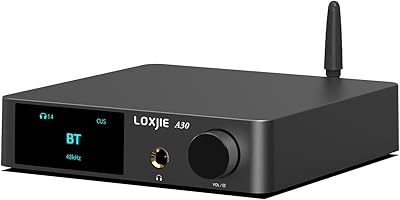
LOXJIE A30
LOXJIE A30
79%
86%
Sound Quality
82%
Build Quality
91%
Value for Money
89%
Input Versatility
63%
Bluetooth Performance
More
Riworal P2 Portable Headphone Amplifier
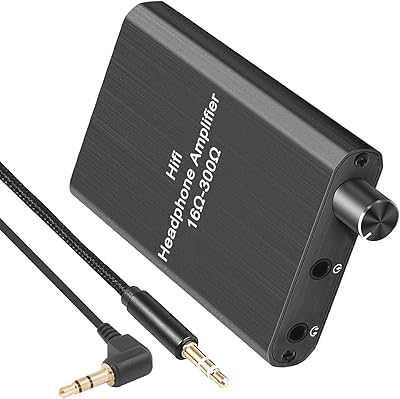
73%
74%
Build Quality
83%
Value for Money
68%
Audio Quality
88%
Input Connectivity
71%
Battery Life
More
Fifine N6 4-Channel Headphone Amplifier
77%
88%
Audio Signal Clarity
93%
Individual Volume Control
76%
Build Quality
91%
Value for Money
84%
Ease of Setup
More
Donner EM2 Headphone Amplifier
85%
91%
Audio Performance
89%
Portability
92%
Battery Life
87%
Build Quality
85%
Connectivity (Inputs/Outputs)
More
Questyle M15i
Questyle M15i
82%
93%
Sound Quality
91%
DAC Performance
88%
Build Quality
92%
Balanced Output (4.4mm)
79%
Device Compatibility
More
LiNKFOR MA400 Headphone Amplifier
85%
88%
Sound Quality
91%
Portability and Weight
84%
Ease of Use
86%
Volume Control Flexibility
80%
Build Quality
More
Oneme Portable Headphone Amplifier
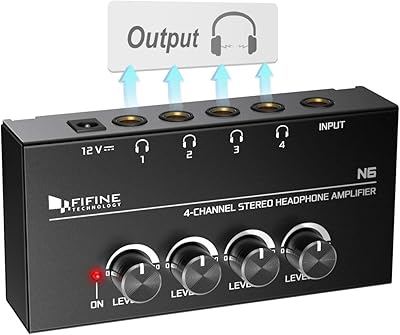
85%
88%
Sound Quality
93%
Battery Life
91%
Portability & Weight
85%
Build Quality
87%
Ease of Use
More
Douk Audio U3 Headphone Amplifier
89%
94%
Sound Clarity
91%
Frequency Response Accuracy
89%
Output Power
86%
Build Quality
90%
Ease of Setup
More
YGiTK ZP-THP60 Portable Headphone Amplifier
72%
78%
Sound Improvement Over Phone Output
72%
Bass Boost Performance
81%
Build Quality
83%
Portability & Form Factor
76%
Battery Life
More
YGiTK KTYDAC152 4-Channel Headphone Amplifier
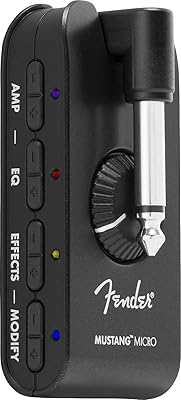
82%
91%
Value for Money
93%
Ease of Setup
94%
Per-Channel Volume Control
88%
Input Flexibility & Mixing
77%
Build Quality
More

FAQ

For most over-ear and on-ear headphones — especially higher-impedance passive models — the volume improvement over a phone or laptop headphone jack is noticeable and real. That said, the degree of improvement depends a lot on the headphones you are using. Sensitive earbuds may not show as dramatic a difference as a pair of 150-ohm studio cans would.

Yes, and this is actually one of the most popular use cases buyers mention. If your turntable has a built-in phono preamp and RCA outputs, you can connect those RCA cables directly to this desktop amplifier and listen through any standard headphones. If your turntable does not have a built-in preamp, you will need a separate phono stage between the turntable and this amp.

This is a pure amplifier — it has no digital-to-analog conversion capabilities. If your source is a phone, laptop, or any analog output, it will amplify that signal. But if you are hoping to process digital audio or improve the DAC quality of your source device, you would need a separate DAC for that.

Technically you can have cables in both input ports, but only one should be actively playing at a time. There is no input selector switch, so to switch sources you need to either mute one device or physically unplug the cable you are not using. It is a minor inconvenience but worth knowing before you buy.

This is something to be aware of if you use very sensitive IEMs. A number of buyers with low-impedance, high-sensitivity in-ear monitors have reported an audible hiss or background noise at low volume settings. If IEMs are your primary headphone type, you may want to look at an amp with a lower noise floor specifically designed for sensitive earphones.

It runs off standard Micro-USB 5V power, so a phone charger, laptop USB port, or USB hub will all work. A DC adapter is also included in the box if you prefer a dedicated wall connection. Most buyers find the USB option more than adequate for desk use.

Yes, both output jack sizes are built in. You can plug a standard 3.5mm consumer headphone directly in, or use the 6.3mm jack for larger studio-style headphones without needing an adapter. Both jacks appear to be active at the same time, which is useful for shared listening situations.

The enclosure is solid plastic — not metal — so it is functional and lightweight rather than premium in feel. For everyday desk use it holds up well, and many buyers have used it for years without hardware failures. The main thing to watch over time is the volume knob, which a small number of long-term users report can develop a slightly scratchy feel with heavy daily use.

It can drive them, but how well depends on how loud you like to listen. At 100 milliwatts of output, this headphone amp handles most consumer and prosumer headphones comfortably, but demanding 250-ohm or 300-ohm studio monitors may not reach their full potential at reference listening levels. For casual home use it is usually fine; for critical monitoring sessions you may want a more powerful unit.

Setup is genuinely as simple as it sounds. Connect your source to the input, plug in a USB cable for power, attach your headphones to whichever output jack fits, and you are ready. There are no drivers to install, no apps to configure, and no pairing steps. Most users are up and running within a couple of minutes of opening the box.