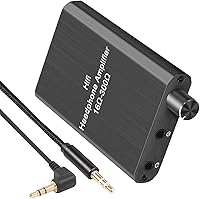
Oneme Portable Headphone Amplifier
Oneme Portable Headphone Amplifier — image 1
Oneme Portable Headphone Amplifier — image 2
Oneme Portable Headphone Amplifier — image 3
Oneme Portable Headphone Amplifier — image 4
Oneme Portable Headphone Amplifier — image 5
Oneme Portable Headphone Amplifier — image 6
72%
28%

Overview

The Oneme Portable Headphone Amplifier enters a crowded budget segment with a straightforward pitch: give your existing headphones more power without spending much. Oneme isn't a household audio name, and that's worth acknowledging upfront — you're trading brand recognition for affordability. What you get is a genuinely compact unit that slips into a jacket pocket without fuss, making it practical for commutes, desk setups, or travel. A dual 3.5mm output is a quietly useful touch, letting two people listen from the same source simultaneously — something most rivals at this price point skip entirely.

Features & Benefits

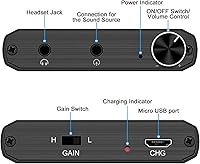
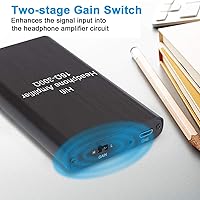
This pocket amp covers the basics well and adds a couple of genuinely practical controls. A high/low gain switch means you can dial in the right amplification level depending on whether your headphones are sensitive in-ears or power-hungry over-ears. The bass boost toggle adds a noticeable low-end lift — useful for bass-heavy listening sessions, though it's not a subtle effect, so some may leave it off. Battery life is rated beyond 15 hours, which holds up reasonably well in everyday use. At just over three ounces and thinner than most wallets, the form factor genuinely earns the word portable.

Best For

This little amplifier makes the most sense for people who already own capable headphones but can't get enough volume or clarity from a phone or laptop jack. Think older Sennheiser HD models, Beyerdynamic DT series, or Sony cans in the 80 to 250 ohm range — headphones that technically work on a standard output but never quite reach their potential. It's also a solid pick for first-time amp buyers who want to experiment before committing to something more serious. Students or remote workers sharing audio with a colleague will appreciate the dual output, a rarer find at this price point.

User Feedback

Buyers generally confirm that the Oneme amp delivers a real, audible improvement with demanding headphones — the volume jump is the most consistently praised aspect. On the downside, the plastic build quality draws frequent criticism; it feels lightweight in a way that raises durability questions compared to pricier rivals. The bass boost gets mixed reactions — some find it punchy and enjoyable, others describe it as muddy. The restriction against use while charging is occasionally flagged as inconvenient, though most users simply charge overnight and rarely encounter the limitation. Battery life reports largely align with the rated figure.

Pros

  • Delivers a noticeable, real-world volume improvement with mid-to-high impedance headphones.
  • Dual 3.5mm outputs let two people share audio simultaneously — a rare feature at this price.
  • High and low gain modes give users meaningful control over amplification levels.
  • Slim profile and light weight make this pocket amp genuinely easy to carry anywhere.
  • Battery life holds up well through long listening sessions without constant recharging.
  • Works with a wide impedance range, covering most consumer and prosumer headphones.
  • The bass boost adds satisfying low-end punch for genres that benefit from extra weight.
  • Simple AUX input means it pairs with virtually any audio source out of the box.
  • Competitive entry price makes experimenting with amplification a low-stakes decision.

Cons

  • Plastic casing feels cheap and raises legitimate questions about long-term durability.
  • Cannot be used while charging, which is inconvenient if you forget to top it up beforehand.
  • The bass boost can sound muddy or overcooked depending on your headphones and music.
  • Oneme is an obscure brand with limited customer support resources or warranty reputation.
  • Sensitive in-ear monitors may pick up background hiss, making this better suited to full-size headphones.
  • No built-in DAC means it won't fix poor source audio quality — it only amplifies what's already there.
  • The gain switch has no intermediate setting, so fine-tuning between high and low isn't possible.
  • No volume indicator or display makes it easy to accidentally set output too high for sensitive gear.

Ratings

The scores below reflect our AI-driven analysis of verified global user reviews for the Oneme Portable Headphone Amplifier, with spam, incentivized submissions, and bot activity actively filtered out before scoring. Each category is weighted against real-world usage patterns across commuters, home listeners, and first-time amp buyers. Both the genuine strengths and recurring frustrations are reflected transparently — nothing is softened to flatter the product.

Value for Money
83%
For buyers who simply want more volume and presence from their mid-impedance headphones without spending serious money, this little amplifier punches above its weight class. The dual output and gain switching are features you'd typically pay significantly more to get elsewhere, and most buyers feel they got a fair return on what they spent.
A small but vocal group of users feel the build quality undermines the value proposition — when plastic creaks or buttons feel wobbly after a few weeks, the initial savings start to feel less convincing. Those who expected near-premium performance at a budget price consistently report disappointment.
Sound Improvement
77%
23%
Users driving Beyerdynamic DT or older Sennheiser HD headphones from a phone jack report the jump in volume and clarity is immediately obvious — not a subtle placebo effect. For headphones in the 80 to 250 ohm range, the Oneme amp gives them room to breathe in a way that basic device outputs simply cannot.
The improvement is highly dependent on your source and headphones. Listeners using already-efficient cans or those expecting a near-audiophile upgrade report minimal real-world gains, and a few noted that background hiss became more noticeable at high gain settings.
Portability
88%
The slim profile and sub-four-ounce weight are genuinely appreciated by commuters who want to add an amp to their bag without noticing it's there. Several users specifically mentioned it fitting comfortably in a jeans pocket alongside their phone, which isn't something you can say about most amps in any category.
The lightweight feel is a double-edged quality — while easy to carry, the thin plastic shell doesn't inspire confidence when tossed loose into a bag. A few buyers reported minor cosmetic damage after a couple of months of daily commuting use.
Build Quality
51%
49%
The form factor itself is well-conceived — the buttons are positioned logically and the unit sits flat without wobbling. For light desk use or occasional travel, many buyers report no functional issues even after months of ownership.
This is the most consistently criticized aspect across user reviews. The plastic casing feels noticeably cheap, the gain switch has a loose, imprecise action on some units, and multiple users flagged concerns about long-term durability with regular handling. At this price tier it's expected, but it's hard to ignore.
Battery Life
79%
21%
Real-world reports largely align with the rated figure, with most users getting through a full workday and evening listening session on a single charge. Commuters who charge overnight and listen during transit consistently report not needing to top up mid-week.
A minority of users report noticeably shorter life than advertised, particularly at high gain settings with power-hungry headphones. The restriction against using it while charging means a dead battery at the wrong moment leaves you without a workaround.
Gain Control
72%
28%
Having a dedicated high/low gain switch is a meaningful inclusion at this price — it lets users avoid the distortion or hiss that comes from running sensitive headphones at excessive amplification. Buyers using the low gain setting with easier-to-drive cans report a noticeably cleaner listening experience.
The binary nature of the switch — just two settings with no middle ground — frustrates users whose headphones sit in an awkward sensitivity range where low feels insufficient and high introduces audible noise. A finer volume pot would solve this, but it's absent.
Bass Boost
63%
37%
For bass-heavy genres like hip-hop or electronic music, users who engage the boost describe a satisfying increase in low-end weight that makes the listening experience feel more enveloping. It's a feature genuinely appreciated by casual listeners who prioritize impact over accuracy.
Audiophile-leaning users and those listening to vocals, acoustic, or classical music frequently describe the bass boost as heavy-handed and muddy. The two-level toggle doesn't offer enough nuance, and on some headphones the boost bleeds into the midrange in a way that degrades overall clarity.
Dual Output Utility
81%
19%
Buyers who specifically needed to share audio with a partner — on a flight, at a desk, or during study sessions — consistently flag the dual output as the deciding reason they chose this amp over competitors. It's a practical differentiator that most single-output budget amps simply don't offer.
Some users noted that running both outputs simultaneously results in a marginal volume drop, which is expected behavior but wasn't clearly communicated in the product listing. Those who only ever use one headphone at a time get no added benefit from the feature.
Compatibility
84%
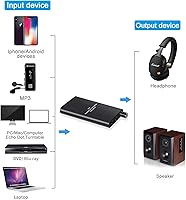
The universal 3.5mm AUX input means this pocket amp plays nicely with phones, laptops, tablets, DAPs, and even older CD players or portable radios without any adapters or configuration. Buyers consistently report a plug-and-play experience with no driver installation or pairing required.
Users with newer phones that lack a headphone jack need a DAC adapter before they can even connect to this amp, adding a potential extra cost and a weak point in the signal chain. The analog-only design also means it won't help anyone whose primary issue is digital source quality rather than output power.
Noise Floor
58%
42%
With full-size over-ear headphones at moderate impedance, the background noise level is low enough that most casual listeners won't notice it during regular music playback. The low gain setting helps keep the noise floor manageable for headphones that don't need maximum amplification.
Users pairing the Oneme amp with sensitive in-ear monitors, particularly on the high gain setting, frequently report audible hiss during quiet passages. This is a known limitation of budget amplifier designs and makes this amp a poor match for IEM users who prioritize a dead-silent background.
Ease of Use
91%
Setup is as simple as connecting an audio cable from your device and plugging in your headphones — there are no apps, menus, or pairing sequences. First-time amp users frequently mention that the straightforward physical controls made the whole experience feel approachable rather than intimidating.
The lack of any status display means you can't easily tell the battery level without running it down, and there's no indicator for which gain or boost setting is active in the dark. Minor usability issues, but worth noting for buyers who value clear feedback from their devices.
Charging Experience
61%
39%
The lithium battery charges via a standard cable, and for users who build charging into a daily routine the process is painless — most find it fully topped up well before they need it again. The charge cycle frequency is low enough that the restriction against simultaneous use rarely becomes a practical issue.
The explicit manufacturer warning against using the amp while charging is an operational constraint that frustrates users who forgot to charge and need it immediately. There is no quick-charge support, and the absence of a battery indicator makes it easy to be caught off-guard with a depleted unit.
Brand Confidence
47%
53%
For buyers who evaluated the product primarily on specifications and price rather than brand loyalty, the Oneme amp delivered a functional experience that matched expectations. A portion of satisfied users specifically noted they had no prior awareness of the brand and were pleasantly surprised.
Oneme has very limited brand presence, no clearly documented warranty support, and negligible community reputation in audiophile circles. Buyers who encountered product issues reported difficulty getting meaningful after-sales assistance, which is a real risk when purchasing from a brand with no established support infrastructure.

Suitable for:

The Oneme Portable Headphone Amplifier is a strong fit for anyone who owns a decent pair of headphones but feels like they're leaving performance on the table when plugging into a phone or laptop. If you've got older Sennheiser HD, Beyerdynamic DT, or Sony MDR headphones sitting in a drawer because they sound flat and quiet through modern devices, this little amplifier is exactly the kind of low-risk fix worth trying. It's also well-suited for commuters or travelers who want a meaningful audio upgrade without the bulk or cost of a full DAC/amp stack. Students and remote workers who frequently share audio with a second listener will find the dual output genuinely useful — most budget amps skip that feature entirely. And if you've always been curious about headphone amplification but weren't ready to commit serious money to the hobby, this pocket amp is a reasonable starting point.

Not suitable for:

The Oneme Portable Headphone Amplifier is not the right choice for audiophiles or anyone expecting component-grade sound quality from a budget device. If you're already driving your headphones from a dedicated DAC or a quality desktop amp, this little amplifier won't offer a meaningful upgrade and may actually introduce more noise into your chain. The plastic construction will frustrate anyone who prioritizes build durability — this isn't something you'd want rattling around loose in a bag long-term. The inability to use the amp while it charges is a minor but real limitation for people who tend to forget to charge devices overnight and rely on quick top-ups. Anyone using very low-impedance, highly sensitive in-ear monitors should also be cautious, as the gain levels may introduce background hiss that's far more noticeable on sensitive IEMs than on full-size headphones.

Specifications

  • Brand: Manufactured by Oneme, a budget-focused audio accessories brand.
  • Input: Single 3.5mm AUX stereo input compatible with virtually any audio source.
  • Output: Dual 3.5mm stereo outputs allow two headphones to be connected simultaneously.
  • Gain Modes: Two-position high/low gain switch lets users match amplification to headphone sensitivity.
  • Bass Boost: Two-level bass boost toggle adds selectable low-frequency emphasis for fuller sound.
  • Load Impedance: Supports headphones rated between 16 and 300 ohms, covering most consumer and prosumer models.
  • Battery Type: Built-in rechargeable lithium battery powers the unit without requiring disposable cells.
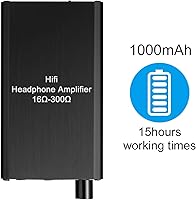
  • Battery Life: Rated for over 15 hours of continuous playback on a full charge under typical conditions.
  • Charging Use: The manufacturer explicitly advises against operating the amplifier while it is charging.
  • Dimensions: The unit measures 2.5 x 3.6 x 0.5 inches, making it genuinely slim enough to pocket.
  • Weight: Weighs 3.53 ounces, light enough for all-day carry without noticeable added bulk.
  • Compatible Brands: Officially listed as compatible with Sony, Sennheiser, and Beyerdynamic headphone lines.
  • Signal Path: Analog amplification only — no built-in DAC, so a digital-to-analog conversion stage is not included.
  • Release Date: First made available on Amazon in March 2020.
  • Sales Rank: Ranked #301 in the Headphone Amps category on Amazon at time of evaluation.

Related Reviews
TNP Products AMP_A1343 Headphone Amplifier
77%
88%
Value for Money
71%
Audio Performance
66%
Build Quality
94%
Ease of Setup
83%
Input Flexibility
More
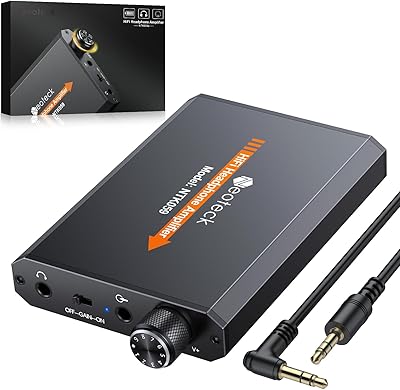
Neoteck NTK059 Headphone Amplifier
78%
83%
Audio Clarity
88%
Gain Switch Utility
79%
Build Quality
93%
Portability
86%
Battery Life
More
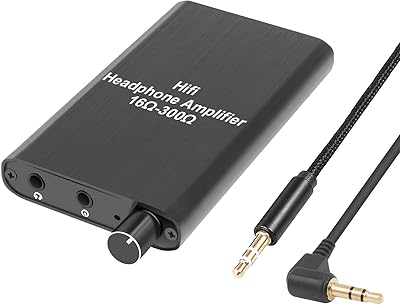
LVY A010 Portable Headphone Amplifier
81%
83%
Sound Quality Improvement
91%
Portability & Form Factor
61%
Build Quality & Materials
86%
Gain Switch Effectiveness
88%
Battery Life
More
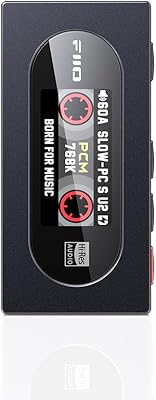
FiiO KA15
FiiO KA15
84%
93%
Sound Quality
91%
Output Power
82%
Battery Impact & Power Management
74%
EQ & App Experience
78%
Build Quality
More
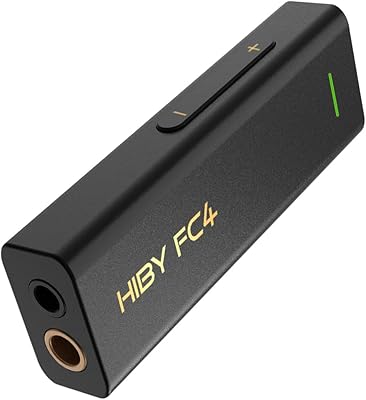
HiBy FC4
HiBy FC4
81%
91%
Sound Quality
93%
Balanced Output Performance
86%
Driving Power
74%
MQA Decoding
89%
Hi-Res Format Support
More
Questyle M15C
Questyle M15C
82%
91%
Sound Clarity
93%
Noise Floor
86%
Balanced Output Quality
83%
Build Quality
88%
Portability & Form Factor
More
FiiO Q3 MQA Portable DAC Amplifier
80%
88%
Sound Quality
83%
MQA Decoding
86%
Battery Life
81%
Balanced Output Performance
91%
Build Quality
More
iFi hip-dac2
iFi hip-dac2
81%
91%
Sound Quality
88%
Build Quality
89%
Balanced Output Performance
74%
MQA Decoding
87%
Driving Power
More
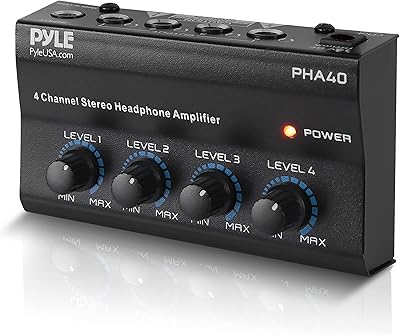
Pyle PHA40 4-Channel Headphone Amplifier

74%
86%
Value for Money
93%
Ease of Setup
57%
Output Volume & Headphone Drive
71%
Signal Clarity & Noise Floor
62%
Build Quality
More
iFi xDSD Gryphon Portable DAC Headphone Amplifier
79%
93%
Sound Quality
91%
Build Quality
89%
Connectivity & Inputs
84%
Bluetooth Performance
88%
IEM Compatibility
More

FAQ

It depends on your headphones and your source. If you're driving something like a Beyerdynamic DT 770 or a Sennheiser HD 600 from a phone, the Oneme Portable Headphone Amplifier genuinely adds power that the phone jack simply can't deliver. With sensitive earbuds or modern low-impedance headphones, the difference will be far less obvious.

No — the manufacturer specifically warns against this. Using it while charging can introduce noise into the audio signal and may not be safe for the battery long-term. The practical workaround most people settle on is charging overnight, since the battery comfortably covers a full day of listening on a single charge.

Yes, as long as your phone has a 3.5mm headphone jack or you use a standard 3.5mm adapter. This pocket amp is source-agnostic — it takes any analog audio input and amplifies it. If your phone uses USB-C or Lightning exclusively, you'll need a DAC adapter between the phone and the amp's input.

The bass boost adds a noticeable lift in the low-frequency range, which can sound great for hip-hop, EDM, or any bass-heavy genre. That said, it's not a subtle effect — on some headphones it can come across as muddy or overemphasized. Most people find they prefer it off for vocal music, podcasts, or classical, and on for genres where extra impact is welcome.

Yes, and that's one of the more practical features of this little amplifier. Both 3.5mm outputs carry the full stereo signal simultaneously, so you and a friend can each plug in a pair of headphones and hear the same audio. Most budget amps at this price only offer a single output, so this is a genuine advantage for shared listening.

The HD 650 and HD 600 both sit at 300 ohms, which is right at the upper limit of this amp's rated impedance range. It will drive them louder than a phone jack, but don't expect it to fully unlock their potential the way a dedicated desktop amp would. For casual listening it's a reasonable improvement; for critical listening you'll likely want something more powerful.

Oneme doesn't publish an exact charge time in the product specs, but based on the battery capacity typical for devices in this class, expect around two to three hours from empty to full via a standard USB charger. Plan to charge it when you're not using it — overnight or during a work session works well for most people.

Potentially, yes. Sensitive IEMs can pick up background hiss from amplifiers that aren't specifically designed for low-noise output at low gain. This amp is better matched to full-size over-ear headphones with moderate-to-high impedance. If your IEMs are already loud and clear from your phone, this amp probably isn't the right tool.

It's serviceable but not impressive. The plastic casing feels lightweight and doesn't inspire much confidence if you're planning to toss it loose into a bag every day. A small pouch or case goes a long way toward protecting it. For light daily use — desk to commute and back — most users report it holds up fine over time.

Low gain is suited for headphones that are easier to drive — lower impedance models or anything that gets loud quickly. High gain is for headphones that need more power to reach comfortable listening volumes, such as older studio-style over-ear cans. Starting on low gain and switching up only if you need more volume is the safest approach to avoid over-driving sensitive headphones.