
Overview

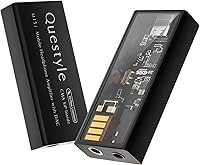
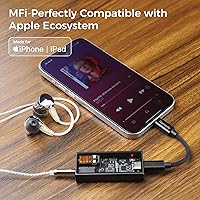
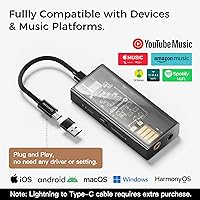
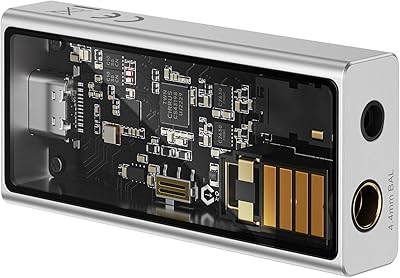
The Questyle M15i is a compact, metal-bodied USB-C DAC and headphone amplifier aimed squarely at listeners who take their portable audio seriously. This is not a casual buy — it sits at the premium end of the dongle DAC market, earning that position through genuine engineering rather than marketing copy. MFi-certified for Apple devices, it also covers Android 5.1 and above, Windows 10, and HarmonyOS, which makes it unusually versatile for a device this small. The metal chassis feels solid without being heavy, and it ships with both a USB-C cable and a USB-A converter, so most users won't need to hunt for adapters on day one.

Features & Benefits

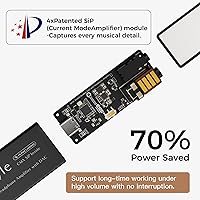
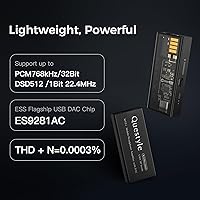
What separates this portable headphone amp from the crowded field of cheap dongles is Questyle's patented Current Mode Amplification technology. Rather than the voltage-mode approach most competitors use, CMA keeps the audio signal in current form throughout amplification, which in practice means vanishingly low distortion — measured at just 0.0003% THD+N — and a more natural, open soundstage. The ESS ES9281AC DAC chip decodes everything up to PCM 768kHz and DSD512 without complaint. A manual gain switch lets you toggle between STD and HIGH modes, and with support for impedances spanning 8 to 600 ohms, this DAC amp dongle genuinely handles both sensitive IEMs and power-hungry planar headphones.

Best For

This portable headphone amp is built for a specific kind of listener — someone who already owns serious headphones and is tired of their phone or laptop holding them back. It makes particular sense for people who move between iPhone and Android regularly, since the MFi certification and broad OS support remove the guesswork. High-impedance headphone owners will appreciate not having to leave their gear at home when traveling. It also suits remote workers who spend long hours on audio and want something better than a built-in chip can deliver. Budget shoppers should look elsewhere; this one rewards people ready to invest in audibly better output.

User Feedback

Buyers who have spent real time with this DAC amp dongle consistently highlight two things: the improvement in perceived soundstage width and the quality of the 4.4mm balanced output when used with a compatible cable. Those are the clear wins. On the flip side, running the device on HIGH gain for extended periods causes it to get noticeably warm — not alarming, but worth knowing. A handful of Android users have encountered connection quirks with specific phone models, though the brand's support team appears genuinely responsive. The most common quality-of-life complaint is the lack of on-device volume control, which some find inconvenient when adjusting levels mid-listening session.

Pros

  • The Questyle M15i drives high-impedance headphones up to 600 ohms with genuine authority from a phone port.
  • 4.4mm balanced output produces a clearly wider, more dynamic soundstage compared to the 3.5mm jack.
  • Current Mode Amplification keeps distortion at 0.0003% THD+N, which is audibly cleaner on complex tracks.
  • MFi certification makes this one of the most reliable USB-C DAC dongles specifically for iPhone 15 and iPad users.
  • The manual STD/HIGH gain switch adapts the amp to both sensitive IEMs and power-hungry planars in seconds.
  • Metal chassis survives daily bag carry without flexing or feeling fragile at the port connections.
  • Plug-and-play on Windows 10 and above — no driver installation required, just connect and listen.
  • DSD512 and PCM 768kHz decoding covers every serious high-res audio format currently in widespread use.
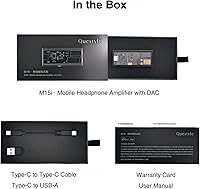
  • Both a USB-C cable and USB-A adapter are included, so most users are ready to go straight out of the box.

Cons

  • No hardware volume wheel means adjusting levels while walking requires unlocking your phone screen every time.
  • The metal body gets noticeably warm during extended HIGH gain sessions, which is uncomfortable in handheld use.
  • A minority of Android users hit compatibility issues with specific phone models that require manufacturer support to resolve.
  • No carrying pouch or protective case is included, leaving the metal surface vulnerable to scratches in daily carry.
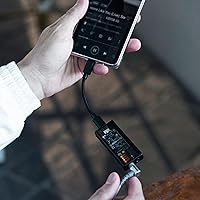
  • The dongle hangs freely from the phone port during handheld use, which feels awkward when moving around.
  • Realizing the full sonic benefit requires owning a 4.4mm balanced cable, which is an additional purchase most buyers have not made.
  • Two gain levels suit most users but leave those with a very wide headphone collection wishing for a middle-ground option.
  • The compact manual covers the basics but does not guide new users on how to select the right gain for their specific headphones.

Ratings

The Questyle M15i sits at a level where casual listeners rarely venture, and the scores below reflect that specialized reality. Our AI has analyzed verified purchaser feedback from global markets, actively filtering out incentivized and bot-generated reviews, to surface what real audiophiles and daily commuters actually experience. Both the standout strengths and the genuine frustrations are represented here without softening.

Sound Quality
93%
Users upgrading from basic dongle DACs consistently describe the difference as immediately audible — more headroom, tighter bass control, and a noticeably wider soundstage. The Current Mode Amplification approach keeps the signal clean in a way that translates to better instrument separation on complex tracks during long listening sessions.
A small number of listeners with highly sensitive in-ear monitors report a faint noise floor on STD gain with certain phone sources. It is not a dealbreaker for most, but users with ultra-sensitive IEMs should be aware before assuming silence.
DAC Performance
91%
The ESS ES9281AC chip handles high-resolution files without audible artifacts, and DSD512 playback through a device this small is genuinely impressive. Buyers using lossless streaming services or local hi-res libraries report the DAC stage as a clear step above what most competitors offer at this size.
For listeners who exclusively stream at standard quality, the top-tier decoding capability goes largely unused. The chip's potential is only unlocked with compatible high-res sources, which means entry-level users may not hear a meaningful difference from cheaper options.
Build Quality
88%
The all-metal chassis feels purposeful rather than just decorative — it survives daily bag-tossing without cosmetic damage, and the port connections feel solid after repeated plug-in cycles. Several buyers specifically mention it feels more premium than its compact dimensions suggest.
The minimalist form means there are no rubberized grips or protective edges, so the device can slide around on desks or inside pockets. A few buyers noted minor scratching on the metal surface after extended everyday carry use.
Balanced Output (4.4mm)
92%
This is one of the most frequently praised aspects across user feedback. Buyers who own headphones with balanced cables describe a clear improvement in channel separation and dynamic range compared to the 3.5mm output, making the 4.4mm jack a genuine differentiator rather than a checkbox feature.
The benefit is entirely contingent on owning a headphone cable with a 4.4mm termination, which many buyers do not already have. Purchasing a balanced recable adds to the total cost, and users who skip this step may feel they are not getting the full value of the hardware.
Device Compatibility
79%
21%
MFi certification makes this one of the more reliable USB-C DAC dongles for iPhone 15 and iPad users, and Windows 10 support is plug-and-play without driver installation. The broad OS coverage — including HarmonyOS — is a practical advantage for users who work across multiple platforms.
A notable minority of Android users have hit compatibility walls with specific phone models, particularly those with non-standard USB audio implementations. While the manufacturer does offer support, the troubleshooting process adds friction that buyers of premium hardware should not have to deal with at this price tier.
Gain Flexibility
86%
The physical STD/HIGH gain toggle is a thoughtful inclusion that lets users match the amplifier to their headphones without diving into software menus. Switching from sensitive earbuds to 300-ohm cans during a commute takes seconds and produces a clearly optimized output level in both cases.
Two gain levels covers most real-world scenarios, but users with a very wide variety of headphones occasionally wish for a middle-ground option. The switch itself is small and can be fiddly to toggle without looking directly at the device.
Portability
84%
At under four ounces and roughly the size of a large USB flash drive, this portable headphone amp disappears into a shirt pocket or small bag without adding noticeable weight. Commuters and travelers specifically mention forgetting it is in their pocket, which is high praise for a metal device.
The dongle form factor means it dangles from the phone port during handheld use, which some users find awkward when walking or exercising. There is no clip, case, or attachment mechanism included to secure it against swinging or snagging.
Thermal Management
71%
29%
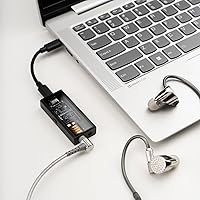
Under typical usage — STD gain, moderate volumes, sessions under an hour — the device stays comfortable to the touch and does not produce noticeable warmth. For desk listening at a laptop, most users report no thermal concerns whatsoever during normal operation.
Extended HIGH gain sessions, especially with demanding 300-ohm headphones, cause the metal body to become noticeably warm. It stays within safe operating temperature, but the sensation during handheld use is uncomfortable enough that several buyers flagged it explicitly in their reviews.
Value for Money
76%
24%
For buyers who will actually use the balanced output, push high-impedance headphones, and listen to high-res files, the technical performance justifies the investment. The hardware inside this DAC amp dongle is measurably superior to options that cost significantly less.
For the broader population of buyers who primarily use standard earbuds or low-impedance Bluetooth-adjacent gear, the premium is hard to justify. This is a product that rewards a specific use case, and buyers outside that profile are overpaying for features they will rarely access.
Software Volume Control Dependency
58%
42%
Relying on the host device for volume adjustment does keep the hardware simple and avoids an additional physical control that could fail or misfire in a pocket. For desktop and laptop use, software volume works cleanly with most operating systems.
The absence of a hardware volume wheel is the single most common quality-of-life complaint in user reviews. Adjusting volume mid-track while walking means unlocking the phone screen and navigating to controls, which breaks the listening experience in a way that feels out of place at this price point.
Included Accessories
81%
19%
The inclusion of both a USB-C to USB-C cable and a USB-A adapter means most buyers are ready to use the device with whatever they have on hand, without an immediate trip to buy additional cables. The cables are functional and not flimsy, which matches the overall build ethos.
There is no carrying pouch or protective storage solution in the box, which feels like a missed opportunity for a metal device designed for daily carry. A simple drawstring bag would cost cents to include and would prevent the surface scratching several buyers have reported.
High-Impedance Headphone Performance
89%
Driving 250-ohm and 300-ohm headphones from a phone is where budget dongles collapse, and this portable headphone amp genuinely does not. Users with Sennheiser HD 600-class headphones describe the experience as remarkably capable for something that draws power from a phone port.
At true 600-ohm loads, the output power ceiling becomes more apparent during dynamic peaks in orchestral or film audio. It handles 600-ohm headphones competently, but power-hungry users who listen at high volumes may occasionally want more headroom than the hardware can deliver.
Setup & Ease of Use
83%
Plug-and-play operation on iOS and Windows requires no app, no driver install, and no configuration — just connect and listen. For a device with this level of technical complexity under the hood, the user-facing experience is refreshingly straightforward.
The gain switch labeling is minimal, and new users may need to consult the manual to understand the STD versus HIGH implications for their specific headphones. The manual itself is compact and covers the basics, but stops short of the guidance that true beginners would benefit from.

Suitable for:

The Questyle M15i was built for a specific kind of listener, and if you fit the profile, it is hard to argue against it. This portable headphone amp makes the most sense for audiophiles who already own serious headphones — particularly high-impedance models in the 150-ohm to 600-ohm range — and are tired of their phone or laptop bottlenecking the experience. It is equally well-suited to people who carry both an iPhone and an Android device, since the MFi certification removes the guesswork that plagues most dongles on iOS. Remote workers who spend hours each day in headphones for focused listening or calls will notice a genuine improvement in clarity and fatigue reduction compared to onboard audio chips. If you have a headphone cable with a 4.4mm balanced termination, or are willing to get one, this DAC amp dongle unlocks a noticeably wider and more dynamic presentation that justifies the investment on its own.

Not suitable for:

The Questyle M15i is a niche product with a premium price, and buyers outside that niche are likely to feel underserved. If you primarily use standard earbuds, Bluetooth headphones, or low-impedance wired sets that your phone already drives without strain, the technical horsepower here goes to waste. Casual listeners who stream at standard quality rather than lossless or hi-res formats will not hear the difference that the ESS DAC chip is capable of delivering. This portable headphone amp also requires patience if you are on a less common Android device — compatibility quirks have been reported, and troubleshooting with customer support, however helpful, is an unexpected friction point at this price level. There is no hardware volume wheel, which is a real inconvenience for anyone who adjusts levels frequently while moving around. Budget-conscious buyers should know there are competent dongles at a fraction of the price that cover basic needs without the advanced features.

Specifications

  • Input Interface: USB Type-C input with official Apple MFi certification for reliable compatibility with iPhone 15 series and current iPad models.
  • Output Interfaces: Dual output stage featuring a 3.5mm single-ended jack and a 4.4mm fully balanced jack, both available simultaneously.
  • DAC Chip: ESS ES9281AC flagship digital-to-analog converter chip, selected for its high dynamic range and low noise floor performance.
  • Max Decoding: Supports PCM up to 768kHz at 32-bit depth and DSD up to DSD512, covering every major high-resolution audio format in current use.
  • THD+N: Total harmonic distortion plus noise is rated at 0.0003%, placing it among the lowest measured figures in the portable DAC segment.
  • Output Power: Delivers up to 22.6mW at 300 ohms via the 4.4mm balanced output, providing sufficient headroom for most high-impedance headphones.
  • Impedance Range: Compatible with headphones and IEMs spanning 8 ohms to 600 ohms, covering the full practical range of consumer and audiophile headgear.
  • Gain Modes: Two-level manual gain switch (STD and HIGH) allows users to optimize output for sensitive IEMs or demanding full-size headphones.
  • Amplifier Technology: Questyle patented Current Mode Amplification (CMA) with four discrete amplifier engines, holding Global PCT Patent US 9,614,483 B2.
  • Dimensions: Measures 2.44 x 1.09 x 0.47 inches, making it pocket-sized and light enough for daily carry without adding noticeable bulk.
  • Weight: Weighs approximately 3.52 oz (around 100g), which is notable for a metal-bodied DAC amp at this performance level.
  • Material: Full metal chassis construction, contributing to both structural durability and effective passive heat dissipation during operation.
  • OS Compatibility: Works with iOS, Android 5.1 and above, Windows 10 and above, and HarmonyOS without requiring third-party driver installation on most platforms.
  • In the Box: Package includes one USB-C to USB-C cable, one USB-A to USB-C converter adapter, and a printed user manual.
  • Lightning Compatibility: Lightning connectivity is not native; users with older iPhones can add compatibility via the separately purchased Questyle LTC02 MFi-certified Lightning to USB-C adapter.
  • Wireless Support: Wired-only device with no Bluetooth or wireless audio transmission capability of any kind.
  • Volume Control: No hardware volume wheel is present; output level is controlled entirely through the host device's software volume interface.
  • Model Number: Official model designation is M15i, part of Questyle's 15-series portable DAC amplifier product line.

Related Reviews
Questyle M15C
Questyle M15C
82%
91%
Sound Clarity
93%
Noise Floor
86%
Balanced Output Quality
83%
Build Quality
88%
Portability & Form Factor
More

FAQ

Yes, and this is one of the cleaner use cases for this DAC amp dongle. The MFi certification means iOS recognizes it immediately without any app or configuration. Just plug in and it takes over audio output automatically.

No driver installation is needed on Windows 10 or later. The operating system recognizes it as a standard USB audio device and it shows up in your sound output settings within a few seconds of plugging in.

It works well with the majority of Android devices running version 5.1 or higher, but a minority of users have encountered compatibility issues with specific phone models that have non-standard USB audio implementations. If you hit a problem, Questyle's support team is reported to be responsive, but it is worth knowing the risk exists before purchasing.

The 3.5mm output is single-ended, which is standard and works with virtually any wired headphone. The 4.4mm output is fully balanced, which uses a separate signal path for each channel and typically delivers better channel separation, lower crosstalk, and a slightly more open dynamic presentation. You will only hear the difference if your headphone cable is terminated in 4.4mm balanced — most stock cables are not.

Yes, those 300-ohm headphones are well within this portable headphone amp's capabilities, especially through the 4.4mm balanced output. Users with that class of headphone consistently report satisfying drive levels without the strain or thinning you hear from basic dongles.

Under normal conditions it stays comfortable, but during extended sessions on HIGH gain with demanding headphones it does get noticeably warm to the touch. It has not been reported to cause any functional issues from heat, but if you are holding your phone during a long listening session you will feel it.

There is no physical volume control on the device itself. All volume adjustment goes through your phone or computer's software controls. For desktop use this is rarely an issue, but for walking or commuting it means unlocking your screen every time you want to adjust levels, which is the most common complaint from real-world users.

Yes — the device uses USB-C input only. For Lightning iPhones you would need the separately sold Questyle LTC02 adapter, which is MFi-certified and designed specifically to pair with this dongle. It is not included in the box.

On STD gain it is very quiet with most IEMs, and background hiss is rarely mentioned in user feedback. A small number of users with extremely sensitive in-ear monitors and specific phone sources have noted a faint noise floor, but this appears to be the exception rather than the rule and is largely dependent on the source device.

You get a USB-C to USB-C cable and a USB-A to USB-C converter adapter, which covers the two most common connection scenarios on modern devices. No additional cables are required to start using the 3.5mm output. If you want to use the 4.4mm balanced jack, you will need a headphone cable terminated in 4.4mm, which is sold separately.