Overview

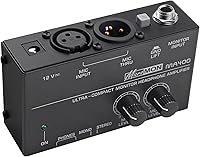
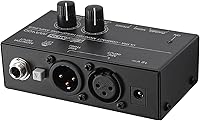
The LiNKFOR MA400 Headphone Amplifier is a small metal box built to solve one specific problem: getting a clean, controllable headphone signal out of an XLR mic or mixer setup. It is not trying to be a full audio interface, and that narrow focus shows in how it is built. The housing is compact enough to slip into a gig bag without adding real bulk, which fits its target crowd of podcasters, singers, and home recording folks who move between rooms or venues. One thing worth flagging early: it draws power from an included 12V adapter rather than batteries, so it is portable in size but not exactly cordless in practice.

Features & Benefits

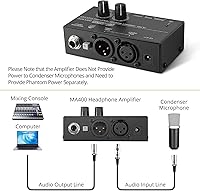
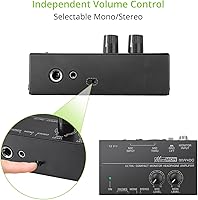
Plug a condenser mic into this headphone amp and the phantom power circuit keeps the noise floor surprisingly low for something this size, which matters more than people expect once you are listening through closed-back headphones. The GND LIFT switch earns its keep too, quietly killing ground-loop hum that shows up when you connect to certain mixers. Two separate volume knobs let you balance the mic signal against whatever is coming from your mixer or Hi-Fi source, and a mono/stereo switch adds a bit more flexibility depending on the setup. Round things out with both 6.35mm and 3.5mm headphone outputs, and the MA400 unit covers most headphone types people already own without needing an adapter.

Best For

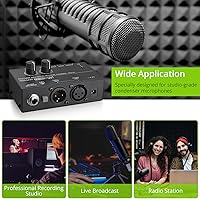
This mic preamp makes the most sense for solo podcasters and voiceover artists who just need a reliable way to monitor their own mic without buying a full mixing rig. Singers performing live will appreciate having a personal headphone mix they can adjust on the fly, separate from whatever the house system is doing. Home studio owners running a single condenser mic into a basic mixer get genuine value here too, since phantom power alone can be a dealbreaker without something like this in the chain. It is a smart pickup for anyone who needs phantom power and headphone monitoring but does not want to commit to a full audio interface yet.

User Feedback

Reviewers tend to describe this headphone amp as solid value, especially for buyers who are not ready to spend serious money on studio gear. The build quality comes up often: it feels lighter than expected when you first pick it up, though most owners report it has held up fine with regular use. A recurring complaint is the lack of a battery option, since it only runs off the included power adapter, which limits true grab-and-go portability for some users. On the upside, several buyers specifically praise the noise performance, noting it sounds cleaner than they anticipated given the price point, and that combination of quiet operation and fair pricing seems to be the main reason people recommend it.

Pros

  • Keeps condenser mic noise low thanks to a solid phantom power circuit
  • GND LIFT switch genuinely helps cut ground-loop hum from mixers
  • Independent volume knobs make balancing mic and mixer signals easy
  • Mono/stereo switch adds useful flexibility for different recording setups
  • Dual 6.35mm and 3.5mm jacks fit nearly any headphones you already own
  • Compact metal housing slips easily into a gig bag for travel
  • Buyers consistently call the LiNKFOR MA400 Headphone Amplifier solid value for the price
  • Noise performance impresses people who expected less from a budget unit
  • Simple single-channel layout keeps the controls easy to learn quickly

Cons

  • Requires the included power adapter, so there is no battery-powered option
  • Single-channel design limits use to one mic or signal source at a time
  • Build feels noticeably lighter than higher-end studio gear, per some buyers
  • No USB or digital connectivity, so it will not integrate with a DAW directly
  • Lacks onboard EQ or tone shaping beyond basic volume adjustment
  • Corded power setup means it is not truly grab-and-go portable
  • Not designed for multi-mic or multi-instrument recording sessions
  • No carrying case or pouch included for protecting it in transit

Ratings

These scores for the LiNKFOR MA400 Headphone Amplifier come from an AI analysis of verified buyer reviews collected from real purchasers worldwide, with spam, bot activity, and incentivized feedback filtered out before any scoring happens. The goal is a transparent breakdown of what this headphone amp actually does well alongside the spots where it falls short, so you can judge fit before buying rather than after.

Noise Performance
88%
Owners running condenser mics into this preamp consistently mention how quiet the signal stays even at higher gain, which matters a lot during late-night voiceover sessions or quiet podcast recordings. The phantom power circuit seems genuinely engineered for low self-noise rather than just checked off as a feature.
A small number of users connected to older or unshielded cables still pick up faint hiss, suggesting cable quality matters more here than with pricier interfaces. It is not silent in every setup, just notably quiet for its price tier.
Ground Loop Handling
82%
18%
The GND LIFT switch gets specific praise from users dealing with hum when connecting to mixers in shared studio spaces or church sound booths. Flipping it resolves the issue for most people without needing a separate ground loop isolator.
A few buyers with particularly noisy power circuits or multiple grounded devices in the chain still hear some residual buzz. It helps in most situations but is not a guaranteed fix for every electrical setup.
Build Quality
74%
26%
The metal housing feels reassuring in hand and survives being tossed into a gig bag alongside cables and other gear without dents or scuffs showing up quickly. Buyers transporting it between home and stage report it holding up fine over months of regular use.
Several reviewers note the unit feels lighter than expected for something metal-bodied, which makes a few people second-guess its long-term durability. It is not the rugged, road-case-grade build some live performers might want.
Value for Money
91%
Given the price point, buyers repeatedly call this one of the better deals for anyone needing phantom power and headphone monitoring without committing to a full audio interface. It covers the essentials a beginner podcaster or home recordist actually needs.
Those expecting interface-level features like USB output or onboard EQ for the same low cost will feel the limitations quickly. It is a great value for its specific job, not a do-everything bargain.
Ease of Setup
86%
Most users report being up and running within minutes of unboxing, plugging in the XLR mic, headphones, and power adapter without needing to read the manual cover to cover. The straightforward single-channel layout helps beginners avoid confusion.
A handful of first-time buyers unfamiliar with phantom power or GND LIFT switches needed a quick search to understand what each control actually does. The manual covers the basics but could explain use cases more clearly.
Portability
68%
32%
The compact metal housing genuinely fits in a gig bag pocket or backpack without adding noticeable bulk, which performers moving between venues appreciate. Its small footprint makes it easy to set up quickly backstage or at a desk.
The reliance on a corded 12V adapter rather than batteries means it is not truly grab-and-go, and users without easy outlet access find that frustrating. Calling it fully portable would be overselling what is really a compact, but still corded, device.
Volume Control Precision
79%
21%
Having separate knobs for the mic signal and the mixer or Hi-Fi input lets users dial in a comfortable headphone mix without one source drowning out the other. Singers monitoring themselves on stage find this especially useful during live sets.
A few reviewers wish the knobs had more resistance or finer increments for very precise adjustments, since small bumps can shift levels more than expected. It works well but is not studio-fader smooth.
Headphone Compatibility
89%
Having both 6.35mm and 3.5mm outputs built in means most headphones plug straight in without hunting for an adapter, whether it is studio cans or everyday earbuds. This flexibility gets mentioned often as a small but appreciated convenience.
Impedance matching is not adjustable beyond the basic outputs, so very high-impedance studio headphones may not get driven as loudly as some users expect. It covers most common headphones well, just not every extreme case.
Power Supply Convenience
61%
39%
The included 12V adapter is described as reliable and stable by most users, delivering consistent power without the noise issues cheaper adapters sometimes introduce. It works straight out of the box with no extra purchase needed.
The lack of any battery option is a recurring complaint among buyers who wanted something usable away from an outlet, like in a car or outdoor setup. This single dependency is the most consistent portability gripe in user feedback.
Versatility
77%
23%
The mono/stereo switch lets users adapt the unit to different signal types, which podcasters, singers, and home recordists all find handy depending on their setup that day. It adds flexibility without complicating the control layout.
Because it is single-channel, anyone needing to monitor multiple mics or instruments simultaneously will outgrow it fairly quickly. Versatility here means adapting to different signals, not running an expanded multi-source setup.
Suitability for Beginners
84%
New podcasters and home recordists appreciate how few controls there are to learn, making it a low-friction entry point into phantom-powered condenser mic recording. People moving up from USB mics find the jump manageable.
Buyers completely new to audio terminology sometimes need outside resources to understand phantom power and ground loops before getting full value from the controls. It is beginner-friendly in operation, less so in explanation.
Long-Term Reliability
72%
28%
Many reviewers report months of regular use without performance dropping off, which builds confidence for daily podcasting or weekly stage use. The phantom power and switches keep functioning consistently according to repeat-use feedback.
Since the product has not been on the market long enough for extensive long-term data, and a few buyers note the lighter housing as a durability concern, some uncertainty remains about multi-year performance. It looks solid so far, but the track record is still building.

Suitable for:

The LiNKFOR MA400 Headphone Amplifier is a strong fit for solo podcasters and voiceover artists who just need to hear their own mic clearly while recording, without buying a full mixing console. Singers and performers who want a personal headphone mix on stage, separate from the house sound, will find the independent volume controls genuinely useful. It also makes sense for home studio owners running a single condenser mic into a basic mixer, since phantom power alone is often the missing piece in that chain. Anyone who wants reliable phantom power and clean headphone monitoring but is not ready to invest in a full audio interface gets real value here. It is best suited to people working with one mic at a time rather than multi-channel setups.

Not suitable for:

This headphone amp is not built for anyone managing multiple microphones or instruments at once, since the single-channel design simply was not designed for that kind of complexity. Buyers expecting a battery-powered, fully cordless device should look elsewhere, because the LiNKFOR MA400 Headphone Amplifier relies entirely on its included 12V power adapter and has no battery option. If you are running a serious multi-track home studio with several inputs, USB connectivity, or DAW integration needs, this unit will feel limiting fast. People who prioritize rugged, heavy-duty build quality over compact convenience may also find the lighter housing a bit underwhelming compared to pricier studio gear. It is simply not the right tool for anyone needing more than basic mic-to-headphone monitoring.

Specifications

  • Mic Input: It accepts a standard XLR microphone connector for direct input.
  • Phantom Power: Built-in phantom power lets the unit drive condenser microphones without a separate mixer.
  • GND LIFT Switch: A dedicated GND LIFT switch is included to reduce ground-loop hum when connected to mixers.
  • Volume Controls: Two independent volume knobs adjust the microphone signal and the mixer or Hi-Fi input separately.
  • Mono/Stereo Switch: A mono/stereo toggle switch is included to match different signal routing setups.
  • Headphone Outputs: It provides both a 6.35mm (1/4-inch) and a 3.5mm (1/8-inch) headphone jack.
  • Power Supply: The unit operates on a 12V corded power adapter included in the box.
  • Housing Material: The exterior casing is constructed from metal.
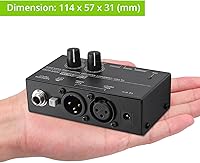
  • Dimensions: The unit measures 114 x 57 x 31mm (4.06 x 2.52 x 1.85 inches).
  • Weight: It weighs 0.38 kg (0.84 lbs / 13.4 oz).
  • Channels: It features a single-channel design for one signal source at a time.
  • Signal-to-Noise Ratio: The signal-to-noise ratio is rated at 90 dB.
  • Impedance: Output impedance is rated at 2 Ohm.
  • Compatible Devices: It is designed to work with standard audio mixers and condenser microphones.
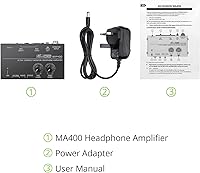
  • Included Components: The package includes the headphone amplifier, a power adapter, and a printed user manual.

Related Reviews
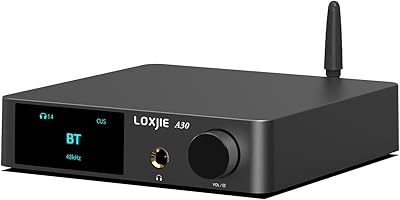
LOXJIE A30
LOXJIE A30
79%
86%
Sound Quality
82%
Build Quality
91%
Value for Money
89%
Input Versatility
63%
Bluetooth Performance
More
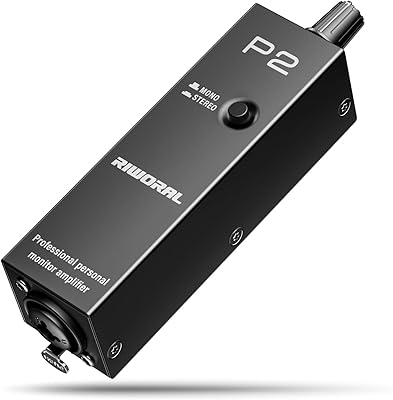
Riworal P2 Portable Headphone Amplifier
73%
74%
Build Quality
83%
Value for Money
68%
Audio Quality
88%
Input Connectivity
71%
Battery Life
More
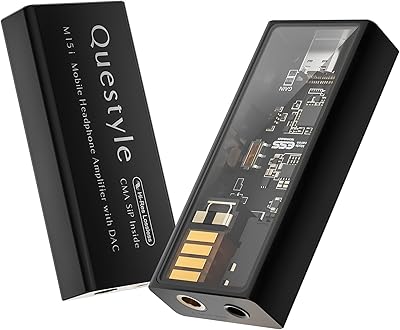
Questyle M15i
Questyle M15i
82%
93%
Sound Quality
91%
DAC Performance
88%
Build Quality
92%
Balanced Output (4.4mm)
79%
Device Compatibility
More
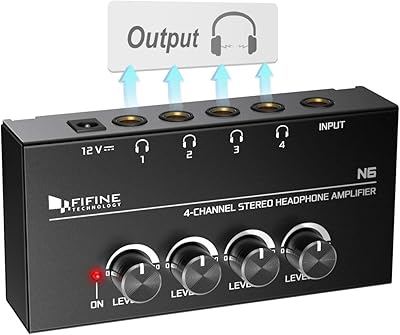
Fifine N6 4-Channel Headphone Amplifier
77%
88%
Audio Signal Clarity
93%
Individual Volume Control
76%
Build Quality
91%
Value for Money
84%
Ease of Setup
More
Oneme Portable Headphone Amplifier
72%
83%
Value for Money
77%
Sound Improvement
88%
Portability
51%
Build Quality
79%
Battery Life
More
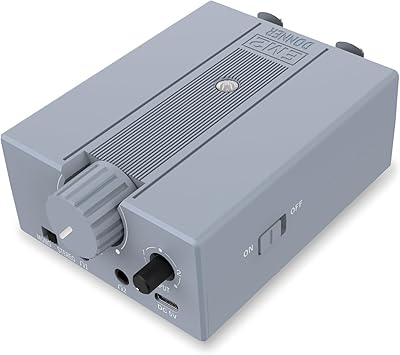
Donner EM2 Portable In-Ear Monitor Amplifier
79%
88%
Value for Money
76%
Build Quality
79%
Audio Quality
91%
Input Connectivity
83%
Battery Life
More
Socodox 8-Channel Headphone Amplifier
73%
88%
Value for Money
67%
Audio Clarity
91%
Output Count & Flexibility
93%
Ease of Setup
72%
Build Quality
More
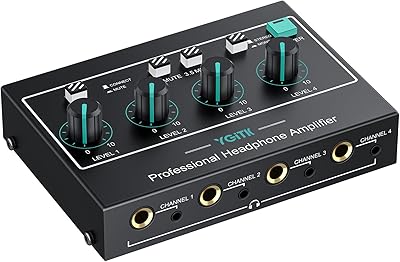
YGiTK KTYDAC152 4-Channel Headphone Amplifier
82%
91%
Value for Money
93%
Ease of Setup
94%
Per-Channel Volume Control
88%
Input Flexibility & Mixing
77%
Build Quality
More
Monoprice Liquid Spark Headphone Amplifier
82%
88%
Sound Quality
93%
Value for Money
71%
Build Quality
62%
Volume Control & Channel Balance
84%
Amplifier Power & Headphone Compatibility
More
Douk Audio U3 Headphone Amplifier
80%
83%
Sound Quality
88%
Drive Power
91%
Value for Money
84%
Build Quality
58%
Connectivity
More

FAQ

You'll need an XLR microphone or a mixer output running into the unit, then a pair of headphones with either a 6.35mm or 3.5mm plug. Once everything is connected, just power it on with the included 12V adapter and adjust the volume knobs to taste.

Yes, that's actually its main job. The phantom power circuit is built specifically to drive condenser mics with low noise, so you don't need a separate mixer or interface just to power one.

No, there's no battery compartment on this one. It runs entirely off the included 12V power adapter, so you'll need access to an outlet wherever you're using it.

The GND LIFT switch is there to break ground loops that sometimes happen when you connect to a mixer, and those loops are usually what causes that low buzzing hum. Flipping the switch often clears it up without needing extra cables or filters.

It's a single-channel device, so it's built for one mic or one signal source at a time rather than juggling multiple inputs. If you need to monitor several mics simultaneously, you'd want a small mixer instead.

Both jacks are included on the unit itself, so you don't need an adapter for either 6.35mm (quarter-inch) or 3.5mm (eighth-inch) headphones. Most consumer and studio headphones will plug in directly.

A handful of owners mention the housing feels lighter than they expected for a metal-bodied unit, but most also report it holds up fine with regular handling. It's not meant to survive being dropped or thrown around, though, so normal care is still a good idea.

It can work that way for very simple setups, like one mic feeding straight into headphones, but it's not a substitute for a full audio interface if you need multitrack recording or USB connectivity to a computer. Think of the LiNKFOR MA400 Headphone Amplifier as a monitoring and phantom power solution rather than a recording interface.

A soft, dry cloth is really all you need for the metal housing. Avoid spraying liquid cleaners directly on it, especially near the input jacks or switches.

It includes the amplifier itself, the power adapter, and a printed user manual, so it's ready to use right out of the box without buying extra cables or accessories beyond your mic and headphones.