Overview

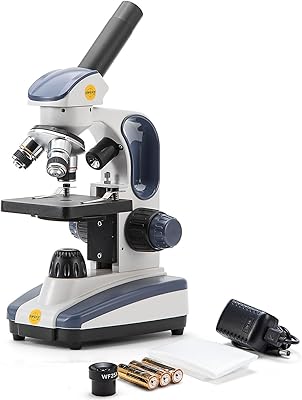
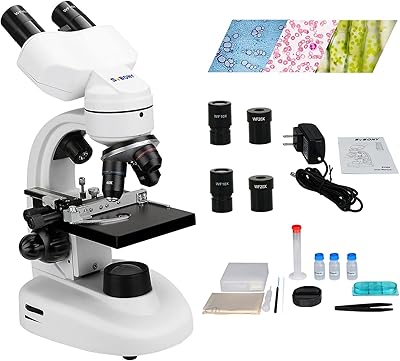
The SWIFT SS121 Compound Monocular Microscope Kit sits in a genuinely useful middle ground — substantial enough to outperform cheap toy scopes, yet approachable enough that a curious twelve-year-old can unbox it and start exploring within minutes. What separates it from similarly priced plastic alternatives is the all-metal body, which gives it a solidity you simply don't expect at this price tier. Built primarily for students, homeschoolers, and adults just discovering microscopy, it covers real ground. The included ABS carrying case is a small but telling detail — this isn't a shelf piece; it's designed to travel to class or a science fair. One expectation worth setting early: the monocular head means one eye at a time, unlike binocular setups found in proper lab environments.
Features & Benefits

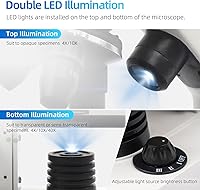
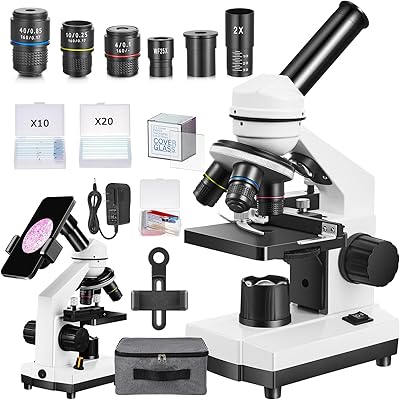
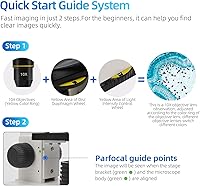
The illumination setup here is genuinely thoughtful. A dual dimmable LED system handles both reflected light for opaque subjects like insects and transmitted light for slides of cells or thin biological sections, meaning you're not locked into one type of specimen. Magnification runs from 80X up to 2000X across multiple achromatic objective lenses, with a 2X Barlow lens pushing the upper limit — though practically speaking, 400X to 1000X is where images stay sharp and useful. The color-coded quick-start system is a smart touch for beginners: matching objective ring colors removes guesswork entirely. Coaxial focus knobs and a 45-degree rotatable head round out a setup that genuinely prioritizes comfort alongside function.

Best For

This monocular microscope kit is a strong fit for middle and high school students who need a capable tool for biology coursework or a science fair project without lab-grade spending. Homeschool families will find it especially practical since the kit arrives essentially complete — slides, tools, and case included — leaving very little supplementary shopping to do. Hobbyists curious about pond water, insect anatomy, or plant cells will get genuine mileage from it too. The built-in smartphone adapter is a welcome bonus for capturing and sharing specimens. That said, if you're heading into a university lab or conducting serious research, this student microscope will feel underpowered fairly quickly.

User Feedback

Across a substantial pool of verified buyers, the SWIFT SS121 holds a 4.4-star rating, and the feedback paints a consistent picture. Build quality gets mentioned repeatedly — people are pleasantly surprised by how solid and well-finished the scope feels compared to their expectations. The bright LED lighting and intuitive color-coded system draw steady praise from parents and first-time users alike. On the critical side, some buyers note that the focus knobs feel stiff out of the box, and the smartphone adapter, while appreciated, does not fit every phone model equally well. A few reviewers also flag that image quality above 1000X becomes noticeably soft — an honest trade-off worth knowing before purchasing.

Pros

  • All-metal body feels genuinely solid and durable, a real step above plastic beginner scopes.
  • Dual LED illumination handles both opaque and translucent specimens without needing extra equipment.
  • The color-coded quick-start system lets new users get sharp images in minutes, not hours.
  • Achromatic objective lenses deliver crisp, clear views across low-to-mid magnification ranges.
  • The 45-degree rotatable head makes extended viewing comfortable and easy to share with others.
  • Kit arrives remarkably complete: slides, tweezers, brine shrimp materials, and a smartphone adapter included.
  • The included ABS carrying case makes storage and transport genuinely practical for students on the go.
  • Coaxial fine and coarse focus knobs give users meaningful control over image sharpness.
  • A spare bulb is included, which is a small but thoughtful detail that extends the product's lifespan.
  • Consistently rated 4.4 stars across a large verified buyer pool, signaling reliable real-world satisfaction.

Cons

  • Image quality above 1000X drops off noticeably; the 2000X upper limit is largely a marketing figure in practice.
  • Some buyers report the focus knobs feel stiff out of the box and require a break-in period.
  • The smartphone adapter fit varies significantly depending on phone size and case thickness.
  • Monocular viewing causes faster eye fatigue than binocular setups during long observation sessions.
  • The brine shrimp hatching kit, while fun, adds bulk to the package without being core to microscopy use.
  • No built-in mechanical stage for precise slide positioning, which limits systematic specimen scanning.
  • The 2X Barlow lens adds magnification but also amplifies any vibration or focusing imprecision noticeably.
  • Replacement accessory parts and compatible slides may require purchasing directly from SWIFT rather than generic suppliers.

Ratings

The scores below reflect an AI-driven analysis of verified global buyer reviews for the SWIFT SS121 Compound Monocular Microscope Kit, with spam, incentivized, and bot-flagged submissions actively filtered out before scoring. Each category captures both what real users consistently praised and where frustrations surfaced — nothing is smoothed over to make the product look better than it actually performs. The result is an honest, nuanced picture of where this student microscope excels and where it falls short for certain buyers.

Build Quality
88%
The all-metal body is the single most praised aspect across buyer feedback, with users repeatedly noting how substantial and well-finished the scope feels compared to plastic alternatives they had owned before. Parents buying it for a teenager specifically call out that it does not feel fragile or toy-like, which justifies the investment.
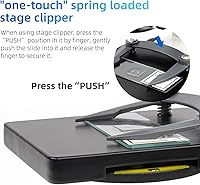
A small number of buyers noted minor finishing inconsistencies on the focus knob assembly, and a few reported the stage clips felt slightly loose on arrival. These are edge cases rather than systemic issues, but worth noting for buyers who expect showroom-perfect build execution.
Optical Clarity
81%
19%
At low-to-mid magnifications — roughly 80X through 400X — the achromatic objective lenses produce images that users consistently describe as sharp and satisfyingly detailed, particularly for biological slides and insect specimens. Homeschool parents report that kids are immediately impressed by the crispness, which sustains engagement during learning sessions.
Image quality degrades meaningfully above 1000X, with users noting increased blurriness and difficulty achieving focus at the upper magnification ranges. This is a structural limitation of consumer-grade optics at this price tier, not a manufacturing defect, but buyers expecting razor-sharp 2000X views will find the reality underwhelming.
Illumination System
84%
The dual dimmable LED setup — one from below for slides, one from above for solid specimens — is repeatedly highlighted as a standout feature that buyers did not expect at this price level. Being able to switch between illumination modes without additional accessories makes this monocular microscope kit genuinely versatile across different specimen types.
A handful of users mentioned that the upper reflected LED creates minor glare or uneven coverage when examining highly reflective surfaces at lower magnifications. The dimming control helps manage this, but it adds a small learning curve for first-time users trying to balance lighting across specimen types.
Ease of Use
86%
The color-coded objective ring system is a genuinely clever solution for beginners — users who expected to struggle with initial setup report getting a focused image on their first attempt by simply matching the color rings. Teachers and homeschool parents specifically praise this as reducing setup frustration for students who would otherwise give up.
While initial setup is beginner-friendly, dialing in fine focus at higher magnifications takes patience and practice that some younger or less experienced users found discouraging early on. The focus guide markings help, but there is still a tactile learning curve with the coaxial knob system that is not fully eliminated by the color-coding alone.
Magnification Range
72%
28%
The practical working range of 80X to around 1000X covers virtually every scenario a student or amateur hobbyist will realistically encounter, from observing onion cells to examining insect anatomy in detail. The 2X Barlow lens giving users flexibility to push magnification further is appreciated as a genuine added option rather than an afterthought.
The advertised 2000X ceiling is where buyer expectations most often diverge from reality — at that level, optical aberrations and vibration sensitivity render images difficult to use for any meaningful observation. More transparent communication from SWIFT about the practical versus maximum magnification would prevent a recurring source of buyer disappointment.
Kit Completeness
89%
Buyers consistently express surprise at how genuinely usable the included accessories are — the prepared slides cover recognizable subjects, the blank slides and tools encourage hands-on experimentation, and the brine shrimp hatching kit adds a live science element that kids find exciting. It feels less like a box of filler and more like a thoughtfully assembled starter curriculum.
The smartphone adapter, while a welcome inclusion, is where the kit shows some inconsistency — fit varies enough across phone models that some users ended up not using it at all. A few buyers also wished more blank slides had been included, as the prepared ones get repetitive quickly once a child gets curious about making their own specimens.
Ergonomics & Comfort
77%
23%
The 45-degree inclined head and 360-degree rotation make a real difference during longer viewing sessions, allowing users to adjust the angle to their seated posture rather than hunching over a flat eyepiece. Sharing the view with a sibling or classmate by rotating the head is also a frequently mentioned practical benefit.
The monocular design — one eye open, one closed — causes noticeable eye fatigue during observation sessions exceeding twenty to thirty minutes, a limitation that binocular scopes at higher price points solve by design. Users doing extended lab-style sessions at home, rather than quick exploratory looks, feel this limitation most acutely.
Focus Mechanism
74%
26%
Coaxial coarse and fine focus knobs sharing the same axis give users smooth progression from rough to precise focus, and experienced users appreciate that the system mirrors what they would find on more professional instruments. Once broken in, most buyers report the mechanism feels responsive and well-controlled.
Stiffness in the focus knobs on initial use is one of the most consistently mentioned complaints across buyer reviews, with some users assuming the unit was defective before realizing it needed a break-in period. This should ideally be addressed during quality control so buyers do not start their experience with doubt about the product.
Smartphone Integration
63%
37%
For users whose phones happen to fit the adapter well, capturing and sharing specimen images is genuinely useful for school projects, parent-child science sessions, and social media sharing. The fact that no additional purchase is required to attempt photomicrography is appreciated as a thoughtful inclusion.
Fit compatibility is unreliable enough that this feature functions more as a bonus than a dependable tool — thick phone cases, wide-format phones, and certain flagship models frequently do not seat stably in the adapter. Users planning to rely on this for consistent documentation should treat it as an experiment rather than a guaranteed capability.
Portability & Storage
83%
The included ABS hard case is a meaningful inclusion that buyers who transport the scope between home and a classroom or science club genuinely rely on. The case holds the microscope and accessories securely, and parents report it survives being carried in a car trunk or a student backpack without damaging the optics.
At roughly 7.19 pounds fully packaged, the kit is not lightweight, and some younger students find it unwieldy to carry independently for any distance. The case dimensions are functional rather than compact, so it occupies meaningful shelf or locker space when not in use.
Value for Money
82%
18%
Buyers who compare the SWIFT SS121 directly to other metal-body compound microscopes in the same general price tier consistently rate it as offering strong overall value, particularly given the completeness of the accessory bundle and the quality of the primary optics at lower magnifications. The all-metal build means buyers do not feel they need to replace it after a season of use.
A subset of buyers who were primarily drawn in by the high maximum magnification figures feel the value equation is less compelling once they discover the upper range is not practically usable. Expectations calibrated to the 2000X ceiling rather than the realistic 400X to 1000X sweet spot are the primary driver of value dissatisfaction.
Setup & Documentation
79%
21%
The color-coded guide and the focus indicator markings on the body genuinely reduce initial setup friction in a way that text-only manuals rarely achieve. Most buyers report that even younger students could interpret the visual cues and arrive at a usable first image without needing parental intervention.
Beyond the initial quick-start experience, the documentation depth drops off sharply — users who want to understand more advanced techniques, slide preparation methods, or troubleshooting guidance find the included materials too thin. Owners seeking to grow beyond beginner level often rely on third-party resources online rather than anything SWIFT provides in the box.
Durability Over Time
76%
24%
The all-metal construction gives this student microscope strong long-term durability credentials relative to its category — users who have owned the scope for a year or more generally report it still performs as it did on day one, which is a meaningful distinction from plastic-bodied alternatives that develop play and looseness over time.
There are limited long-term ownership reviews available to draw from given the product’s history, which introduces some uncertainty. A small number of users have reported that the LED illumination system showed signs of dimming over extended use, though it is not clear whether this reflects a component quality issue or simple bulb wear that the included spare addresses.

Suitable for:

The SWIFT SS121 Compound Monocular Microscope Kit is genuinely well-matched for students in middle and high school who need a capable, durable microscope for biology class, lab assignments, or science fair work without their parents spending professional-grade money. Homeschool families will find it particularly practical — the kit arrives complete enough to start a real curriculum unit on day one, with prepared slides, blank slides, and tools already included. Gift buyers often struggle to find STEM items that feel substantive rather than novelty, and this monocular microscope kit clears that bar convincingly thanks to its all-metal construction and thoughtful accessory bundle. Hobbyists with a budding interest in entomology, botany, or microbiology will get real mileage out of the dual illumination system, which handles both solid specimens and translucent slides well. Anyone who wants to photograph their observations through a smartphone will also appreciate having the adapter included rather than hunting for a compatible aftermarket clip.
Not suitable for:

The SWIFT SS121 Compound Monocular Microscope Kit is not the right tool for anyone doing serious scientific or academic research at a college or professional level — the optics and mechanical precision simply do not meet those demands. Buyers expecting the full advertised 2000X magnification to produce sharp, reliable images will likely be disappointed; above roughly 1000X, image quality degrades noticeably, which is a common limitation of consumer-grade compound scopes at this price tier and not unique to this model. Users who already own or regularly use a binocular microscope will find the monocular head less comfortable for extended viewing sessions, as eye fatigue sets in faster with single-eyepiece designs. Photographers or content creators hoping to document specimens with a consistent, professional-looking result may find the smartphone adapter too variable in fit and stability across different phone models. If fine motor control is a priority — for delicate specimen preparation or high-frequency adjustment — the occasional stiffness reported in the focus knobs by some buyers is worth factoring into the decision.

Specifications

  • Brand & Model: Manufactured by SWIFT under the model designation SS121.
  • Form Factor: Monocular compound microscope with a single eyepiece tube designed for one-eye viewing.
  • Magnification: Offers a magnification range from 80X to 2000X using swappable objective lenses and an included 2X Barlow lens.
  • Objective Lenses: Fitted with multi-power achromatic objective lenses that correct for chromatic and spherical aberration for cleaner images.
  • Eyepiece: Includes a standard wide-field eyepiece compatible with the monocular head tube.
  • Illumination: Dual dimmable LED system provides both transmitted light (from below, for slides) and reflected light (from above, for solid specimens).
  • Head Design: 45-degree inclined ocular tube mounted on a 360-degree rotatable head for ergonomic, adjustable viewing angles.
  • Focus System: Coaxial coarse and fine focusing knobs allow precise, independent depth adjustment on the same axis.
  • Stage: Fixed stage fitted with spring-loaded clips to hold standard glass slides firmly in place during observation.
  • Body Material: Full all-metal construction throughout the main body, arm, and base for structural rigidity and longevity.
  • Smartphone Mount: Includes a dedicated smartphone adapter that clips over the eyepiece for photomicrography without additional accessories.
  • Storage Case: Ships with a rigid ABS hard-shell carrying case sized to house the microscope and all included accessories.
  • Package Weight: Complete packaged kit weighs approximately 7.19 pounds (3.27 kg) including all accessories and case.
  • Package Dimensions: Outer box measures 16.5 x 11.25 x 6 inches, sized to accommodate the case and full accessory set.
  • Kit Contents: Includes prepared slides, blank slides, tweezers, brine shrimp hatching materials, a spare LED bulb, and a smartphone holder.
  • Power Source: LED illumination is powered via a corded connection; no battery operation is required for standard use.
  • Compatibility: Smartphone holder is designed to be compatible with a range of common phone sizes, though fit may vary by model and case thickness.
  • Target Age: Designed for students, beginners, and adult hobbyists; suitable for middle school age and above under appropriate supervision.

Related Reviews

SWIFT SW200DL Compound Monocular Microscope
81%
83%
Optical Clarity
78%
Magnification Range
91%
Dual Illumination System
88%
Build Quality & Durability
86%
Fine Focus Mechanism
More
Celestron CM1000C Monocular Compound Microscope
81%
91%
Value for Money
88%
Image Clarity and Magnification
85%
Ease of Use for Beginners
90%
Build Quality and Durability
83%
Focus Control Precision
More
Swift SW380B Binocular Compound Microscope
79%
83%
Optical Clarity
88%
Build Quality
86%
Ergonomics & Comfort
79%
Magnification Range & Versatility
81%
Focusing System
More
SWIFT SW400 Infinity-Corrected Trinocular Compound Microscope
85%
94%
Optical Performance
91%
Build Quality
88%
Ease of Use
89%
Magnification Range
86%
Illumination Quality
More
SWIFT SW350T Trinocular Compound Microscope
79%
91%
Optical Clarity
88%
Build Quality
54%
Camera Quality
57%
Software Usability
86%
Ergonomics
More
Swift SW350B Binocular Compound Microscope
75%
83%
Optical Clarity
88%
Build Quality
86%
Ergonomics & Comfort
61%
Camera Performance
47%
Software Usability
More
Swift SW380T Trinocular Compound Microscope
81%
83%
Optical Clarity
89%
Build Quality
81%
Focusing Mechanism
77%
Trinocular Head & Camera Compatibility
86%
Mechanical Stage
More
SVBONY SV605 Binocular Compound Microscope
85%
90%
Value for Money
88%
Ease of Setup
85%
Build Quality
89%
Optical Performance
91%
Illumination System
More
Herwicm RM Binocular Compound Microscope
73%
78%
Optical Clarity
74%
Build Quality
86%
Ease of Setup
76%
Focusing Mechanism
81%
Lighting System
More
AmScope M158 USB Compound Microscope
74%
88%
Build Quality
79%
Optical Clarity
51%
Camera Quality
91%
Ease of Setup
62%
Software Experience
More

FAQ

Setup is minimal. The main body arrives mostly assembled, and the included color-coded quick-start guide walks you through attaching the eyepiece, selecting an objective, and placing your first slide. Most buyers report being up and viewing within ten to fifteen minutes of opening the box.

Practically speaking, the most useful magnification range on the SWIFT SS121 Compound Monocular Microscope Kit sits between 40X and 1000X, where the achromatic lenses produce genuinely sharp images. At the upper end approaching 2000X, images become noticeably softer and harder to focus — this is a known trade-off with consumer-grade optics at this price level, not a defect specific to this model.
The color-coded quick-start system was specifically designed with independent young learners in mind, so older children in middle school and above can typically operate it without much hand-holding. Younger children may benefit from an adult nearby when handling the glass slides, which can be fragile.

Yes, it matters quite a bit depending on what you want to observe. The transmitted light from below works well for thin, translucent specimens like prepared cell slides, while the reflected light from above lets you examine solid objects such as insects or coins without needing a separate light source. Having both in one unit removes a real limitation that single-light budget scopes impose.

It works reasonably well for casual documentation and sharing images with others, but it has some practical limitations. Fit is inconsistent across phone models — particularly for larger phones or phones in thick protective cases. For most users snapping occasional shots of a cool specimen, it gets the job done, but do not expect studio-quality results.

The included slides are a solid starting point for someone new to microscopy — they cover common subjects like plant cells and insect parts, and they give beginners something concrete to focus on right away. As curiosity grows, most users do eventually want to expand their slide collection, but the included set is genuinely usable rather than just decorative.

Stiffness in the focus knobs, particularly when the scope is new, is a commonly reported experience and is generally not a sign of a defect. The resistance tends to loosen up with regular use. If it remains uncomfortably stiff after a few sessions, SWIFT’s customer support team can advise on adjustment.

For most standard high school biology topics — cell structure, prepared slides, basic specimen observation — this student microscope performs well and meets typical coursework expectations. It won’t match the precision of a school lab’s professional binocular scopes, but it is more than adequate for homework, study, and science fair projects.

The all-metal body is one of this scope’s most genuine practical advantages — it resists the bumps and knocks that destroy plastic alternatives over time. The ABS carry case also adds meaningful protection during transport. It won’t survive being dropped from a desk, but for everyday student use, the build quality is notably above average for this category.

SWIFT offers customer support and backs their products with a warranty — it is worth checking their official website for current warranty terms, as coverage details can be updated. Replacement parts like spare bulbs are already included in the kit, and SWIFT is generally regarded among buyers as responsive to service inquiries.