Overview

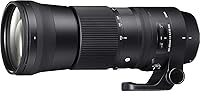
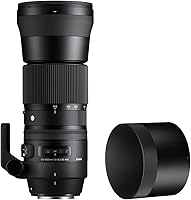
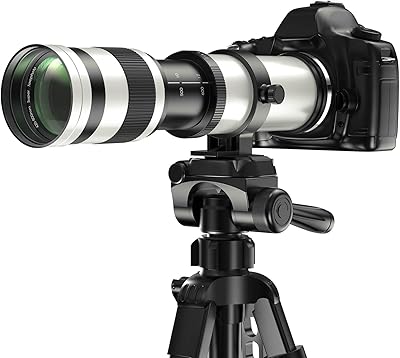
The Sigma 150-600mm Contemporary Telephoto Zoom Lens marked a significant moment for Sigma — it was the brand's first hyper-telephoto zoom under the Contemporary label, designed to bring serious reach to photographers who don't want to spend prime lens money. The 150-600mm range covers everything from compressed mid-distance portraits to distant wildlife fills, making it genuinely versatile in the field. Practically, the dust-proof mount means you're not sheltering the lens every time clouds roll in. The front element carries a water-repellent coating, so raindrops and fingerprints wipe away cleanly. One honest caveat: at just under 2kg, weight is real — this isn't a carry-all-day lens without a bag.
Features & Benefits

The built-in optical stabilizer makes a tangible difference when shooting handheld at 400mm or beyond — it buys extra stops of steadiness that matter in low-contrast early-morning light. Autofocus is handled by Sigma's Hyper Sonic Motor, which tracks moving subjects with genuine speed and stays impressively quiet, so you're not spooking birds with focus noise. Nine rounded diaphragm blades help backgrounds dissolve softly at long focal lengths, which matters when your subject is isolated against cluttered foliage. The full-frame DG designation means no crop-factor surprises on Nikon F-mount bodies. For those who want even more reach, this super-telephoto zoom works specifically with the TC-1401 and TC-2001 teleconverters — no other converters are supported.

Best For

The Sigma 150-600 Contemporary hits its stride with wildlife and bird photographers who want serious reach without committing to the price of a dedicated prime. It's also a strong fit for sports and motorsport shooters who work across variable distances in unpredictable light. Travel photographers wanting a single lens capable of both wide environmental shots and distant subject fills will find the zoom range surprisingly practical. Enthusiasts upgrading from a basic kit telephoto will notice the weather sealing immediately — it adds real confidence when shooting outdoors. On APS-C Nikon bodies, pairing this Nikon-mount telephoto with a compatible teleconverter stretches effective reach considerably, making it a compelling long-term investment.

User Feedback

Buyers consistently praise autofocus responsiveness in good light, with many noting the HSM motor keeps up well with birds in flight and fast-moving subjects at distance. Image quality earns strong marks through the mid-range of the zoom, though some users report modest softness creeping in at the full 600mm end — manageable, but worth knowing upfront. Weight comes up often: nearly 2kg makes extended handheld sessions tiring even for seasoned shooters. The tripod collar gets frequent praise for stability during stationary work, and most buyers report the weather sealing holding up well in light rain. Overall, the consensus leans positive — solid performance at this price tier, with trade-offs that are honest rather than hidden.

Pros

  • The 150-600mm zoom range covers an enormous variety of real-world outdoor shooting scenarios in a single lens.
  • Built-in optical stabilization makes handheld shooting at 400mm and beyond genuinely viable in decent light.
  • The Hyper Sonic Motor tracks moving subjects quickly and quietly — essential for wildlife that spooks easily.
  • Dust-proof and splash-proof mount construction adds real confidence when shooting in unpredictable outdoor conditions.
  • Full-frame DG compatibility means no surprises for Nikon F-mount shooters on either sensor format.
  • Nine rounded aperture blades produce smooth, natural-looking background blur at longer focal lengths.
  • Compatibility with Sigma TC-1401 and TC-2001 teleconverters gives a clear upgrade path for extra reach.
  • Image quality through the mid-range of the zoom is sharp and highly usable for print and large-format display.
  • The water and oil repellent front coating makes field maintenance quick and keeps optics cleaner longer.
  • Represents strong value in the super-telephoto zoom category for enthusiast-level Nikon shooters.

Cons

  • Sharpness at the full 600mm end noticeably lags behind the more impressive mid-range focal lengths.
  • At nearly 2kg, extended handheld sessions become physically tiring even for experienced photographers.
  • The f/6.3 maximum aperture at 600mm restricts shutter speed options in low-light or overcast conditions.
  • A 95mm front filter thread means compatible polarizers and ND filters are expensive and harder to source.
  • The minimum focus distance of 280cm limits usefulness for subjects that are only moderately far away.
  • Teleconverter compatibility is restricted to only two specific Sigma models — third-party converters will not work.
  • The lens hood and overall length when fully extended can be awkward to manage in tight or crowded locations.
  • Compared to the Sports variant, the Contemporary build feels less robust under genuinely harsh shooting conditions.

Ratings

The scores below reflect AI-driven analysis of verified global buyer reviews for the Sigma 150-600mm Contemporary Telephoto Zoom Lens, with spam, bot activity, and incentivized feedback actively filtered out before scoring. Each category is graded based on patterns found across thousands of real-world user experiences, from wildlife field trips to trackside motorsport sessions. Both what buyers loved and what frustrated them are represented transparently — no category has been softened to flatter the product.

Autofocus Speed
83%
In good daylight conditions, the Hyper Sonic Motor consistently earns praise for locking onto birds in flight and fast-moving athletes without hunting. Users shooting wildlife at dawn report reliable acquisition even in lower-contrast scenes, which is a meaningful real-world achievement for a zoom at this price point.
In dim conditions or against cluttered backgrounds, the AF system can struggle to maintain lock as confidently as prime telephoto alternatives. A handful of users noted occasional hesitation when tracking erratically moving subjects at or near 600mm.
Image Sharpness
76%
24%
Through the 150mm to 450mm range, buyers consistently describe images as crisp and detailed enough for large prints and magazine-quality crops. Wildlife photographers in particular find the mid-range focal lengths deliver images they can confidently sell or publish.
Sharpness drops noticeably at the full 600mm end, and pixel-peepers will see the difference clearly when comparing to shots taken at 400mm on the same lens. This is a real limitation for buyers expecting prime-lens consistency across the entire zoom range.
Build Quality
81%
19%
The overall construction feels substantial and well-engineered — zoom and focus rings turn smoothly without play or wobble, and the lens barrel inspires confidence during active outdoor use. The dust-proof mount is a genuine practical benefit rather than a marketing claim, according to multiple field testers.
Some users comparing it directly to the Sigma Sports version note that the Contemporary feels marginally less solid under heavy daily use, particularly around the zoom ring over extended periods. A few long-term owners have reported minor cosmetic wear on the barrel finish.
Weather Sealing
74%
26%
For enthusiasts shooting in unpredictable outdoor environments, the splash-proof mount has held up well against light rain and dusty safari conditions in buyer-reported experiences. The water-repellent front coating genuinely sheds raindrops during shooting without requiring constant wiping.
The sealing is limited to the mount area and front element — it does not extend across the full barrel, which means it is not appropriate for heavy rain or submersion-adjacent conditions. Users who shoot in genuinely wet climates feel the protection falls short of what the outdoor use case demands.
Optical Stabilization
82%
18%
Handheld shots at 400-500mm in reasonable light benefit clearly from the OS system, with buyers frequently reporting sharper keepers than they expected without a tripod. Travel photographers using it on safaris or at air shows describe the stabilization as a practical confidence boost during spontaneous shooting.
At 600mm in marginal light the OS system cannot fully compensate for the shutter speeds required, and users chasing moving subjects in overcast conditions still find a monopod or tripod necessary. The OS performance also varies across different shooting modes, and some users found the mode switching unintuitive at first.
Value for Money
88%
Across buyer feedback this is consistently the most praised aspect — for the reach, stabilization, and autofocus quality delivered at this price tier, most users feel they would need to spend considerably more elsewhere to match it. Enthusiasts who previously rented 500mm primes for wildlife trips describe buying this as a financially sound long-term decision.
The value equation weakens slightly for buyers who then need to purchase a 95mm filter, a compatible teleconverter, and a sturdy monopod to get full use from the lens — the total outlay climbs quickly. A small number of buyers expected more based on the price and felt the 600mm sharpness in particular did not fully justify the investment.
Weight & Portability
58%
42%
For its focal range and optical specification, most experienced telephoto shooters acknowledge that the Contemporary is genuinely lighter than direct competitors and the Sigma Sports sibling. Buyers who own heavier prime telephotos find it comparatively manageable for day hikes with a proper camera backpack.
At nearly 2kg, this lens is tiring to use handheld for full days in the field, and multiple buyers specifically mention arm and wrist fatigue during extended wildlife walks. Casual shooters upgrading from consumer kit zooms are often surprised by just how much physical effort extended telephoto shooting requires.
Bokeh Quality
79%
21%
The nine rounded aperture blades produce genuinely smooth background blur at longer focal lengths, which wildlife and portrait-adjacent photographers note makes subjects stand out cleanly from busy natural backgrounds. Shots of perched birds against foliage consistently show pleasant circular highlight rendering in buyer sample images.
At shorter focal lengths within the zoom range, background blur is less impressive and backgrounds can appear slightly busy depending on distance. The f/6.3 maximum aperture at 600mm limits how dramatically backgrounds can be separated, especially at closer shooting distances.
Teleconverter Compatibility
71%
29%
Buyers who invest in the Sigma TC-1401 report a useful and functional 1.4x reach extension that retains autofocus operation, which is a meaningful advantage for birders wanting occasional extra reach without switching lenses. The TC-2001 gives even more extension and still works, which users appreciate as a genuine future-proofing option.
The strict limitation to only two specific Sigma teleconverters frustrates users who already own third-party converters or other Sigma glass accessories. Autofocus speed and accuracy degrade with the TC-2001 attached, which several buyers found disappointing for action subjects at the extended focal length.
Tripod Collar
77%
23%
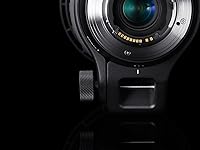
The included tripod collar is praised for its solid rotational action and useful click stops, which make switching between landscape and portrait orientation fast during active outdoor sessions. Users shooting from hides or tripods for extended periods find it significantly reduces stress on the camera mount.
Some buyers report that the foot supplied with the collar is not Arca-Swiss compatible out of the box, requiring an additional purchase to fit most modern ball heads. The locking mechanism on some units has been reported to loosen slightly after heavy field use.
Minimum Focus Distance
66%
34%
At 280cm the minimum focus distance is competitive within the super-telephoto zoom category, and buyers using it for dragonflies and medium-sized birds at closer ranges find it generally workable at longer focal lengths. Subjects roughly 10 feet away can be captured with reasonable framing at 600mm.
For smaller subjects like insects or small songbirds, 280cm is often not close enough to fill the frame meaningfully at shorter focal lengths, which pushes buyers toward a second dedicated macro or mid-telephoto lens. Users expecting closer working distances from a lens marketed partly for wildlife photography find this a genuine practical limitation.
Zoom Ring Feel
78%
22%
The zoom action is smooth without being loose, and users who shoot at set focal lengths all day appreciate that the lens holds its zoom position without creeping when pointed downward. The physical range of rotation feels well-calibrated for precise framing adjustments in the field.
A small number of users report that zoom ring resistance changes slightly in cold temperatures, requiring more deliberate force to adjust quickly. The large physical size of the barrel makes single-handed zoom adjustments cumbersome compared to smaller telephoto zooms.
Low-Light Performance
61%
39%
In overcast daylight or open shade, the lens performs acceptably with modern high-ISO Nikon bodies compensating for the narrower maximum aperture. Users shooting at sports venues with strong artificial lighting find it adequate when combined with cameras capable of clean high-ISO output.
The f/6.3 aperture at 600mm is a genuine constraint in low-light situations — indoor sports arenas, golden hour wildlife, and early morning forest shooting all push this combination to its limits. Buyers who regularly shoot in dim conditions report significantly more missed shots due to shutter speed limitations compared to faster telephoto options.
Autofocus Noise
86%
The HSM motor operates almost silently during focus acquisition, which is a practical benefit for wildlife photographers who work close enough to subjects for lens noise to matter. Video shooters using the lens for nature documentary work also report that AF noise is low enough to be non-intrusive on external audio recordings.
While quiet in normal operation, some users report occasional audible clicks or small mechanical sounds during rapid focus hunting in difficult contrast situations. These instances are infrequent but noticeable to users accustomed to the near-silent operation of premium prime lenses.

Suitable for:

The Sigma 150-600mm Contemporary Telephoto Zoom Lens is a strong match for outdoor photographers who need serious focal reach without stepping into the price bracket of professional prime telephotos. Wildlife and bird photographers in particular will appreciate the 600mm ceiling — it's the kind of reach that turns a distant raptor perched on a branch into an actual photograph, not a speck. Sports shooters covering unpredictable action, like motorsport or field athletics, benefit from the zoom flexibility, since locking into a fixed focal length at these distances is often impractical. Travel photographers who want one lens to carry from wide environmental shots to compressed distant subjects will find the 150mm lower end surprisingly useful for that dual-purpose role. Nikon F-mount shooters on full-frame or APS-C bodies will both get full use from this lens, and those willing to add the TC-1401 or TC-2001 teleconverter can push reach even further for specialized shooting situations.
Not suitable for:

The Sigma 150-600mm Contemporary Telephoto Zoom Lens is genuinely not the right tool for photographers who prioritize absolute optical perfection at the long end of the zoom range. Buyers expecting prime-lens sharpness at 600mm will find the results decent but not clinically sharp — this is a zoom making compromises to cover a wide focal range, and those compromises show up when pixel-peeping at maximum reach. At nearly 2kg, it is also a poor fit for anyone who plans to shoot handheld for long stretches without a monopod or tripod — fatigue is real, and no amount of optical stabilization fully compensates for arm strain over hours. Photographers working frequently in very low light, such as indoor sports arenas or twilight shooting, may struggle with the f/6.3 maximum aperture at 600mm, which limits shutter speed options. Those already owning the Sigma Sports version of this zoom, or considering it, should know the Contemporary trades some optical performance and build robustness for a more manageable size and price — it is not an upgrade path, it is a different compromise.
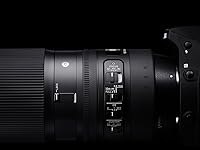
Specifications

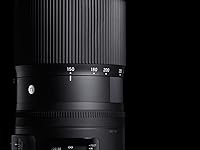
  • Focal Length: Covers a continuous zoom range from 150mm to 600mm, suitable for mid-distance to extreme telephoto shooting.
  • Max Aperture: Opens to f/5 at the wide end and f/6.3 at 600mm, which is typical for zoom lenses in this focal range.
  • Lens Mount: Designed exclusively for Nikon F-mount cameras, covering both full-frame and APS-C sensor bodies.
  • Stabilization: Features Sigma's Optical Stabilizer (OS) system to reduce camera shake during handheld telephoto shooting.
  • Autofocus Motor: Equipped with a Hyper Sonic Motor (HSM) for fast, near-silent autofocus operation during photo and video capture.
  • Diaphragm: Nine rounded aperture blades produce smooth, gradual out-of-focus rendering in the background at longer focal lengths.
  • Min Focus Distance: Minimum focusing distance is 280cm (110.2 inches), measured from the camera sensor plane to the subject.
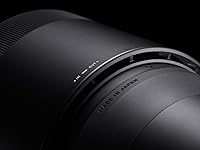
  • Filter Thread: Accepts 95mm screw-on filters at the front element, including polarizers and neutral density filters.
  • Weight: The lens weighs 1930g (approximately 68oz), which is substantial and should be factored into any handheld shooting plan.
  • Weather Sealing: The lens mount is dust-proof and splash-proof, offering basic environmental protection during outdoor use.
  • Front Coating: The front glass element features a water and oil repellent coating that resists smudges and makes cleaning easier.
  • Sensor Coverage: DG designation confirms the optical design covers a full 35mm full-frame image circle without vignetting on compatible bodies.
  • Teleconverters: Compatible exclusively with Sigma TC-1401 (1.4x) and TC-2001 (2x) teleconverters; no other converters are supported.
  • Product Line: Belongs to Sigma's Contemporary line, which prioritizes a balance of optical quality, portability, and accessible pricing.
  • Lens Type: Classified as a super-telephoto zoom lens, intended for distant subjects in wildlife, sports, and outdoor photography.
  • Dimensions: The lens measures approximately 16 x 12 x 12 inches in its packaged form, making it a large piece of kit to transport.

Related Reviews
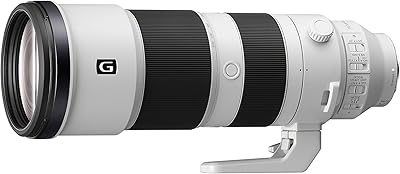
Sony SEL200600G 200-600mm Telephoto Zoom Lens
79%
93%
Autofocus Speed
91%
Optical Sharpness
88%
Image Stabilization
89%
Build Quality
74%
Value for Money
More
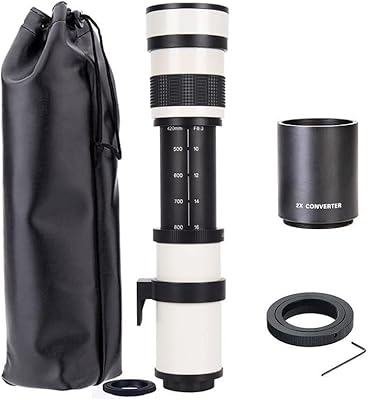
JINTU 420-1600mm Telephoto Zoom Lens for Canon EF Mount
79%
91%
Magnification Range
85%
Build Quality
65%
Manual Focus Usability
55%
Weight & Portability
87%
Value for Money
More
Sigma 30mm F1.4 DC DN Mirrorless Lens
84%
93%
Optical Sharpness
91%
Bokeh Quality
74%
Autofocus Performance
89%
Low-Light Capability
71%
Build Quality
More
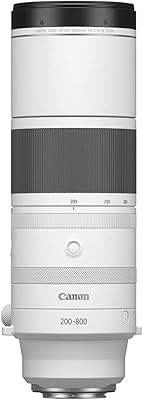
Canon RF200-800mm F6.3-9 IS USM Zoom Lens
82%
96%
Zoom Range Versatility
91%
Image Stabilization
83%
Autofocus Performance
89%
Portability & Weight
58%
Aperture Range
More
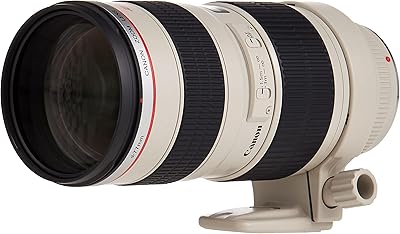
Canon EF 70-200mm f/2.8L USM Telephoto Zoom Lens
82%
91%
Autofocus Speed
93%
Image Sharpness
94%
Build Quality
92%
Aperture Consistency
89%
Bokeh & Subject Separation
More
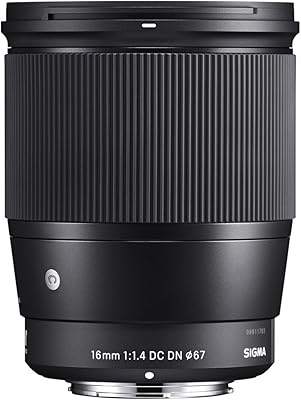
Sigma 16mm f/1.4 DC DN Wide-Angle Lens
80%
93%
Optical Sharpness
91%
Low-Light Performance
88%
Autofocus Reliability
84%
Build Quality
92%
Value for Money
More
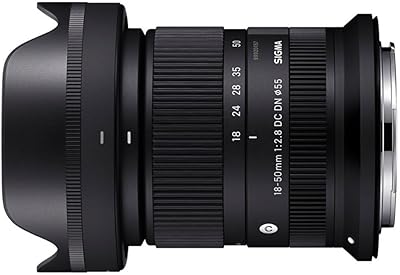
Sigma 18-50mm F2.8 DC DN Zoom Lens
84%
88%
Optical Sharpness
91%
Autofocus Performance
74%
Build Quality & Handling
86%
Value for Money
93%
Portability & Size
More
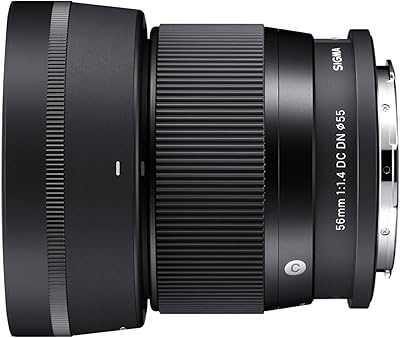
Sigma 56mm Contemporary Prime Camera Lens
84%
93%
Optical Sharpness
91%
Bokeh Quality
84%
Autofocus Performance
88%
Video AF & Audio
89%
Low-Light Performance
More
Sigma 18-50mm F2.8 DC DN Zoom Lens
81%
88%
Autofocus Performance
83%
Optical Sharpness
81%
Build Quality
94%
Size & Portability
86%
Low-Light Performance
More
Canon EF 100-300mm f/4.5-5.6 Telephoto Zoom Lens
75%
88%
Autofocus Speed
91%
Autofocus Noise
67%
Image Sharpness
43%
Image Stabilization
78%
Build Quality
More

FAQ

Yes, the DG designation means it is specifically designed to cover a full-frame image circle, so it works without vignetting on any Nikon F-mount full-frame body including the D810, D750, and similar cameras.

You can, but only with the Sigma TC-1401 (1.4x) or TC-2001 (2x) teleconverters — these are the only two compatible options. Third-party teleconverters and other Sigma converters are not supported, and stacking two converters together is also not possible.

The Sports version is built to a higher optical and mechanical standard, with more robust weather sealing and slightly better edge-to-edge sharpness. The Contemporary is lighter, more compact, and costs noticeably less, making it the practical choice for enthusiasts who prioritize portability and value over outright performance.

Honestly, it is heavy for extended handheld use — most shooters find a monopod makes a significant difference on longer outings. Short bursts handheld at 150-300mm are comfortable, but sustained shooting at 500-600mm without support will tire your arms fairly quickly.

The OS system does help meaningfully, especially in good light where shutter speeds are reasonable. At 600mm you still want as much light as possible to keep shutter speeds high — stabilization compensates for camera shake but does not freeze subject motion, so it works best on stationary or slow-moving subjects.

It takes 95mm screw-on filters, which is a large and less common size. Quality polarizers and ND filters at 95mm are available but tend to cost more than smaller sizes, so factor that into your budget if you plan to use filters regularly.

The mount sealing provides solid protection against dust ingress and light rain splashes, and the water-repellent front coating helps keep the glass clean. It is not submersible or rated for heavy downpours, but most buyers report it holds up well in typical outdoor conditions like drizzle and dusty environments.

The minimum focusing distance is 280cm from the sensor, which is roughly 9 feet from the front of the lens to your subject. For small birds or insects, that distance may not get you close enough for a truly frame-filling shot at shorter focal lengths, though at 600mm the working distance feels more natural for wildlife.

Yes, it works perfectly on APS-C Nikon F-mount bodies. On a crop sensor camera the effective field of view is narrower, which actually gives you additional apparent reach — at 600mm on a 1.5x crop body you get a field of view equivalent to roughly 900mm on full-frame.

Yes, the Sigma 150-600 Contemporary ships with a removable tripod collar. Many users find it essential for any supported shooting — mounting such a heavy lens via the camera body alone puts unnecessary strain on the mount, so using the collar on a tripod or monopod is strongly recommended for prolonged sessions.

Where to Buy