Overview

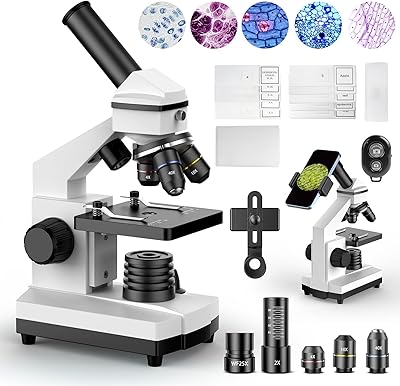
The Poothoh ZC-2545 Compound Monocular Microscope is an entry-level optical instrument built for students, homeschoolers, and curious beginners who want a real microscope without spending a lot. Unlike flimsy plastic scopes marketed as educational toys, this one has a metal body construction that feels genuinely solid in hand and holds up to repeated use. It ships with a cell phone adapter — a useful inclusion that lets kids photograph slides and share findings without buying extra gear. Poothoh positions itself in the affordable science equipment space, and this model reflects that clearly: it is a teaching tool first and a precision instrument second.
Features & Benefits

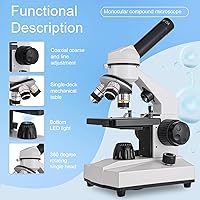
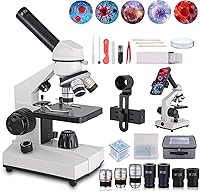
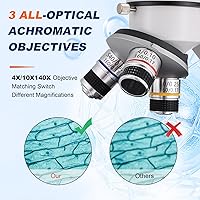
This student microscope includes three objective lenses — 4x, 10x, and 40x — that pair with the wide-angle eyepiece to span a broad magnification range. That upper limit deserves honesty: at maximum zoom, image sharpness drops, and most users will find the real sweet spot sits between 100x and 600x for clear, usable views. The coaxial focus system stands out, combining coarse and fine adjustment with 0.001mm fine-tuning precision that makes locking onto a specimen far less frustrating than on cheaper scopes. A disc diaphragm and built-in LED handle lighting well, and since it runs on 110V power, there are no batteries to worry about.

Best For

This monocular microscope is well suited for a fairly specific group of buyers. K-12 students tackling biology projects — exploring pond water, plant cells, or insect anatomy — will get solid value from it. It also fits homeschool science setups where parents want tactile, real-world tools rather than just textbook diagrams. Adults brand new to microscopy who want an approachable starting point, rather than something toy-like, will find the learning curve reasonable. As a gift, it works well for kids around age 8 and up. That said, serious researchers or advanced hobbyists should look at purpose-built instruments instead.

User Feedback

Across 52 ratings, the Poothoh microscope holds a 4.1 out of 5 star average — a number that reflects real satisfaction alongside a few consistent reservations. Buyers frequently highlight the sturdy build quality and strong image clarity at lower magnifications, where the optics genuinely punch above their weight. The focus knobs also earn praise, with beginners noting how quickly they achieved sharp results. On the downside, the 2000x maximum does not hold up in practice, and some reviewers found the instruction manual harder to follow than expected. The included phone adapter draws mixed opinions — conceptually handy, but occasionally awkward to align correctly with the eyepiece.

Pros

  • Metal body construction feels noticeably sturdier than plastic scopes at a comparable price point.
  • Coaxial coarse and fine focus system makes achieving sharp images much faster than competing budget models.
  • Optical clarity between 40x and 400x is genuinely impressive for an entry-level instrument.
  • Built-in LED eliminates battery hassles and provides consistent, reliable illumination session after session.
  • The 45-degree angled eyepiece reduces neck strain during extended observation, a practical comfort advantage.
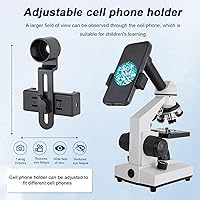
  • Cell phone adapter is included out of the box, letting students photograph specimens without extra purchases.
  • Setup is beginner-friendly — most users report having it operational within 20 minutes of unboxing.
  • At 4.42 pounds, this monocular microscope is easy to move, store, or carry between home and classroom.
  • Solid value for homeschool science setups where budget matters but toy-grade quality is not acceptable.
  • A 4.1 out of 5 star average across real buyers suggests consistent satisfaction among its target audience.

Cons

  • The 2000x maximum magnification is largely theoretical — usable clarity drops significantly above 600x.
  • Instruction manual is vague and poorly translated, leaving complete beginners to rely on outside tutorials.
  • No prepared slides or blank slides are included, requiring a separate purchase before serious use begins.
  • Stage clips feel lightweight and can lose grip over time with regular handling by younger users.
  • Aligning the phone adapter with the eyepiece is fiddly and takes multiple attempts to get right.
  • No carrying case is included, leaving the optics unprotected during transport or storage.
  • Lack of X-Y mechanical stage makes scanning across a slide a frustrating manual nudging process.
  • LED brightness cannot be adjusted beyond the diaphragm disc, limiting control with varied specimen types.
  • Fine focus knob can become less precise with frequent use, particularly in the hands of younger children.
  • Smaller secondary components show wear faster than the main metal frame under regular classroom-style use.

Ratings

The Poothoh ZC-2545 Compound Monocular Microscope earns a 4.1 out of 5 star average across verified global buyers, and the scores below reflect what our AI rating engine found after analyzing that feedback pool — actively filtering out incentivized reviews, duplicate submissions, and outlier ratings that skew results unfairly. Strengths like build quality and optical clarity at moderate magnifications scored well, while areas like maximum zoom performance and documentation revealed real friction points that prospective buyers deserve to know about upfront.
Optical Clarity (Mid-Range Magnification)
83%
At magnifications between 40x and 400x, this student microscope consistently delivers sharp, well-defined images that genuinely surprise users given its price tier. Beginners exploring pond water samples or onion skin cells report clear, distinct cellular structures without much fuss or adjustment.
As magnification climbs toward the upper range, image sharpness deteriorates noticeably. Users trying to push past 600x often describe a blurry, washed-out view — functional enough for curiosity, but not reliable enough for any serious documentation or detailed observation.
Maximum Magnification Realism
51%
49%
The three objective lenses do technically achieve a wide magnification span, and for teaching basic cell structure concepts, the mid-range options work well in practice. The optical glass lenses outperform what you would expect from a toy-grade instrument.
The advertised 2000x ceiling is largely a marketing figure. Real-world usability at that level is poor — chromatic distortion and vibration make it impractical. Buyers expecting 2000x to function like professional microscopy will be disappointed and should calibrate expectations accordingly.
Build Quality & Durability
88%
The metal body stands out immediately when compared to similarly priced plastic competitors. It feels solid on a desk, resists accidental bumps well, and the arm and base construction gives it a stability that younger users genuinely benefit from during longer observation sessions.
While the frame is metal, some smaller components — particularly the stage clips — feel noticeably lighter in quality. A few users reported that these secondary parts loosened over time with regular handling by children, which is worth monitoring.
Focus System Performance
84%
The coaxial coarse and fine focus system is one of the strongest selling points here. Even novice users report getting sharply focused images within a few minutes of setup, and the fine adjustment knob offers a level of control that most budget scopes simply do not include.
Under high magnification, even small adjustments to the focus knob can throw the image off significantly, which becomes frustrating during extended sessions. Some users noted the coarse knob feels slightly stiff initially, though this tends to loosen with use.
LED Illumination Quality
79%
21%
The built-in LED provides steady, consistent lighting without the heat or bulb-replacement hassle of older halogen systems. The disc diaphragm gives enough control over light intensity that users can get reasonable contrast on a variety of specimen types.
The LED brightness is fixed and cannot be dimmed or adjusted beyond the diaphragm disc, which limits versatility with thicker or opaque specimens. A small number of users noted uneven light distribution at the edges of the field of view under certain settings.
Ease of Setup
86%
Most buyers report getting the microscope up and running within 15 to 20 minutes of unboxing, with no tools required for basic assembly. This is a real advantage for homeschool parents and younger students who want to start exploring immediately rather than spending an afternoon on setup.
The included instruction manual has drawn consistent criticism for being vague and poorly translated in places. Users who are entirely new to microscopy sometimes need to supplement with online tutorials to fully understand all the adjustments available to them.
Cell Phone Adapter Usability
62%
38%
Including a phone adapter at this price point is a genuinely thoughtful addition, and when it works well, it lets students snap photos of slides and share discoveries easily — a feature that older, pricier scopes did not bother with for years.
Alignment is the recurring frustration. Fitting the adapter snugly over the eyepiece and lining up the phone camera with the optical axis takes patience and several attempts. Reviewers with larger smartphone models found it particularly awkward to keep stable during capture.
Ergonomics & Viewing Comfort
77%
23%
The 45-degree angled eyepiece is a practical design choice for extended observation sessions, reducing the neck strain that straight-tube monocular scopes are notorious for. Students who use it for 30 to 45 minutes at a stretch generally report no major physical discomfort.
Shorter users — particularly younger children — may find the eyepiece height uncomfortable without a booster seat or adjusted chair. The monocular design also means eye fatigue can accumulate faster than with binocular alternatives during very long sessions.
Value for Money
85%
For the intended audience — beginners, students, and homeschoolers — this microscope delivers more functional value per dollar than most alternatives in its category. The metal build, coaxial focus, and included adapter justify the cost when compared against toy microscopes that cost nearly as much.
For buyers expecting professional-grade results or planning to grow into serious microscopy, the investment does not scale well. The optics and accessories are firmly entry-level, and upgrading meaningfully would require purchasing a new instrument entirely rather than adding components.
Specimen Stage & Slide Handling
68%
32%
The stage is spacious enough to handle standard 25x75mm prepared slides without difficulty, and the mechanical positioning works adequately for basic navigation across a specimen. It handles both transparent and solid specimens reasonably well with the included illumination.
The stage lacks a mechanical X-Y movement control, which means repositioning slides requires nudging them manually — a clumsy experience when trying to scan across a specimen precisely. The stage clips, while functional, are not as secure as buyers might hope.
Accessories & What's in the Box
66%
34%
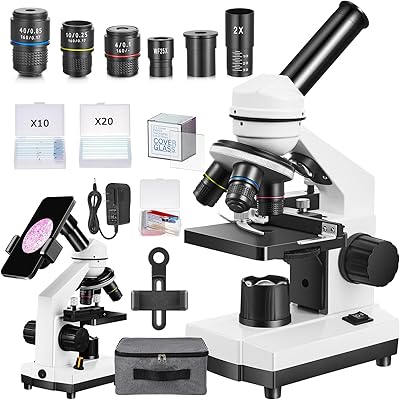
Beyond the phone adapter, the package includes the basics needed to get started, and for a beginner kit the overall completeness is reasonable. Having the adapter, objective lenses, and eyepiece all included means buyers do not need to source parts separately on day one.
Blank slides, prepared specimen slides, and lens cleaning tools are absent from the package, which catches some buyers off guard. These are not expensive items, but having to order them separately before a first real observation session adds friction to the out-of-box experience.
Instruction Manual Quality
43%
57%
The manual does cover the basic assembly steps in a logical sequence, and for users with any prior science background it serves as a passable quick-start reference for getting the optics aligned and the light working.
Translation quality is a recurring complaint — phrasing is often unclear, and some technical terms are used inconsistently throughout. Complete beginners frequently report turning to YouTube tutorials because the manual alone leaves too many questions unanswered about how to prepare and focus specimens properly.
Portability & Storage
72%
28%
At 4.42 pounds and a relatively compact footprint, this monocular microscope is easy to move between rooms or pack away in a cabinet after use. It is not bulky compared to full lab-grade models, which matters for home setups where desk space is limited.
No carrying case is included, which is a noticeable gap for a product that is often purchased as a gift or for transport between home and a classroom. The metal build, while sturdy, means a hard knock during transport without protection could cause damage to the optics.
Long-Term Reliability
69%
31%
Users who have owned the microscope for six months or more generally report that the core optics and focus system remain functional without any meaningful degradation. The metal frame holds its alignment well under normal educational use conditions.
The smaller mechanical components — stage clips, diaphragm disc, and the adapter mount — show wear faster than the main body. A handful of longer-term reviewers noted the fine focus knob becoming less precise over time with frequent use by younger children.

Suitable for:

The Poothoh ZC-2545 Compound Monocular Microscope is a strong match for families and students who want a real optical instrument without the cost or complexity of a professional-grade setup. K-12 students working on biology assignments — examining plant cells, pond water, or prepared slides — will find it capable and approachable enough to use with minimal adult supervision after initial setup. Homeschooling parents building out a hands-on science curriculum will appreciate that it functions like a legitimate lab tool rather than an oversized toy, and the included cell phone adapter means kids can photograph their discoveries and incorporate them into reports or presentations. Curious adults who are brand new to microscopy and simply want to explore the micro world as a hobby will find the learning curve manageable, especially with the coaxial focus system doing a lot of the heavy lifting. It also makes a genuinely thoughtful science gift for children aged 8 and up who have shown real interest in biology or nature.
Not suitable for:

Buyers expecting professional or semi-professional optical performance should look elsewhere — the Poothoh ZC-2545 Compound Monocular Microscope is an entry-level instrument, and its optics reflect that clearly at higher magnification levels. Hobbyists or researchers who need reliable, detailed imaging above 600x will find the image quality at the upper end of the magnification range too degraded for any meaningful work. Anyone planning to use this microscope in a formal lab environment alongside trained scientists will quickly outgrow it, and the absence of a mechanical X-Y stage makes precise specimen navigation cumbersome in ways that serious users will not tolerate for long. Buyers who need to examine opaque or thick specimens extensively may also find the fixed-brightness LED limiting, as there is no fine control over illumination intensity beyond the basic disc diaphragm. If you are shopping for an instrument to grow with as skills advance, this student microscope is likely to feel restrictive within a year or two of regular, serious use.
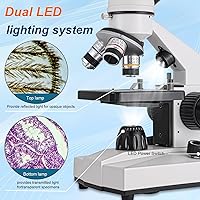
Specifications

  • Brand: Manufactured and sold under the Poothoh brand, a company focused on affordable educational science equipment.
  • Model: The model designation is ZC-2545, a compound monocular configuration designed for entry-level educational use.
  • Dimensions: The assembled microscope measures 11.2″ long by 8″ wide by 16.9″ tall, fitting comfortably on a standard student desk.
  • Weight: The unit weighs 4.42 pounds, making it light enough to reposition easily without being so light that it feels unstable.
  • Body Material: The main frame and arm are constructed from metal, providing significantly more rigidity and longevity than plastic-bodied alternatives at this price level.
  • Magnification Range: Three objective lenses — 4x, 10x, and 40x — combine with the wide-angle eyepiece to deliver a magnification range spanning 40x to 2000x.
  • Objective Lenses: The turret includes three DIN-standard objective lenses rated at 4x, 10x, and 40x, all using optical glass for improved light transmission.
  • Eyepiece Angle: The monocular eyepiece is fixed at a 45-degree viewing angle to reduce neck and shoulder strain during extended observation sessions.
  • Focus System: A coaxial dual-knob system handles both coarse and fine focus adjustment, with the fine focus offering 0.001mm precision per increment.
  • Light Source: Illumination is provided by a built-in LED running on 110V AC power, eliminating the need for batteries entirely.
  • Diaphragm: A rotating disc diaphragm sits beneath the stage and allows basic control over the amount of light reaching the specimen.
  • Power Requirement: The microscope requires a standard 110V AC outlet and is intended for use in North American electrical environments.
  • Included Accessories: The package includes a cell phone adapter designed to fit over the eyepiece for basic smartphone photography of specimens.
  • Specimen Stage: The flat stage accommodates standard 25x75mm prepared slides and includes basic stage clips to hold slides in position during viewing.
  • Color: The microscope is finished in white with contrasting black mechanical components, giving it a clean, modern appearance.
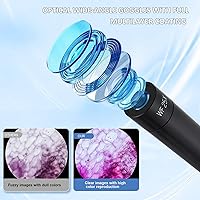
  • Eyepiece Type: The single wide-angle eyepiece provides a broader field of view compared to standard eyepieces, which helps beginners locate and track specimens more easily.
  • First Available: This model became available for purchase in April 2023, making it a relatively recent entry in the budget educational microscope category.
  • Average Rating: Based on 52 verified ratings, the microscope holds a 4.1 out of 5 star average, reflecting general buyer satisfaction with some noted reservations.

Related Reviews
SWIFT SW200DL Compound Monocular Microscope
81%
83%
Optical Clarity
78%
Magnification Range
91%
Dual Illumination System
88%
Build Quality & Durability
86%
Fine Focus Mechanism
More
SWIFT SS121 Compound Monocular Microscope Kit
80%
88%
Build Quality
81%
Optical Clarity
84%
Illumination System
86%
Ease of Use
72%
Magnification Range
More
Celestron CM1000C Monocular Compound Microscope
81%
91%
Value for Money
88%
Image Clarity and Magnification
85%
Ease of Use for Beginners
90%
Build Quality and Durability
83%
Focus Control Precision
More
Poothoh SMXWJ-02 Trinocular Compound Microscope
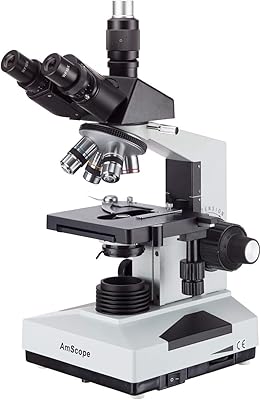
73%
83%
Optical Clarity
88%
Build Quality
67%
USB Camera Performance
84%
Mechanical Stage
81%
Illumination
More
AmScope T490B Compound Trinocular Microscope
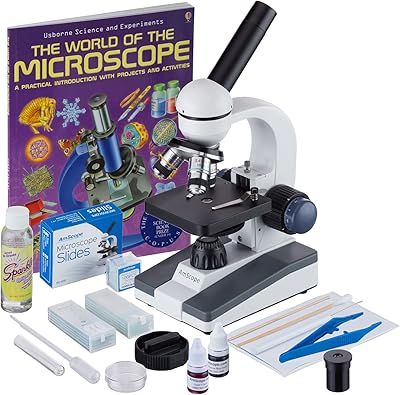
74%
88%
Optical Clarity
91%
Trinocular Head
78%
Camera Integration
86%
Mechanical Stage
89%
Build Quality
More
Herwicm RM Binocular Compound Microscope
73%
78%
Optical Clarity
74%
Build Quality
86%
Ease of Setup
76%
Focusing Mechanism
81%
Lighting System
More
Fitense RM 40X-2000X Monocular Microscope
73%
83%
Optical Clarity (Low-Mid Range)
54%
Optical Clarity (Max Magnification)
78%
Build Quality
81%
LED Lighting System
88%
Included Accessory Kit
More
AmScope M158 USB Compound Microscope
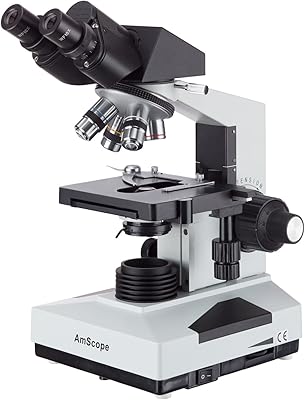
74%
88%
Build Quality
79%
Optical Clarity
51%
Camera Quality
91%
Ease of Setup
62%
Software Experience
More
AmScope M150C Student Compound Microscope
82%
89%
Value for Money
85%
Build Quality
88%
Ease of Use
82%
Performance at High Magnification
86%
Image Clarity
More
SVBONY SV605 Binocular Compound Microscope
85%
90%
Value for Money
88%
Ease of Setup
85%
Build Quality
89%
Optical Performance
91%
Illumination System
More

FAQ

Honestly, 2000x is the theoretical ceiling, not the practical one. Most users find that image quality starts degrading noticeably above 400x to 600x — you will see something, but it tends to be blurry and difficult to interpret. For the kind of work this student microscope is designed for, the mid-range magnifications between 40x and 400x are where it genuinely shines.

Most buyers find it works well for children aged 8 and up with some initial adult guidance. Younger kids may need help with setup and focusing, but the 45-degree eyepiece and straightforward focus knobs make it far more accessible than traditional straight-tube designs. Teenagers and adults can use it entirely independently.

No, the package does not include prepared slides or blank slides — just the microscope, the objective lenses, and the cell phone adapter. You will need to purchase slides separately before your first real observation session. Basic slide kits are inexpensive and widely available online.

The adapter clips over the eyepiece and is designed to align your phone camera with the optical axis so you can photograph what you see through the lens. It works with most standard smartphones, but alignment can be fiddly — especially with larger phones. Expect to spend a few minutes getting the position right before you get a clean shot.

For the most part, yes. The majority of buyers report having it assembled and functional within 15 to 20 minutes. The main friction point is the instruction manual, which is not very clearly written and can leave complete beginners confused. If you run into trouble, a quick search for setup tutorials online for compound monocular microscopes will fill in the gaps.

The built-in LED is rated for 110V, which is the standard North American voltage. If you are in a country that uses 220-240V, you would need a step-down voltage converter to use it safely. It is not a dual-voltage unit, so plugging it directly into a higher-voltage outlet could damage the light source.

For most standard high school biology topics — cell structure, plant tissue, pond microorganisms, and basic histology slides — it is more than adequate. It handles prepared slides well and produces clear images at the magnification levels typically required for coursework assignments. It is not suitable for advanced AP lab work that demands higher resolution or more precise specimen control.

Use a dedicated optical lens cleaning cloth or lens tissue — never paper towels, tissues, or your shirt. For stubborn smudges, a small amount of lens cleaning solution applied to the cloth (not directly to the glass) works well. Avoid touching the objective lenses with your fingers, as oils from skin are surprisingly difficult to clean off completely without the right materials.

The coarse focus knob holds position reliably during normal use. The fine focus knob is stable at mid-range magnifications, but some users note a very slight drift at the highest magnification settings where even minor vibrations or table movement can shift the focus. Placing the microscope on a firm, stable surface helps minimize this.

The metal frame is genuinely sturdy and handles the bumps and handling that come with regular use by kids reasonably well. The weaker points are the smaller plastic components — the stage clips and diaphragm disc — which show wear faster under heavy-handed use. It is not fragile, but it is not indestructible either; a hard drop from a desk height could cause optical misalignment.