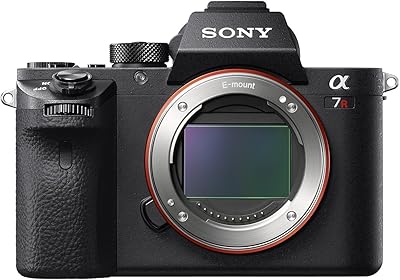
Nikon Z 6II Full-Frame Mirrorless Camera


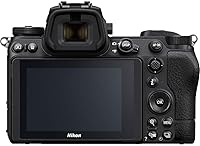
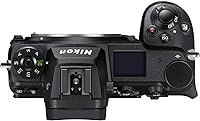
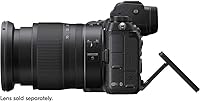
Overview
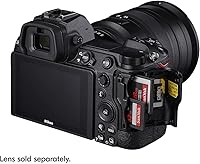
The Nikon Z 6II Full-Frame Mirrorless Camera is Nikon's second pass at their full-frame mirrorless formula — and the improvements are targeted, practical, and clearly shaped by real user feedback. The original Z 6 was already a capable body, but it had gaps that frustrated working photographers: a single card slot, a modest buffer, and AF that occasionally stumbled under pressure. Nikon addressed all three. The addition of dual EXPEED 6 processors alone changes how the camera feels to shoot with — faster, more confident, less hesitant. In a market crowded with capable full-frame mirrorless options, the Z 6II focuses on doing the right things better rather than chasing spec-sheet headlines.
Features & Benefits
The Z 6II's 24.5MP BSI sensor is genuinely strong in low light — push it to ISO 6400 or even 12800 and noise stays manageable, making it a reliable choice for dim receptions, nighttime portraits, or indoor events. Continuous shooting at 14 FPS with a dramatically expanded buffer means you can track a sprinting athlete or a first dance without the camera choking mid-burst. Video capability here is serious: 4K UHD up to 60p with full-pixel readout produces clean, detailed footage that hybrid creators will appreciate. The 273-point autofocus system tracks eyes and faces with notable consistency, and the five-axis IBIS quietly handles stabilization so handheld shots stay sharp even at slower shutter speeds.
Best For
This full-frame hybrid camera makes the most sense for photographers living in demanding, real-world shooting conditions. Wedding and event photographers will particularly value dual card slot redundancy — one missed card error on a client's wedding day is one too many. If you're a longtime Nikon DSLR shooter, the FTZ adapter lets you carry your existing F-mount glass into the Z system without much friction. Low-light work — nightlife, astro, or moody portrait sessions — is squarely in this body's comfort zone. For content creators running long livestreams or extended video sessions, USB-C constant power delivery means a dying battery won't cut your shoot short at a critical moment.
User Feedback
Buyers of this Nikon mirrorless body consistently highlight two things: ergonomics and reliability. Photographers moving from Nikon DSLRs frequently mention how natural the button layout feels, with controls landing where you expect them without a lengthy adjustment period. Autofocus earns consistent praise across sports, portraits, and candid events. That said, honest feedback surfaces a few recurring frustrations. Battery life per charge is modest, and shooters covering long events often carry two or three spares as standard practice. Nikon's menu system draws some complaints from newcomers, with a learning curve that takes time to flatten. Video users have noted minor rolling shutter in certain scenarios, though most find it acceptable for general hybrid work.
Pros
- Dual card slots provide genuine backup redundancy that working professionals actually depend on.
- BSI sensor delivers clean, detailed files in low light that hold up well through ISO 6400 and beyond.
- 14 FPS continuous shooting with a dramatically larger buffer keeps up with fast, unpredictable subjects.
- The Z 6II shoots 4K UHD at up to 60p with full-pixel readout — serious video quality in a stills-first body.
- Five-axis IBIS makes handheld video and slow-shutter stills noticeably more forgiving in real shooting conditions.
- FTZ adapter compatibility lets existing Nikon F-mount lens owners switch systems without abandoning their glass.
- USB-C constant power delivery is a practical lifesaver for livestreamers and long video recording sessions.
- Weather sealing builds confidence for outdoor event work, light rain, and dusty shooting environments.
- Ergonomics and button layout feel immediately familiar to anyone coming from a Nikon DSLR body.
- 273-point phase-detect AF with face and eye detection performs reliably across portraits, events, and indoor action.
Cons
- Battery life per charge is modest — most event photographers routinely carry two or three spares as standard practice.
- The menu system has a steep initial learning curve, especially for photographers arriving from other brands.
- CFexpress and XQD cards carry a noticeably higher cost than standard SD media, adding to the total investment.
- Rolling shutter is visible during fast panning in video mode, which can be disruptive in run-and-gun situations.
- The native Z-mount lens lineup, while growing, is narrower than competing full-frame mirrorless ecosystems.
- SnapBridge wireless transfer app has a mixed reliability record across different phone operating system versions.
- The body-to-lens balance can feel front-heavy with larger adapted telephoto lenses without an added grip.
- Animal eye-detect, while improved, still trails the performance level that dedicated wildlife photographers expect.
- Accessing deeply buried custom settings mid-shoot requires enough menu familiarity that it can slow down spontaneous moments.
- Wi-Fi raw file transfer speeds are slow enough that most professionals default to USB tethering for serious workflow use.
Ratings
The scores below reflect an AI-driven analysis of verified buyer reviews for the Nikon Z 6II Full-Frame Mirrorless Camera, drawn from thousands of real-world user experiences worldwide — with spam, bot submissions, and incentivized feedback actively filtered out. Every category captures what genuine owners consistently praised or flagged across different shooting disciplines, from wedding halls to astro fields. Both the strengths and the friction points are represented here without softening either side.
Autofocus Performance
Low-Light Image Quality
Video Capability
Build Quality & Ergonomics
Battery Life
Continuous Shooting & Buffer
In-Body Stabilization (IBIS)
Dual Card Slot Design
Menu System & Usability
Lens Ecosystem & Mount Compatibility
Electronic Viewfinder Quality
Connectivity & Workflow
Value for Money
Body Size & Portability
Suitable for:
The Nikon Z 6II Full-Frame Mirrorless Camera was built for photographers and creators who genuinely put their gear to work under real pressure. Wedding and event photographers will find the dual card slot setup particularly reassuring — shooting a once-in-a-lifetime moment with automatic backup writing running quietly in the background is a meaningful upgrade from trusting a single card. The Z 6II also makes a compelling case for Nikon DSLR veterans who have been hesitant to switch mounts; FTZ adapter compatibility means an existing collection of F-mount glass carries over without the financial pain of rebuilding from scratch. Low-light specialists — portrait photographers, nightlife shooters, and anyone doing astro work under dark skies — will feel immediately at home with the BSI sensor's clean high-ISO performance. Hybrid creators who need one body to handle both a client's video deliverables and still imagery will appreciate the serious 4K capability without being forced into a dedicated cinema camera budget.
Not suitable for:
Buyers expecting a point-and-shoot experience should look elsewhere — the Nikon Z 6II Full-Frame Mirrorless Camera is a sophisticated professional tool, and its menu depth and customization options come with a genuine learning curve that casual shooters will find frustrating rather than empowering. If battery endurance is non-negotiable and carrying spare cells is not part of your workflow, this body will cause headaches, particularly during long outdoor shoots away from power sources. Photographers whose work revolves around extreme telephoto action — wildlife at distance, airshow coverage — may find that the native Z-mount telephoto lens selection still feels thin compared to more mature mirrorless ecosystems. Strictly budget-minded buyers also need to factor in the total system cost honestly: a CFexpress card, the FTZ adapter if using older lenses, and a vertical grip for extended sessions add meaningful expense on top of the body price. Those primarily interested in casual travel snapshots or social media photography would be paying for a level of capability they are unlikely to use.
Specifications
- Sensor: 24.5MP back-side illuminated (BSI) CMOS full-frame (35mm) sensor designed for strong light-gathering efficiency, particularly in low-light environments.
- Processors: Dual EXPEED 6 image processors working in tandem to handle faster continuous shooting, improved autofocus calculations, and reduced buffer recovery times.
- ISO Range: Native ISO range of 100–51200, expandable beyond this ceiling for extreme low-light scenarios where some noise trade-off is acceptable.
- Continuous Shooting: Up to 14 frames per second with a buffer capacity approximately 3.5 times larger than the first-generation Z 6, enabling longer burst sequences before slowdown.
- Autofocus System: 273-point hybrid phase-detect AF system with face-detection and eye-detection capability for both humans and animals, managed across the frame.
- Video Resolution: 4K UHD (3840 x 2160) recording up to 60p using full-pixel readout, with Full HD 1080p available at higher frame rates for slow-motion use.
- Stabilization: 5-axis in-body sensor-shift image stabilization (IBIS) that compensates for camera shake across pitch, yaw, roll, and lateral movement axes.
- Card Slots: Dual memory card slots accepting CFexpress Type B or XQD in slot one, and UHS-II SD cards in slot two, enabling simultaneous backup or overflow recording.
- Viewfinder: Electronic viewfinder (EVF) with 0.8x magnification, offering a large, bright view with live exposure preview before the shot is taken.
- Rear Screen: 3.2-inch tilting capacitive touchscreen LCD with a resolution of 642 ppi, supporting touch-to-focus and touch-to-shoot operation.
- Shutter Speed: Mechanical shutter range spans 1/8000 to 30 seconds, with Bulb and Time modes available for long-exposure photography.
- Flash Sync: Maximum flash sync speed of 1/200 sec, with support for first-curtain, rear-curtain, slow sync, and red-eye reduction flash modes.
- Lens Mount: Nikon Z-mount native interface, compatible with the full line of NIKKOR Z lenses and approximately 360 F-mount NIKKOR lenses via the separately sold FTZ adapter.
- Connectivity: Built-in Wi-Fi, Bluetooth, USB-C (USB 3.2 Gen 1 at 5 Gbps), HDMI output, 3.5mm microphone input, and headphone output for monitoring audio during video recording.
- Power: Powered by the EN-EL15c rechargeable lithium-ion battery, with USB-C constant power delivery allowing the body to run indefinitely when connected to a compatible power source.
- Body Weight: Approximately 1.4 pounds (body only, without battery or memory card), making it manageable for extended handheld shooting sessions.
- Form Factor: Weather-sealed magnesium alloy mirrorless body with dust and moisture resistance designed for use in challenging outdoor and event shooting environments.
- File Formats: Still images can be saved as JPEG, TIFF, or 14-bit RAW (NEF); video is recorded in MP4 format with N-Log flat picture profile available for color grading.
- Aspect Ratio: Primary still shooting aspect ratio of 3:2 (native full-frame), with in-camera crop options available for DX-format and other compositions.
- Warranty: Covered by a 1-year manufacturer warranty from Nikon USA, applicable to the body and included accessories under normal use conditions.
Related Reviews
Nikon Z6 III
Nikon Z 30 Mirrorless Camera
Nikon Z 7II Full-Frame Mirrorless Camera
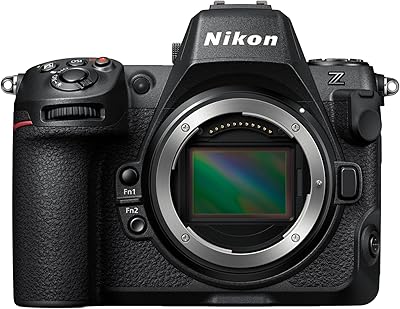
Nikon Z 8
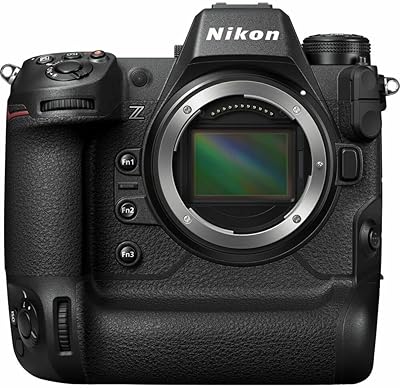
Nikon Z9 Full-Frame Mirrorless Camera
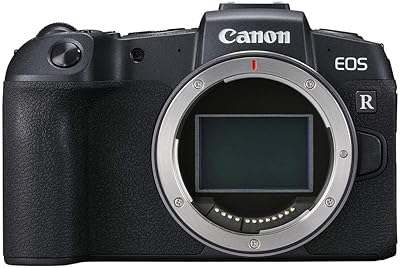
Canon EOS RP
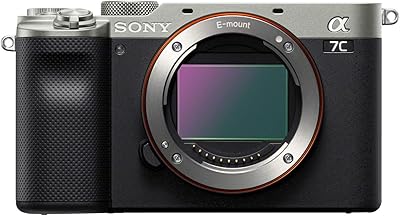
Sony Alpha 7C Full-Frame Mirrorless Camera
Panasonic LUMIX S5 Full Frame Mirrorless Camera
Sony a7 Full-Frame Mirrorless Camera