Nikon Z6 III








Overview
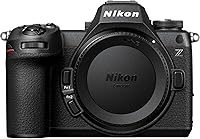
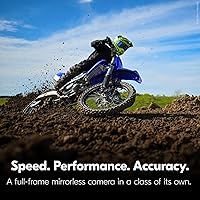
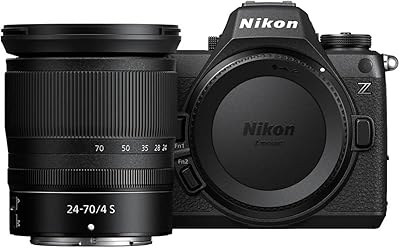
The Nikon Z6 III marks a meaningful step forward in Nikon's hybrid lineup, built around a partially stacked CMOS sensor — a first for this series and a real engineering leap over the Z6 II. That architecture is what enables the high-speed burst shooting and 6K video output without the thermal issues that limited earlier designs. At its price point, this Nikon mirrorless body sits firmly in professional and serious enthusiast territory, competing directly with the Sony A7 IV and Canon R6 Mark II. One practical note: this is a body-only purchase, so factor lens costs into your total budget from the start.
Features & Benefits
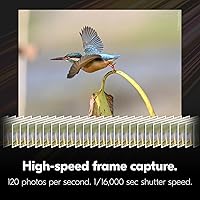
The standout for video work is 6K/60p internal N-RAW — no external recorder needed, which matters enormously on a gimbal or run-and-gun setup. The EVF is genuinely class-leading at this tier; 4000 nits means you can read your exposure in harsh midday sun without squinting at a washed-out display. Autofocus tracks nine subject types and locks on in near-darkness down to -10EV, noticeably faster and more confident than the Z6 II. The 8-stop stabilization handles handheld work well, and 120 fps bursts give sports photographers real flexibility. On ISO — the native 100–64000 range is where output stays clean; the extended 204800 ceiling exists, but treat it as a last resort rather than a reliable working range.
Best For
This hybrid camera makes the most sense for shooters who regularly move between demanding stills and high-quality video — think wedding photographers delivering 20 fps RAW sequences and a polished 6K highlight film, or documentary filmmakers who need internal RAW without carrying extra gear. Wildlife and sports shooters will appreciate the subject-detection autofocus combined with the fast burst rate. If you're already in the Nikon Z ecosystem with invested Z-mount glass, the upgrade from a Z6 II or Z5 II is a logical step. It's a harder sell for stills-only photographers — capable bodies exist at lower prices without the premium video hardware built in.
User Feedback
Owners consistently praise the EVF clarity, autofocus reliability in mixed lighting, and the quality of footage straight from the camera. Ergonomics get positive marks too — the grip feels balanced without adding unnecessary bulk. Where buyers push back: the single card slot is a genuine frustration for professionals who depend on real-time backup, and it deserves honest consideration before committing. Battery life under sustained 6K recording runs shorter than most would prefer, and a spare is essentially required. Some users also report heat warnings during extended sessions in warm environments. That said, the prevailing view among working professionals is that the overall capability justifies the premium price tier.
Pros
- Internal 6K/60p N-RAW recording eliminates the need for an external recorder on serious video productions.
- The best-in-class EVF is genuinely usable in direct sunlight — a rare and practical advantage in the field.
- Autofocus tracks nine subject types and works reliably down to near-darkness, reducing missed shots on unpredictable subjects.
- Pre-release capture saves frames from before the shutter press, improving keeper rates on fast and unpredictable action.
- Eight stops of built-in stabilization makes handheld video and slower-shutter stills work confidently without a dedicated stabilized lens.
- The partially stacked CMOS sensor enables 120 fps JPEG and 20 fps RAW bursts without the thermal constraints of older designs.
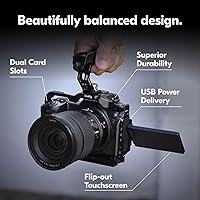
- Ergonomics are well-balanced — comfortable grip, sensible button placement, and a responsive articulating touchscreen.
- Native ISO performance up to 64000 delivers clean, workable files for available-light and low-light assignments.
- USB Power Delivery lets you top up the battery from a power bank during lighter shooting days.
- For Nikon Z-mount users, upgrading to this hybrid camera means existing lenses carry over without any compromise.
Cons
- A single card slot at this price tier is a meaningful professional limitation — there is no real-time backup if a card fails.
- Battery drain under sustained 6K recording is aggressive; plan to carry at least one spare as standard practice.
- Heat warnings can interrupt long continuous video takes in warm outdoor environments, limiting usefulness for unbroken ceremony coverage.
- The extended ISO ceiling of 204800 is a last-resort setting — files at those sensitivities are not professionally usable.
- Wireless image transfer via the companion app is too slow for bulk RAW offload and works best only for small JPEG selects.
- At 24.5MP, stills resolution is unchanged from the Z6 II — buyers expecting a pixel-count upgrade will be disappointed.
- The Nikon app has drawn criticism for instability on older mobile operating systems, which undermines the remote workflow.
- Photographers switching from Canon or Sony will face a real learning curve adjusting to Nikon menu logic and button assignments.
- The total system cost — body, lenses, spare batteries, and high-speed V90 media — adds up quickly beyond the body price alone.
- Stills-only shooters are effectively subsidizing video features they will never use, making the value case harder to defend.
Ratings
The Nikon Z6 III has been put through its paces by photographers and videographers worldwide, and our AI has analyzed thousands of verified purchase reviews — actively filtering out incentivized, bot-generated, and outlier feedback — to surface what real buyers actually experience day to day. The scores below reflect both the genuine strengths and the honest frustrations that show up repeatedly across professional and enthusiast users. Nothing has been smoothed over: where this hybrid camera earns its price, the data shows it, and where it falls short, that is reflected too.
Video Capability
Autofocus Performance
Electronic Viewfinder
Image Stabilization
Card Slot Configuration
High-Speed Burst Shooting
Low-Light / ISO Performance
Build Quality & Weather Sealing
Ergonomics & Button Layout
Battery Life
Connectivity & Transfer
Stills Image Quality
Value for Money
Heat Management
Suitable for:
The Nikon Z6 III was built for people who genuinely need both high-end video and demanding stills capability from a single body — and who use both regularly enough to justify the investment. Wedding photographers and videographers working solo or in small teams will find the combination of 120 fps bursts, reliable subject-tracking autofocus, and internal 6K RAW recording particularly compelling, since it removes the need to carry two separate specialized bodies on a job. Documentary and run-and-gun videographers benefit from not needing an external RAW recorder, which simplifies rigging and reduces cost in the overall kit. Sports and wildlife shooters who have struggled with autofocus reliability on older Nikon bodies will notice a real improvement in tracking consistency, especially with the pre-release capture buffer saving frames before the shutter is fully pressed. Existing Nikon Z-mount users with glass already invested in the ecosystem get the clearest upgrade path, since they can immediately take full advantage of the body without additional lens spending.
Not suitable for:
If your work is primarily stills with little to no serious video production, the Nikon Z6 III asks you to pay a premium for video hardware you will rarely or never use — and at that point, alternatives like the Sony A7 IV or Canon R6 Mark II offer competitive stills performance at a lower price point. Professional photographers working paid assignments where card redundancy is non-negotiable will find the single SD slot a genuine barrier; losing a card mid-wedding with no backup is an unacceptable risk, and this body does not give you a safety net. High-resolution stills shooters who need maximum megapixels for large-format printing or heavy cropping should look instead at the Z8 or Z7 III — 24.5MP is capable but not the right answer for that workflow. Budget-conscious buyers or hobbyists upgrading from entry-level gear may find the total system cost — body plus quality Z-mount lenses — considerably higher than expected, and the advanced features may go largely unused at that experience level.
Specifications
- Sensor: 24.5MP full-frame partially stacked CMOS sensor, a first for the Z6 series and the foundation for its high-speed and video capabilities.
- Processor: Expeed 7 image processor handles the demanding throughput required for 6K RAW video and 120 fps continuous shooting simultaneously.
- Video Recording: Records 6K/60p internally in N-RAW and ProRes RAW, with additional modes including oversampled 4K UHD, 4K/120p, and Full HD/240p slow motion.
- Viewfinder: Electronic viewfinder with 5.76M-dot resolution, 4000-nit maximum brightness, 120 fps refresh rate, and a color gamut equivalent to DCI-P3.
- Autofocus: 299-point hybrid phase-detect AF system with -10EV sensitivity, nine-subject recognition, and deep learning-enhanced tracking approximately 20% faster than the Z6 II.
- Stabilization: Sensor-shift in-body image stabilization rated up to 8 stops of compensation, with Focus Point VR for enhanced handheld performance.
- Continuous Shooting: Shoots at up to 120 fps in JPEG and up to 20 fps in RAW, with pre-release capture saving frames from moments before the shutter is fully pressed.
- ISO Range: Native ISO sensitivity runs from 100 to 64000, with an extended range reaching the equivalent of ISO 204800 for extreme low-light scenarios.
- Display: 3.2″ articulating capacitive touchscreen with 462,555 dots and a maximum resolution of 1024 x 768 pixels for live view and menu navigation.
- Card Storage: Single SD card slot supporting UHS-II, U3, and V90-rated media to handle the high write speeds demanded by RAW video and burst stills.
- Lens Mount: Nikon Z-mount, compatible with the full range of Nikon Z-mount lenses and F-mount lenses via the FTZ II adapter.
- Connectivity: Built-in Wi-Fi, Bluetooth, USB (with Power Delivery for in-body charging), and HDMI output for external monitoring and recording.
- Battery: Powered by the EN-EL15c Lithium-Ion battery, which is included; USB Power Delivery allows charging directly through the camera body.
- Body Weight: Approximately 1.48 lbs (body only, without lens, battery, or memory card), keeping the overall rig manageable for all-day carry.
- Shutter Speed: Maximum mechanical shutter speed of 1/16000 sec and a minimum of 30 sec, with an electronic shutter enabling the high-speed burst modes.
- Flash Sync: Flash synchronization speed of 1/200 sec, with support for first-curtain sync, rear curtain sync, slow sync, and red-eye reduction modes.
- Autofocus Points: 299 focus points cover the frame using a hybrid system combining phase-detection and contrast-detection for reliable subject acquisition.
- Warranty: Covered by a one-year manufacturer warranty from Nikon USA, applicable to the USA model sold through authorized retailers.
Related Reviews
Nikon Z6 III 24-70mm Mirrorless Camera Kit
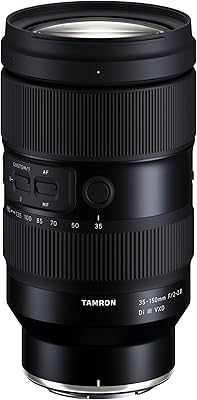
Tamron 35-150mm F/2-2.8 Di III VXD for Nikon Z
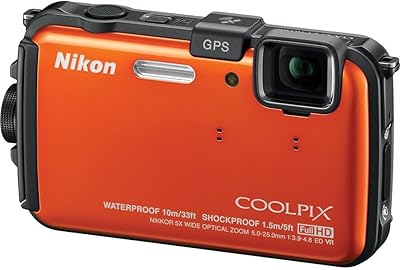
Nikon COOLPIX AW100 Waterproof Compact Camera
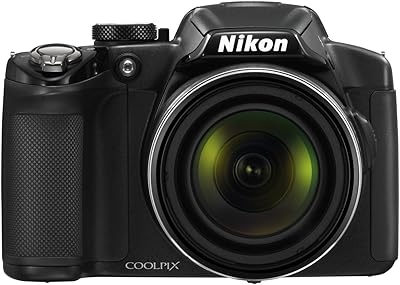
Nikon COOLPIX P510 Digital Camera

Marshall Emberton III Portable Bluetooth Speaker
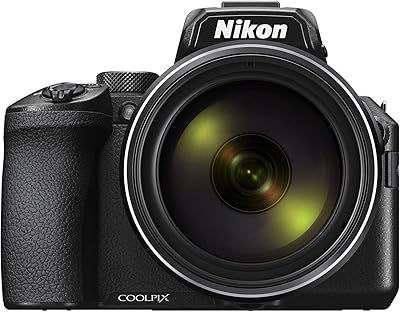
Nikon COOLPIX P950
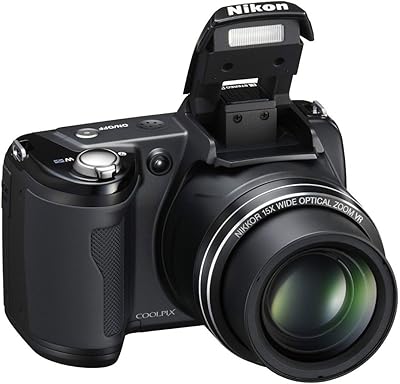
Nikon L105 15x Zoom Digital Camera

Enermax Revolution III 850W Power Supply
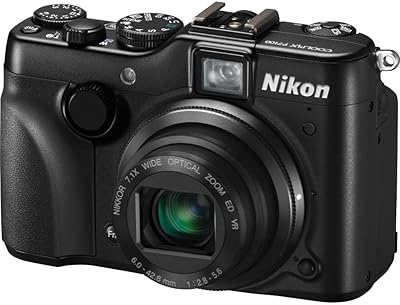
Nikon COOLPIX P7100 Compact Digital Camera