




Overview

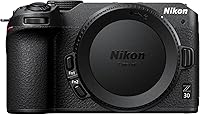
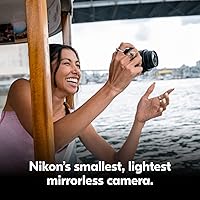
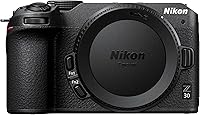
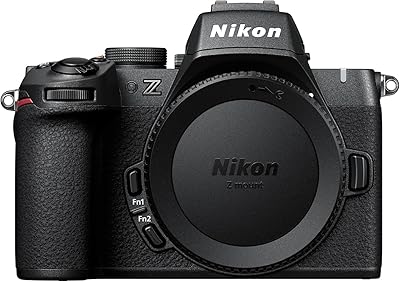
The Nikon Z 30 Mirrorless Camera is Nikon's smallest, lightest mirrorless body to date, built with a clear audience in mind: creators, vloggers, and anyone ready to move beyond smartphone footage. At its core sits a 20.9MP APS-C sensor — considerably larger than what's inside any phone — which means noticeably richer color, stronger low-light performance, and natural background separation smartphones simply cannot replicate. There's no viewfinder here, and that's intentional; this mirrorless body was designed for screen-first shooters who spend more time flipping the display than squinting through an eyepiece. It's sold as a body-only listing, so factor a lens into your budget. At its price point, it sits comfortably in the mid-range mirrorless market.

Features & Benefits

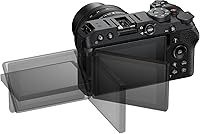
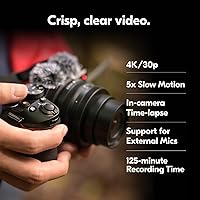
The Z 30 punches well above its size when it comes to video capability. It records 4K at 30fps with a clean HDMI output for external recorders, and Full HD 60p streaming over USB-C means going live requires no capture card whatsoever. The flip-out touchscreen makes solo recording genuinely practical — you can frame yourself accurately without guessing. Audio is covered by a built-in stereo mic with adjustable sensitivity, and the 3.5mm input lets you attach an external mic when quality demands it. Autofocus spans 209 points with eye and pet detection that keeps subjects locked even during movement. As your skills grow, Nikon's full NIKKOR Z lens lineup is right there waiting.

Best For

Nikon's creator-focused camera fits a specific kind of buyer, and that's not a criticism. YouTube creators and vloggers who've outgrown their phones will find it a natural step up without a steep learning curve. Streamers will appreciate the plug-and-play webcam mode — USB-C in, continuous power, done. Travel creators benefit from the lightweight 350g body that barely registers in a bag. It also suits home-studio producers who record solo and need dependable autofocus without a second pair of hands. Beginners planning to expand their kit over time will value the Z-mount compatibility from day one, keeping future lens investments firmly within reach.

User Feedback

Owners of this mirrorless body largely agree on two things: the autofocus is reliable, and the camera is easy to pick up. The flip screen earns consistent praise from solo creators who say it changes how they shoot practically overnight. On the critical side, the lack of image stabilization comes up regularly — handheld video can look shaky without a stabilized lens or a gimbal. Battery endurance is another honest sore point; heavy recording sessions drain a charge faster than expected, making a spare battery almost essential. Users migrating from DSLRs sometimes find the menu layout takes adjustment. Overall, the tone skews positive, particularly among buyers using it specifically for content creation.

Pros

  • Eye-tracking autofocus keeps subjects sharp during movement, which is a genuine advantage for solo video creators.
  • The flip-out touchscreen makes accurate self-framing practical without any additional accessories.
  • Plug-and-play webcam operation over USB-C removes the need for capture cards or complicated setup.
  • The 20.9MP APS-C sensor delivers noticeably richer colors and better low-light results than any smartphone camera.
  • Built-in stereo mic with a 3.5mm input gives creators a flexible audio starting point right out of the box.
  • 4K 30p recording with clean HDMI output is a strong spec set for a camera at this price tier.
  • At roughly 350g, the Z 30 is light enough to carry all day without fatigue.
  • Full NIKKOR Z lens compatibility means your investment in glass carries forward as your skills grow.
  • Continuous USB-C power during recording eliminates the need for a dummy battery during long streaming sessions.
  • Wi-Fi and Bluetooth connectivity allow remote camera control directly from a smartphone app.

Cons

  • No in-body image stabilization means handheld video can look shaky without a stabilized lens or a gimbal.
  • Battery life under heavy 4K recording is short enough that a spare EN-EL25 is practically a required purchase.
  • The body-only listing can mislead buyers who do not immediately factor in the added cost of a lens.
  • Menu navigation has a learning curve for users coming from Canon, Sony, or older Nikon DSLR systems.
  • No viewfinder makes outdoor shooting in bright sunlight harder when screen visibility drops.
  • 5 FPS continuous shooting is limiting for anyone trying to capture fast-moving subjects in burst mode.
  • The UHS-I card slot creates a slight bottleneck when offloading large 4K video files compared to UHS-II slots.
  • No in-camera RAW video output limits post-production flexibility for more advanced video editors.
  • The resistive touchscreen feels less responsive than the capacitive displays found on competing bodies in this range.
  • 4K video is cropped, which effectively narrows your field of view compared to what the lens spec suggests.

Ratings

The Nikon Z 30 Mirrorless Camera has been scored by our AI system after processing verified buyer reviews from global markets, with spam, incentivized, and bot-generated feedback actively filtered out before any scoring took place. The results reflect a balanced picture — where this creator-focused body genuinely excels and where real users have run into frustration. Both sides are represented honestly in every category below.

Autofocus Performance
88%
Eye-detection and subject-tracking autofocus earns consistent praise from solo creators who rely on the camera to stay locked on their face while they move, gesture, or look away briefly. Most users report that it handles typical vlogging distances reliably even in moderately dim indoor lighting.
In fast-paced or unpredictable scenarios — like filming pets in motion or shooting in busy environments — the system occasionally loses the subject and takes a moment to reacquire. It is strong for its intended audience but falls short of what dedicated photo-focused bodies offer at a similar price.
Video Quality
91%
4K footage from the APS-C sensor looks noticeably richer and more cinematic than anything a smartphone produces, with natural color rendering and strong dynamic range in well-lit conditions. Creators who upload to YouTube regularly note that the image holds up well even after compression.
The 4K recording comes with a crop factor that subtly narrows your field of view, which can frustrate users who expected a wider frame. Some reviewers also note that rolling shutter becomes visible during quick panning movements, a limitation shared with most cameras in this class.
Ease of Use
84%
Buyers who are new to mirrorless cameras consistently mention how accessible the Z 30 feels out of the box, particularly when set to auto mode for video. The touchscreen interface and clear menu structure help beginners get to recording quickly without digging through settings.
Users migrating from Canon or Sony systems — or from older Nikon DSLRs — often hit a learning curve with Nikon's menu logic, which organizes options differently than competing brands. A handful of reviewers felt that finding specific video settings required more hunting than expected.
Build Quality
79%
21%
The body feels solid and well-assembled in hand despite its compact size, and the grip — while modest — gives enough purchase for confident one-handed shooting. Most users report no creaking, rattling, or loose components even after extended daily use.
The plastic construction does not inspire the same confidence as metal-bodied alternatives, and there is no weather sealing of any kind, which limits use in light rain or dusty outdoor settings. A few buyers noted the body cap and port covers feel less robust than the camera body itself.
Battery Life
58%
42%
USB-C passthrough charging is a genuine convenience for streamers who keep the camera plugged in during sessions, effectively removing battery anxiety from the live streaming workflow entirely. The ability to charge the battery inside the camera via a standard USB-C cable also simplifies travel packing.
Without a power source connected, the EN-EL25 battery drains noticeably fast during 4K recording — many users report needing a full recharge after roughly 60 to 80 minutes of active shooting. Buying a second battery is practically a requirement, and the camera does not ship with a standalone wall charger.
Portability
93%
At approximately 350g for the body alone, the Z 30 is genuinely easy to carry all day, and when paired with the compact 16-50mm kit lens it fits into a jacket pocket or a small sling bag with room to spare. Travel creators consistently highlight the size-to-quality ratio as one of the most compelling reasons they chose this body.
The compact size does mean a smaller grip, which some users with larger hands find tiring during long handheld sessions. Mounting a larger lens can also make the combination feel front-heavy since the body itself provides limited counterbalance.
Image Stabilization
44%
56%
Lenses with Nikon's Vibration Reduction technology do provide meaningful stabilization for slower-paced walking shots and stationary recordings, and for tripod or desktop use there is obviously no stabilization issue at all.
The complete absence of in-body image stabilization is the single most mentioned disappointment across user reviews, particularly from buyers who assumed it would be included at this price point. Handheld walking video without a VR lens or a gimbal often looks noticeably shaky, which is a real problem for travel vloggers shooting on the move.
Audio Capability
76%
24%
The built-in stereo microphone captures cleaner, more directional audio than most integrated mics found on competing creator cameras, and adjustable sensitivity helps manage the difference between quiet indoor interviews and louder outdoor environments. The 3.5mm input means users can upgrade their audio without changing bodies.
While the built-in mic is decent for a camera microphone, it picks up handling noise and wind more than some users expected in outdoor conditions. Most reviewers who care about production-quality audio end up attaching an external mic fairly quickly, treating the built-in as a backup rather than a primary option.
Streaming & Webcam Use
89%
Plug-and-play webcam recognition over USB-C works reliably across major platforms including Zoom, OBS, and Microsoft Teams without any additional software installation, which is a meaningful convenience compared to competitors that require proprietary utilities. Continuous power over the same USB-C cable keeps sessions uninterrupted.
Full HD 60p is the ceiling for USB-C streaming, and users hoping to stream 4K over USB will need to use the HDMI output with a capture card instead. A small number of users also reported occasional USB disconnection issues that required them to restart their streaming software.
Lens Ecosystem
86%
Access to Nikon's full NIKKOR Z lineup — including fast primes, compact DX zooms, and macro lenses — gives buyers a meaningful upgrade path without switching systems. Users who started with the kit lens frequently describe adding a 50mm prime as a transformative experience for both portrait and low-light video work.
Z-mount lenses, particularly the faster and higher-quality options, carry a premium price that can catch beginner buyers off guard after purchasing the body. The DX lens selection specifically is still narrower than what Canon and Sony offer for their APS-C mirrorless systems, limiting some choices at the lower end of the budget.
Display Quality
72%
28%
The flip-out mechanism is smooth and the screen is large enough to frame shots accurately at arm's length, which is exactly what solo video creators need most. Touchscreen responsiveness is generally good for tap-to-focus during recording, a feature that sees heavy use among vloggers.
The resistive panel feels noticeably less snappy than the capacitive touchscreens found on competing Sony and Canon bodies, and the 720x480 pixel resolution is below what buyers might expect at this price tier. Outdoor visibility in direct sunlight is also a recurring complaint, especially without a viewfinder to fall back on.
Value for Money
81%
19%
For a creator who primarily needs a reliable video tool with strong autofocus, the Z 30 delivers a compelling set of capabilities relative to its body price. Buyers who use it daily for YouTube or streaming consistently report feeling satisfied with what they got for the spend.
The body-only nature of the listing means the true cost of a usable kit is meaningfully higher once a lens, spare battery, and memory card are factored in. Buyers who compare the all-in kit price against rival bundle options from Sony or Canon sometimes feel the value proposition narrows considerably.
Low-Light Performance
77%
23%
The APS-C sensor handles indoor lighting and evening environments noticeably better than smartphone cameras, with usable results up to around ISO 3200 to 6400 before noise becomes distracting. For most YouTube and social content recorded under typical indoor lighting setups, performance is more than adequate.
At the upper end of the expanded ISO range, noise and color smearing become significant enough that most users avoid pushing past ISO 12800 in practice. The absence of IBIS also means that achieving sharp low-light shots handheld requires either a fast lens or a very steady hand.
Connectivity & Transfer
74%
26%
Bluetooth pairing with the Nikon app works reliably for remote triggering and basic camera control from a smartphone, which is a practical tool for solo creators who need to start and stop recording from a distance. Wi-Fi transfer of images to a phone for quick social sharing also functions without major complaints.
The UHS-I card slot creates a bottleneck when offloading large 4K video files to a computer, which can slow down post-production workflows noticeably compared to cameras with UHS-II slots. A few users also noted that the Nikon smartphone app, while functional, lags behind competitor apps in terms of polish and feature depth.

Suitable for:

The Nikon Z 30 Mirrorless Camera is a well-matched tool for anyone whose primary goal is creating video content for YouTube, social media, or live streaming. Vloggers who have been shooting on a smartphone and want a meaningful image quality jump — without climbing into a complex, expensive system — will feel right at home here. The flip-out screen, plug-and-play USB-C webcam mode, and reliable eye-tracking autofocus are features that solve real, daily problems for solo creators working without a crew. Travel and lifestyle creators will appreciate how little space and weight the Z 30 demands in a bag. Beginners who are serious about growing their skills over time will also find the Nikon Z-mount ecosystem a smart long-term investment, since the same lenses purchased today will work on more advanced Nikon bodies down the road.

Not suitable for:

The Nikon Z 30 Mirrorless Camera is a harder sell for anyone expecting to shoot a lot of handheld video without a gimbal, since there is no in-body image stabilization — and shaky footage is a real risk if your lens does not include optical stabilization. Photographers who rely on an electronic or optical viewfinder for precise framing in bright outdoor light will find its absence genuinely frustrating; this body was simply not designed with that workflow in mind. Sports or wildlife photographers needing fast burst rates and a deep buffer will find the 5 FPS continuous shooting limit underwhelming compared to more specialized bodies. Buyers on tight budgets should also remember this is a body-only listing, so the real cost of a functional kit — including at least one lens — is noticeably higher than the body price alone suggests. If your priority is stills over video, there are comparably priced mirrorless options that balance both disciplines more evenly.

Specifications

  • Sensor: The Z 30 uses a 20.9MP APS-C CMOS sensor, which captures significantly more light and detail than a typical smartphone sensor.
  • Video Resolution: The camera records 4K at 30fps and Full HD at up to 60fps, covering the most common formats used in online content creation.
  • Autofocus System: A 209-point hybrid autofocus system includes eye-detection and subject-tracking for both people and pets across the frame.
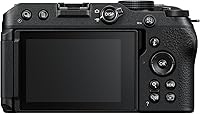
  • Display: A 3-inch flip-out touchscreen with 1040k-dot resolution allows accurate self-framing for vlogging and solo recording sessions.
  • ISO Range: Native ISO runs from 100 to 51200, with an expanded ceiling of 204800 for extreme low-light situations.
  • Audio Input: A built-in stereo microphone with adjustable sensitivity is complemented by a 3.5mm input jack for connecting an external microphone.
  • Connectivity: The body includes USB-C for webcam output, charging, and data transfer, plus a full-size HDMI port for clean 4K output to external devices.
  • Wireless: Built-in Wi-Fi and Bluetooth allow remote control via the Nikon smartphone app and wireless image transfer.
  • Storage: A single SD/SDHC/SDXC card slot supports UHS-I cards, with compatibility up to 2TB capacity.
  • Battery: The EN-EL25 Lithium-Ion rechargeable battery powers the camera, and USB-C passthrough allows continuous power during live streaming or recording.
  • Body Weight: The body alone weighs approximately 350g, making it the lightest mirrorless body in Nikon's current Z-series lineup.
  • Lens Mount: The Nikon Z-mount is fully compatible with the entire NIKKOR Z lens range, including DX and FX format lenses with an adapter.
  • Continuous Shooting: The Z 30 shoots at up to 5 frames per second in continuous mode, adequate for casual action but not specialized sports photography.
  • Shutter Range: Shutter speeds range from 30 seconds down to 1/4000 sec mechanically, with a flash sync speed of 1/200 sec.
  • File Formats: The camera supports JPEG at multiple quality levels and 14-bit RAW (NEF) for stills, with MOV video container format.
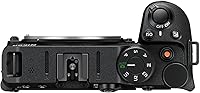
  • Viewfinder: There is no optical or electronic viewfinder; the flip-out touchscreen is the sole means of composing shots and reviewing footage.
  • Image Stabilization: There is no in-body image stabilization; stabilization relies entirely on lenses that include Vibration Reduction (VR) technology.
  • Dimensions: The body measures approximately 128 x 73 x 60mm, keeping it compact enough to fit in a jacket pocket with a small pancake lens attached.
  • Warranty: Nikon provides a one-year manufacturer warranty covering defects in materials and workmanship for the US model.
  • In-Box Contents: The body-only package includes the camera body, AN-DC25 strap, BF-N1 body cap, EN-EL25 battery, and UC-E24 USB cable; no lens or charger is included.

Related Reviews
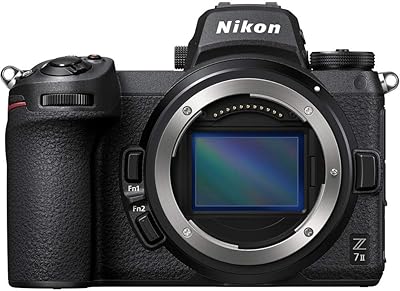
Nikon Z 7II Full-Frame Mirrorless Camera
81%
96%
Image Quality
71%
Autofocus Performance
93%
Build Quality
54%
Battery Life
89%
Ergonomics & Handling
More
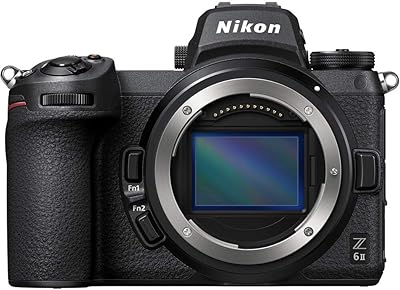
Nikon Z 6II Full-Frame Mirrorless Camera
82%
91%
Autofocus Performance
93%
Low-Light Image Quality
88%
Video Capability
89%
Build Quality & Ergonomics
58%
Battery Life
More
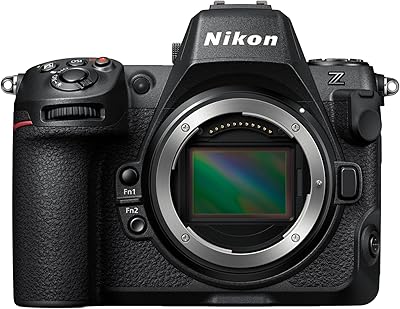
Nikon Z 8
Nikon Z 8
84%
94%
Autofocus Performance
96%
Image Quality
88%
Video Capabilities
93%
Build Quality & Weather Sealing
91%
Burst Speed & Continuous Shooting
More
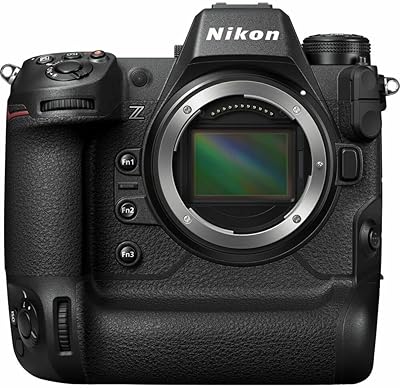
Nikon Z9 Full-Frame Mirrorless Camera
86%
96%
Autofocus Performance
94%
Image Quality
93%
Burst Speed & Buffer
91%
Video Capabilities
97%
Build Quality & Weather Sealing
More
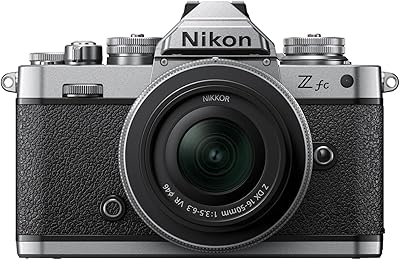
Nikon Z fc Mirrorless Camera with 16-50mm Lens
78%
88%
Image Quality
82%
Video Performance
84%
Autofocus System
93%
Design & Build Quality
71%
Kit Lens (16-50mm VR)
More
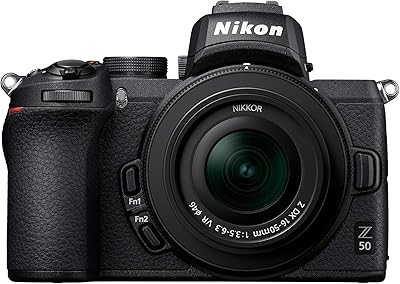
Nikon Z 50 Mirrorless Camera with 16-50mm Lens
85%
92%
Portability and Weight
89%
Video Quality (4K UHD)
84%
Autofocus Performance
91%
Ease of Use
77%
Battery Life
More
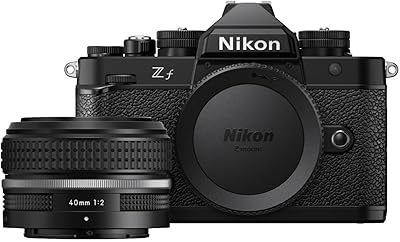
Nikon Z f
Nikon Z f
80%
93%
Build Quality & Design
91%
Image Quality
82%
Autofocus Performance
76%
Video Capabilities
84%
In-Body Stabilization
More
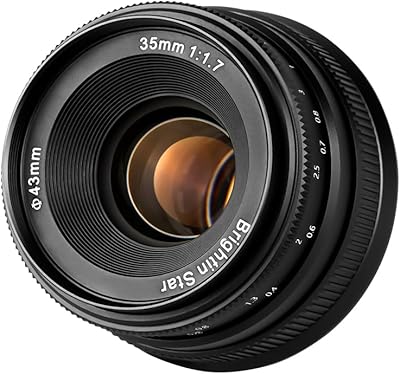
Brightin Star 35mm F1.7 Mirrorless Camera Lens
78%
88%
Build Quality
76%
Image Sharpness
83%
Bokeh Quality
81%
Low-Light Performance
91%
Value for Money
More
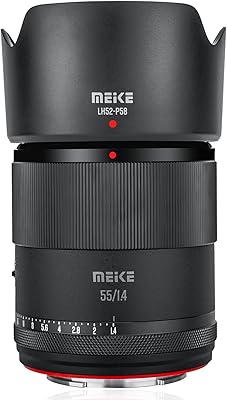
Meike 55mm F1.4 Nikon Z Mount Lens
77%
91%
Value for Money
86%
Bokeh Quality
78%
Image Sharpness
69%
Autofocus Performance
74%
Build Quality
More
Nikon Z50 II Mirrorless Camera
81%
91%
Autofocus Performance
88%
Image Quality
86%
Video Capability
84%
Portability & Build
89%
Color Presets & Creative Tools
More

FAQ

This is a body-only listing, so no lens is included. You will need to budget for at least one NIKKOR Z mount lens separately. A popular starting point is the NIKKOR Z DX 16-50mm kit lens, which is compact and covers a useful everyday zoom range.

Yes, and it is genuinely straightforward. Connect the camera to your computer via the included USB-C cable and most streaming and video conferencing software will recognize it as a webcam immediately. No drivers or capture card required, and continuous power over USB-C means you never have to worry about the battery draining mid-stream.

Yes, the camera charges via USB-C while the battery is inside the body, which is convenient for travel. That said, if you plan on long recording sessions, picking up a spare EN-EL25 battery and a dedicated charger is a practical move since the battery capacity is on the modest side.

It performs reliably for self-recording scenarios. The eye-detection autofocus locks onto faces quickly and stays on them even when you move around in the frame. It is one of the more praised features among people using this camera for YouTube and vlogging content.

Not directly, since the Z-mount has a different physical interface than the older Nikon F-mount used on DSLRs. However, Nikon sells the FTZ II adapter, which allows most F-mount NIKKOR lenses to work on the Z 30 with autofocus support on compatible lenses.

It is a reasonable first dedicated camera for someone whose main focus is video content creation. The menu system is approachable, the autofocus does a lot of the heavy lifting, and the flip screen removes a lot of guesswork when shooting solo. Just keep in mind that learning to navigate mirrorless settings and lens choices does take some time upfront.

The Z 30 does have a recording time limit of approximately 30 minutes per clip, which is a common restriction on cameras in this class. Thermal shutdown during normal indoor use is not a widespread complaint, but pushing the camera hard in hot environments for extended periods can occasionally trigger a temperature warning.

You will want at least a UHS-I Speed Class 3 (U3) or Video Speed Class 30 (V30) card to handle 4K recording without dropped frames. A fast card from a reputable brand in the 64GB to 128GB range is a practical starting point given the file sizes 4K footage produces.

The screen does flip fully forward, which is the right design for vlogging. In direct sunlight, brightness can be a challenge since there is no viewfinder to fall back on, so you may need to adjust your shooting angle or shade the screen to see it clearly. Indoors and in controlled light it works very well.

Yes, the camera has a 3.5mm stereo microphone input, so any standard compact microphone with a 3.5mm TRS connector will work. Many creators pair it with a small shotgun mic mounted on the hot shoe, which makes a noticeable difference in audio quality over the built-in stereo mic.

Where to Buy

B&H Photo-Video-Audio
In stock $606.95
National Camera Exchange
In stock $519.99
Biggs Camera
In stock $606.95
K&M Camera
In stock $606.95
Service Photo
In stock $606.95