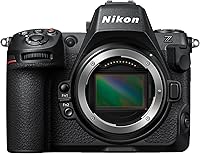
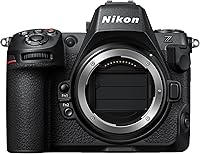
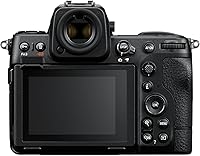

Overview

The Nikon Z 8 is Nikon's compact flagship mirrorless — essentially a Z 9 stripped of the vertical grip and packed into a body that weighs just under two pounds. That smaller footprint does not mean compromised performance. At its core sits a 45.7MP stacked CMOS sensor paired with the EXPEED 7 processing engine, giving this mirrorless camera the speed and image quality you would expect from a much larger professional tool. The all-electronic shutter means no mechanical wear and virtually no rolling shutter distortion. Dual card slots and serious weather sealing confirm this is built for real working conditions. This is not a camera for casual shooters — it is priced accordingly — but for professionals who need a capable, portable system, it makes a compelling case.

Features & Benefits

The Z 8's 45.7MP stacked sensor does something unusual: it delivers high-resolution files at speeds that feel almost reckless. Burst shooting reaches 20 fps in RAW for up to 1,000 frames, or climbs to 120 fps in JPEG — the kind of throughput that matters when covering fast-moving subjects. The deep learning autofocus tracks people, animals, birds, and vehicles with a reliability that holds up in real conditions, not just controlled tests. For video, internal 8K/60p and 4K/120p recording combined with 12-bit N-RAW and ProRes RAW support make this Nikon body a serious hybrid tool. The pre-release capture buffer saves frames before you fully press the shutter — genuinely useful for wildlife and any other unpredictable subject.

Best For

This mirrorless camera makes the most sense for shooters who need professional output without carrying a large body. Wildlife and sports photographers will appreciate the intelligent subject tracking and burst-rate options — this is where the Z 8 closes much of the gap with its bigger sibling without the added weight. Hybrid shooters doing paid video and stills work will find the internal RAW recording a legitimate production tool, not a checkbox feature. Wedding and event photographers benefit from silent shooting and confident low-light autofocus. Journalists and studios that need wired LAN connectivity for fast file delivery will find those networking features genuinely practical. Advanced enthusiasts looking for a body they won't outgrow should give this Nikon body serious consideration.

User Feedback

Owners are largely enthusiastic, and the autofocus system earns the loudest praise — many describe it as the most reliable tracking they have used from Nikon, a meaningful upgrade from older generations. The body size ratio compared to the Z 9 is also a recurring positive. Battery life, though, draws more measured responses; real-world shot counts can fall short of rated figures under heavy burst or video use, so keeping a spare is practical, not optional. Extended video sessions can cause noticeable heat buildup, worth planning around on longer shoots. Newcomers from other systems often flag menu navigation as a learning curve. A few buyers were also caught off guard by the card slot setup — peak write speeds require CFexpress Type B or XQD rather than standard SD.

Pros

  • The Nikon Z 8 autofocus system tracks people, animals, and vehicles with a consistency that meaningfully reduces missed shots in fast-moving situations.
  • 45.7MP files hold extraordinary detail under heavy cropping, giving wildlife and sports shooters flexibility in post.
  • Internal 8K/60p and ProRes RAW recording removes the need for an external recorder on most paid hybrid jobs.
  • Pre-release capture buffers frames before the shutter fires, saving shots of unpredictable subjects that would otherwise be lost.
  • The all-electronic shutter eliminates mechanical wear and enables completely silent shooting in sensitive environments.
  • Weather sealing and magnesium alloy construction give this mirrorless camera a build quality that holds up in genuine field conditions.
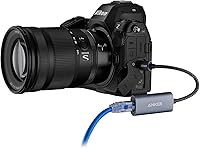
  • Wired LAN connectivity at 1000BASE-T makes bulk file offload fast enough for tight editorial and studio deadlines.
  • The blackout-free viewfinder makes tracking fast subjects through the eyepiece noticeably more reliable than on traditional shuttered designs.
  • Dual card slots allow simultaneous backup recording, reducing the risk of data loss on critical, unrepeatable shoots.
  • The body offers near-Z 9 performance in a package that fits comfortably in a standard camera bag alongside multiple lenses.

Cons

  • Real-world battery life falls short of rated figures during heavy burst or video use — carrying spares is not optional, it is necessary.
  • Sustained 8K recording sessions generate noticeable heat buildup that requires operational planning on longer video shoots.
  • Photographers migrating from Sony or Canon will face a genuine menu learning curve that takes time to work through under pressure.
  • Peak write speeds require CFexpress Type B cards, which add a meaningful cost on top of an already significant body investment.
  • Wi-Fi transfer speeds are too slow for practical bulk RAW file offload, limiting wireless use to JPEG previews or remote control.
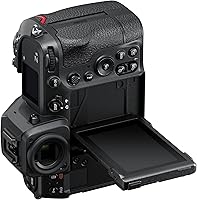
  • The tilting screen does not articulate fully, frustrating tripod-based video shooters who need the display to face forward.
  • In-body stabilization, while useful, trails the best competing systems by a stop or more in real-world handholding tests.
  • Large RAW files demand fast storage and a capable editing workstation — the processing overhead is real and should be factored in.
  • The SD card slot in slot two limits write speeds significantly compared to CFexpress, making card choice a constant workflow consideration.

Ratings

The Nikon Z 8 scores here reflect AI-driven analysis of verified owner reviews gathered worldwide, with spam, incentivized posts, and bot activity actively filtered out before scoring. The result is an honest picture of where this mirrorless camera genuinely excels and where real buyers have run into frustration. Both the standout strengths and the recurring pain points are reflected transparently in the categories below.

Autofocus Performance
94%
Owners shooting wildlife, sports, and wedding receptions consistently describe the subject detection as a step-change improvement over previous Nikon bodies. The deep-learning tracking holds lock through cluttered backgrounds and erratic movement in a way that noticeably reduces missed shots in demanding situations.
A small number of users report occasional hesitation when switching between multiple subjects in crowded scenes. Eye detection on non-human subjects can sometimes latch onto the wrong animal when two are close together, requiring a manual override.
Image Quality
96%
The 45.7MP stacked sensor produces files with exceptional detail and dynamic range that hold up under heavy cropping — a genuine advantage for wildlife and sports shooters who cannot always get physically close to their subject. Colors straight out of camera are widely praised as natural and accurate.
At expanded ISO settings above 25600, luminance noise becomes visible enough to require noise reduction in post, which can soften fine detail. Some users also note that the sheer file sizes from full-resolution RAW shooting demand fast storage and a capable editing machine.
Video Capabilities
88%
Internal 8K/60p and 4K/120p recording with 12-bit N-RAW and ProRes RAW HQ puts this Nikon body in a category most dedicated video cameras struggle to match at a similar price. Hybrid shooters doing commercial work report being able to pull broadcast-ready footage and high-resolution stills from the same session.
Heat buildup during extended 8K recording sessions is a real operational concern flagged by multiple video users — not a dealbreaker, but something that requires planning on longer shoots. The sheer data rates of RAW video also demand CFexpress Type B cards and fast drives, adding to the total system cost.
Build Quality & Weather Sealing
93%
The magnesium alloy construction feels genuinely solid without tipping into uncomfortable weight territory, and the weather sealing has held up for owners shooting in rain, dust, and cold without issues. The all-electronic shutter also eliminates mechanical wear, which experienced photographers recognize as a long-term reliability advantage.
A few users note that the lack of a built-in vertical grip — a deliberate design choice — means extended portrait-orientation shooting sessions can feel less balanced than on the Z 9. The port covers, while effective, require two hands to open cleanly during fast-moving jobs.
Burst Speed & Continuous Shooting
91%
The ability to shoot 20 fps in RAW for up to 1,000 consecutive frames gives working sports and wildlife photographers a buffer that removes the anxiety of running out of room mid-sequence. The pre-release capture feature earns specific praise from bird-in-flight shooters who describe it as saving shots they would otherwise have missed entirely.
Sustaining the fastest burst rates produces enormous file volumes that slow down culling and editing workflows considerably. Users without a fast CFexpress Type B card will also see buffer and write-speed limitations that cap real-world performance below the advertised ceiling.
Battery Life
67%
33%
Under moderate mixed-use conditions — a full day of event shooting with occasional video clips — most owners report getting through a working session on a single charge. The EN-EL15c is a widely available battery that many Nikon users already own multiples of from previous bodies.
Real-world shot counts fall noticeably short of rated figures when burst shooting or recording video extensively, and owners doing video-heavy work routinely keep two or three batteries rotating. Several buyers mention this is the Z 8's most consistent practical frustration in daily professional use.
Menu System & Usability
71%
29%
Photographers upgrading from other Nikon Z-series bodies find the menu layout familiar and generally logical once the initial setup is done. The touchscreen interface helps speed up navigation compared to button-only systems on older Nikon bodies.
Users migrating from Sony or Canon systems describe a steep learning curve, with the menu depth and categorization feeling unintuitive at first. A meaningful number of reviews specifically mention spending considerable time in the manual during the first week just to locate core functions.
Viewfinder Quality
89%
The blackout-free electronic viewfinder is one of the features owners mention most positively in the context of fast action — tracking a bird or a racing vehicle through a viewfinder that never cuts to black is a tangible shooting advantage. The 0.8x magnification gives a natural, comfortable view.
In very bright outdoor conditions, a small number of users report that the EVF brightness requires manual adjustment to stay comfortable. Those coming from high-end optical viewfinders occasionally note an adjustment period before the electronic display feels fully natural.
Touchscreen & Ergonomics
84%
The 4-axis tilting touchscreen covers shooting angles — from overhead crowd shots to low-angle wildlife work — that a fixed screen simply cannot. The capacitive response is fast enough that most users rely on touch for focus point selection rather than the joystick.
The tilting mechanism, while flexible, does not extend to full vari-angle articulation, which frustrates some video shooters who work on a tripod and need the screen facing forward for self-recording. A handful of reviewers also note the hinge feels less robust than the rest of the body.
Connectivity & File Transfer
87%
Dual USB-C ports, full-size HDMI, and 1000BASE-T wired LAN cover essentially every professional transfer workflow. Studio photographers and journalists who need to offload large RAW files quickly to a tethered laptop or newsroom server find the wired LAN alone worth the upgrade from older bodies.
Wi-Fi transfer speeds for large RAW files remain slow enough that wireless is realistically only useful for JPEG previews or remote control, not bulk offload. A few users also note that the Nikon SnapBridge app connection experience could be more reliable.
Card Slot Configuration
72%
28%
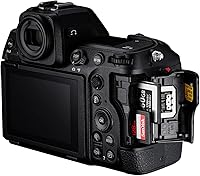
The dual-slot setup — CFexpress Type B or XQD in one slot, SD in the other — gives working photographers backup redundancy and the flexibility to shoot stills to one format and video to another simultaneously. Existing Nikon users with XQD cards from previous bodies will appreciate the forward compatibility.
Reaching the camera's full write-speed potential requires CFexpress Type B cards, which carry a meaningful cost premium over standard SD. Buyers who did not factor in card costs upfront have flagged this as an unwelcome additional expense after purchase.
Size & Portability
92%
The Z 8's body size is one of its most frequently cited advantages over the Z 9 — it fits comfortably in a mid-size camera bag alongside a couple of lenses in a way the larger body simply does not. Travel and location photographers note the weight difference becomes significant over a long day of shooting.
Compared to lighter mirrorless options from other brands, this Nikon body is still a substantial piece of kit, particularly once a large telephoto lens is mounted. Users looking for a truly compact travel setup may find the overall system weight adds up faster than expected.
Value for Money
74%
26%
For professionals who will use the full feature set — particularly the internal RAW video recording and burst-speed capabilities — the cost amortizes reasonably well over years of active use. Many owners frame the investment as getting near-Z 9 capability at a meaningfully lower outlay.
For photographers who shoot primarily stills and do not need 8K video or extreme burst rates, competing full-frame bodies offer strong performance at considerably less cost. The price tier requires an honest self-assessment of whether the advanced features will actually see regular use.
Autofocus in Low Light
86%
The -9 EV AF sensitivity is not just a spec — owners shooting dimly lit receptions, nighttime events, and dawn wildlife sessions report focus acquisition that holds up in conditions where older Nikon systems would struggle. Subject detection remains active at light levels where competitors often revert to contrast-only AF.
In near-total darkness, subject detection does occasionally drop out, requiring the camera to fall back to standard phase detection, which is slower. A small number of users also note that AF performance in artificial tungsten lighting can be less confident than in natural or flash-lit environments.
In-Body Image Stabilization
82%
18%
The sensor-shift IBIS makes a noticeable difference when handholding at longer focal lengths or slower shutter speeds in available light, and lens-IBIS combinations with compatible Nikkor Z optics provide well-coordinated compensation. Street and travel shooters mention it extends usable handheld shooting into situations that previously required a tripod.
The IBIS system is effective but not class-leading — certain competing systems from other manufacturers provide an extra stop or more of compensation in real-world testing. Users shooting with adapted legacy lenses that lack electronic communication also get reduced stabilization effectiveness.

Suitable for:

The Nikon Z 8 is built for photographers and videographers who operate at a professional level and need a body that can genuinely keep up with demanding, unpredictable subjects. Wildlife photographers will find the deep-learning subject tracking and pre-release capture buffer reduce missed shots in ways that older systems simply could not match, and the weather-sealed build holds up during the kind of outdoor sessions where gear takes real punishment. Sports and event photographers benefit from the silent all-electronic shutter, which allows discreet shooting in quiet venues without sacrificing burst speed. Hybrid shooters — those being paid for both video and stills on the same job — get internal RAW video recording at a quality level that removes the need for an external recorder in most production contexts. Journalists and studio operators who need fast, reliable file offload over wired LAN will also find those connectivity features genuinely useful in deadline-driven environments. Essentially, if you regularly push a camera to its limits and need a body that fits in a standard bag without sacrificing pro-grade output, this is a compelling choice.

Not suitable for:

The Nikon Z 8 is a poor fit for anyone who does not have a clear, practical need for its most advanced capabilities. Photographers who shoot primarily casual portraits, travel, or street photography can get excellent full-frame results from less expensive bodies and use the savings on glass, which will have a greater impact on their images. Shooters coming from Sony or Canon ecosystems should weigh the full cost of transitioning — lenses, accessories, and the real time investment required to get comfortable with Nikon's menu logic — before committing. Videographers planning extended single-take recordings need to plan around the heat limitations under sustained 8K use; this is not a dedicated cinema camera and should not be treated as one. Budget-conscious buyers should also factor in CFexpress Type B cards if they want to use the fastest card slot at full speed, as that is an added cost that catches some buyers off guard. Anyone expecting a body that is truly compact or lightweight by mirrorless standards will also be disappointed — the Z 8 is portable relative to the Z 9, but it is still a substantial professional tool.

Specifications

  • Sensor: The camera uses a 45.7MP full-frame stacked CMOS sensor, which enables both high resolution and the rapid readout speeds required for fast burst shooting and internal 8K video.
  • Processor: Nikon's EXPEED 7 image processing engine handles the data demands of high-speed continuous shooting, deep-learning autofocus, and multiple simultaneous video formats.
  • Autofocus: The hybrid phase-detection AF system covers 493 focus points, uses deep-learning subject detection, and operates in light as low as -9 EV.
  • Burst Speed: Continuous shooting reaches 20 fps in 14-bit RAW for up to 1,000 frames, or up to 120 fps in JPEG with the electronic shutter.
  • Video Resolution: Internal video recording supports 8K at up to 60p and 4K at up to 120p, with 12-bit N-RAW, ProRes RAW HQ, and 10-bit ProRes 422 HQ available internally.
  • Shutter: The camera uses an all-electronic shutter with a maximum speed of 1/32000 sec, eliminating mechanical wear and enabling completely silent operation.
  • Image Stabilization: Sensor-shift in-body image stabilization (IBIS) is built in, with enhanced performance available when paired with compatible stabilized Nikkor Z lenses.
  • ISO Range: Native ISO runs from 100 to 64000, with expanded settings covering ISO 32 at the low end and ISO 102400 at the high end.
  • Viewfinder: The electronic viewfinder offers 0.8x magnification and blackout-free display during burst shooting, with approximately 3.69 million dots of resolution.
  • Screen: A 3.2″ capacitive touchscreen with 2.1 million dots tilts on four axes to cover a wide range of shooting angles.
  • Card Slots: Two card slots accept CFexpress Type B or XQD in slot one and SD (UHS-II compatible) in slot two, supporting simultaneous backup or overflow recording.
  • Connectivity: The camera includes dual USB-C ports, a full-size HDMI output, 2.4GHz and 5GHz Wi-Fi, Bluetooth, and a 1000BASE-T wired LAN port.
  • Mount: The Nikon Z mount is used, compatible with all Nikkor Z lenses and F-mount lenses via the separately available Mount Adapter FTZ II.
  • Battery: The EN-EL15c Lithium-Ion battery is included, with a rated life of approximately 340 shots per charge under CIPA standard test conditions.
  • Body Weight: The body weighs approximately 1.8 lbs (820g) without battery or memory cards, making it notably lighter than the Z 9 despite sharing most of its core capabilities.
  • Weather Sealing: The magnesium alloy body carries professional-grade dust and moisture sealing across all joints, dials, and port covers.
  • Flash Sync: The maximum flash sync speed is 1/200 sec, with support for first-curtain, rear-curtain, slow sync, and red-eye reduction flash modes.
  • Dimensions: The body measures approximately 5.5″ wide by 4.1″ tall by 3.0″ deep, positioning it as a compact but substantial professional mirrorless body.
  • Warranty: Nikon USA covers this body with a one-year manufacturer warranty against defects in materials and workmanship from the original purchase date.
  • Subject Detection: Automatic subject detection identifies and tracks people, dogs, cats, birds, cars, motorcycles, bicycles, trains, and aircraft using on-sensor deep-learning processing.

Related Reviews
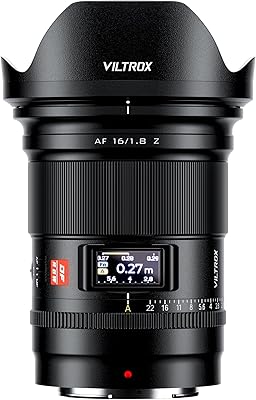
VILTROX AF 16mm F1.8 Z Lens for Nikon Z-Mount
87%
94%
Image Quality
88%
Autofocus Performance
89%
Build Quality
91%
Bokeh & Subject Isolation
75%
Weight & Portability
More
Viltrox 20mm F2.8 Lens for Nikon Z
86%
88%
Autofocus Speed
90%
Image Quality
95%
Portability/Weight
85%
Low-Light Performance
82%
Build Quality
More
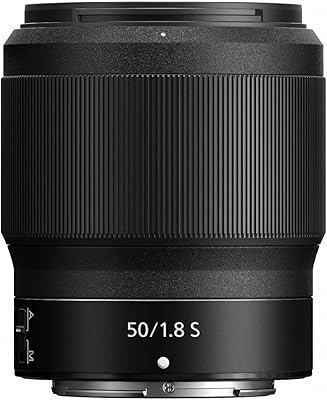
Nikon NIKKOR Z 50mm f/1.8 S
87%
91%
Image Quality
89%
Low-Light Performance
86%
Autofocus Speed and Accuracy
94%
Build Quality
92%
Portability and Size
More
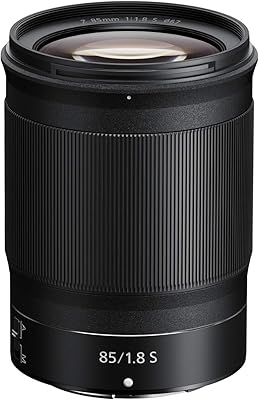
Nikon NIKKOR Z 85mm f/1.8 S
88%
94%
Image Quality
85%
Autofocus Performance
90%
Build Quality
91%
Bokeh Quality
88%
Low-Light Performance
More
Nikon NIKKOR Z 28-75mm f/2.8
87%
91%
Image Quality
85%
Autofocus Performance
92%
Portability & Size
88%
Value for Money
83%
Low-Light Performance
More
Nikon NIKKOR Z MC 50mm f/2.8
88%
91%
Macro Performance
94%
Portability & Size
89%
Image Clarity
72%
Autofocus Speed & Accuracy
76%
Low Light Performance
More
Nikon NIKKOR Z 20mm f/1.8 S
89%
94%
Low-Light Performance
91%
Autofocus Speed & Accuracy
88%
Build Quality & Durability
93%
Optical Quality
86%
Bokeh Quality
More
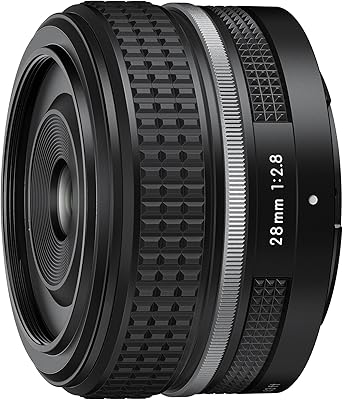
Nikon NIKKOR Z 28mm f/2.8 Special Edition
89%
92%
Image Sharpness
89%
Low-Light Performance
94%
Build Quality
85%
Autofocus Speed
91%
Portability
More
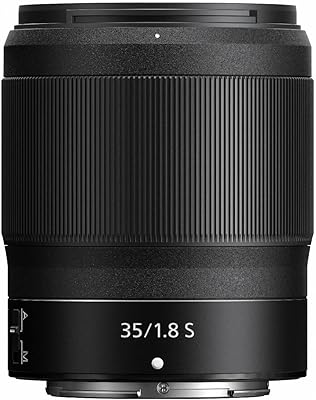
Nikon NIKKOR Z 35mm f/1.8 S Lens
88%
94%
Optical Performance
88%
Autofocus Speed
92%
Build Quality
93%
Low-Light Performance
85%
Portability/Size
More
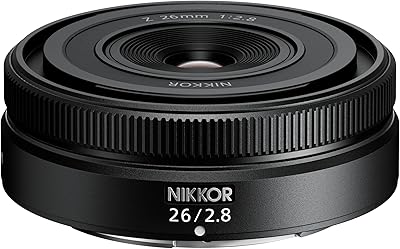
Nikon NIKKOR Z 26mm f/2.8 Pancake Lens
85%
94%
Portability & Size
88%
Image Quality & Sharpness
85%
Build Quality & Durability
92%
Value for Money
90%
Compatibility with Nikon Z Series
More

FAQ

Yes, but you will need the Nikon Mount Adapter FTZ II, which is sold separately. Most F-mount AF-S and AF-P lenses work well with autofocus intact, though some older AF and manual-focus lenses will require manual focus operation. It is a solid solution for protecting your existing lens investment while you build out a Z-mount kit.

Heat buildup is a real consideration, particularly when recording 8K for extended periods. Many video users report that the camera manages moderate sessions without issue, but marathon single-take recordings in warm environments can trigger thermal warnings. Planning your shoot with breaks built in, or keeping the body cool between takes, goes a long way toward avoiding interruptions.

For the fastest write speeds and RAW video recording, you need a CFexpress Type B card in slot one — XQD cards also work in that slot if you already own them. The second slot takes standard SD cards, which are fine for JPEG overflow or backup but will bottleneck performance if you try to use them for high-speed RAW bursts. Budget for at least one quality CFexpress Type B card when planning your total purchase cost.

The Z 8 delivers the vast majority of the Z 9's capabilities in a lighter, smaller body and at a lower price point. The main practical trade-offs are the absence of a built-in vertical grip and a smaller battery compartment. For most working photographers and videographers, the Z 8 hits a more practical balance between capability and portability than the larger flagship.

It is one of the most frequently praised aspects of this mirrorless camera among wildlife photographers. The deep-learning bird detection and 3D tracking hold subject lock through foliage, cluttered backgrounds, and erratic flight paths better than most competing systems. The pre-release capture buffer is particularly useful for catching the exact moment before a bird fully spreads its wings or takes flight.

It takes time, and it is worth being honest about that upfront. The menu structure is logical once you map it out, but it is organized differently from Sony and Canon systems, and finding core functions under pressure during your first few shoots can be frustrating. Most users report feeling comfortable within a week or two of dedicated use, and the manual is genuinely worth reading rather than skipping.

The EN-EL15c battery can be charged in-camera via the USB-C port, which is convenient for travel. That said, for professional use where fast turnaround between shoots matters, a dedicated external charger lets you cycle multiple batteries simultaneously rather than tying up the camera body during charging.

Because the Z 8 uses a purely electronic shutter with no mechanical components moving during exposure, it is genuinely silent — there is no click or even a soft sound. This makes a real practical difference at quiet ceremonies, performances, or courtside sports where shutter noise would be intrusive or prohibited.

IBIS is active with any lens mounted, but the most effective stabilization performance — where lens and sensor stabilization work together — requires a compatible Nikkor Z lens that communicates electronically with the body. Third-party or adapted lenses without electronic communication still benefit from IBIS, but the system cannot coordinate as precisely, so real-world results will vary.

Under CIPA test conditions the rated figure is around 340 shots, but real-world use — especially with burst shooting, video, or an active EVF — tends to come in lower than that. Most working photographers treat carrying at least one spare battery as standard practice rather than an edge case. If you plan to shoot video heavily, two or three spares is a more realistic field kit.