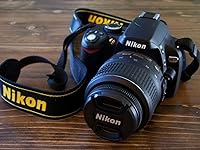
Overview
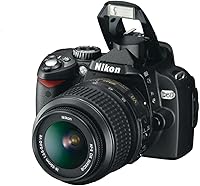
The Nikon D60 18-55mm Kit DSLR Camera arrived as a serious step up for photographers outgrowing compact cameras, built around a 10.2MP APS-C CCD sensor and bundled with Nikon's VR-equipped 18-55mm kit lens for a genuinely ready-to-shoot experience. The body is light enough for all-day carry, which matters more than spec comparisons suggest when you are actually out shooting. Worth stating plainly: this is a discontinued model, so you will be buying used or refurbished. That is not necessarily a problem — this Nikon starter DSLR holds up well — but go in with clear expectations about age, warranty, and accessory availability.
Features & Benefits
Vibration Reduction built into the bundled lens is one of the most practically useful things about the D60 kit — handheld shots in dim indoor light come out noticeably sharper than you would expect at this level. The Active Dust Reduction system handles sensor cleanliness automatically, which is a real convenience on any interchangeable-lens camera. Continuous shooting tops out at a modest 3 fps, which is fine for portraits or casual street work but nothing more. Crucially, the camera captures NEF RAW files alongside JPEG, giving beginners real room to grow into post-processing without needing to upgrade just to access that workflow.
Best For
This entry-level Nikon suits anyone buying their first DSLR and wanting a forgiving on-ramp rather than a feature wall. The built-in Guide Mode walks you through shooting decisions on-screen, which is genuinely useful when aperture-priority still feels abstract. Film photographers moving to digital often appreciate the tactile controls and the straightforward menu structure. Budget-conscious buyers looking to enter the Nikon F-mount ecosystem affordably will find solid value here. One firm caveat: if video recording is anywhere on your list, this camera cannot help you. It shoots stills only, and that is a real limitation for modern expectations worth knowing upfront.
User Feedback
Owners consistently highlight color rendering and sharpness as standout positives — the APS-C output genuinely impresses people who expected less from older hardware. On the critical side, the 2.5-inch LCD feels small for careful image review, and three autofocus points require frequent recomposing, particularly for moving subjects. Battery life comes up often enough that most experienced D60 users recommend keeping a spare EN-EL9 charged and ready. A quieter complaint worth flagging: the body lacks a built-in autofocus motor, which silently eliminates compatibility with a wide range of older Nikkor lenses — something to research before committing if you plan to expand your glass collection.
Pros
- APS-C image quality and color rendering consistently impress users who expect less from hardware at this price point.
- Vibration Reduction in the bundled lens makes a real difference for handheld shooting in lower light conditions.
- The on-camera Guide Mode actively teaches beginners how to use manual settings without requiring a separate tutorial.
- RAW file support lets new photographers grow into post-processing without needing to upgrade their camera body first.
- Active Dust Reduction handles sensor cleanliness automatically, cutting out one of the more tedious maintenance tasks.
- The lightweight body makes it genuinely comfortable to carry for extended periods on travel or casual days out.
- Long-term owners report the build holds up reliably well even after years of regular use.
- Access to the Nikon F-mount lens ecosystem means you have a huge range of glass to choose from as you grow.
- The D60 kit includes everything needed to start shooting the day it arrives — body, lens, and battery all in one package.
Cons
- Only three autofocus points make recomposing shots a constant habit and struggle with any fast-moving subject.
- No built-in autofocus motor silently kills AF functionality with a wide range of older Nikkor lenses.
- The 2.5-inch LCD is noticeably small and low-resolution by current standards, making detailed image review frustrating.
- Zero video recording capability is a hard dealbreaker for any buyer who assumed this was a standard feature.
- Battery life is short enough that shooting a full day without a spare EN-EL9 is genuinely risky.
- ISO tops out at 1600, which limits usable options in low-light situations compared to more recent cameras.
- Being a discontinued model means no manufacturer support, no warranty, and dependence on the secondhand parts market.
- Condition variability on used units is a real purchasing risk — shutter count and wear are not always disclosed by sellers.
- The older CCD sensor technology lags behind current CMOS sensors in dynamic range and high-ISO performance.
Ratings
The scores below reflect AI-driven analysis of verified global user reviews for the Nikon D60 18-55mm Kit DSLR Camera, with spam, bot activity, and incentivized feedback actively filtered out before scoring. Each category captures both what real owners genuinely appreciate and the friction points they run into after extended use. Nothing has been softened — the weaknesses are scored as honestly as the strengths.
Image Quality
Autofocus Performance
Value for Money
Beginner Friendliness
Battery Life
Build Quality
Lens Quality
Low Light Performance
LCD Display
Portability
Durability
Feature Set
Lens Compatibility
Used Market Value
Dust Reduction
Suitable for:
The Nikon D60 18-55mm Kit DSLR Camera is a strong pick for anyone taking their first real step into interchangeable-lens photography and wanting a trusted brand with a proven track record rather than an unfamiliar off-brand body. It works particularly well for photography students who need to practice with manual controls in a forgiving environment, since the on-camera Guide Mode actively teaches rather than just assuming you already know what you are doing. Film photographers making the move to digital will appreciate the physical dials and straightforward layout — there is no touchscreen to fumble with, just buttons and knobs that behave predictably. Budget-conscious hobbyists who are willing to shop the used market will find this Nikon starter DSLR offers genuine entry into the Nikon F-mount ecosystem, meaning a solid lens collection can be built over time without starting over. Casual travel photographers who prioritize carrying something light over chasing maximum specs will also find it fits naturally into that kind of shooting life.
Not suitable for:
The Nikon D60 18-55mm Kit DSLR Camera is not the right choice for anyone who needs video recording — this body shoots stills only, full stop, and if you assumed all DSLRs shoot video that assumption will cost you here. Photographers interested in capturing fast-moving subjects like sports, wildlife, or kids in motion will quickly hit the wall of just three autofocus points and a 3 fps burst rate, both of which are real constraints in those situations rather than minor inconveniences. Anyone planning to expand into a wide range of vintage Nikkor glass should know upfront that the D60 lacks a built-in autofocus motor, which quietly rules out AF functionality with a large portion of older F-mount lenses. Buyers who want the security of a manufacturer warranty or a brand-new retail experience should also look elsewhere, since this entry-level Nikon is only available on the secondhand market today. If you need modern connectivity features, a high-resolution rear screen, or any of the processing speed improvements that have come to entry-level cameras in the years since, a more current body will serve you far better.
Specifications
- Sensor: The camera uses a 10.2MP APS-C CCD imaging sensor, delivering the larger-sensor image quality advantage over compact cameras.
- Included Lens: The kit includes the AF-S DX NIKKOR 18-55mm f/3.5-5.6G VR lens with built-in Vibration Reduction for handheld stability.
- ISO Range: Native ISO sensitivity runs from 100 to 1600, covering standard daylight through moderately dim indoor conditions.
- Autofocus Points: The autofocus system uses 3 points arranged horizontally across the frame, with Single-Servo AF (AF-S) as the primary focus mode.
- Burst Rate: Continuous shooting runs at up to 3 frames per second, suitable for casual portrait sequences and slow-moving subjects.
- LCD Display: The rear LCD measures 2.5 inches with approximately 230,000 dots and automatically detects horizontal and vertical camera orientation.
- Shutter Speed: Shutter speeds range from 1/4000 sec down to 30 seconds, with Bulb mode available for long-exposure work.
- Flash Sync: The maximum flash sync speed is 1/200 sec, compatible with the built-in pop-up flash and external Nikon-compatible Speedlights.
- Storage: Images are written to SD and SDHC memory cards, with support for cards up to 16GB capacity.
- Connectivity: The body provides one USB 2.0 port for tethered transfer and an HDMI output for displaying images on a television or monitor.
- Image Formats: The camera records JPEG (Exif 2.21), NEF RAW, and simultaneous RAW plus JPEG to cover both immediate-share and post-processing workflows.
- Lens Mount: The body uses the Nikon F-mount, giving access to a wide range of Nikon and third-party F-mount lenses, with AF motor limitations noted.
- Body Weight: The camera body weighs approximately 1.64 lbs, making it one of the lighter DSLR options available for everyday carry.
- Battery: Power comes from a rechargeable EN-EL9 Lithium-Ion battery pack, which is widely available as an aftermarket replacement.
- Video Capability: This camera has no video recording capability whatsoever; it is a stills-only DSLR.
- Dust Reduction: An Active Dust Reduction system uses sensor vibration and airflow control to dislodge particles automatically when the camera is powered on or off.
- Aspect Ratio: Images are captured at a native 1.60:1 aspect ratio with a maximum still resolution of 10.2MP.
Related Reviews
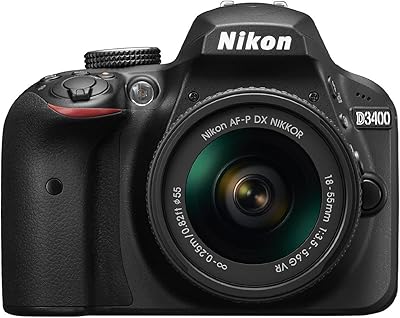
Nikon D3400 18-55mm VR Kit
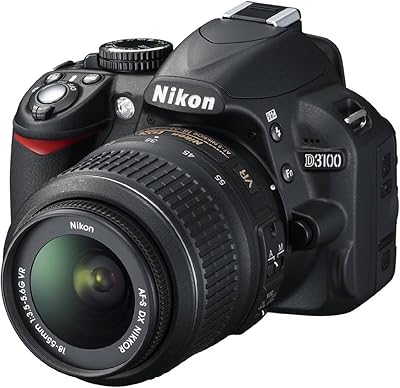
Nikon D3100 18-55mm VR Kit
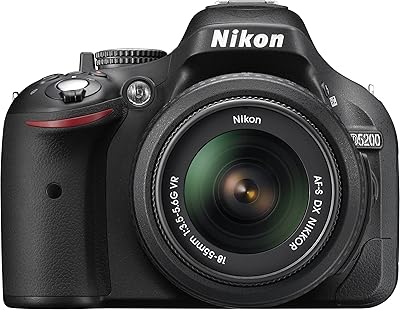
Nikon D5200
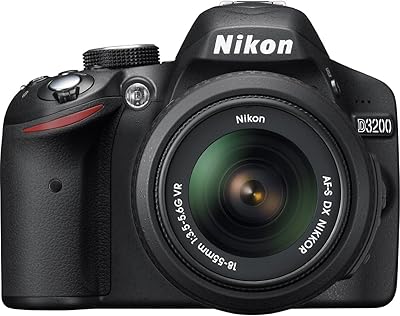
Nikon D3200 24.2MP DSLR
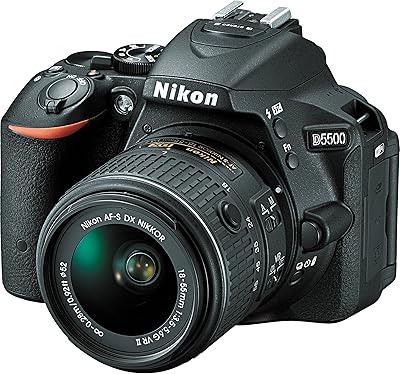
Nikon D5500 18-55mm DSLR Camera
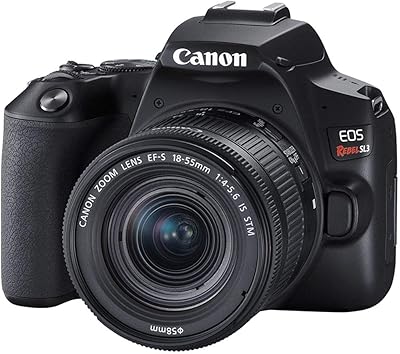
Canon EOS Rebel SL3
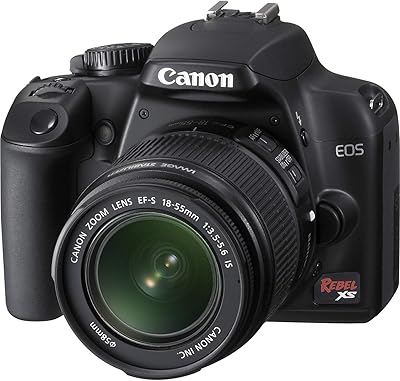
Canon Rebel XS DSLR Camera
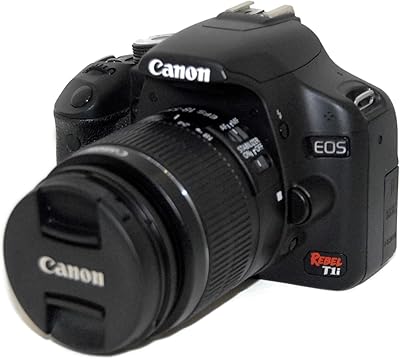
Canon EOS Rebel T1i DSLR Camera
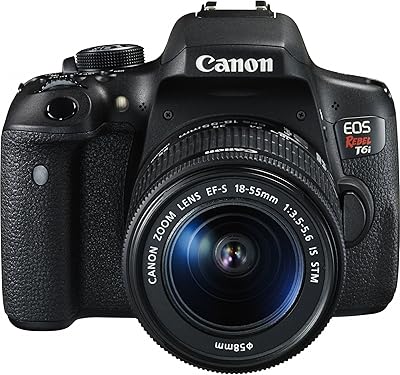
Canon EOS Rebel T6i