Overview

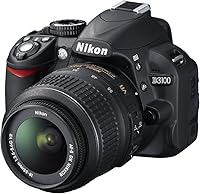
The Nikon D3100 18-55mm VR Kit was Nikon's answer to a straightforward question: how do you hand a real camera to someone who has never used one before without scaring them off? When it launched, it sat at the approachable end of Nikon's DSLR lineup, competing directly with Canon's Rebel series for first-time buyers. The bundled 18-55mm VR lens covers the focal lengths a new shooter needs most — portraits, landscapes, everyday snapshots. One important caveat: this is an international version, meaning it ships without a US warranty. That is worth understanding before you buy, not after.
Features & Benefits

At its core, this entry-level Nikon DSLR packs a 14.2-megapixel APS-C CMOS sensor that produces sharp, detailed images with pleasing color in good light. Noise becomes noticeable above ISO 800, but shots below that threshold remain genuinely usable. The Guide Mode is one of the more underrated features here — it walks beginners through exposure decisions step by step, directly on the camera, and actually teaches you something rather than just pointing you to a manual. The 11-point autofocus system handles moving kids or pets reasonably well, and the VR kit lens provides a real stabilization benefit when shooting indoors without flash.

Best For

This beginner-friendly camera is a strong fit for anyone stepping up from a phone or point-and-shoot who wants to understand how photography actually works. Photography students will find the manual controls approachable, especially with Guide Mode as a safety net. Parents who want sharper, faster shots at birthday parties or school events will notice the difference over a phone immediately. On the used and refurbished market, the D3100 kit also makes a smart entry point for anyone curious about the Nikon F-mount system, where a wide library of affordable lenses — both modern and legacy — is readily available.

User Feedback

Buyers consistently praise how light the body feels and how much the still image sharpness surprised them. Guide Mode earns specific appreciation from true beginners who had never owned a DSLR before. On the critical side, the 3 fps burst rate and shallow buffer frustrate anyone hoping to shoot sports or fast action. The lack of a built-in AF motor means older Nikon lenses without their own focus motor will not autofocus — a detail that catches some buyers off guard. Video is fine for home use, but autofocus motor noise bleeds into recordings. The no-warranty issue comes up repeatedly; most owners recommend buying from a seller who offers their own coverage.

Pros

  • 14.2MP APS-C sensor produces sharp, color-accurate images in good lighting conditions.
  • Guide Mode genuinely teaches beginners how exposure works, directly on the camera screen.
  • Lightweight body makes it comfortable to carry all day on travel or family outings.
  • VR stabilization in the kit lens visibly reduces blur during handheld indoor shots.
  • Compatible with the broad Nikon F-mount lens ecosystem, including affordable used options.
  • 1080p video is more than adequate for casual home recordings and family memories.
  • Battery life holds up reliably through a full day of moderate shooting.
  • RAW file support gives hobbyists room to learn post-processing with real editing latitude.
  • 11-point autofocus performs confidently on stationary and slow-moving everyday subjects.
  • Proven long-term durability — many owners report years of trouble-free use under normal conditions.

Cons

  • No built-in AF motor means many older, affordable Nikon lenses will not autofocus on this body.
  • International version carries no manufacturer warranty — repair costs fall entirely on the buyer.
  • Autofocus motor noise from the kit lens is clearly audible in video recordings.
  • Buffer fills quickly during bursts, causing frustrating mid-action pauses at just 3 fps.
  • High-ISO noise becomes a real problem above ISO 800, limiting low-light usability.
  • The fixed LCD screen makes shooting from awkward angles unnecessarily difficult.
  • 10-minute video clip cap is a hard limitation for event or creative filming.
  • 230k-dot LCD resolution is too low to reliably judge sharp focus in playback.
  • Kit lens corner sharpness and chromatic aberration are noticeably weak at wider focal lengths.
  • No in-body image stabilization means non-VR lenses get no shake compensation at all.

Ratings

The scores below were generated by AI after analyzing thousands of verified buyer reviews for the Nikon D3100 18-55mm VR Kit from global marketplaces, with spam, bot activity, and incentivized feedback actively filtered out. The result is an honest, aggregated picture of what real owners think — covering everything from image sharpness to long-term reliability. Both the genuine strengths and the recurring frustrations are reflected here without bias.

Image Quality
88%
For an entry-level body, the 14.2MP APS-C sensor produces images that genuinely impress in good light — colors are accurate, detail in landscapes and portraits holds up well, and RAW files give editors solid latitude to work with. Most buyers coming from smartphones are visibly surprised by the jump in quality.
Dynamic range starts to compress noticeably in high-contrast scenes, and noise becomes a real issue above ISO 800. Buyers hoping to shoot indoor events or evening scenes without flash will run into limitations more quickly than they might expect.
Ease of Use for Beginners
91%
Guide Mode is the standout feature for new photographers — it walks you through aperture, shutter speed, and exposure compensation using plain language directly on the camera screen. Multiple buyers specifically mentioned it helped them actually understand their shots rather than just shooting in Auto forever.
The menu system, while manageable, still carries Nikon's layered structure that can feel overwhelming when digging into less common settings. New users sometimes report spending a full afternoon just navigating options before feeling confident.
Autofocus Performance
74%
26%
The 11-point phase-detection system locks onto stationary and slow-moving subjects quickly and reliably — more than adequate for portraits, casual street photography, or a family gathering. In decent light, focus acquisition feels snappy and confident.
Tracking fast-moving subjects like kids at a birthday party or a dog running in the yard is where the system noticeably struggles. AF also slows considerably in low light, and the lack of a built-in focus motor means a significant range of older Nikon lenses simply will not autofocus on this body.
Video Quality
67%
33%
1080p Full HD footage looks solid for casual home use — family vacations, school recitals, birthday moments. The continuous autofocus during recording was a genuine selling point at launch, and clips hold up fine when played back on a TV or shared online.
Autofocus motor noise from the kit lens bleeds audibly into recorded audio, which is a persistent complaint from buyers who planned to use this camera for anything beyond casual clips. The 10-minute recording cap per clip also catches videographers off guard, and rolling shutter is visible when panning quickly.
Build Quality & Ergonomics
78%
22%
At roughly 1.3 lbs, the body is light enough to carry all day without fatigue — a genuine plus for travel or long family outings. The grip is well-shaped for average-sized hands, and the button layout feels deliberate rather than cluttered.
The plastic construction is apparent when you handle it, and a few buyers noted it feels less robust than competitors in the same class. The kit lens in particular develops wobble or stiffness at the zoom ring after extended use, which some owners reported within the first year.
Low-Light Performance
63%
37%
At ISO 400 to 640, shots remain clean and usable — good enough for dim restaurant lighting or indoor ambient shots with the VR lens helping compensate for slower shutter speeds. The VR system in the kit lens adds a genuine practical benefit when natural light drops.
ISO 1600 and above introduces noticeable chroma noise and a softening of fine detail. Buyers who regularly shoot concerts, evening events, or indoor sports without flash will find themselves frustrated more often than not at the upper end of the ISO range.
Battery Life
82%
18%
The EN-EL14 battery handles a full day of casual shooting comfortably — most users report getting through family outings, day trips, or tourist walks on a single charge without anxiety. Charging time is reasonable, and the battery holds its capacity well over time.
Heavy Live View use or extended video recording drains the battery considerably faster than stills-only shooting. Buyers planning long travel days or event coverage are advised to pick up a second battery, as one charge may not cover a full evening of mixed shooting.
Kit Lens Quality
72%
28%
The 18-55mm f/3.5-5.6 AF-S VR covers the focal range most new photographers actually need day-to-day. The Vibration Reduction noticeably reduces blur in handheld indoor shots, and sharpness in the center of the frame at mid-range focal lengths is genuinely good.
Corner sharpness is soft wide open, and chromatic aberration shows up in high-contrast edges — particularly at the wider end of the zoom. The plastic mount and lightweight construction also give it a less premium feel compared to Nikon glass a step up in the lineup.
Value for Money
83%
On the used and refurbished market, the D3100 kit represents one of the more sensible entry points into DSLR photography with a full lens included. For buyers who simply want to learn and shoot without a massive upfront commitment, the package holds its own against pricier alternatives.
Buying the international no-warranty version introduces risk that directly affects perceived value. If something goes wrong, buyers absorb the cost entirely — and a few owners have reported that discovering this after a malfunction felt like a significant hidden downside.
Warranty & Support
41%
59%
Some sellers of the international version offer their own limited coverage or return windows, and buyers who purchased through reputable third-party retailers reported reasonably smooth experiences when products arrived in good condition. The camera itself tends to be reliable if handled carefully.
The absence of a manufacturer warranty is the single most cited regret among buyers of this version. Nikon US service centers will not cover international units, and several reviewers who needed repairs post-purchase described the experience as unexpectedly expensive and frustrating.
Continuous Shooting Speed
58%
42%
For slow-paced subjects — a child blowing out birthday candles, a posed group shot, a flower in a garden — the 3 fps rate is more than adequate. You can capture a burst of a few frames and reliably pick the best expression or moment.
The buffer fills quickly during sustained bursts, causing the camera to pause and write to the card mid-action. Sports, wildlife, or any unpredictable fast subject will expose this limitation almost immediately, and buyers with those use cases consistently express disappointment.
LCD Screen Usability
69%
31%
The 3-inch display is large enough for comfortable image review and menu navigation, and brightness adjustment helps in varying ambient conditions. Live View works reliably for stationary subjects like macro shots or tripod-mounted compositions.
At 230k dots, the resolution is noticeably low by modern standards — fine details and focus accuracy are hard to judge from the screen alone. The fixed (non-articulating) design is also a drawback for shooting from low angles or overhead, which competing bodies at a similar price addressed.
Lens Mount Versatility
76%
24%
The Nikon F-mount opens up a genuinely wide ecosystem of lenses — from current AF-S options to decades of used glass available at accessible prices. For buyers who want to experiment with different focal lengths over time, this is a meaningful long-term advantage.
The body lacks a built-in AF motor, which means only lenses with their own focus motor (AF-S, AF-P) will autofocus. A large portion of older, affordable Nikon lenses become manual-focus only on this body — something buyers researching used lens options need to know upfront.
Portability
84%
Compared to mid-range and full-frame DSLRs, this beginner-friendly camera is noticeably compact and easy to carry. Buyers mention slipping it into a day bag for travel or keeping it handy at family events without it feeling burdensome — a practical advantage over heavier systems.
It is still considerably bulkier than a mirrorless alternative or a compact camera, and the kit lens adds meaningful size when attached. Buyers who prioritize pocket-friendly carry will find the overall package too large for truly casual everyday transport.
Long-Term Reliability
79%
21%
A notable number of buyers report using their D3100 for five or more years without major mechanical issues. The shutter mechanism handles light-to-moderate shooting volumes well, and the overall construction holds together under normal use conditions for hobbyists and casual shooters.
Units sourced as international versions have no path to manufacturer-backed repairs, which increases the stakes of any long-term hardware issue. Some older units on the used market show shutter wear or sticky control dials, so buyers should inspect carefully before purchasing secondhand.

Suitable for:

The Nikon D3100 18-55mm VR Kit is a genuinely smart choice for anyone taking their first serious step into interchangeable-lens photography — particularly buyers who want to understand how a camera works rather than just point and shoot. Photography students will find the on-camera Guide Mode acts like a patient tutor, walking through exposure decisions without requiring a separate course or thick manual. Parents who want sharper, faster images of kids at recitals, sports days, or family vacations will notice an immediate improvement over smartphone photos, especially in outdoor daylight conditions. Budget-conscious hobbyists looking to enter the Nikon F-mount ecosystem will also benefit from the wide range of affordable used lenses compatible with this body, giving room to grow without committing to a newer, pricier system. If your main goal is learning the fundamentals and capturing everyday life with a real camera, this entry-level Nikon DSLR still delivers solid results on the used market.

Not suitable for:

Buyers with serious video ambitions should look elsewhere before committing to the Nikon D3100 18-55mm VR Kit — the autofocus motor noise from the kit lens bleeds directly into audio recordings, and the 10-minute clip limit per recording is a real constraint for event coverage or longer creative projects. Anyone hoping to shoot fast action — sports, wildlife, unpredictable kids in motion — will quickly run into the 3 fps burst rate and shallow buffer, which simply cannot keep up with demanding subjects. Photographers who already own a collection of older Nikon lenses without built-in focus motors will be frustrated to discover those lenses only operate in manual focus on this body, due to the absence of an internal AF motor. If you need manufacturer warranty coverage or reliable after-sales support, the international version sold here creates a significant gap — Nikon US service centers will not honor it, and repair costs fall entirely on the buyer. Experienced photographers or anyone ready to shoot professionally would outgrow this beginner-friendly camera quickly and are better served investing in a more capable body from the start.

Specifications

  • Sensor: 14.2MP APS-C CMOS sensor delivers detailed still images with a crop factor of approximately 1.5x relative to full-frame.
  • ISO Range: Native ISO range runs from 100 to 3200, with a modest expanded setting available for extreme low-light situations.
  • Autofocus System: 11-point phase-detection autofocus system with contrast-detection support in Live View mode for stationary subjects.
  • Shutter Speed: Mechanical shutter operates from 30 seconds to 1/4000s, with a flash sync speed of 1/200s.
  • Burst Rate: Continuous shooting tops out at 3 frames per second with a limited buffer before write speed slows capture.
  • Video: Records Full HD 1080p video in MPEG-4 AVC/H.264 format with continuous autofocus, capped at 10 minutes per clip.
  • LCD Screen: Fixed 3-inch TFT-LCD display with 230,000-dot resolution and manual brightness adjustment for outdoor visibility.
  • Kit Lens: Bundled 18-55mm f/3.5-5.6 AF-S DX VR Nikkor lens features Vibration Reduction stabilization and an 11-element, 8-group optical construction.
  • Lens Mount: Nikon F-mount accepts both DX and FX lenses, but autofocus is only supported with AF-S or AF-P lenses due to the absence of an internal motor.
  • Storage: Single SD/SDHC/SDXC card slot with no secondary slot; cards are sold separately and not included in the box.
  • File Formats: Supports RAW (NEF), JPEG (Basic, Normal, Fine), WAV audio, and MPEG-4 AVC/H.264 for video output.
  • Battery: EN-EL14 Lithium-Ion rechargeable battery with MH-24 charger included; rated for approximately 550 shots per charge under CIPA standard conditions.
  • Body Weight: Camera body weighs approximately 1.3 lbs (505g) without lens, battery, or memory card attached.
  • Metering: Three metering modes available: Multi (matrix), Center-weighted, and Spot, selectable based on scene requirements.
  • White Balance: White balance options include Auto, Daylight, Cloudy, Shade, Incandescent, Fluorescent, Flash, and manual Color Temperature input.
  • Flash: Built-in pop-up TTL flash included, plus a hot shoe for external Nikon Speedlight units; guide number is approximately 39 ft (12m) at ISO 100.
  • Connectivity: Single USB 2.0 port for tethered transfer and one video output port (NTSC/PAL); wireless connectivity supported via optional EyeFi SD cards only.
  • Shooting Modes: Full range of exposure modes including Auto, Scene, Program Auto, Shutter Priority, Aperture Priority, Manual, and the beginner-oriented Guide Mode.
  • Viewfinder: Optical pentamirror viewfinder with approximately 0.8x magnification and 95% frame coverage.
  • Warranty: This is an international version with no manufacturer warranty; Nikon US service centers will not provide covered repairs for this unit.

Related Reviews
Nikon D5500 DSLR Camera with 18-55mm VR II Lens
87%
91%
Image Quality
88%
Ease of Use
85%
Battery Life
80%
Build Quality
89%
Autofocus Performance
More
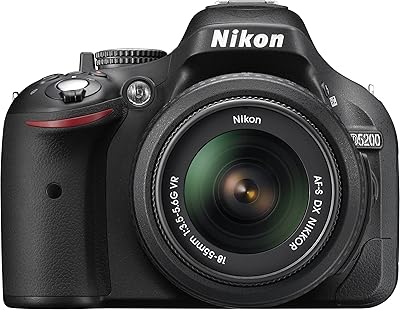
Nikon D5200
Nikon D5200
76%
91%
Image Quality
78%
Autofocus Performance
84%
Build Quality & Ergonomics
88%
Articulating LCD Screen
69%
Video Capability
More
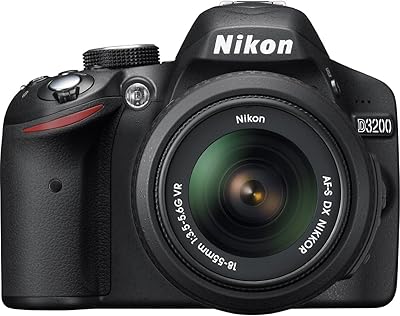
Nikon D3200 24.2MP DSLR
74%
91%
Image Quality
88%
Ease of Use
74%
Autofocus Performance
83%
Value for Money
79%
Build Quality & Handling
More
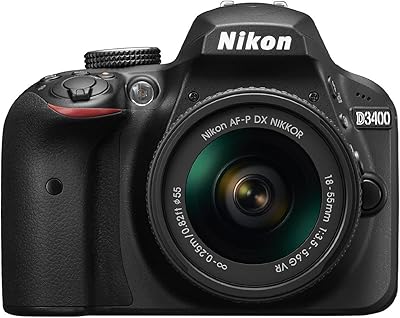
Nikon D3400 18-55mm VR Kit
75%
91%
Image Quality
78%
Low-Light Performance
76%
Autofocus Performance
93%
Battery Life
74%
Build Quality & Ergonomics
More
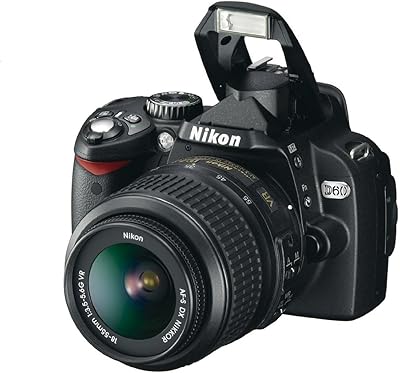
Nikon D60 DSLR Camera with 18-55mm Lens
82%
88%
Image Quality
91%
Ease of Use
84%
Portability/Weight
85%
Lens Versatility
83%
Build Quality
More
Nikon NIKKOR Z DX 18-140mm VR Lens
87%
87%
Performance
91%
Image Stabilization
95%
Portability/Weight
80%
Autofocus Speed
85%
Build Quality
More
Canon EOS Rebel SL3
Canon EOS Rebel SL3
77%
88%
Image Quality
84%
Autofocus Performance
82%
Build Quality & Portability
61%
Video Capabilities
91%
Ease of Use
More
OVEHEL HQ-18 18-inch RGB Ring Light Kit
85%
89%
Lighting Performance
88%
Ease of Use
92%
Value for Money
85%
Build Quality
75%
Portability/Size
More
Pentax KF 18-55 WR Kit
84%
87%
Image Quality
90%
Build Quality
84%
Ease of Use
88%
Portability
75%
Battery Life
More
Nikon NIKKOR Z 24-200mm VR Lens
86%
91%
Image Quality
88%
Vibration Reduction (VR) Performance
87%
Portability & Weight
84%
Build Quality
90%
Focal Length Range (24-200mm)
More

FAQ

Yes, it is one of the more approachable options for a true beginner. The built-in Guide Mode walks you through exposure settings on the camera screen in plain language, so you are not forced to memorize concepts from a manual before you can take a decent photo. Most first-time buyers find the learning curve manageable within a few weeks of regular use.

The international version is manufactured for markets outside the US and ships without a Nikon USA warranty. In practical terms, if the camera develops a hardware fault, Nikon US service centers will decline to repair it under warranty coverage. You would either need to pay out of pocket or rely on any coverage the seller provides. It is not a reason to avoid the camera entirely, but you should factor that risk into your buying decision and consider purchasing from a seller who offers their own return policy or protection plan.

Only if they have a built-in focus motor, which means AF-S or AF-P lenses. This entry-level Nikon DSLR does not have an internal autofocus drive motor, so older screw-drive AF lenses will mount physically but will only operate in manual focus mode. If you already own a collection of older Nikon glass, check each lens for the AF-S designation before assuming it will autofocus.

It is noticeable enough to be a real problem if audio quality matters to you. The AF-S motor in the kit lens generates an audible whirring sound that the built-in microphone picks up clearly during continuous autofocus. For family home videos where you are not listening critically, it is easy to overlook. For anything you plan to share publicly or use in a project, you would want to either use a manual focus technique or attach an external microphone placed away from the body.

Any Class 10 or UHS-I SD card in the SDHC or SDXC format will work well. A card with at least 16GB of storage and a write speed rated at 45MB/s or higher is a solid starting point — it helps keep the buffer from bogging down during burst shooting. Brands like SanDisk and Lexar are widely trusted and affordable at that specification.

You can capture good individual shots of moving subjects in decent light, but the D3100 kit was not designed for sustained action shooting. The 3 fps burst rate and modest buffer mean the camera will pause to write data mid-sequence, and the autofocus tracking is not fast enough to reliably lock onto unpredictable movement. For the occasional action shot at a school event, it performs adequately. For consistent sports or wildlife photography, a body with faster burst speed and better AF tracking would serve you much better.

Yes, it supports Nikon NEF RAW files, and using RAW is genuinely worthwhile even as a beginner if you plan to edit your photos. RAW files retain far more exposure and color information than JPEGs, giving you much more room to recover shadows, correct white balance, or fix exposure mistakes in editing software like Lightroom or even the free Nikon software included with the camera. The files are larger, so a bigger memory card helps, but the improvement in editing flexibility is worth it.

Under normal conditions — mostly viewfinder shooting with occasional playback — you can expect to get through a full day of casual use on one charge. Heavy Live View use or extended video recording will drain it considerably faster. Picking up a second EN-EL14 battery is a cheap precaution for travel days or longer events, and compatible third-party options are widely available at a reasonable cost.

For learning the fundamentals of photography and capturing everyday life, the answer is still yes — with the right expectations. The image quality from the APS-C sensor holds up well for prints, social media, and casual use, and the Nikon F-mount opens a wide used lens market. Where it shows its age is in autofocus speed, video capabilities, and the low-resolution LCD. If you can find it at a fair price on the used or refurbished market and your main goal is learning or casual shooting, it remains a practical choice.

A second EN-EL14 battery is the most practical first purchase. After that, a 16GB or 32GB Class 10 SD card if one is not included, and a basic UV filter to protect the front element of the kit lens. A simple padded camera bag will protect the body during transport. If you plan to shoot any video indoors, a small desktop tripod is also worth the modest cost to stabilize your shots and reduce that kit lens autofocus noise from being as disruptive.