Overview

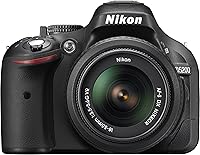
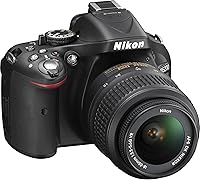
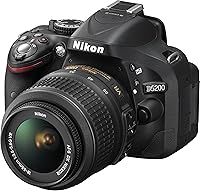
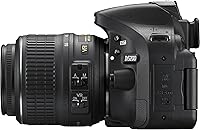
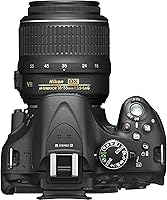
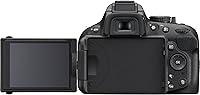
The Nikon D5200 sits comfortably in Nikon's enthusiast mid-range lineup, aimed at hobbyists ready to step beyond their first camera. It ships as a complete kit with the 18-55mm VR lens, covering most everyday shooting situations right out of the box. What genuinely sets this APS-C camera apart from rivals like the Canon Rebel T4i is the vari-angle LCD screen — a feature you rarely find at this tier. With 24.1 megapixels on a DX-format sensor, the resolution holds up well against direct competitors, giving you plenty of detail for large prints or aggressive cropping in post.

Features & Benefits

The 39-point autofocus system, with nine cross-type points and 3D tracking, is the kind of AF setup that handles kids running around or a dog mid-sprint without much fuss. Through the optical viewfinder, it locks on fast and accurately. Shoot in good light and the 24.1MP sensor rewards you with impressively detailed files. The articulating screen isn't just a checkbox spec — it genuinely changes how you shoot, whether you're framing a low-angle landscape or shooting overhead in a crowd. ISO performance is solid through 3200, but push it beyond that and noise becomes noticeable. The 1080p video covers basic vlogging and family clips comfortably.

Best For

This mid-range Nikon DSLR makes the most sense for photographers who've outgrown their first camera and want more creative control without jumping to a professional body. Parents shooting school events and weekend sports will appreciate the fast AF and burst mode. Travelers will find the weight manageable — just over a pound for the body — though it's still bulkier than a mirrorless alternative. It's also a strong choice for anyone already invested in the Nikon F-mount ecosystem, since legacy glass works without adapters. Students learning photography or budget-conscious video creators who want a flip screen will find it punches above its class.

User Feedback

Owners of this APS-C camera consistently praise image quality in daylight and the ergonomic grip, which feels solid and natural in hand. The articulating screen gets frequent mentions as a genuine reason buyers chose it over competing models. On the downside, live view autofocus draws repeated complaints — it's noticeably sluggish compared to the snappy phase-detect performance you get through the viewfinder. Battery life is serviceable but not generous; carrying a spare is wise on longer outings. The kit lens gets mixed reviews — capable for casual use, but many users eventually upgrade to a faster prime lens. A few buyers note the body feels large against today's mirrorless options.

Pros

  • The 24.1MP sensor produces detailed, print-worthy images with strong color accuracy in good lighting conditions.
  • A 39-point AF system with cross-type points locks on quickly and reliably when shooting through the optical viewfinder.
  • The articulating vari-angle LCD opens up creative shooting angles that fixed-screen cameras in this class simply cannot match.
  • Full compatibility with the Nikon F-mount means access to a vast library of lenses, including affordable used options.
  • RAW files offer generous post-processing latitude, making it a practical learning tool for photographers developing editing skills.
  • The ergonomic grip feels secure and natural during extended shooting sessions, reducing hand fatigue.
  • 1080p video output is clean and detailed enough for casual family recordings, school projects, and basic content creation.
  • The bundled kit lens covers a versatile focal range that handles most everyday shooting situations without an immediate upgrade.
  • Body weight stays manageable for a DSLR, making it comfortable to carry for a full day of casual shooting.

Cons

  • Live-view autofocus is sluggish and unreliable, making handheld video of moving subjects frustrating to shoot.
  • No built-in Wi-Fi means transferring images to a phone or sharing on the go requires an extra accessory purchase.
  • High-ISO noise becomes a real problem above 3200, limiting flexibility in low-light or indoor situations without flash.
  • Battery stamina is modest — heavy live-view or video use can drain a charge faster than expected on a full day out.
  • The kit lens feels plasticky and optically average; most users find themselves wanting a better lens sooner than expected.
  • There is no weather sealing on the body, making it a risk to use in rain, dust, or challenging outdoor environments.
  • The buffer fills quickly when shooting RAW bursts, causing short but noticeable pauses during sustained action sequences.
  • Older Nikon AF lenses without built-in focus motors will not autofocus on this body, which surprises buyers shopping used glass.

Ratings

The Nikon D5200 earned its reputation among hobbyists and advancing photographers through years of real-world use, and the scores below reflect exactly that — an AI-driven analysis of verified global buyer reviews, with spam, bot activity, and incentivized feedback actively filtered out. What you see here is an honest composite of thousands of genuine shooting experiences, covering everything from weekend family outings to outdoor travel photography. Both the camera's clear strengths and its genuine frustrations are represented without sugarcoating.

Image Quality
91%
In good light, the 24.1MP APS-C sensor produces files with impressive detail and natural color rendition that regularly surprises users coming from entry-level bodies. Landscape and portrait shooters consistently praise how much latitude the RAW files offer in post-processing.
High-ISO shooting above 3200 introduces visible luminance noise that requires careful noise reduction in editing, which frustrates users hoping to shoot freely in dim indoor venues or evening events without flash.
Autofocus Performance
78%
22%
Through the optical viewfinder, the 39-point AF system with 9 cross-type points tracks moving subjects reliably — parents photographing kids at birthday parties or sports sidelines report solid hit rates at 5fps bursts.
Switch to live view and the experience drops sharply; contrast-detect AF in live view is noticeably sluggish, making it frustrating for video work or tripod shooting where you naturally default to the screen.
Build Quality & Ergonomics
84%
The grip is deep and well-contoured, giving the camera a secure, confidence-inspiring feel even during longer shooting sessions. Users with larger hands especially appreciate how natural the shutter button placement feels.
The body is constructed primarily of polycarbonate without weather sealing, which makes some buyers hesitant to use it in light rain or dusty outdoor environments where more rugged competitors offer better protection.
Articulating LCD Screen
88%
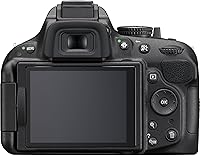
The vari-angle 3-inch screen is genuinely useful in real shooting situations — photographers shooting from low angles at ground level or overhead in crowds consistently cite it as a decisive reason they chose this camera over competitors at the same tier.
At 921,000 dots the resolution is adequate but not sharp by modern standards, and outdoor visibility in bright sunlight requires cranking the brightness up, which accelerates battery drain during extended sessions.
Video Capability
69%
31%
For basic 1080p recording at family events, school performances, or casual vlogging, the footage quality is clean and detailed enough to look good on a large screen. The flip-out screen helps with self-recording scenarios.
The slow live-view autofocus makes video AF unreliable for moving subjects, essentially forcing manual focus for anything dynamic. Rolling shutter is also noticeable during panning shots, which bothers users coming from video-focused cameras.
Battery Life
63%
37%
Under typical shooting conditions — a few hundred shots per outing — the battery gets most users through a half-day event without issue. Light users on a city day trip rarely feel anxious about running out.
Heavy live view use, video recording, or cold-weather shooting can cut stamina significantly below expectations. Most experienced users recommend carrying at least one spare battery for travel days or all-day events.
Kit Lens Quality
71%
29%
The bundled 18-55mm VR lens covers a practical zoom range for everyday use and the vibration reduction helps produce sharp handheld shots in moderate light, making it a reasonable starting point for new DSLR users.
The plastic build and variable maximum aperture mean it struggles in low light and feels noticeably cheaper than the camera body it ships with. Many users find themselves upgrading to a faster prime within six months.
Value for Money
83%
Considering the sensor resolution, AF system, and the inclusion of an articulating screen — features that cost more on competing bodies — buyers consistently feel the overall package represents strong value for an enthusiast-level DSLR kit.
Used and refurbished pricing can vary widely depending on condition and seller, and some buyers feel the kit lens should be better given the overall investment. Factoring in a worthwhile lens upgrade raises the real total cost noticeably.
Low-Light Performance
67%
33%
At ISO 800 to 1600, the D5200 handles indoor ambient light reasonably well, producing usable shots at birthday dinners or indoor sports gyms with some post-processing noise reduction applied.
Above ISO 3200 the noise pattern becomes gritty enough to limit print size and crop flexibility. Users accustomed to full-frame sensors or newer APS-C generations will find the high-ISO ceiling a real practical limitation.
Continuous Shooting Speed
74%
26%
Five frames per second is enough to capture a decisive moment during a child's soccer game or a dog mid-leap. For casual action photography, the buffer and speed combination handles most real-world scenarios comfortably.
The buffer fills quickly when shooting RAW, forcing short pauses during extended action sequences. Dedicated sports photographers will find the speed ceiling limiting compared to higher-tier bodies with deeper buffers.
Lens Ecosystem Compatibility
93%
Nikon F-mount compatibility means existing Nikon lens owners can use decades worth of glass without any adapters, which is a major practical advantage for buyers already invested in the system or purchasing used lenses.
Older AF lenses without a built-in focus motor will not autofocus on this body, which can catch buyers off guard when shopping the used market for budget glass to pair with it.
Ease of Use & Learning Curve
81%
19%
The menu layout and control placement make it accessible for photographers transitioning from a point-and-shoot or basic DSLR. The guide mode helps beginners understand exposure settings in practical shooting contexts.
Advanced menu customization can feel buried, and users coming from Canon bodies sometimes find the layout counterintuitive during the adjustment period. The manual, while thorough, is dense and not especially beginner-friendly.
Portability & Size
66%
34%
At just over a pound for the body alone, the D5200 is lighter than many DSLRs in its class, making it manageable for a full day of walking around a city or a hiking trail with the kit lens attached.
Compared to mirrorless alternatives at similar price points, the combined bulk of body and lens is noticeably larger, and travelers who prioritize packing light increasingly find mirrorless systems more practical for extended trips.
Connectivity & Sharing
58%
42%
HDMI output for direct TV playback and USB for tethered shooting or file transfer cover the basic connectivity needs that most hobbyist photographers actually use on a regular basis.
There is no built-in Wi-Fi; wireless transfer requires a separately purchased adapter, which feels like an omission at this tier — especially since smartphone-connected shooting has become a baseline expectation for modern camera buyers.

Suitable for:

The Nikon D5200 is a strong match for hobbyist photographers who have outgrown a basic point-and-shoot or entry-level DSLR and are ready to take more deliberate control over their images. Parents who want sharper, more flexible shots of kids at school events, birthday parties, or weekend sports will find the responsive optical viewfinder autofocus and burst mode genuinely useful in those real-world moments. Travelers who want a capable interchangeable-lens camera without committing to professional-grade bulk will appreciate the relatively manageable body weight paired with a practical kit lens that covers wide-to-short-telephoto in one go. The articulating screen is a real advantage for anyone who shoots from unconventional angles regularly — whether that's low-to-the-ground pet photography or overhead crowd shots at a concert. Students learning photography will benefit from having full manual controls and a forgiving RAW workflow that teaches exposure fundamentals without artificial limitations. Anyone already owning Nikon F-mount lenses will find this APS-C camera a cost-effective way to expand their system without buying new glass.

Not suitable for:

Buyers who rely heavily on video autofocus — run-and-gun videographers, travel vloggers who need reliable continuous AF while walking and talking to camera — will find the D5200 genuinely frustrating, since live-view contrast-detect autofocus is slow enough to miss moments that a dedicated video camera or modern mirrorless would handle without a second thought. Photographers who regularly shoot in demanding low-light conditions, such as indoor concerts, evening street photography, or dimly lit receptions, should be aware that noise above ISO 3200 is a real limitation that can compromise image quality at those settings. Anyone who expects Wi-Fi connectivity out of the box will be disappointed — built-in wireless is simply absent here, and adding it requires a separately purchased adapter. Buyers prioritizing a compact, lightweight travel kit will likely find mirrorless alternatives at comparable price points a more practical fit for long trips where every ounce counts. Finally, if action and sports photography is the primary use case, the 5fps burst rate and buffer depth may leave professionals or serious enthusiasts wanting more than this mid-range Nikon DSLR can reliably deliver.

Specifications

  • Sensor: 24.1MP DX-format (APS-C) CMOS sensor delivers high-resolution stills with strong detail and dynamic range in well-lit conditions.
  • Autofocus System: 39-point Multi-CAM 4800DX AF system includes 9 cross-type points and supports 3D tracking for subject-following across the frame.
  • ISO Range: Native ISO runs from 100 to 6400, with expansion available up to an equivalent of 25,600 for low-light shooting.
  • Shutter Speed: Mechanical shutter covers 30 seconds to 1/4000 sec, with a flash sync speed of 1/200 sec.
  • Burst Rate: Continuous shooting reaches up to 5 frames per second, suitable for casual action and event photography.
  • Video Resolution: Records Full HD 1080p video at up to 30fps in H.264/MPEG-4 format with continuous contrast-detect autofocus in live view.
  • LCD Screen: 3″ vari-angle articulating LCD with 921,000-dot resolution tilts and rotates for flexible framing at high or low angles.
  • Viewfinder: Optical pentamirror viewfinder offers 0.78x magnification and approximately 95% frame coverage.
  • Lens Mount: Nikon F-mount accepts both DX and FX format lenses; note that older AF lenses without a built-in focus motor will not autofocus on this body.
  • Kit Lens: Bundled 18-55mm f/3.5–5.6 AF-S DX VR Nikkor zoom lens covers a practical wide-to-short-telephoto range with optical image stabilization.
  • Memory Card: Single SD/SDHC/SDXC card slot accepts standard consumer memory cards up to current SDXC capacity specifications.
  • Built-In Flash: Pop-up built-in flash supports auto, red-eye reduction, and slow sync modes with a guide number of approximately 12 meters at ISO 100.
  • Connectivity: Includes USB 2.0 for tethered shooting and file transfer, plus an HDMI output and a 3.5mm microphone input jack.
  • Wireless: No built-in Wi-Fi or Bluetooth; wireless image transfer and remote control require a separately purchased Nikon WU-1a wireless adapter.
  • Battery: Rechargeable EN-EL14a lithium-ion battery is included and rated for approximately 500 shots per charge under CIPA standard test conditions.
  • Body Weight: Camera body weighs approximately 1.22 lbs (555g) without lens, battery, or memory card.
  • File Formats: Captures stills in JPEG (Basic, Normal, Fine) and 12-bit or 14-bit NEF (RAW) format, with simultaneous RAW plus JPEG recording available.
  • Exposure Modes: Full manual, aperture-priority, shutter-priority, and program auto modes are available alongside scene and guide shooting modes.
  • Metering: Three metering methods are available: 2016-pixel RGB matrix, center-weighted, and spot metering.
  • Dimensions: Body measures approximately 5.2 x 4.1 x 3.1 inches (129 x 98 x 78mm) making it a compact but grip-friendly SLR form factor.

Related Reviews
Nikon COOLPIX P950
Nikon COOLPIX P950
76%
96%
Zoom Range & Reach
88%
Image Stabilization
67%
Autofocus Performance
83%
Image Quality in Daylight
54%
Low Light & High ISO Performance
More
Nikon COOLPIX AW100
Nikon COOLPIX AW100
83%
88%
Overall Durability
85%
Image Quality
90%
Ease of Use
91%
Waterproof Performance
83%
Video Quality
More
Nikon COOLPIX P510
Nikon COOLPIX P510
84%
94%
Zoom Performance
89%
Image Quality
83%
Battery Life
88%
Ease of Use
60%
Autofocus in Low Light
More
Nikon L105 Digital Camera
79%
92%
Ease of Use
89%
Value for Money
85%
Zoom Performance
80%
Build Quality
93%
Portability
More
Nikon COOLPIX P610 Digital Camera
83%
94%
Zoom Performance
87%
Image Quality
90%
Portability
72%
Battery Life
85%
Ease of Use
More
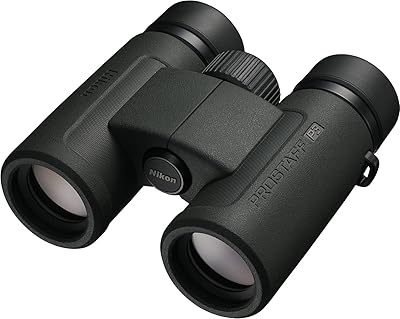
Nikon Trailblazer 8x25mm ATB Binoculars
86%
92%
Portability & Weight
88%
Image Clarity & Brightness
85%
Build Quality & Durability
90%
Ease of Use & Adjustments
87%
Weather Resistance (Waterproof/Fogproof)
More
Nikon COOLPIX S5200 Digital Camera
83%
88%
Image Quality
92%
Wi-Fi Functionality
90%
Ease of Use
85%
Build Quality
65%
Low-Light Performance
More
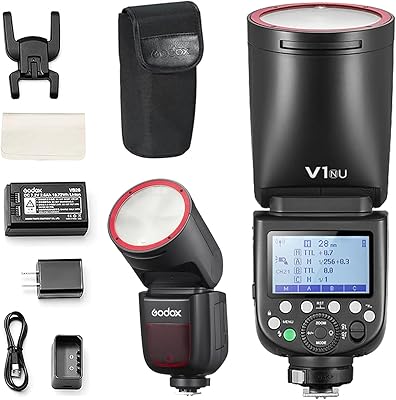
Godox V1-NU Flash for Nikon
88%
91%
Value for Money
89%
Flash Performance
88%
Build Quality
87%
Battery Life
92%
Ease of Use
More
Nikon COOLPIX P7100 Digital Camera
82%
88%
Image Quality
94%
Manual Control Options
91%
Build Quality
63%
Autofocus Speed
67%
Low-Light Performance
More
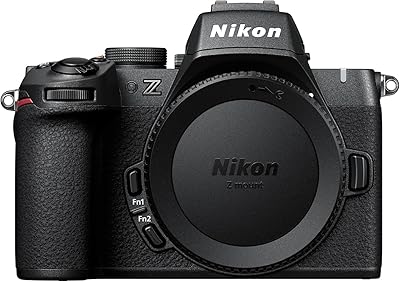
Nikon Z50 II Mirrorless Camera
84%
94%
4K Video Performance
88%
Autofocus Accuracy
90%
Ease of Use
91%
Portability/Weight
85%
Color Presets
More

FAQ

Absolutely, for the right buyer. The D5200 has been discontinued, but well-maintained used and certified refurbished units are widely available from reputable sellers, and Nikon F-mount lenses will remain supported for a very long time. If image quality, manual control, and build feel matter more to you than cutting-edge features, this APS-C camera still holds up well for everyday and enthusiast photography.

Most Nikon F-mount lenses are compatible, but there is one important catch: older AF lenses that rely on the camera body to drive autofocus (known as screwdriver-type AF lenses, common in the 1990s) will not autofocus on this body since it lacks a built-in AF motor. AF-S lenses with their own internal motors work perfectly, and manual focus is always available regardless of lens type.

Honestly, it is one of the weaker points of this camera for video. In live view, the contrast-detect AF is slow enough that fast-moving subjects — a child running, a pet playing — will often go soft before the camera catches up. For static subjects or interviews where the camera is on a tripod and focus is set manually, the video quality itself is quite good. But if smooth, reliable video AF is a priority, a modern mirrorless camera will serve you much better.

Any standard SD, SDHC, or SDXC card works. For general shooting, a Class 10 or UHS-I card is more than adequate. If you plan to shoot extended video clips or rapid RAW bursts, a faster UHS-I card with higher write speeds will reduce the chance of buffer slowdowns and ensure smooth recording.

It depends on the type of work. For portrait sessions, events in good light, or product photography in a controlled studio environment, the 24MP files are absolutely capable of professional output. Where it falls short for professional use is demanding low-light scenarios, fast continuous action at long events, and any situation where weather sealing would be necessary, since the body has no weather resistance.

Under typical conditions — shooting with the optical viewfinder, moderate chimping on the LCD, and not recording much video — most users get somewhere in the range of 400 to 500 shots per charge. Heavy live-view use or video recording will cut that down significantly. Spare batteries are inexpensive and widely available, and carrying one is genuinely worth it for any full-day outing.

The 18-55mm VR kit lens is a reasonable starting point and covers a practical range for everyday shooting. It is optically adequate for casual photography and the VR helps in mixed light, but its variable aperture becomes limiting in dim conditions and the plastic build feels modest. If you are serious about image quality, most photographers find themselves adding a fast 35mm or 50mm prime lens within a few months, which makes a noticeable difference.

It works well for framing — being able to see yourself while recording is genuinely useful. The catch for dedicated vlogging is the slow live-view autofocus mentioned earlier, which means keeping yourself sharp while moving around requires either manual focus or accepting that AF will occasionally hunt. For static talking-head style videos or sit-down content, it does the job comfortably.

Both cameras are closely matched for still image quality, but the D5200 has a meaningful resolution advantage with its 24.1MP sensor versus the T4i's 18MP. The T4i has a touchscreen and somewhat better video autofocus thanks to Canon's hybrid AF system. The D5200 counters with more AF points and the articulating screen. Lens ecosystem preference is often the deciding factor — if you or someone in your household already owns glass from either brand, that is usually the clearest reason to pick one over the other.

Yes — Nikon made a small accessory called the WU-1a wireless mobile adapter that plugs into the USB port and enables Wi-Fi connectivity for image transfer and basic remote control from a smartphone. It is a compact and affordable add-on that addresses the missing built-in wireless functionality, though the pairing process and app experience are fairly basic compared to what modern cameras offer natively.