Overview

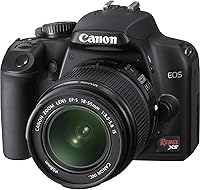
The Canon Rebel XS DSLR Camera is one of those cameras that quietly earned its reputation by doing exactly what beginners need it to do. Bought used, it sits in a price range where expectations should be calibrated — this isn't a modern mirrorless powerhouse, but it's a genuine, well-built DSLR from a brand that knows how to make them. The bundled EF-S 18-55mm kit lens is a real advantage out of the box, covering everyday focal lengths with optical stabilization included. Add a 10.1MP APS-C sensor capable of producing sharp, print-worthy images, and you have a starter kit that still holds its own for learning the craft.

Features & Benefits

The APS-C CMOS sensor gives this entry-level Canon DSLR a field-of-view crop that actually works in your favor for portraits and close-ups, though low-light performance starts to soften noticeably above ISO 800. The optical image stabilization built into the kit lens makes a real difference when shooting handheld indoors or in dim conditions — something beginners often struggle with on their first DSLR. Canon's DIGIC III processor keeps colors accurate and response times brisk enough for everyday use. The 7-point autofocus system handles portraits and relaxed street shooting comfortably, though it won't track fast-moving subjects reliably. Live View works, and the 2.5-inch LCD is useful for awkward angles, though its resolution feels dated. The sensor cleaning system is a quietly useful feature first-time DSLR owners will genuinely appreciate over time.

Best For

The Rebel XS kit is a strong match for anyone who has outgrown a smartphone or compact camera and wants to start shooting with real manual controls. Aperture priority, shutter priority, and program AE modes are all present, making it a practical hands-on classroom for learning exposure. If you already own Canon EF or EF-S glass, this body lets you access that wide lens ecosystem at a very low cost of entry. That said, be realistic about the limitations: 3fps continuous shooting and an ISO ceiling of 1600 make it a poor fit for action sports or demanding low-light scenarios. This is a camera for thoughtful, deliberate shooting — landscapes, portraits, travel — not fast-paced work.

User Feedback

With a 4.4-star average across more than 600 ratings, this entry-level Canon DSLR has clearly satisfied the audience it was built for. Owners consistently point to ease of use and solid daylight image quality as the camera's strongest suits — the autofocus rarely causes frustration for the kind of shooting it's designed for. The recurring criticisms are honest and worth knowing: the LCD looks noticeably dated, no video mode exists at all, and noise becomes visible at ISO 800 and above. Buying used adds another layer of due diligence — always check the shutter count if possible, and inspect the sensor carefully before committing. Many users describe it as the camera that taught them photography before they moved on to something more advanced, which says a lot.

Pros

  • The included 18-55mm IS kit lens covers portraits, travel, and everyday shooting without any additional investment.
  • A 10.1MP APS-C sensor produces sharp, detailed images fully capable of large prints in good lighting.
  • Optical image stabilization in the lens reduces handheld blur meaningfully, especially indoors or in lower light.
  • Aperture priority, shutter priority, and full manual modes make this Rebel XS kit a genuine learning tool.
  • The Canon EF-S mount opens up a broad ecosystem of affordable lenses as your skills and needs grow.
  • At under one pound, the body is genuinely comfortable to carry on day trips and travel without fatigue.
  • The self-cleaning sensor system reduces dust-related maintenance headaches, a real benefit for first-time DSLR owners.
  • A 4.4-star average across more than 600 ratings signals consistent satisfaction among buyers who understand what it is.
  • Battery life of around 500 shots per charge is solid for a full day of casual shooting.
  • RAW file support gives serious learners full post-processing flexibility from the very first shot.

Cons

  • No video mode at all — not even basic recording — makes it completely unsuitable for any moving-image work.
  • ISO performance degrades visibly above 800, limiting usefulness in dim interiors, evening events, or overcast conditions.
  • The 2.5-inch LCD resolution feels noticeably outdated compared to virtually any camera released in the past decade.
  • Continuous shooting at 3fps is too slow for sports, wildlife, or capturing unpredictable fast-moving subjects.
  • Buying used carries real condition risk — shutter count, sensor health, and body wear vary and must be verified.
  • The DIGIC III processor, while functional, shows its age in buffer speed and overall menu responsiveness.
  • No built-in wireless or Bluetooth means transferring images requires a USB cable or physical card removal every time.
  • The fixed LCD cannot tilt or swivel, making low-angle or overhead compositions genuinely awkward to frame.
  • Only 7 autofocus points, all center-weighted, limits compositional flexibility when shooting off-center subjects.
  • Parts and manufacturer support for this aging body are increasingly difficult to find if something goes wrong.

Ratings

The scores below represent an AI-powered synthesis of verified buyer experiences with the Canon Rebel XS DSLR Camera, drawn from thousands of global ratings with spam, bot-generated, and incentivized submissions actively identified and filtered out. Every category has been weighted against real-world usage patterns — not just average star counts — so the numbers reflect what long-term owners actually experienced, not a sanitized highlight reel. Where the camera earns praise the scores reflect that honestly; where it falls short, those pain points are captured just as plainly.

Image Quality
83%
In good daylight, the 10.1MP APS-C sensor consistently delivers sharp, detailed shots that hold up well at large print sizes. Colors are rendered accurately and naturally by the DIGIC III processor, and buyers frequently note they were surprised by how professional the output looked for an entry-level body.
Image quality drops noticeably in mixed or low-ambient light, and heavy cropping reveals sensor limitations that more modern chips handle considerably better. Users transitioning from current smartphones sometimes find the real-world results narrower in usable conditions than the spec sheet suggests.
Ease of Use
88%
The mode dial and menu structure are intuitive enough that total beginners can start shooting within minutes of unboxing. Guided auto modes sit alongside full manual controls, so new photographers can ease in at their own pace — a balance that owners consistently praise as exactly right for a first DSLR.
A few buyers with larger hands find the button layout slightly cramped, and navigating deeper menu layers without the manual can feel confusing at first. The physical controls, while functional, lack the polish and tactile refinement found on Canon bodies released just a few years later.
Low-Light Performance
52%
48%
With optical image stabilization in the kit lens, handheld shots at slower shutter speeds show less motion blur than you might expect, which helps in moderately dim rooms. At ISO 400 and below, images remain usable and reasonably clean for casual indoor shooting with adequate ambient light.
Noise becomes a genuine problem at ISO 800 and is quite pronounced at the maximum ISO 1600, which limits usefulness at evening gatherings, concerts, or indoor scenes without flash. Users coming from modern smartphones are often caught off-guard by how quickly image quality degrades as light decreases.
Value for Money
86%
As a used kit that includes a stabilized zoom lens, battery, charger, and all essential accessories, the Rebel XS kit delivers a complete shooting setup without requiring additional upfront investment. Buyers focused on learning real DSLR fundamentals on a budget consistently cite it as one of the most sensible secondhand options available.
The value proposition depends heavily on the condition of the specific unit purchased, and a worn body or high shutter count can significantly reduce overall worth. Sellers who cannot provide condition details or shutter actuation data leave buyers exposed to the real risk of overpaying for a degraded camera.
Autofocus Performance
74%
26%
For everyday shooting — portraits, travel snapshots, relaxed street photography — the 7-point AF system locks on reliably and quickly enough in good light. Single-servo mode in particular handles posed subjects cleanly, and most owners report that day-to-day focus accuracy rarely caused meaningful frustration.
Continuous-servo AF struggles to keep pace with faster subjects, and seven focus points feel restrictive when composing off-center shots. Action photographers, pet owners capturing dogs mid-run, or anyone shooting youth sports will find the autofocus system a clear and consistent bottleneck.
Build Quality
78%
22%
The body feels solid and well-assembled for its class, with a comfortable rubber grip that gives beginners genuine confidence when handling what is probably their first interchangeable-lens camera. Canon's build consistency means most used examples still feel sturdy and reliable even after years of regular use.
The plastic construction offers no weather sealing whatsoever, which limits shooting confidence in rain, dust, or harsh outdoor conditions. Buyers purchasing used units should physically check for worn rubber grips, loose dials, and any signs of impact damage, as these areas tend to degrade with heavy use.
Battery Life
81%
19%
Rated at approximately 500 shots per charge, the Lithium-Ion battery handles a full day of casual shooting without needing a top-up, which travel shooters and beginners alike find consistently sufficient. Replacement LP-E5 batteries remain widely available and affordable, making it easy to carry a spare without spending much.
Heavy Live View usage drains the battery significantly faster than shooting through the optical viewfinder, which can catch new users off-guard if they habitually compose on the screen. In cold weather, performance drops noticeably, so outdoor winter shooting requires deliberate planning around power management.
Kit Lens Quality
77%
23%
The EF-S 18-55mm IS lens covers a genuinely versatile focal range for a beginner — wide enough for landscapes, tight enough for relaxed portrait work — and the built-in stabilization adds real value for handheld shooting. Center-frame sharpness is reliably good for a bundled kit lens, particularly in the mid-zoom range.
Corner sharpness softens and chromatic aberration becomes noticeable at the widest aperture and the extremes of the zoom range. It is a starter lens by design, and most photographers report feeling its optical limits within one to two years of regular, motivated use.
LCD Display
41%
59%
The 2.5-inch screen covers the basics — reviewing shots, navigating menus, and enabling Live View for awkward low or high angles — and does so without any significant usability failures. For quick in-field exposure checks, it serves its intended purpose adequately.
By any modern standard the LCD resolution is poor, making it genuinely difficult to judge fine sharpness or critical focus in the field when zoomed in on a review. The fixed panel cannot tilt or swivel, further limiting its usefulness compared to the articulating screens found on cameras released just a few years after this model.
Connectivity
38%
62%
USB 2.0 and a video-out port cover the basic transfer and playback needs that most users in this camera's era expected, and the USB connection to Canon's EOS Utility software works reliably for tethered shooting from a desktop computer.
The total absence of Wi-Fi, Bluetooth, or NFC is a significant frustration for modern users who expect to transfer images wirelessly to a phone or share directly to social media. Every transfer requires a cable or physically removing the memory card, which feels genuinely tedious compared to the workflow most buyers are used to today.
Lens Ecosystem
91%
Canon's EF and EF-S mount compatibility gives this body access to one of the broadest and most affordable used-lens markets in the world, spanning every focal length and shooting style. Beginners can upgrade their glass meaningfully long before they ever need to replace the body itself.
EF-S lenses cannot be used on full-frame Canon bodies, so buyers who plan to eventually upgrade to a Canon full-frame camera will need to replace any EF-S glass accumulated along the way. Understanding this early helps avoid buying into lenses that will not carry forward to a more advanced setup.
Portability
82%
18%
At just under one pound body-only, this entry-level Canon DSLR is among the lighter options in the interchangeable-lens camera category, making it comfortable to carry on full-day outings, city walks, or travel. The compact form factor fits easily into a mid-sized camera bag alongside the kit lens and a spare battery.
With the 18-55mm lens attached the overall kit is still noticeably bulkier than any comparable mirrorless option, which can discourage casual daily carry over time. Users accustomed to smartphones or compact cameras sometimes underestimate how quickly DSLR bulk adds up on longer trips.
Sensor Cleaning
76%
24%
The built-in Self Cleaning Sensor Unit runs automatically at startup and shutdown, meaningfully reducing the frequency of dust spots in images — a problem first-time DSLR owners often do not anticipate when they begin changing lenses outdoors. Most owners report fewer dust-related issues than they initially feared.
The automatic system reduces the problem but does not eliminate it entirely, and users who swap lenses frequently in dusty or outdoor environments will still occasionally need manual sensor cleaning. Finding a qualified technician for sensor maintenance on an aging body can be harder and costlier than for any current-production camera.
Learning Tool Value
87%
One of the most consistent themes across long-term owner feedback is that the Rebel XS kit genuinely taught people how to shoot. The combination of guided modes, manual exposure controls, RAW file support, and a real optical viewfinder creates a hands-on foundation that no smartphone or compact camera can replicate.
Once the fundamentals are fully mastered, the camera's hardware ceiling becomes the limiting factor rather than the photographer's skill, and most users report feeling a clear need to upgrade within two to three years. It is an outstanding starting point — but an intentionally temporary one.

Suitable for:

The Canon Rebel XS DSLR Camera is genuinely well-suited to adults who are ready to move beyond automatic point-and-shoot cameras and want to start learning how exposure actually works. If you have been shooting on a smartphone or a basic compact and find yourself frustrated by the lack of control, this kit gives you aperture priority, shutter priority, manual mode, and a real optical viewfinder — the building blocks of serious photography. Students, hobbyists, and casual travel shooters will find the bundled 18-55mm IS lens covers most everyday situations without needing to buy anything extra right away. It also makes strong sense for anyone already invested in the Canon EF or EF-S lens ecosystem, since this body lets you put existing glass to use at a very modest cost. The roughly one-pound body is easy to carry all day, and the 500-shot battery life per charge is more than enough for a full outing.

Not suitable for:

Buyers expecting a modern feature set should look elsewhere before committing to this entry-level Canon DSLR. There is no video mode whatsoever — not even basic 720p — which immediately rules it out for anyone interested in hybrid photo-video shooting, content creation, or vlogging. The ISO ceiling of 1600 means low-light and indoor performance degrades quickly once natural light drops, making it a poor choice for event photographers, wedding shooters, or anyone regularly working in dim environments. At 3fps continuous shooting with a 7-point AF system, it will also frustrate anyone trying to capture sports, wildlife, or fast-moving kids. The 2.5-inch LCD looks noticeably dated by current standards, and because this is a used product, buyers need to do their homework — always request or verify the shutter count and inspect the sensor for dust or damage before purchasing, since condition varies widely in the secondhand market.

Specifications

  • Sensor: The camera uses a 10.1-megapixel APS-C CMOS sensor, which produces images detailed enough for large prints and gives a 1.6x field-of-view crop compared to full-frame cameras.
  • Processor: Canon's DIGIC III image processor handles color rendering, noise reduction, and overall camera responsiveness, keeping shot-to-shot times acceptably fast for everyday use.
  • ISO Range: Native ISO sensitivity runs from 100 to 1600, offering clean results in good light but showing visible noise at the upper end of the range.
  • Autofocus System: A 7-point autofocus system supports both Single-Servo (AF-S) and Continuous-Servo (AF-C) modes, suited for stationary subjects and slow-moving scenes.
  • Kit Lens: The included EF-S 18-55mm f/3.5-5.6 IS lens provides a practical zoom range for everyday shooting with optical image stabilization built in.
  • Image Stabilization: Stabilization is handled optically within the kit lens, helping reduce blur caused by camera shake when shooting handheld in lower-light conditions.
  • Shutter Speed: The mechanical shutter covers a range from 30 seconds all the way to 1/4000 of a second, accommodating everything from long exposures to freezing moderately fast action.
  • Continuous Shooting: The camera captures up to 3 frames per second in burst mode, which is adequate for casual sequences but insufficient for fast sports or wildlife photography.
  • LCD Display: A fixed 2.5-inch LCD screen is built into the rear of the body, supporting Live View composition, though its resolution is modest by current standards.
  • File Formats: Images can be saved as JPEG, RAW, or RAW+JPEG simultaneously, giving beginners flexibility to learn post-processing without sacrificing instantly usable files.
  • Storage: The camera accepts SD and SDHC memory cards, which are widely available and inexpensive, though it does not support the newer SDXC standard.
  • Battery: A rechargeable Lithium-Ion battery is included and rated for approximately 500 shots per charge under standard shooting conditions.
  • Body Weight: The body alone weighs 0.99 lbs (approximately 450g), making it one of the lighter DSLR options for extended handheld use or travel.
  • Connectivity: The camera includes one USB 2.0 port for image transfer and a video-out port; there is no built-in Wi-Fi, Bluetooth, or NFC.
  • Lens Mount: The Canon EF-S mount is compatible with the full range of Canon EF and EF-S lenses, giving owners access to a large ecosystem of both new and used glass.
  • Sensor Cleaning: Canon's EOS Integrated Cleaning System with a Self Cleaning Sensor Unit automatically shakes dust off the sensor at startup and shutdown.
  • Exposure Modes: Available exposure modes include full manual, aperture priority, shutter priority, program AE, depth-of-field AE, and E-TTL II flash control.
  • Flash Sync Speed: The maximum flash sync speed is 1/200 of a second, which is standard for entry-level DSLRs and compatible with most external flash units.
  • Viewfinder: An optical pentamirror viewfinder is provided, offering a direct, lag-free view through the lens for composing shots without relying on the LCD.
  • Video Mode: This camera has no video recording capability whatsoever; it is a stills-only DSLR and cannot capture any moving footage.

Related Reviews
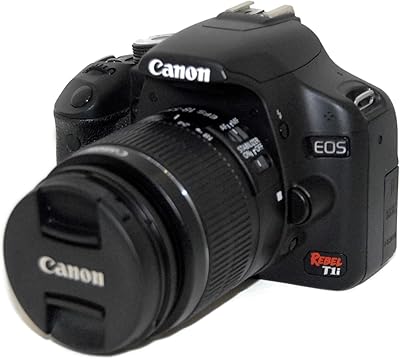
Canon EOS Rebel T1i DSLR Camera
70%
83%
Image Quality
88%
Ease of Use
74%
Build Quality
71%
Autofocus Performance
52%
Video Capability
More
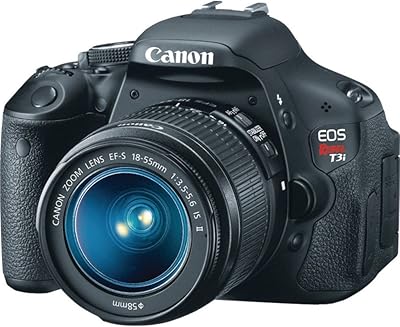
Canon EOS Rebel T3i
Canon EOS Rebel T3i
76%
83%
Image Quality
91%
Ease of Use
67%
Video Performance
72%
Autofocus System
88%
Articulating Screen
More
Canon EOS Rebel T6i
Canon EOS Rebel T6i
79%
91%
Image Quality
83%
Autofocus Performance
88%
Ease of Use
79%
Build Quality & Handling
61%
Video Capabilities
More
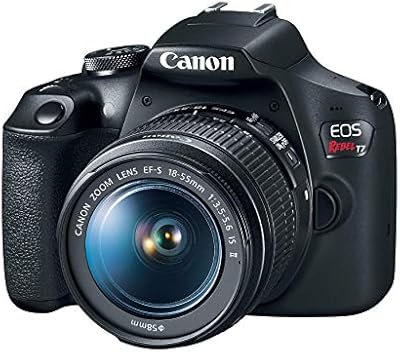
Canon EOS Rebel T7
Canon EOS Rebel T7
76%
88%
Image Quality
91%
Ease of Use
74%
Autofocus Performance
82%
Build Quality & Handling
53%
Video Capability
More
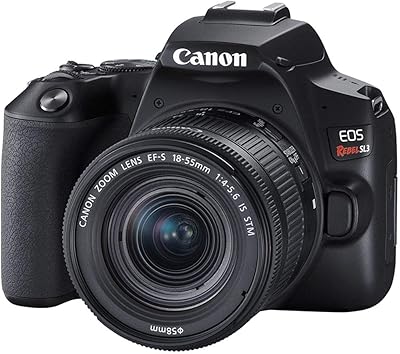
Canon EOS Rebel SL3
Canon EOS Rebel SL3
77%
88%
Image Quality
84%
Autofocus Performance
82%
Build Quality & Portability
61%
Video Capabilities
91%
Ease of Use
More
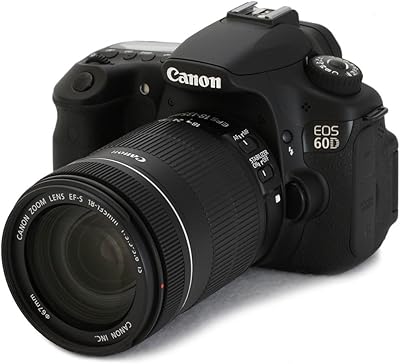
Canon EOS 60D DSLR Camera Body
72%
83%
Image Quality
58%
Autofocus Performance
88%
Build Quality & Ergonomics
86%
Articulating LCD
63%
Video Capability
More
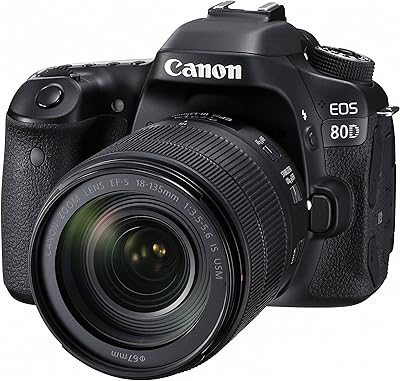
Canon EOS 80D DSLR Camera with 18-135mm Lens
81%
93%
Autofocus Performance
88%
Image Quality
61%
Video Capability
84%
Build Quality
86%
Battery Life
More
Canon EOS 5D Mark II DSLR Camera
76%
93%
Image Quality
91%
Build Quality
86%
Low-Light Performance
58%
Autofocus Performance
84%
Value for Money
More
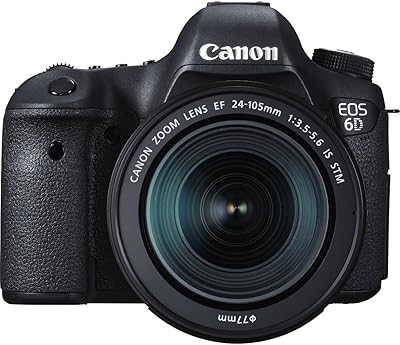
Canon EOS 6D DSLR Camera with EF 24-105mm f/3.5-5.6 IS STM Lens Kit
84%
94%
Image Quality
82%
Autofocus Performance
88%
Ease of Use
90%
Low-Light Performance
85%
Build Quality
More
Canon PowerShot G10 Point-and-Shoot Camera
68%
84%
Image Quality
88%
Build Quality
91%
Control Layout
89%
RAW File Performance
47%
Low-Light Performance
More

FAQ

Yes, it genuinely is, as long as your expectations are calibrated. The Canon Rebel XS DSLR Camera was designed specifically for adults stepping up from compact cameras, and it includes guided modes alongside full manual controls, so you can ease into the learning curve at your own pace. The bundled 18-55mm IS lens means you can start shooting straight out of the box without buying anything extra.

No — this is a stills-only camera with absolutely no video recording capability. If video is important to you even occasionally, you should look at a different body. This is one of the most significant limitations to understand before buying.

It accepts standard SD and SDHC cards, but not the newer SDXC format, so keep that in mind when shopping. For most beginners shooting JPEG, a 16GB or 32GB SDHC card is more than enough. If you plan to shoot RAW files, go for at least 32GB to avoid running out of space mid-session.

It performs well in daylight and good ambient light, but low-light shooting is where its age shows. Noise becomes noticeable at ISO 800 and is quite visible at the maximum ISO 1600. The optical image stabilization in the kit lens helps reduce blur from hand-shake, but it cannot compensate for the sensor's limited high-ISO performance. For indoor parties or evening events without flash, you will likely be disappointed.

The most important thing to verify is the shutter count — every DSLR shutter has a rated lifespan, and a heavily used body may be closer to the end of it. You should also inspect the sensor for dust spots and scratches, check the LCD for cracks or dead pixels, and test all the buttons and dials physically. If possible, take a few test shots and review them at full zoom before committing.

If you own Canon EF or EF-S lenses, they will mount and function correctly on this body. That is one of the real advantages of choosing this entry-level Canon DSLR — you get access to a wide ecosystem of lenses, including many affordable used options, without being locked into a proprietary system with limited choices.

Absolutely. Ten megapixels is more than sufficient for high-quality prints up to roughly 16 by 20 inches at standard viewing distances. Unless you are cropping heavily or printing billboard-sized images, the resolution will not be your limiting factor. Composition, focus, and lighting matter far more in practice.

Canon rates the included battery at around 500 shots per charge, which is solid for a full day of casual shooting. Replacement batteries using the LP-E5 format are still widely available from both Canon and third-party manufacturers, and they are generally affordable. Buying a spare battery before a trip is always a smart move with any camera.

For children who are walking, playing calmly, or posing, the 7-point autofocus system handles it reasonably well in single-servo mode. If you are trying to capture a toddler sprinting across a room or a dog mid-jump, the continuous autofocus and 3fps burst rate will likely leave you with missed shots. It is capable for relaxed family moments, but not for high-energy action.

Canon includes its EOS Utility and Digital Photo Professional software in the box, which allows basic image management, RAW processing, and remote Live View control from a connected computer. It is a functional starting point for beginners, though many photographers eventually move to more capable editing software as their skills develop.

Where to Buy

UsedPhotoPro
In stock $35.97
Victory Camera
In stock $64.95
B&H Used Store
In stock $89.95
PayMore Lees Summit
In stock $99.99