Overview

The Nikon 55-200mm f/4-5.6G VR Telephoto Zoom Lens has been a steady recommendation for Nikon DX shooters who want meaningful reach without strapping a heavy, expensive optic to their camera. On a crop-sensor body, that focal range translates to a roughly 82–300mm equivalent — genuinely useful for subjects you simply cannot get close to. One thing to know upfront: this lens ships in white-box bulk packaging, meaning no retail box, no pouch, and often no hood included. The lens itself arrives new and functional, but don't expect a polished unboxing. This isn't a professional-grade optic chasing edge-to-edge perfection; it's a proven consumer zoom that has quietly earned its place over two decades of consistent sales.
Features & Benefits

The Vibration Reduction system is what most buyers appreciate first in real shooting conditions. Handheld telephoto work at 200mm is genuinely tricky — even a steady hand produces blur at slower shutter speeds — and VR buys meaningful margin, especially in open shade or near dusk. The Silent Wave Motor keeps autofocus quick and nearly silent, which matters if you're shooting video or trying not to spook nearby birds. Two ED glass elements keep chromatic fringing well controlled across most of the zoom range. Because focusing is internal, the barrel stays the same length throughout, keeping balance consistent and filter use simple. At roughly 9 ounces, this telephoto zoom is light enough to forget about on a long day out. Honest caveat: at 200mm wide open, f/5.6 limits you in low-light situations more than many beginners anticipate.

Best For

This telephoto zoom suits photographers who shoot primarily in daylight or bright outdoor settings. Bird and wildlife photography are natural fits — you can stay at a comfortable distance while VR and the silent motor handle the rest. Parents on the sidelines of youth soccer games or school track meets will find the reach genuinely useful without the weight or cost of a faster optic. Travelers already carrying a kit lens will appreciate how little this adds to a bag. It also works well as a first step for anyone growing beyond the standard 18–55mm range and curious about longer focal lengths. If fast indoor action or frequent low-light shooting is your reality, you'll want something faster — the 55–200mm VR lens thrives outdoors.

User Feedback

Owners consistently highlight image sharpness in the 55–135mm range as a genuine standout — the optics perform above what the price bracket typically delivers. Long-term users frequently mention running the lens for years without any noticeable drop in optical quality. On the critical side, softness at 200mm wide open is a recurring theme, and autofocus does slow noticeably in dim conditions. The plastic build divides opinion: some find it flimsy, while others simply call it lightweight. Buyers receiving white-box packaging generally report the lens arriving in clean, fully working condition, though a handful noted absent lens caps or no hood in the box. Across the board, value for money is the phrase that surfaces most — few options at this level have held up this consistently over time.

Pros

  • Vibration Reduction genuinely helps at longer focal lengths, recovering sharpness in situations where handheld shots would otherwise blur.
  • The Silent Wave Motor delivers fast, quiet autofocus that works even on entry-level Nikon bodies without an internal focus motor.
  • Image sharpness in the 55–135mm range consistently impresses owners given the price bracket.
  • At roughly 9 ounces, this telephoto zoom is light enough to carry all day without fatigue.
  • Two ED glass elements keep chromatic fringing well controlled across most of the zoom range.
  • Internal focusing means the barrel length stays constant, making filter use and balance consistent throughout the zoom range.
  • Long-term durability is solid — many owners report years of regular use with no decline in optical performance.
  • White-box bulk packaging typically arrives with a fully functional lens in new condition, making it a practical buying option.
  • The 82–300mm equivalent reach on a DX body is genuinely useful for wildlife, birds, and sports without a massive price commitment.
  • A one-year warranty provides a reasonable safety net for a consumer-grade purchase.

Cons

  • Sharpness drops noticeably at 200mm wide open — stopping down helps, but it is a real limitation to work around.
  • Autofocus slows considerably in low-light conditions, making it unreliable for dimly lit or fast-moving indoor subjects.
  • The variable aperture reaching f/5.6 at 200mm forces compromises in exposure that a fixed-aperture lens would avoid.
  • Plastic construction feels noticeably lightweight in hand and offers no weather sealing or protection against dust and moisture.
  • White-box packaging often means no lens hood, pouch, or case is included — accessories that retail versions normally supply.
  • AF tracking of erratic or fast-moving subjects can struggle, particularly when subjects change direction quickly.
  • At the extreme end of the zoom range, chromatic aberration and corner softness become visible in critical pixel-peeping scenarios.
  • The lens is restricted to DX-format bodies only, offering no upgrade path if a shooter later moves to a full-frame Nikon camera.

Ratings

The scores below reflect our AI-driven analysis of verified global user reviews for the Nikon 55-200mm f/4-5.6G VR Telephoto Zoom Lens, with automated filtering applied to remove incentivized, bot-generated, and duplicate submissions. The result is a transparent, balanced snapshot of where this telephoto zoom genuinely excels and where real buyers have hit frustrating walls. Both the strengths and the trade-offs are represented honestly, so you can make a well-informed decision before buying.

Value for Money
91%
Across thousands of reviews, value is the single most consistent praise this lens receives. Buyers coming from a basic kit lens are frequently surprised by the optical output relative to what they paid, and many describe it as the most cost-effective way to add meaningful telephoto reach to a Nikon DX kit.
A small segment of buyers who later upgraded to faster or more optically refined telephoto lenses felt the initial savings were offset by eventually needing to replace it. For some, the value proposition only holds if shooting expectations stay modest.
Image Sharpness
78%
22%
In the 55–135mm range, sharpness is a genuine strong point that regularly draws positive comments, particularly for outdoor subjects like birds on branches or athletes mid-stride in bright conditions. Stopped down to f/8 or f/11, the images hold detail well and compare favorably to similarly priced rivals.
At 200mm wide open, softness is a recurring and well-documented complaint. Pixel-peepers shooting at maximum zoom in flat light will notice a clear drop in resolving power, and some buyers describe the corners as consistently weak even under ideal conditions.
Vibration Reduction
88%
The VR system earns high marks from users who shoot handheld in variable light — birders waiting patiently in shaded woodland, or parents tracking a child's school play from the back of an auditorium. Most describe it as noticeably effective, recovering sharpness in situations where an unstabilized lens would produce consistent blur.
A handful of reviewers noted that VR introduces a faint hunting sensation before locking in, which can occasionally delay an otherwise ready shot. In very bright conditions with fast shutter speeds, a few users mentioned leaving VR off entirely since it offered no benefit and added minor shutter lag.
Autofocus Speed
73%
27%
Under good outdoor light, the Silent Wave Motor locks on quickly and quietly — a combination that wildlife and nature shooters specifically appreciate. The built-in AF motor means full autofocus functionality on entry-level Nikon bodies that lack a screw-drive, which is a practical and frequently praised advantage.
In low light or when tracking erratic motion, the AF slows and can hunt visibly, which frustrates users expecting consistent performance across conditions. Burst shooting of fast action — motocross, birds in full flight — exposes the system's limits, and missed focus in continuous AF mode is a common complaint.
Build Quality
62%
38%
The lightweight plastic construction is genuinely appreciated by buyers who carry the lens for long stretches — hiking trails, theme parks, or multi-day travel — where a heavier metal-barreled alternative would become tiring. For casual use, the build holds up reasonably well and many long-term owners report no mechanical failures after years of regular shooting.
The plastic feel polarizes buyers sharply, with a notable portion describing it as flimsy or toy-like compared to what they expected from Nikon. There is no weather sealing of any kind, so shooting in rain, mist, or dusty environments carries real risk, and a few reviewers reported zoom ring wobble developing after extended use.
Chromatic Aberration Control
81%
19%
The two ED glass elements do meaningful optical work, and most users find fringing well managed through the mid-range of the zoom. Landscape and wildlife photographers shooting in high-contrast scenes — bright sky meeting dark foliage — report cleaner edges than expected at this price level.
At 200mm in high-contrast situations, some lateral chromatic aberration remains visible on close inspection, particularly around fine branches or fence wire against bright backgrounds. It is correctable in post-processing, but buyers who shoot JPEG exclusively without editing will notice it more readily.
Portability & Weight
93%
At roughly 9 oz, this Nikon DX zoom is one of the lightest telephoto options available for the F mount, and buyers consistently highlight this as a key reason they chose it. Travelers and day-hikers especially appreciate being able to drop it into a shoulder bag alongside a body without noticeably increasing load.
The light weight is partly a consequence of the plastic-heavy construction, so the trade-off is real. A few users noted the lens feels unbalanced on heavier bodies like the D7500 or D500, where the body-to-lens weight ratio makes one-handed shooting uncomfortable for extended periods.
Low-Light Performance
54%
46%
With VR active, the 55–200mm VR lens can produce acceptably sharp shots of stationary subjects in fading afternoon light or open shade, particularly at shorter focal lengths where the maximum aperture of f/4 provides a small advantage. Some event photographers use it for outdoor evening receptions with flash assistance and report workable results.
At 200mm in genuinely low light, f/5.6 forces a difficult choice between high ISO noise and motion blur — neither option produces clean results without supplemental lighting. Indoor sports or dimly lit concerts are scenarios where this lens consistently frustrates users and generates the most negative feedback in this category.
Zoom Range Versatility
84%
The 55–200mm range covers a practical spread of telephoto territory that handles backyard birds, youth sports sidelines, and wildlife encounters without requiring multiple lens swaps. Paired with an 18–55mm kit lens, the two together cover nearly every common shooting scenario a beginner or intermediate photographer is likely to encounter.
The range does not extend far enough for serious wildlife or aviation photography, where 300mm or beyond is often the minimum useful reach. Buyers expecting to replace a dedicated super-telephoto will find the top end limiting, and the gap between 200mm and the next meaningful zoom tier is noticeable.
Autofocus Noise
89%
The Silent Wave Motor earns its name — focusing is genuinely quiet, and bird and wildlife photographers frequently cite this as a key reason they chose this lens over older screw-drive alternatives that audibly whir during AF. Video shooters also benefit, as in-lens focus noise is effectively absent from audio recordings.
While AF operation itself is quiet, the zoom ring produces a faint mechanical scrubbing sound when adjusted quickly, which a small number of video users found picked up on sensitive microphones during zooming moves. This is a minor issue but worth noting for anyone doing run-and-gun video work.
Packaging & Unboxing
57%
43%
Most buyers who understood the white-box bulk nature of the listing beforehand were satisfied — the lens arrives clean, properly seated in foam, and fully functional, which is ultimately what matters for an optic. Long-time camera buyers familiar with gray-market or bulk lens sourcing treat this as a non-issue.
First-time buyers expecting a Nikon retail experience are frequently caught off guard by the plain cardboard box and absent accessories — no hood, no pouch, and occasionally no front or rear cap included. Negative reviews specifically tied to packaging expectations are disproportionately high relative to actual optical complaints.
Long-Term Durability
77%
23%
A meaningful number of reviewers have owned this lens for five or more years and report no degradation in autofocus accuracy or optical clarity, which speaks well of the core mechanics and glass quality. The zoom and focus rings tend to stay smooth over time under normal use.
The plastic exterior does show cosmetic wear — scuffing and finish rubbing — faster than metal-barreled lenses, and the zoom barrel can develop slight play over heavy use cycles. Buyers who take rough field conditions seriously will likely encounter cosmetic or mechanical wear sooner than they would with a more robust build.
Compatibility
86%
Full compatibility with the entire Nikon DX DSLR lineup — from the entry-level D3500 all the way to the D7500 — makes this telephoto zoom an easy fit for the vast majority of Nikon crop-sensor users without any adapter or configuration required. The internal AF motor broadens its usable camera range significantly.
The DX-only designation is a genuine limitation for shooters who plan to eventually move to a full-frame Nikon body, as the lens cannot be used at full sensor coverage on FX cameras. Buyers with long-term upgrade ambitions toward a D800 or Z-series full-frame may find this investment has a shorter useful lifespan than expected.

Suitable for:

The Nikon 55-200mm f/4-5.6G VR Telephoto Zoom Lens is a strong match for beginner and intermediate Nikon DX shooters who want to explore longer focal lengths without spending heavily on a professional-grade optic. On a crop-sensor body, the effective reach stretches to around 300mm equivalent, which is plenty for backyard bird photography, wildlife encounters at a nature reserve, or tracking kids during a weekend soccer match. Travelers who already carry a standard kit lens will appreciate how little this telephoto zoom adds in terms of weight and bag space. Hobbyist bird watchers in particular tend to get strong value here — the quiet Silent Wave Motor avoids startling subjects, and Vibration Reduction helps recover sharp shots during slow, patient handheld waits. Anyone upgrading from an 18–55mm kit lens for the first time will find this a logical, capable next step that covers a wide range of outdoor shooting situations.
Not suitable for:

Photographers who regularly shoot in challenging light — indoor gymnasiums, evening events, or heavily shaded woodland — will find this telephoto zoom frustrating at the long end. At 200mm, the maximum aperture of f/5.6 forces higher ISO settings or slower shutter speeds, which can degrade image quality or introduce motion blur in ways that a faster lens would avoid. The Nikon 55-200mm f/4-5.6G VR Telephoto Zoom Lens is also not the right tool for working professionals or anyone needing consistent edge-to-edge sharpness at maximum zoom — optical performance does soften noticeably when pushed to 200mm wide open. The plastic construction, while keeping weight low, may feel inadequate to photographers used to metal-barreled lenses, and it is unlikely to survive rough handling or adverse weather without issue. If fast, reliable autofocus tracking of erratic subjects — like birds in full flight or motorsport — is a priority, the AF system here will occasionally fall short compared to higher-tier Nikon telephoto options.
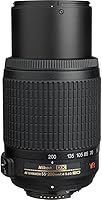
Specifications

  • Focal Length: This lens covers a 55–200mm zoom range, equivalent to approximately 82–300mm on a Nikon DX crop-sensor body.
  • Maximum Aperture: The variable maximum aperture runs from f/4 at 55mm and narrows to f/5.6 at the 200mm end of the zoom range.
  • Lens Mount: Designed exclusively for the Nikon F mount in DX format, making it compatible with Nikon APS-C DSLRs only.
  • Autofocus Motor: A built-in Silent Wave Motor (SWM) drives autofocus internally, enabling full AF operation on Nikon bodies that lack a screw-drive focus motor.
  • Vibration Reduction: Nikon VR (Vibration Reduction) image stabilization is included, providing meaningful handheld shooting benefit at longer focal lengths.
  • ED Elements: Two extra-low-dispersion (ED) glass elements are incorporated to minimize chromatic aberration, particularly at the telephoto end.
  • Focus Type: Internal focusing keeps the physical length of the lens barrel constant during both autofocus and manual focus operation.
  • Minimum Focus: The closest focusing distance is 3.6 ft (approximately 1.1m), measured from the camera's focal plane.
  • Filter Thread: The front filter thread is 52mm in diameter, a common size that is widely compatible with standard filter sets.
  • Weight: The lens weighs approximately 9 oz (255g), making it one of the lighter telephoto zoom options available for Nikon DX systems.
  • Dimensions: The lens measures 2.7″ in diameter and 3.1″ in length, with an outer box dimension of approximately 3.94″ x 2.87″ x 2.87″.
  • Model Number: The official Nikon model number for this lens is 2166.
  • Packaging: This listing ships in white-box bulk (non-retail) packaging; no branded box, lens hood, or carrying pouch is included.
  • Compatibility: Fully compatible with Nikon DX-format DSLR cameras; not designed for use on Nikon FX (full-frame) bodies.
  • Warranty: Nikon provides a 1-year limited warranty covering manufacturing defects under normal use conditions.
  • Zoom Type: This is a conventional rotary-zoom telephoto lens with an extending barrel design during zoom operation.
  • Aperture Blades: The lens uses a rounded diaphragm with 7 aperture blades, contributing to reasonably smooth out-of-focus background rendering.
  • Manufacturer: Designed and manufactured by Nikon Corporation, a Japanese optics company with decades of interchangeable lens production history.

Related Reviews

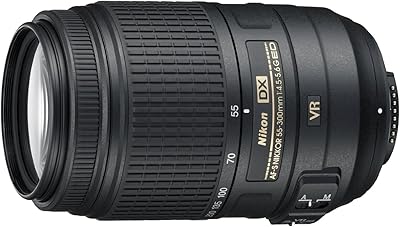
Nikon AF-S DX NIKKOR 55-300mm Zoom Lens
71%
78%
Image Sharpness
67%
Autofocus Performance
84%
Vibration Reduction
54%
Aperture Range
61%
Build Quality
More
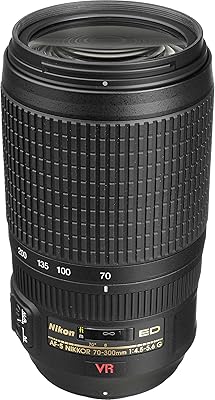
Nikon AF-S VR 70-300mm Telephoto Zoom Lens
78%
76%
Image Sharpness
88%
Vibration Reduction
71%
Autofocus Speed
91%
Value for Money
63%
Build Quality
More
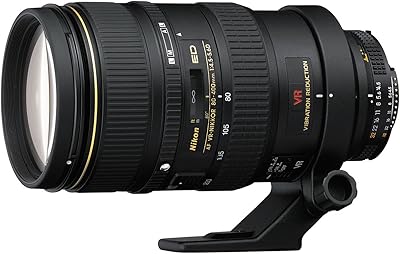
Nikon 80-400mm f/4.5-5.6D ED VR Zoom Lens
84%
88%
Image Quality
92%
Vibration Reduction (VR) Performance
75%
Autofocus Speed
86%
Build Quality
80%
Portability for Telephoto Lens
More
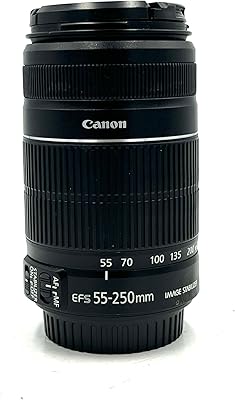
Canon EF-S 55-250mm f/4-5.6 IS II Telephoto Zoom Lens
82%
91%
Value for Money
88%
Image Stabilization Performance
65%
Autofocus Speed in Low Light
93%
Portability & Size
85%
Image Quality & Sharpness
More
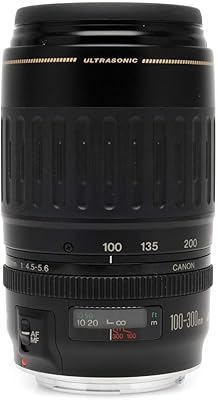
Canon EF 100-300mm f/4.5-5.6 Telephoto Zoom Lens
75%
88%
Autofocus Speed
91%
Autofocus Noise
67%
Image Sharpness
43%
Image Stabilization
78%
Build Quality
More
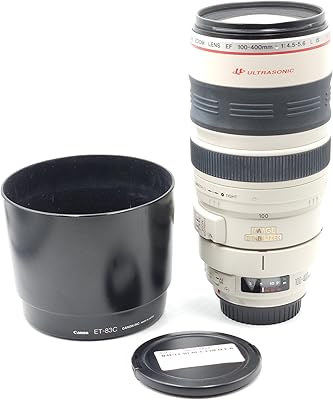
Canon EF 100-400mm f/4.5-5.6L Telephoto Zoom Lens
81%
91%
Autofocus Speed & Accuracy
88%
Image Stabilization
86%
Optical Sharpness
93%
Build Quality & Weather Sealing
67%
Push-Pull Zoom Mechanism
More
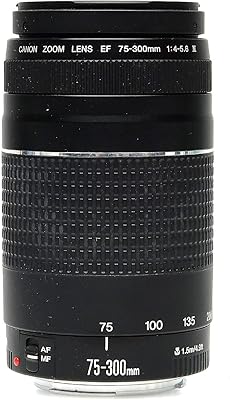
Canon EF 75-300mm III Telephoto Zoom Lens
70%
74%
Image Sharpness
58%
Autofocus Speed
69%
Build Quality
83%
Zoom Smoothness
88%
Value for Money
More
Nikon AF-P DX NIKKOR 70-300mm Telephoto Lens
78%
91%
Autofocus Performance
78%
Image Sharpness
86%
Vibration Reduction (VR)
47%
Camera Compatibility
72%
Build Quality & Handling
More
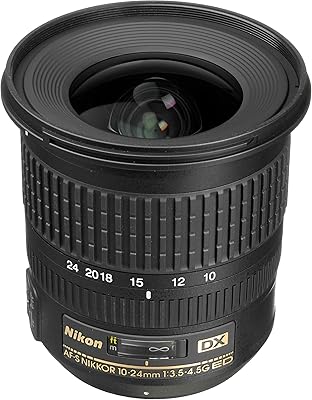
Nikon AF-S DX NIKKOR 10-24mm f/3.5-4.5G ED Zoom Lens
85%
93%
Sharpness at Wide Angles
87%
Autofocus Performance
89%
Build Quality
72%
Low Light Performance
91%
Value for Money
More
Tamron 10-24mm f/3.5-4.5 SP Di II LD Aspherical (IF) Lens for Nikon
85%
87%
Image Quality
82%
Autofocus Speed
80%
Build Quality
91%
Portability
70%
Low-Light Performance
More

FAQ

Yes, both of those cameras use the Nikon F DX mount, so the lens will attach and operate fully — including autofocus via the built-in Silent Wave Motor, which is important since neither the D3500 nor D5600 has an internal focus-drive motor.

White-box simply means the lens ships in a plain, unbranded box rather than Nikon retail packaging. The lens itself is new and unused. What you typically won't get is a lens hood, a soft pouch, or the original printed materials. The optical and mechanical condition is the same as a retail unit.

It genuinely does, particularly at focal lengths above 100mm where camera shake becomes harder to control. VR won't freeze a moving subject — that still depends on shutter speed — but for stationary or slow-moving subjects in dim outdoor light, it can recover one to two stops of handheld stability, which often means the difference between a sharp shot and a blurry one.

Technically it will mount, but it is not recommended. The image circle this lens projects is designed for DX sensors, so on a full-frame body you will get significant vignetting in the corners. Some full-frame Nikon bodies can auto-crop to DX mode to compensate, but you lose a large portion of your sensor resolution in the process.

It is a capable and popular choice for casual bird photography, especially in decent light. The quiet autofocus motor avoids startling birds, and the VR system helps with the inevitable hand movement during patient, handheld waiting. Sharpness in the 55–135mm range is strong; at 200mm you may notice some softness wide open, so stopping down to f/8 when conditions allow tends to produce noticeably better results.

The Nikon 55-200mm f/4-5.6G VR Telephoto Zoom Lens is one of the most recommended starter telephoto options for Nikon DX users, and for good reason. It covers a useful focal range, the VR and SWM make it forgiving to use, and the overall learning curve is low. Just go in knowing it is a consumer-grade optic — expect strong results in good light and modest performance in challenging conditions.
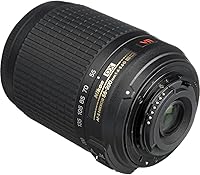
In the overlapping focal range, both lenses are reasonably competitive, but the 70-300mm VR generally has an edge in overall build quality and optical consistency toward the long end. The 55–200mm VR lens holds its own at moderate focal lengths and costs considerably less, making it the smarter entry point before committing to a pricier option.

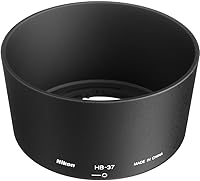
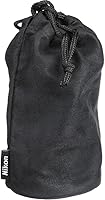
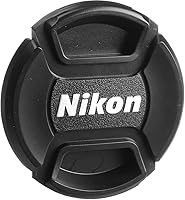
At minimum, grab a 52mm lens cap if one is not included, and consider the HB-37 bayonet lens hood — Nikon sells it separately and it genuinely helps reduce flare and protects the front element. A basic lens pouch or neoprene sleeve is also worth having if you plan to carry it loose in a bag.

For casual youth sports in bright daylight, the AF handles reasonably well and will track continuous movement adequately. In lower light — under stadium lighting or on overcast afternoon fields — the AF slows noticeably and can occasionally hunt. If you are shooting fast, unpredictable action regularly, managing your expectations around AF speed at this price point is important.

The lens is primarily plastic construction, which keeps weight low but does mean it feels less substantial than higher-tier options. There is no weather sealing, so shooting in rain or dusty environments carries real risk. For normal outdoor use — parks, nature trails, sporting events — it handles regular wear well, and many owners report using the same copy for five or more years without mechanical issues.

Where to Buy