Overview

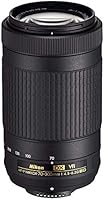
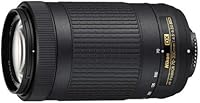
The Nikon AF-P DX NIKKOR 70-300mm Telephoto Lens is Nikon's answer to DX shooters who want serious reach without lugging around a heavy, expensive prime. On a crop-sensor body, that 70-300mm range stretches to a 105-450mm equivalent, putting distant birds, wildlife, and sideline sports well within frame. The AF-P designation matters here — the stepping motor autofocus is noticeably smoother and quieter than older AF-S designs, which makes a real difference for video and live view shooting. Before buying, though, check your camera compatibility carefully; dozens of older Nikon DSLRs are either incompatible or require a firmware update. This is a capable mid-range telephoto, not a professional-grade optic, and understanding that going in sets the right expectations.
Features & Benefits

The AF-P stepping motor is arguably the biggest upgrade over older 70-300mm Nikon options. During video recording, it tracks focus almost silently — you won't hear that clunky gear-grinding sound that plagued earlier AF lenses. Nikon's VR system adds roughly four stops of stabilization compensation, which genuinely helps when shooting handheld at 300mm. One ED glass element keeps chromatic aberration in check, and images from the 70-200mm range in particular are impressively clean. At just 14.6 oz, the 70-300mm AF-P lens is light enough to stay on your camera all day. It also uses a common 58mm thread, so polarizers and ND filters won't cost a fortune.

Best For

This Nikon DX telephoto hits a sweet spot for a specific type of shooter. If you photograph birds, distant wildlife, or youth sports on the sidelines, the 450mm equivalent reach on a DX body gives you framing flexibility that a kit lens simply can't match. Travelers will appreciate how easily it slips into a bag alongside a standard zoom — no extra lens case or heavy carrying rig required. It's also a natural first step for beginners upgrading from an 18-55mm kit lens who want to explore telephoto photography without a large investment. And for anyone shooting video on a compatible body like the D7500 or D5600, the quiet motor makes it genuinely practical for live recording.

User Feedback

Buyers consistently praise the autofocus speed and silence of this telephoto zoom — particularly those who upgraded from the older AF-S 70-300mm, where the difference is immediately noticeable. Sharpness gets strong marks through most of the focal range, though honest reviewers will tell you that shooting at 300mm wide open produces softer results; stopping down to f/8 or beyond recovers most of it. The variable aperture — f/4.5 at 70mm narrowing to f/6.3 at 300mm — draws some criticism in low light, but given the lens weight and price tier, that's an expected trade-off, not a flaw. The compatibility issue is the most common source of frustration: many buyers discover too late that their older Nikon body simply doesn't support it. For DX shooters on compatible cameras, it's considered strong value.

Pros

  • The AF-P stepping motor autofocuses quietly and smoothly — a genuine upgrade over older Nikon telephoto designs.
  • VR stabilization makes handheld shooting at long focal lengths far more reliable in real-world conditions.
  • At just 14.6 oz, this telephoto zoom is light enough for all-day use without shoulder fatigue.
  • The 105-450mm equivalent reach on a DX body gives strong framing flexibility for wildlife and sports.
  • Image sharpness from 70mm to around 200mm is impressive for the price tier.
  • The common 58mm filter thread means polarizers and ND filters are cheap and easy to find.
  • Near-silent autofocus makes the 70-300mm AF-P lens genuinely practical for video recording.
  • Pairs perfectly with a standard kit lens to cover nearly the full focal length spectrum.
  • The ED glass element keeps chromatic aberration well-controlled through most of the zoom range.
  • Strong overall value for beginner to intermediate DX shooters who need versatile telephoto reach.

Cons

  • A large number of older Nikon DSLR bodies are fully incompatible — checking the list before buying is essential.
  • Softness at 300mm wide open is noticeable and consistently flagged by users who shoot at full reach.
  • The variable aperture narrows to f/6.3 at 300mm, which struggles in anything other than bright outdoor light.
  • No lens hood is included in the box, which is a frustrating omission given how prone telephoto lenses are to flare.
  • Plastic construction, while keeping weight down, does not inspire confidence for rough or wet-weather use.
  • Partially compatible bodies require a firmware update that many casual users find confusing to navigate.
  • No tripod collar is included, making very long handheld sessions at 300mm tiring without added support.
  • AF can hunt in low-contrast or dim scenes, particularly on bodies at the edge of the compatibility list.
  • Zooming during video recording can cause exposure shifts due to the variable aperture design.
  • No weather sealing limits usefulness for outdoor photographers shooting in unpredictable conditions.

Ratings

The Nikon AF-P DX NIKKOR 70-300mm Telephoto Lens scores here reflect AI-driven analysis of thousands of verified global buyer reviews, with spam, incentivized, and bot-generated feedback actively filtered out. Ratings are calibrated across real shooting scenarios — wildlife, travel, sports, and video — to give you an honest picture of where this telephoto zoom genuinely delivers and where it falls short. Both its standout strengths and its frustrating limitations are reflected transparently in every score below.
Autofocus Performance
91%
The AF-P stepping motor is consistently described as a revelation compared to older Nikon telephoto options. Tracking a bird in flight or a kid sprinting across a soccer field feels noticeably more responsive and reliable, especially on compatible bodies like the D7500 or D5600.
In very low contrast or dim lighting, the AF does occasionally hunt before locking. A small number of users on bodies with limited compatibility also reported inconsistent focus behavior that a firmware update did not fully resolve.
Image Sharpness
78%
22%
Through the 70-200mm portion of the range, sharpness is genuinely impressive for a lens at this price tier. Center-frame detail holds up well, and stopping down even slightly produces clean, crisp results that most DX shooters will be very happy with.
At 300mm wide open, softness is noticeable and consistently flagged by users who shoot at the long end regularly. It is not a dealbreaker for casual use, but photographers demanding edge-to-edge sharpness at full reach will feel the limitation.
Vibration Reduction (VR)
86%
Handheld shots at 300mm that would normally require a tripod become much more workable with VR engaged. Travel photographers especially appreciate being able to grab sharp images of distant subjects without stopping to set up support gear.
A handful of users noted occasional VR-induced blur at very slow shutter speeds, suggesting the system works best within a realistic compensation range rather than as a substitute for proper shutter technique in near-dark conditions.
Camera Compatibility
47%
53%
On fully supported bodies — D7500, D5600, D5500, D3400, D500 and newer — the lens performs exactly as advertised with full menu access and all features functioning correctly out of the box.
This is the single biggest pain point in user reviews. A large portion of Nikon's existing DSLR lineup is either fully incompatible or requires a firmware update to unlock limited functions, and the official list of blocked bodies is surprisingly long. Many buyers only discover this after purchase.
Build Quality & Handling
72%
28%
At 14.6 oz, the lens feels balanced on mid-range DX bodies without tipping the camera forward uncomfortably. The zoom ring action is smooth, and the overall construction feels solid enough for regular field use.
There is no weather sealing, which limits confidence in rain or dusty environments. A few users also noted that the plastic barrel, while lightweight, does not inspire the same confidence as Nikon's higher-tier telephoto options.
Value for Money
88%
For a DX shooter who needs a capable telephoto zoom without spending on a pro-grade lens, the price-to-performance ratio is hard to argue with. The combination of AF-P motor, VR, and ED glass at this price tier is genuinely competitive.
The value calculation weakens significantly if your camera body falls outside the compatibility list — you are effectively paying for features you cannot fully use. A few users felt the variable aperture should have been addressed for the price.
Autofocus Noise
93%
Video shooters consistently single out the near-silent AF-P motor as one of the lens's best traits. Recording wildlife footage or event video without audible focus noise picked up by the camera microphone is a meaningful practical benefit.
In a completely silent environment, a very faint mechanical sound is occasionally perceptible at close range, but this is rarely captured by on-camera audio and is not considered a real-world issue by the vast majority of users.
Low-Light Performance
61%
39%
The VR system does help extend handheld shooting into dimmer conditions, and at the shorter end of the zoom range where f/4.5 is available, the lens performs respectably in fading afternoon light.
Zooming out to 300mm reduces maximum aperture to f/6.3, which forces higher ISO settings in anything other than bright conditions. Indoor sports and evening wildlife photography are noticeably challenging without supplemental light or fast memory cards to handle the noise.
Chromatic Aberration Control
76%
24%
The single ED glass element does meaningful work controlling color fringing, and most users report clean results when shooting high-contrast subjects like birds against bright skies through most of the zoom range.
At the extreme telephoto end, especially at wider apertures, some lateral chromatic aberration is visible on high-contrast edges. It is largely correctable in post-processing, but shooters who prefer straight-out-of-camera output will notice it.
Portability & Weight
89%
This is one of the lightest telephoto zooms in the DX category, and travelers in particular rave about how easily it fits into a daypack alongside a kit lens. A full day of hiking with it mounted on a D3400 does not become a burden.
Weight savings come partly from the plastic-heavy construction and the lack of a tripod collar, which means very long handheld shooting sessions at 300mm can still cause fatigue without some form of support.
Zoom Range Versatility
83%
The 4.3x zoom ratio covers a genuinely useful spread — from portrait-friendly compression at 70mm all the way to the 450mm equivalent at the long end. It pairs naturally with an 18-55mm kit lens to cover nearly every focal length a beginner needs.
The gap between 300mm and the closest dedicated super-telephoto options is noticeable for serious bird photographers who need 500mm or more. For that use case, this lens is a starting point, not a final destination.
Filter Compatibility & Accessories
84%
The 58mm filter thread is one of the most common sizes on the market, which means circular polarizers, ND filters, and UV protectors are easy to find and reasonably priced. Buyers already owning a 50mm f/1.8 or similar lens may already have matching filters.
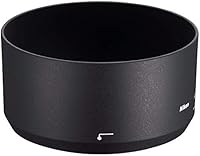
No lens hood is included in the box, which is a frustration given how much flare can affect telephoto shots in backlit conditions. Buying the Nikon HB-93 hood separately is an added cost that many users feel should have been bundled.
Video Usability
82%
18%
For DSLR video on compatible bodies, the quiet motor and smooth focus transitions make this one of the better options in the affordable telephoto category. Wildlife videographers appreciate that focus racks happen without jarring jumps or audible noise.
The variable aperture can cause exposure shifts when zooming during a recorded shot, which requires either manual exposure lock or post-production correction. This is a known trade-off with variable-aperture zooms rather than a specific flaw.
Setup & Firmware Requirements
58%
42%
On bodies that are natively fully compatible, setup is plug-and-play with no extra steps required. Newer Nikon DX cameras recognize the lens immediately and expose all settings through the camera menu as intended.
For partially compatible bodies, navigating Nikon's firmware update process is an added barrier that many casual shooters find confusing and off-putting. The fact that this requirement is not prominently communicated at point of sale adds to buyer frustration.

Suitable for:

The Nikon AF-P DX NIKKOR 70-300mm Telephoto Lens is a strong match for hobbyist photographers who shoot on compatible newer Nikon DX bodies and want meaningful telephoto reach without the weight or cost of a professional-grade lens. Bird watchers and wildlife enthusiasts will appreciate the 105-450mm equivalent range on a crop sensor, which brings distant subjects into frame without requiring a tripod or a heavy bag. Travelers who already carry an 18-55mm kit lens will find this telephoto zoom pairs naturally with it, covering nearly every focal length they could realistically need on a single trip. Beginners moving beyond a kit lens for the first time will find the autofocus approachable and the VR system forgiving of shaky handheld technique. Sports parents, youth event photographers, and anyone recording casual video on a D7500, D5600, or D3400 will also get real, practical value from the quiet stepping motor and stabilized reach this lens provides.
Not suitable for:

Anyone shooting on an older Nikon DSLR should stop and verify compatibility before purchasing — the Nikon AF-P DX NIKKOR 70-300mm Telephoto Lens is outright incompatible with a surprisingly large portion of the Nikon lineup, including the D800 series, D7000, D5100, D3200, and many others, with no workaround available. Photographers who regularly shoot in low light at long focal lengths will find the f/6.3 maximum aperture at 300mm limiting, forcing high ISO settings that can degrade image quality. Those who need consistently sharp results at the extreme end of the zoom range — for professional wildlife or sports work — will likely feel constrained by the softness at 300mm wide open and should consider a more specialized telephoto option. The absence of weather sealing also makes this a risky choice for photographers who regularly shoot in rain, dust, or harsh outdoor conditions. If you shoot on a full-frame Nikon body or plan to upgrade to one, this DX-format lens is not the right long-term investment.
Specifications

  • Focal Length: Covers a 70-300mm zoom range, equivalent to 105-450mm on a DX-format crop sensor body.
  • Maximum Aperture: Variable maximum aperture of f/4.5 at 70mm, narrowing to f/6.3 at 300mm.
  • Minimum Aperture: Minimum aperture of f/32 across the zoom range.
  • Lens Mount: Nikon F mount, designed specifically for DX-format DSLR cameras.
  • Autofocus Type: AF-P stepping motor delivers near-silent, smooth autofocus suited for both stills and video.
  • Image Stabilization: Nikon VR (Vibration Reduction) system helps compensate for camera shake at longer focal lengths.
  • Optical Elements: Includes one ED (Extra-low Dispersion) glass element to minimize chromatic aberration and improve edge sharpness.
  • Zoom Ratio: 4.3x optical zoom ratio spanning the full 70-300mm focal length range.
  • Max Reproduction: Maximum reproduction ratio of 0.22x, offering modest close-focus capability for a telephoto zoom.
  • Filter Thread: 58mm filter thread diameter, compatible with a wide range of commonly available accessory filters.
  • Dimensions: Measures 4.92 x 2.83 x 2.83 inches when set to the 70mm position.
  • Weight: Weighs 14.6 oz, making it one of the lightest options in the DX telephoto zoom category.
  • Full Compatibility: Fully supported bodies include the D7500, D5600, D5500, D5300, D3400, D3300, D500, and later models.
  • Limited Compatibility: Partially compatible with the D5, D810 series, DF, D750, D7200, D7100, and D5200 with restricted function access.
  • Incompatible Bodies: Not compatible with the D4 series, D3 series, D800 series, D7000, D5100, D3200, D3100, D60, D40 series, and all film cameras.
  • Release Year: Originally released in August 2016 and remains in active production as of current availability.
  • Manufacturer: Designed and manufactured by Nikon Corporation, a Japanese optics and imaging company.
  • Model Number: Official Nikon model number is 20062, with Amazon ASIN B01KJ8UMKK.

Related Reviews
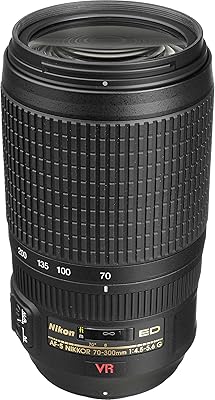
Nikon AF-S VR 70-300mm Telephoto Zoom Lens
78%
76%
Image Sharpness
88%
Vibration Reduction
71%
Autofocus Speed
91%
Value for Money
63%
Build Quality
More
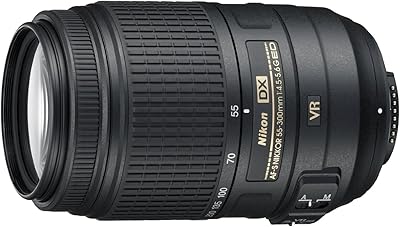
Nikon AF-S DX NIKKOR 55-300mm Zoom Lens
71%
78%
Image Sharpness
67%
Autofocus Performance
84%
Vibration Reduction
54%
Aperture Range
61%
Build Quality
More
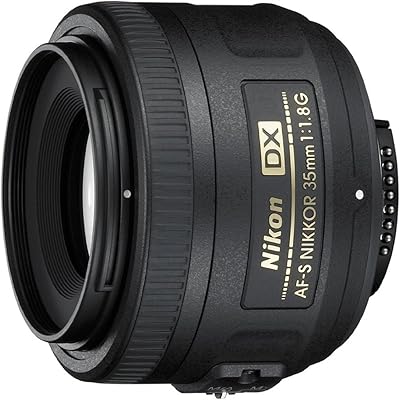
Nikon AF-S DX NIKKOR 35mm f/1.8G Lens
82%
92%
Optical Sharpness
89%
Low-Light Performance
86%
Autofocus Speed
84%
Bokeh Quality
74%
Build Quality
More
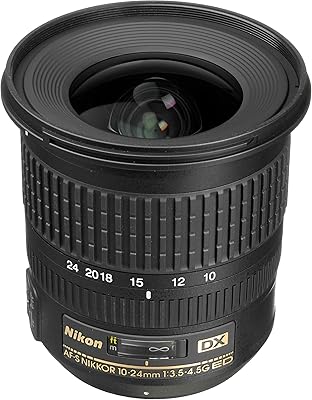
Nikon AF-S DX NIKKOR 10-24mm f/3.5-4.5G ED Zoom Lens
85%
93%
Sharpness at Wide Angles
87%
Autofocus Performance
89%
Build Quality
72%
Low Light Performance
91%
Value for Money
More
Nikon NIKKOR Z DX 18-140mm VR Lens
79%
93%
Focal Range Versatility
76%
Image Sharpness
88%
Autofocus Performance
91%
Portability & Size
84%
Video Capability
More
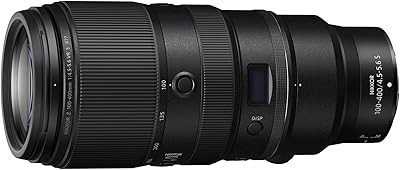
Nikon NIKKOR Z 100-400mm VR S Telephoto Lens
84%
93%
Autofocus Performance
91%
Image Sharpness
89%
Vibration Reduction Effectiveness
88%
Build Quality & Weather Sealing
74%
Value for Money
More
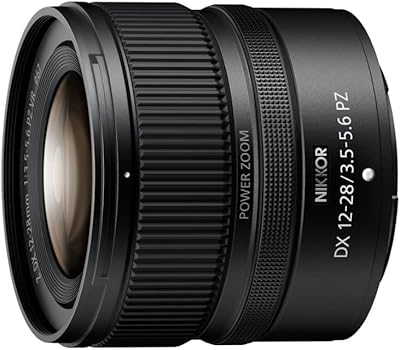
Nikon NIKKOR Z DX 12-28mm PZ Lens
79%
88%
Image Stabilization
82%
Power Zoom Mechanism
74%
Optical Sharpness
61%
Distortion Control
69%
Build Quality
More
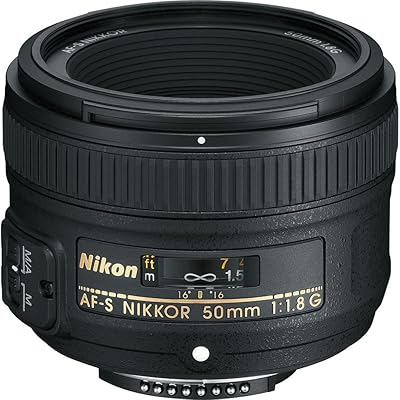
Nikon NIKKOR 50mm f/1.8G Prime Lens
83%
93%
Image Sharpness
88%
Bokeh & Background Separation
71%
Autofocus Speed
91%
Low-Light Performance
82%
Build Quality & Durability
More
Nikon AF-S FX NIKKOR 50mm f/1.4G Lens
87%
88%
Autofocus Performance
91%
Image Quality & Sharpness
90%
Bokeh Quality
84%
Build Quality
87%
Low-Light Performance
More
Nikon AF-S FX NIKKOR 85mm f/1.4G Lens
86%
95%
Image Quality
93%
Low-Light Performance
87%
Autofocus Speed
89%
Build Quality
90%
Bokeh Quality
More

FAQ

Unfortunately, no. Both the D7000 and D5100 are on Nikon's official incompatibility list for this lens, meaning they simply will not communicate with it regardless of firmware version. Before buying, cross-check your exact body model against Nikon's published compatibility list — this is the most common reason for returns on this lens.

AF-P uses a stepping motor instead of the ring-type ultrasonic motor found in AF-S lenses. In practical terms, AF-P focuses more smoothly and quietly, which is especially noticeable during video recording or live view shooting. For pure stills, most users find the speed difference modest but the silence genuinely useful.

It is a solid choice for casual to enthusiast wildlife shooting, particularly in good light. Sharpness through the 70-200mm range is strong, and stopping down even slightly at 300mm recovers most of the detail. If you are after pixel-perfect sharpness at 300mm wide open for professional or heavily cropped work, a more expensive dedicated telephoto will serve you better.

Yes, and it actually performs quite well for video on those bodies. The AF-P stepping motor tracks focus quietly and smoothly during recording, which means you avoid the loud gear-grinding noise that older Nikon telephoto lenses produce. It is one of the genuinely practical reasons to choose this lens over the older AF-S 70-300mm version.

On limited-compatible bodies, you typically lose the ability to access or adjust lens settings through the camera menu, and some autofocus modes may be restricted or unavailable. The lens will still mount and fire, but you will not get the full feature set. A firmware update may unlock partial functionality, but check Nikon's current firmware notes for your specific body version.

VR makes a noticeable difference, especially when shooting stationary or slow-moving subjects at distance. Handheld shots at 300mm that would otherwise require a tripod become much more reliable with VR engaged. That said, VR compensates for camera shake, not subject motion — fast-moving birds or athletes at 300mm still need a fast shutter speed to freeze cleanly.

No, it does not have any form of weather or dust sealing. Shooting in light drizzle briefly is something many users do without incident, but this lens is not designed or rated for use in wet or dusty environments. If you regularly shoot outdoors in variable weather, a weather-sealed body alone will not protect the lens.

No, a lens hood is not included. For a telephoto lens that is often pointed toward bright open skies, this is a notable omission. The compatible hood is the Nikon HB-93, which you can purchase separately — it is worth doing, as flare can visibly affect contrast and color in backlit shooting situations.

The AF-P version is quieter, focuses more smoothly in live view and video, and is physically more compact. Optically, the two are broadly comparable, though the AF-P version edges ahead in autofocus responsiveness for moving subjects. The key trade-off is compatibility — the older AF-S version works on a much wider range of Nikon bodies, including many that cannot use this lens at all.

Nikon's current teleconverters are not compatible with this lens — the lens does not have a rear element design that supports TC attachment, and the variable aperture would compound the exposure loss significantly. If you need reach beyond the 300mm equivalent, the honest advice is to look at a longer dedicated lens rather than trying to extend this one artificially.

Where to Buy