Overview

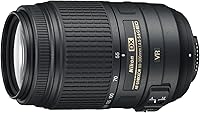
The Nikon AF-S DX NIKKOR 55-300mm Zoom Lens sits at an interesting crossroads in Nikon's DX lineup — accessible enough for beginners, yet capable enough to keep hobbyists satisfied for years. It covers a genuinely useful focal range, taking you from moderate portrait compression all the way to frame-filling shots of distant birds or athletes across a field. At this price tier, it competes with third-party alternatives from Sigma and Tamron, but native body integration and reliable VR give it a real advantage. Just be clear-eyed going in: this is a consumer-grade telephoto zoom, not a pro-spec piece of glass, and its results reflect that honestly.
Features & Benefits

The Vibration Reduction system is arguably the headline feature here — Nikon rates it for several stops of shake compensation, and the built-in Tripod Detection Mode means you do not have to switch it off when mounting on a tripod. The Silent Wave Motor keeps autofocus quiet, which matters when shooting skittish wildlife or recording video. Optically, two ED glass elements and one HRI element work together to keep chromatic fringing in check, particularly at the long end. The 58mm filter thread is a widely used size, so polarizers you already own will likely fit. At just over a pound, the weight stays manageable for a full day out.

Best For

The 55-300mm DX lens makes the most sense for hobbyist wildlife and bird photographers who need serious reach without spending pro-level money. It is also a solid pick for sports fans shooting from the stands — the focal range gets you close enough to capture meaningful action without requiring a monopod. Travel photographers will appreciate how little space it takes in a bag compared to larger telephoto options. For Nikon DX shooters moving up from a kit lens for the first time, the improvement in reach and sharpness is substantial enough to feel like a genuine step forward. It is not a lens that will satisfy a working photojournalist, but for its intended audience it is well-matched.

User Feedback

Across thousands of ratings, the most consistent praise centers on image sharpness in decent light and how well the VR system handles handheld telephoto work — bird-in-flight keepers and stadium action shots appear regularly in user photo samples. On the critical side, autofocus hunting in low light is a frequently mentioned frustration, and the f/5.6 maximum aperture at 300mm makes that worse in dim conditions. Build quality draws mixed opinions: the plastic construction feels less solid than metal-mount alternatives, though most buyers say the lens holds up fine with reasonable care. One detail that surprises new buyers is that no lens hood is included in the box, so factor that into your overall budget.

Pros

  • The built-in Vibration Reduction system delivers noticeably steadier handheld shots at long focal lengths, even in imperfect light.
  • Silent Wave Motor autofocus is quiet enough for video work and calm enough not to spook wildlife nearby.
  • Two ED glass elements keep chromatic aberration well controlled for a consumer-grade zoom at this price point.
  • At just over a pound, this telephoto zoom is light enough to carry all day without shoulder fatigue.
  • The 58mm filter thread is a common size, so polarizers and UV filters you already own will likely fit right on.
  • Image sharpness in good daylight is genuinely impressive for a lens in this category, with crisp center detail at mid-range focal lengths.
  • The 5.5x zoom range covers everything from compressed portraits to frame-filling distant subjects without swapping lenses.
  • Native Nikon F mount ensures full communication with DX camera bodies, including accurate EXIF data and in-camera corrections.
  • Tripod Detection Mode automatically adjusts the VR system when mounted, preventing the over-correction that plagues some stabilized lenses on a tripod.

Cons

  • Autofocus hunts noticeably in low light or low-contrast scenes, causing missed shots at critical moments.
  • The f/5.6 maximum aperture at 300mm forces higher ISO settings in anything less than bright outdoor conditions.
  • No lens hood is included in the box, which is a frustrating omission for a lens that will often point toward bright skies.
  • Plastic construction gives the body a hollow, lightweight feel that lacks confidence compared to metal-barreled alternatives.
  • Sharpness drops off at the extreme 300mm end, particularly toward the frame edges, which limits large-print usability.
  • The minimum focus distance of 4.6 feet makes close-up or macro-style work completely impractical.
  • Zoom creep can develop over time with heavy use, causing the barrel to extend unintentionally when the lens points downward.
  • No weather sealing means even light rain or dusty environments pose a real risk to long-term reliability.
  • AF tracking struggles with fast, erratic subjects, making it a poor fit for action photography beyond casual sideline use.

Ratings

Our AI-generated scores for the Nikon AF-S DX NIKKOR 55-300mm Zoom Lens were produced by analyzing thousands of verified global user reviews, with automated filtering applied to remove incentivized, bot-generated, and duplicate submissions. The resulting ratings transparently reflect both what real buyers consistently praise and the recurring frustrations that show up across long-term ownership. Whether you are on the fence or ready to buy, these scorecards are designed to give you an honest, complete picture before you commit.
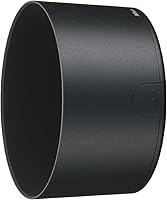
Image Sharpness
78%
22%
In good daylight, users consistently report crisp, detailed results across the mid-range of the zoom — particularly between 55mm and 200mm. Wildlife shooters frequently share bird portraits and stadium action shots that hold up well at web resolution and moderate print sizes.
Sharpness noticeably softens at the extreme 300mm end, especially toward the frame corners. Users printing large or pixel-peeping at 100 percent often find the long-end results disappointing compared to what the focal length promises.
Autofocus Performance
67%
33%
The Silent Wave Motor delivers quiet, smooth focusing that works well during video capture and does not disturb nearby wildlife. In bright outdoor conditions, focus acquisition on stationary or slow-moving subjects is reliably quick enough for casual sports and nature shooting.
Low-light autofocus hunting is the most frequently cited complaint across the review base — the lens can struggle to lock on in shade, overcast conditions, or indoor venues. Fast or erratic subjects in anything less than ideal light will regularly produce missed or soft frames.
Vibration Reduction
84%
The VR system is one of the strongest selling points users highlight, allowing sharp handheld shots at shutter speeds that would normally require a monopod at this focal length. The automatic Tripod Detection Mode is a thoughtful touch that prevents the over-correction issues seen on older stabilized lenses.
A small number of users report that VR effectiveness varies depending on the shooting scenario — panning shots in particular can look inconsistent. In very windy outdoor conditions, some photographers found the stabilization less decisive than expected.
Aperture Range
54%
46%
The f/4.5 maximum aperture at the short end is acceptable for a consumer zoom of this type, giving usable results in decent natural light. For daytime travel and outdoor wildlife shooting where you have plenty of sun, the aperture limitation rarely becomes a hard obstacle.
Dropping to f/5.6 at 300mm is a real limitation that forces higher ISO settings the moment light gets challenging, directly affecting image noise and overall quality. Buyers accustomed to faster primes or constant-aperture zooms often find this the most frustrating daily trade-off.
Build Quality
61%
39%
The lens feels reasonably solid for its price class, and the mount is properly constructed for reliable body connection. Buyers who treat it with reasonable care report multi-year ownership without mechanical failures, which speaks to basic durability under normal shooting conditions.
The plastic barrel and outer construction feel noticeably hollow compared to metal-barreled alternatives, which erodes confidence during extended outdoor use. Zoom creep — the barrel extending under its own weight when pointed down — develops on some units after heavy use and is a well-documented long-term concern.
Value for Money
83%
For a native Nikon mount telephoto zoom at this price point, the feature set — VR, SWM autofocus, ED glass — represents a compelling package that third-party alternatives at the same price do not always match for body integration. First-time telephoto buyers regularly describe the purchase as a significant upgrade over their kit lens.
Buyers who subsequently handle higher-tier telephoto lenses sometimes feel the image quality gap is larger than the price gap justifies for serious shooting. The omission of a lens hood at this price also draws consistent criticism as a cost-cutting measure that feels unnecessary.
Weight & Portability
86%
At just over a pound, this telephoto zoom is light enough to carry on a full day of hiking or travel without meaningful fatigue, especially compared to heavier pro-grade alternatives in the same focal range. Travel photographers in particular appreciate how easily it fits alongside other gear in a standard camera bag.
A handful of users note that the lightweight feel reinforces the perception of a plasticky build, making the lens feel less substantial than its focal length might suggest. Those who frequently shoot in cold weather also note the plastic body offers no comfort in terms of grip texture compared to rubberized alternatives.
Zoom Range Versatility
81%
19%
The 55–300mm range on a DX body gives an effective reach that covers compressed portraits, mid-distance wildlife, and frame-filling action from stadium seats — all in a single lens without a swap. Users doing one-bag travel consistently rate this flexibility as one of the lens's best real-world qualities.
The 55mm starting point means there is a gap between a standard 18–55mm kit lens and this one, leaving a small focal length overlap rather than a seamless transition. Some users find themselves carrying both lenses on shoots, which partially offsets the convenience argument.
Video Usability
72%
28%
The quiet SWM motor means focus adjustments during recording are largely inaudible on the audio track, a real advantage over older screw-drive Nikon lenses that buzz noticeably on video. Casual videographers shooting family events or nature clips find the combination of reach and quiet AF genuinely useful.
Continuous autofocus behavior during live-view video is heavily dependent on the camera body rather than the lens itself, and on older DX bodies the experience can feel sluggish or unreliable. Manual focus during video is also somewhat imprecise given the loose feel of the focus ring on this lens.
Optical Aberration Control
74%
26%
The two ED glass elements do a creditable job of suppressing chromatic fringing along high-contrast edges — a common weakness in budget telephoto zooms — keeping color fringing minimal in well-lit daylight shots. Landscape and wildlife images with bright skies and detailed foliage hold up better than many buyers expect at this price tier.
At the extreme telephoto end, some lateral chromatic aberration does creep in, particularly in backlit scenes. While Nikon's in-camera corrections compensate to a degree, JPEG shooters benefit more than those editing raw files without applying a correction profile manually.
Close-Focus Capability
43%
57%
The minimum focusing distance of 4.6 ft is workable for subjects like perched birds or animals that allow a reasonable approach distance. In those scenarios, the combination of focal length and minimum distance can still produce flattering subject isolation at the frame.
For anything requiring true close-up detail — insects, flowers, product shots — the minimum focus distance is a hard wall that makes the lens completely impractical. Users who discover this limitation after purchase often feel it should be more prominently disclosed before buying.
Weather Resistance
38%
62%
Some users have reported taking this lens into light drizzle without immediate damage, suggesting the construction is not catastrophically fragile. For fair-weather outdoor use, the lack of sealing has not been a reported problem for the majority of buyers.
There is no weather sealing of any kind, which is a genuine risk for wildlife and outdoor photographers who regularly shoot in rain, dust, or sea spray. Several long-term owners have reported moisture ingress or internal dust accumulation over time in demanding shooting environments.
Filter Compatibility
88%
The 58mm filter thread is one of the most common sizes in photography, meaning buyers can often use polarizers or protective filters they already own from other lenses. This compatibility detail saves money and simplifies the accessory kit for photographers building out a system over time.
The front element does not rotate during autofocus, which is standard and appreciated — but a small number of users note the filter thread engagement feels slightly rough on some units, requiring care during filter installation to avoid cross-threading.
Ease of Use
85%
Beginners moving up from a kit lens find the controls intuitive — the VR switch, AF/MF toggle, and zoom ring are all logically placed and easy to operate while keeping an eye through the viewfinder. The snap-on lens cap is simple and quick to remove one-handed in the field.
The zoom ring requires a fairly wide rotation to move through the full focal range, which some users find slower than they would like when a subject appears suddenly. A few buyers also note the zoom action feels slightly stiff when the lens is cold, loosening up after some use.

Suitable for:

The Nikon AF-S DX NIKKOR 55-300mm Zoom Lens is a strong match for hobbyist photographers who shoot wildlife, birds, or sports and need serious reach without committing to a professional-tier budget. If you regularly find yourself at the edge of a nature trail trying to frame a distant heron, or sitting in the upper deck at a stadium wishing your kit lens could get you closer, this telephoto zoom fills that gap convincingly. Travel photographers who want one capable lens for distant subjects — without lugging around a heavy bag — will find the size-to-reach ratio genuinely practical. It also makes an excellent first step up from an 18-55mm kit lens for Nikon DX users who are ready to explore longer focal lengths and want the reassurance of a native Nikon mount with reliable body communication.
Not suitable for:

Photographers who regularly shoot in low light — think indoor sports, evening wildlife, or dusk golden-hour sessions — will bump into the real ceiling of this telephoto zoom quickly, since the narrower aperture at the long end limits how much light the lens can gather. The Nikon AF-S DX NIKKOR 55-300mm Zoom Lens is also not the right tool for anyone who needs professional-grade autofocus tracking for fast, erratic subjects like birds in dense brush or players sprinting directly toward the camera; the AF system is capable in good light but can lose confidence when conditions get challenging. Buyers who prioritize build quality and weather sealing — common requirements for working photographers or anyone shooting regularly in harsh outdoor conditions — should look higher up the product ladder. Finally, if you are already shooting a full-frame Nikon body or have migrated to Nikon Z-mount mirrorless, this lens is simply incompatible without adapters that add cost and compromise the native experience.

Specifications

  • Focal Length: This lens covers a 55–300mm zoom range, giving DX-format shooters an effective field of view equivalent to roughly 82–450mm on a full-frame camera.
  • Maximum Aperture: The aperture is variable, opening to f/4.5 at the wide end and narrowing to f/5.6 at full telephoto extension.
  • Lens Mount: Designed exclusively for Nikon F-mount DX-format bodies, it is not optimized for full-frame FX sensors and will produce vignetting if used on them.
  • Stabilization: Nikon's Vibration Reduction system includes an automatic Tripod Detection Mode that disables unnecessary compensation when the lens is mounted on a support.
  • Autofocus Motor: A built-in Silent Wave Motor (SWM) drives autofocus internally, keeping operation quiet and allowing full-time manual focus override without switching to MF mode.
  • Optical Elements: The optical formula includes two Extra-low Dispersion (ED) elements and one High Refractive Index (HRI) element to reduce chromatic aberration and improve overall clarity.
  • Filter Thread: The front element accepts 58mm screw-in filters, a widely used diameter compatible with many popular polarizer and UV filter sets.
  • Minimum Focus: The closest focusing distance is 4.6 ft (1.4 m), measured from the camera's focal plane, making very close-up work impractical with this lens.
  • Zoom Ratio: The 5.5x zoom ratio spans from moderate telephoto compression to full long-reach framing in a single, continuous barrel rotation.
  • Weight: The lens weighs approximately 1.28 lbs (around 580 g), which is manageable for extended handheld use across a full day of shooting.
  • Dimensions: Physical measurements are 4.84 inches in length by 3.03 inches in diameter, making it compact enough to fit in a standard camera bag side pocket.
  • Lens Cap: A snap-on front lens cap is included in the box; note that a lens hood is not included and must be purchased separately.
  • Model Number: The official Nikon model number is 2197, and it carries the ASIN B003ZSHNCC for cross-reference on retail platforms.
  • Manufacturer: Designed and manufactured by Nikon Corporation, with production consistent with Nikon's consumer DX lens quality standards.
  • Availability: The lens has not been discontinued by the manufacturer and has been available in the market since August 2010.

Related Reviews
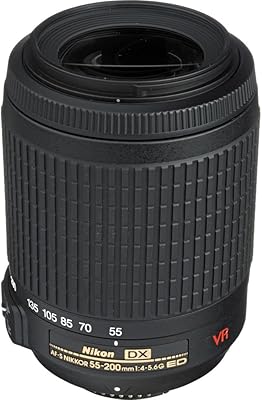
Nikon 55-200mm f/4-5.6G VR Telephoto Zoom Lens
78%
91%
Value for Money
78%
Image Sharpness
88%
Vibration Reduction
73%
Autofocus Speed
62%
Build Quality
More
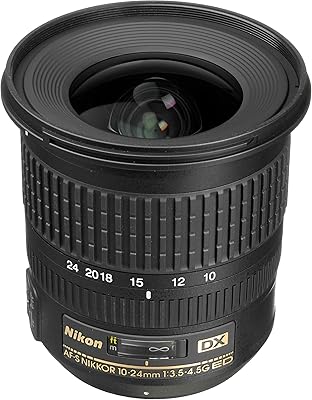
Nikon AF-S DX NIKKOR 10-24mm f/3.5-4.5G ED Zoom Lens
85%
93%
Sharpness at Wide Angles
87%
Autofocus Performance
89%
Build Quality
72%
Low Light Performance
91%
Value for Money
More
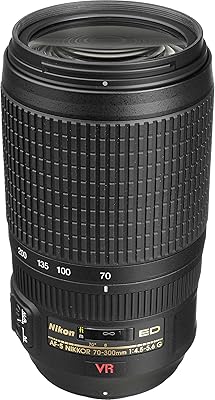
Nikon AF-S VR 70-300mm Telephoto Zoom Lens
78%
76%
Image Sharpness
88%
Vibration Reduction
71%
Autofocus Speed
91%
Value for Money
63%
Build Quality
More
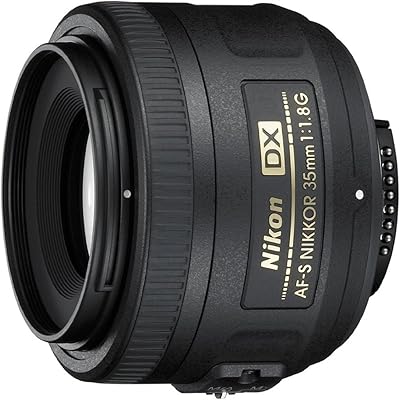
Nikon AF-S DX NIKKOR 35mm f/1.8G Lens
82%
92%
Optical Sharpness
89%
Low-Light Performance
86%
Autofocus Speed
84%
Bokeh Quality
74%
Build Quality
More
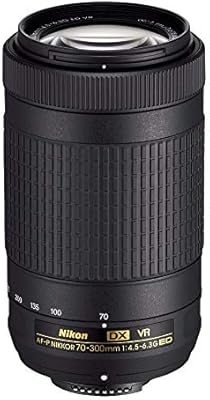
Nikon AF-P DX NIKKOR 70-300mm Telephoto Lens
78%
91%
Autofocus Performance
78%
Image Sharpness
86%
Vibration Reduction (VR)
47%
Camera Compatibility
72%
Build Quality & Handling
More
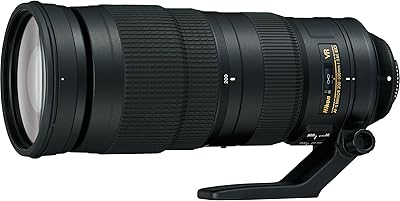
Nikon AF-S FX NIKKOR 200-500mm f/5.6E ED Vibration Reduction Zoom Lens
83%
91%
Image Quality
88%
Vibration Reduction
82%
Autofocus Speed
85%
Build Quality
78%
Ease of Use
More
Nikon AF-S FX NIKKOR 50mm f/1.4G Lens
87%
88%
Autofocus Performance
91%
Image Quality & Sharpness
90%
Bokeh Quality
84%
Build Quality
87%
Low-Light Performance
More
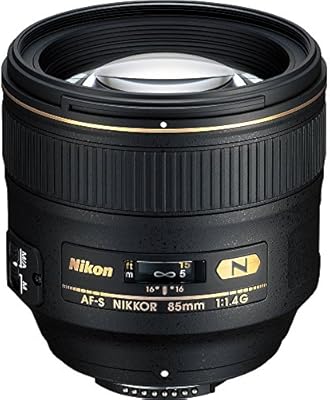
Nikon AF-S FX NIKKOR 85mm f/1.4G Lens
86%
95%
Image Quality
93%
Low-Light Performance
87%
Autofocus Speed
89%
Build Quality
90%
Bokeh Quality
More
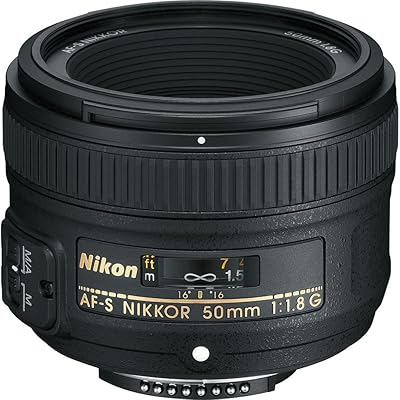
Nikon NIKKOR 50mm f/1.8G Prime Lens
83%
93%
Image Sharpness
88%
Bokeh & Background Separation
71%
Autofocus Speed
91%
Low-Light Performance
82%
Build Quality & Durability
More
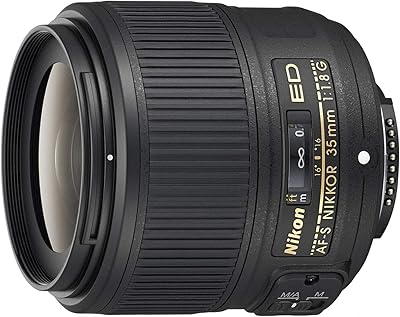
Nikon AF-S NIKKOR 35mm f/1.8G ED Lens
85%
91%
Image Sharpness
88%
Autofocus Speed
93%
Low-Light Performance
85%
Portability/Size
82%
Build Quality
More

FAQ

Yes, it is fully compatible with all current and recent Nikon DX-format bodies, including the D3500, D5600, D7500, and similar cameras. The Nikon F mount connects natively, so you get full autofocus, VR, and EXIF data without any adapter.

Physically it will mount, but it is not designed for full-frame sensors. You will get significant vignetting across most of the zoom range, and your camera will likely switch to crop mode automatically. It is really only intended for DX-format bodies.

No, a hood is not included — just a snap-on front lens cap. For a lens that often points toward bright open skies, adding a compatible HB-57 hood is genuinely worth it to reduce flare and protect the front element.

In good daylight it tracks reasonably well for a consumer-grade zoom, and plenty of users report solid bird-in-flight keepers under bright conditions. That said, it is not in the same league as Nikon's pro telephoto glass — low light or fast, unpredictable movement will expose its limits, and some hunting can occur.

The lens handles this automatically. It includes a Tripod Detection Mode that senses when the camera is stationary and adjusts accordingly, so you do not need to manually switch VR off. That said, some photographers still prefer to turn it off on very stable setups, which is perfectly fine.

The main differences come down to the starting focal length and size. This lens begins at 55mm, which is more useful as a walk-around telephoto, whereas the 70-300mm FX version starts longer and also covers full-frame bodies. If you shoot DX exclusively and want more versatility at the short end, the 55-300mm makes good sense.

For casual wildlife and travel use, yes — the reach is substantial and the VR helps in mixed light. Just keep expectations realistic: you will want good lighting conditions and some patience with autofocus on distant subjects. It is not the tool a professional wildlife photographer would rely on, but for holiday shooting it performs well above its price point.

It accepts any standard 58mm screw-in filter. A circular polarizer is a popular addition for outdoor shooting to cut glare and deepen skies, and a UV or protective filter is a sensible choice to guard the front element during travel.

Honestly, the build is plastic-heavy, which is typical at this price tier. It does not feel fragile, but it lacks the reassuring solidity of a metal-barreled lens. One thing to watch over time is zoom creep — the barrel can start to drift on its own when pointed downward after extended use.

The Silent Wave Motor is genuinely quiet, so focus hunting noise is minimal on video recordings — a real advantage over older screw-drive lenses. For casual video work it performs well. For serious video production, keep in mind that continuous autofocus tracking during video is dependent on the body's live-view AF capability, which varies by camera model.

Where to Buy