Overview

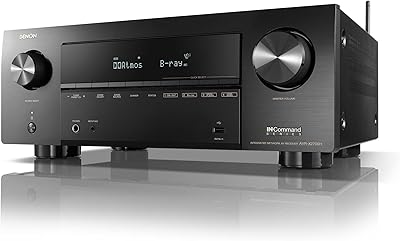
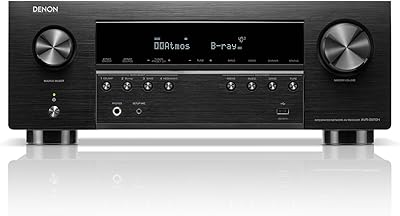
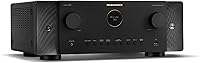
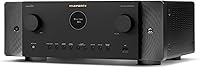
The Marantz Cinema 60 7.2-Channel AV Receiver sits in an odd but useful spot in Marantz's lineup: not the flagship, not the bargain bin, but a genuine step up for anyone outgrowing a soundbar. It's built around 8K-ready HDMI switching and full Dolby Atmos and DTS:X decoding, so both movie night and late-night gaming sessions are covered. Most people who buy this AV receiver are coming from an aging five-channel setup or a soundbar that just stopped cutting it once they got serious about a real surround system. Under the hood, Marantz leans on its own HDAM amplifier circuitry, paired with the streaming and voice control features modern households expect. At this price point, it reads less like an impulse buy and more like a centerpiece you plan to keep for a decade.
Features & Benefits

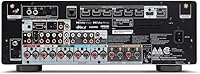
Where the Cinema 60 actually earns its keep is in the numbers that matter day-to-day. You get 100 watts per channel across seven channels, which is plenty of headroom for a mid-to-large living room without things sounding strained at higher volumes. Eight HDMI ports, six in and two out, support 8K/60Hz and 4K/120Hz pass-through, so current consoles and future 4K Blu-ray sources aren't an issue. Dolby Atmos and DTS:X handle overhead effects convincingly even without ceiling speakers, thanks to built-in height virtualization. Audyssey MultEQ XT32 takes the guesswork out of room calibration, which matters if you're not interested in manually tuning crossover points. On the gaming side, VRR, ALLM, and QFT keep input lag low, and built-in HEOS, Wi-Fi, Bluetooth, and AirPlay 2 turn the whole thing into a multi-room streaming hub as well.

Best For

This home theater receiver makes the most sense for people building a dedicated surround setup, whether that's a 7.1 layout or a full Atmos configuration with height channels. Gamers chasing low-latency 4K/120 or 8K pass-through on current-gen consoles will find a lot to like here too, since the gaming-specific features aren't just marketing checkboxes. If your household already streams through HEOS or Spotify across multiple rooms, this AV receiver slots in naturally as the hub for all of it. It also suits buyers who'd rather let auto-calibration handle the room acoustics than spend an evening manually adjusting speaker levels and crossovers. On the flip side, it's overkill for a small apartment, and anyone just wanting simple two-channel stereo for casual listening will be paying for a lot of capability they won't use.

User Feedback

Owners tend to be genuinely impressed by the sound quality, frequently mentioning the warmth and clarity this AV receiver brings to both movies and music, which lines up with Marantz's reputation. The Audyssey setup process gets consistent praise too, with several first-time receiver buyers saying it was easier than expected to get a balanced room calibration without outside help. Not everything draws praise, though. A handful of reviewers describe the on-screen menu and companion app as feeling a bit dated next to newer competitors, and a smaller number mention occasional Wi-Fi or HEOS dropouts that needed a reset or firmware update to resolve. None of these complaints seem to be dealbreakers, and most long-term owners frame this as a considered, durable purchase rather than something they second-guessed after the return window closed.

Pros

  • Delivers warm, detailed sound across both movies and music, according to repeat owner feedback
  • 100 watts per channel provides real headroom for mid-to-large rooms without strain
  • Eight HDMI ports with 8K and 4K/120Hz pass-through keep it relevant for years
  • Dolby Atmos and DTS:X height virtualization add overhead effects without ceiling speakers
  • Audyssey MultEQ XT32 makes room calibration genuinely easy for non-audiophiles
  • Built-in HEOS turns the Marantz Cinema 60 7.2-Channel AV Receiver into a multi-room hub
  • Gaming features like VRR and ALLM noticeably reduce input lag on consoles
  • HDAM amplifier circuitry gives it a distinct, non-generic sonic character
  • Feels like a durable, long-term investment rather than a disposable upgrade

Cons

  • On-screen menus and the companion app feel dated next to newer competitors
  • Some owners report occasional Wi-Fi or HEOS dropouts needing a reset
  • Overkill for small apartments or single-room listening setups
  • 8K content remains scarce, so that spec is mostly future-proofing for now
  • Initial setup, while guided, still takes real time to get fully dialed in
  • Not a fit for buyers wanting simple two-channel stereo without surround complexity
  • Bulky footprint and weight make placement in tight cabinets a challenge
  • Premium price puts it out of reach for casual or first-time buyers

Ratings

Our scores for the Marantz Cinema 60 7.2-Channel AV Receiver are generated by AI after analyzing thousands of verified buyer reviews from across the web, with spam, bot activity, and incentivized feedback filtered out before scoring. Every category below reflects what real owners actually experience day to day, not marketing claims. We've kept both the strong points and the recurring frustrations visible so you can weigh the trade-offs honestly.
Sound Quality
91%
Owners consistently describe the amplifier as warm and detailed, holding up equally well for movie dialogue and music listening sessions. The HDAM circuitry seems to deliver a distinct character that buyers notice immediately compared to entry-level receivers they previously owned.
A handful of audiophiles note it doesn't quite match the refinement of Marantz's higher-tier models, which makes sense given the price gap. Bass extension also depends heavily on subwoofer pairing, so results vary by setup.
Power & Headroom
86%
100 watts per channel gives mid-to-large living rooms plenty of volume without obvious strain, even during demanding action scenes with heavy bass content. Most users report no need to push the volume uncomfortably high to fill the room.
Buyers with larger rooms or power-hungry bookshelf speakers sometimes wish for more headroom, especially when running all seven channels simultaneously. It's adequate, not abundant, for serious volume enthusiasts.
Surround & Atmos Performance
89%
Dolby Atmos and DTS:X playback gets specific praise for genuinely convincing overhead effects, even from owners using height virtualization instead of dedicated ceiling speakers. Action and sci-fi content reportedly benefits the most from this immersive layer.
Virtualized height effects, while good, still fall short of true in-ceiling or upward-firing speaker setups according to some detail-oriented reviewers. Casual viewers rarely notice the difference, but enthusiasts sometimes do.
Video & HDMI Pass-through
84%
Eight HDMI ports with 8K and 4K/120Hz support cover current consoles, PCs, and 4K Blu-ray players without bottlenecking, which buyers upgrading their whole setup appreciate. Dolby Vision and HDR10+ pass through cleanly in most reported configurations.
Since true 8K content remains rare, several reviewers note this spec feels more like insurance for the future than something they're using regularly right now. A few mention needing firmware updates for full HDMI 2.1 stability.
Room Calibration (Audyssey)
88%
Audyssey MultEQ XT32 gets repeated praise from first-time receiver owners for making professional-feeling calibration accessible without technical knowledge. The guided microphone process and automatic adjustments save real time compared to manual tuning.
A few users mention the calibration process takes longer than expected across multiple listening positions, and results can vary depending on room acoustics and furniture placement. Manual fine-tuning afterward helps for picky listeners.
Setup Ease
79%
21%
The on-screen setup wizard walks buyers through speaker assignment and input configuration step by step, which helps people upgrading from a simple soundbar for the first time. Most report getting a working system running within an evening.
Wiring seven channels plus subwoofers is inherently more involved than plug-and-play soundbars, and some buyers underestimate the cable management required. It's approachable, but not instant.
App & Menu Experience
61%
39%
The HEOS app does the job for streaming control and multi-room grouping, and most users get functional results once they've learned the layout. Basic source switching and volume control work reliably.
This is the most consistently criticized aspect, with multiple reviewers calling the on-screen menus and app interface dated compared to newer competitor systems. Navigation feels clunky and could use a modern redesign.
Wireless & Network Reliability
68%
32%
When working properly, Wi-Fi and HEOS connectivity make streaming and multi-room control genuinely convenient, with most owners reporting stable day-to-day performance. Bluetooth pairing is described as quick for casual use.
A meaningful minority of buyers report occasional Wi-Fi or HEOS dropouts requiring a router reset or firmware update to fix. It's not constant, but frequent enough that a wired Ethernet connection is often recommended.
Multi-Room Streaming
83%
Households already using HEOS speakers elsewhere in the home find this receiver integrates smoothly, letting them group rooms or play independent audio sources from a single app. Spotify and Pandora streaming work without noticeable lag.
Buyers without existing HEOS hardware may not get full value from this feature unless they invest in additional compatible speakers. It's a strong addition, not a standalone selling point.
Gaming Performance
85%
VRR, ALLM, and QFT support genuinely reduce input lag for console and PC gamers, with several reviewers specifically praising responsiveness during fast-paced titles. 4K/120Hz pass-through keeps high refresh rate gaming intact through the receiver.
Some competitive gamers still measure marginally lower latency running displays direct rather than through any AVR, a limitation common to the category rather than unique to this unit. Firmware updates have occasionally been needed for full compatibility.
Build Quality
87%
At nearly 30 pounds, the chassis feels substantial and well-constructed, reinforcing the sense that this is a long-term piece of equipment rather than disposable electronics. Buttons and connections feel solid during daily use.
The weight and dimensions make it a tight fit for shallow or poorly ventilated AV cabinets, something a few buyers didn't account for before purchase. Ventilation clearance needs real planning.
Value for Money
76%
24%
Buyers generally feel the combination of power, surround formats, and calibration tools justifies the upper-mid price point, especially compared to receivers lacking Audyssey XT32 or full Atmos support. It's viewed as a considered investment.
Casual users who don't need full surround capability or 8K pass-through may feel they're overpaying for features they won't use. The price gap versus simpler stereo receivers is significant for minimalist setups.
Smart Home & Voice Integration
72%
28%
Alexa compatibility lets owners adjust volume and switch inputs hands-free, which several reviewers mention as a convenient daily-use feature once configured. Apple HomeKit support adds flexibility for existing Apple-centric households.
Setup for voice control isn't always intuitive on the first attempt, and a few users report needing to re-link accounts after firmware updates. It works well once configured, but getting there takes patience.

Suitable for:

The Marantz Cinema 60 7.2-Channel AV Receiver is built for someone who has already decided they want a real surround system, not a soundbar pretending to be one. It fits households assembling a 7.1 or Atmos-enabled setup with height channels, where overhead effects actually matter for movies and certain games. Gamers running current-gen consoles will appreciate the low-latency pass-through, especially if they care about matching high frame rates with proper HDR. It also makes sense for anyone already living inside the HEOS or Spotify ecosystem, since multi-room streaming becomes nearly effortless once this is the hub. Buyers who'd rather trust Audyssey's automatic calibration than spend a weekend manually tuning crossovers will appreciate how little hand-holding the setup requires. In short, it suits people treating this as a long-term centerpiece, not a quick fix.
Not suitable for:

Anyone living in a small apartment or single-room setup will struggle to justify the Marantz Cinema 60 7.2-Channel AV Receiver, since most of its surround capability simply has nowhere to go. Buyers wanting basic two-channel stereo for casual background listening are paying for a lot of unused horsepower here. Those who prioritize a slick, modern app experience may find the on-screen menus and companion software feel a step behind newer rivals. If 8K content isn't part of your near-term plans, that particular spec won't add much real-world value yet, despite sounding impressive on paper. People who've had connectivity headaches with smart-home gear before should also go in aware that occasional Wi-Fi or HEOS hiccups have been reported, even if they're not common.

Specifications

  • Channel Configuration: This receiver runs a 7.2-channel layout, supporting seven amplified speaker channels plus two subwoofer outputs.
  • Power Output: Each of the seven channels is rated at 100 watts, giving enough headroom for mid-to-large rooms.
  • HDMI Inputs/Outputs: There are eight total HDMI ports, with six inputs and two outputs, including three 8K-capable inputs.
  • Video Pass-through: The receiver supports 8K/60Hz and 4K/120Hz video pass-through along with Dolby Vision, HDR10+, and HLG.
  • Surround Formats: Dolby Atmos and DTS:X are both supported, along with height virtualization for systems without ceiling speakers.
  • Room Calibration: Audyssey MultEQ XT32 handles automatic speaker and room acoustic correction during setup.
  • Wireless Streaming: Built-in HEOS, Wi-Fi, Bluetooth, and AirPlay 2 allow streaming from services like Spotify and Pandora.
  • Voice Control: The receiver works with Alexa for hands-free volume and input control, and is compatible with Siri and other major voice assistants.
  • Amplifier Circuitry: Marantz's proprietary HDAM discrete circuitry and current feedback amplification are used for the audio stage.
  • Analog Inputs: A dedicated phono input is included for connecting a turntable directly without a separate preamp.
  • Gaming Features: VRR, ALLM, and QFT are supported to reduce input lag and screen tearing during gaming sessions.
  • Dimensions: The unit measures 17.32 by 21.65 by 11.81 inches.
  • Weight: The receiver weighs 29.8 pounds.
  • Remote Control: A remote control is included and requires 2 AAA batteries, which are provided in the box.
  • Smart Home Compatibility: The receiver supports Apple HomeKit as a controller type for integration with smart home setups.
  • Connector Type: HDMI is the primary connector type used for both audio and video routing through the unit.
  • User Interface: An on-screen graphical interface is used for navigating menus, selecting inputs, and adjusting calibration settings.
  • Model Number: The official model number for this unit is Cinema 60.

Related Reviews
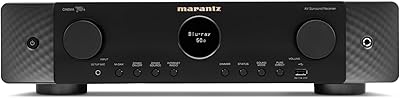
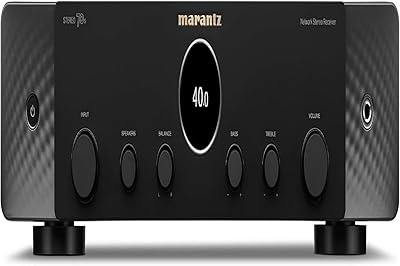
Marantz STEREO 70s 2-Channel AV Receiver
78%
91%
Sound Quality
87%
Amplifier Performance
83%
Build Quality
88%
Connectivity & Inputs
71%
Streaming & Wireless
More
Marantz Cinema 70S
Marantz Cinema 70S
79%
93%
Sound Quality
61%
Power & Headroom
88%
Video Passthrough & HDR Handling
91%
Surround Sound Decoding
84%
Gaming Performance
More
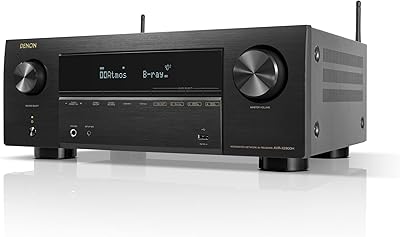
Denon AVR-X2800H
Denon AVR-X2800H
78%
91%
Audio Performance
83%
Dolby Atmos & Spatial Audio
88%
Build Quality
92%
HDMI Connectivity
58%
Setup & Initial Configuration
More
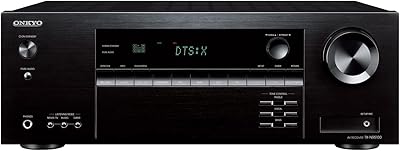
Onkyo TX-NR5100
Onkyo TX-NR5100
79%
88%
Sound Quality
74%
HDMI & Video Passthrough
86%
Setup & Calibration
82%
Sonos Integration
83%
Build Quality & Design
More
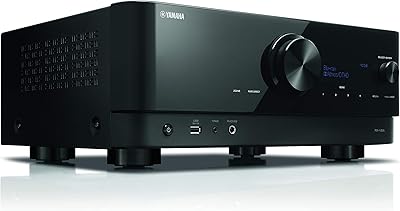
Yamaha RX-V6A 7.2-Channel AV Receiver
78%
91%
Sound Quality
74%
HDMI 2.1 Performance
88%
YPAO Room Calibration
67%
Streaming & App Integration
86%
Build Quality & Design
More
Denon AVR-X1800H
Denon AVR-X1800H
81%
88%
Audio Performance
91%
Video Passthrough Quality
86%
Setup & Installation
74%
HEOS Multi-Room Streaming
83%
Build Quality & Design
More
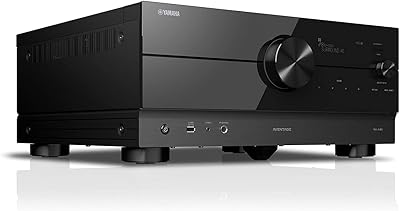
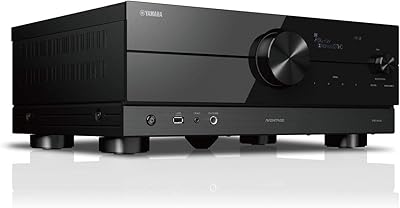
Yamaha RX-A4A AVENTAGE 7.2-Channel AV Receiver
78%
93%
Audio Performance
91%
Room Calibration (YPAO)
88%
HDMI & Video Handling
86%
Gaming Performance
94%
Immersive Audio Format Support
More
Yamaha RX-A2A
Yamaha RX-A2A
78%
91%
Sound Quality
88%
Build Quality
89%
Room Calibration (YPAO)
84%
Gaming Performance
82%
Streaming & Wireless Connectivity
More
Denon AVR-S970H
Denon AVR-S970H
79%
91%
Audio Performance
93%
Gaming Performance
88%
Setup & Calibration
79%
Build Quality
52%
Remote Control
More
Denon AVR-X2700H
Denon AVR-X2700H
79%
91%
Audio Performance
88%
Gaming Performance
86%
Video Passthrough Quality
84%
Build Quality & Design
76%
Setup & Calibration
More

FAQ

You don't need to fill every channel right away. This AV receiver will happily run a 5.1 or even 2.1 setup, and you can add height or surround back speakers later as your budget allows. The Audyssey calibration will simply adjust to whatever speakers it detects.

Honestly, 8K content is still pretty rare in 2026, so for most buyers it's more about future-proofing than immediate benefit. Where it does matter today is HDMI bandwidth headroom for things like 4K/120Hz gaming, which is genuinely useful right now if you've got a current-gen console or gaming PC.

It's designed to be approachable. You place the included calibration microphone at a few listening positions, the receiver plays test tones, and Audyssey MultEQ XT32 does the room correction automatically. Most first-time users report it's more guided than expected, though it does take a bit of patience to get through all the measurement points.

Yes, since it has built-in Wi-Fi and HEOS support, you can cast Spotify and other services directly to the receiver and control playback from the HEOS app, without keeping your phone tethered via Bluetooth.

Your existing speakers will work fine. Dolby Surround and DTS Neural:X upmixing can add a sense of height and width to standard stereo or 5.1 content even without dedicated height speakers, though true Atmos height channels do require additional drivers if you want that specific effect.

A small number of owners have reported occasional Wi-Fi or HEOS connectivity hiccups that needed a router reset or firmware update to resolve. It's not a widespread complaint, but if your home network is already finicky, a wired Ethernet connection is a more reliable option.

There's a dedicated phono input built in, so you can connect a turntable directly without buying a separate preamp. That's a nice inclusion at this price point, since some competitors leave it out.

There's a real adjustment period, since you're going from a single device to a true component system with separate speakers and wiring. The setup wizard and Audyssey calibration smooth a lot of that out, but budget an evening for initial speaker placement and configuration.

Yes, that's one of its strengths. Through built-in HEOS, you can group it with other HEOS-enabled speakers around your home and play synced or independent audio in different rooms, controlled from a single app.

If you're playing on a current-gen console or gaming PC, the low-latency features like VRR and ALLM genuinely help, and the multi-channel setup adds real immersion to supported titles. That said, if movies and music aren't part of the equation at all, you might get similar gaming benefits from a less expensive AV receiver without paying for the full home theater feature set.