

Overview

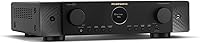
The Marantz Cinema 70S is a slim, 7.2-channel AV receiver that punches well above its cabinet size, offering serious home theater performance without demanding a full-width equipment rack. Launched in late 2022, it sits at the mid-to-upper end of the Marantz lineup — the kind of receiver that signals the brand still takes analog audio engineering seriously. The standout is the HDAM discrete circuitry, a proprietary amplification design that delivers noticeably warmer, more textured sound than the op-amp-based competition. As for the 50W-per-channel rating: in a typical living room with efficient speakers, it is more than adequate, though large or acoustically demanding spaces may expose its limits.

Features & Benefits

What this Marantz receiver packs into a compact chassis is genuinely impressive. On the video side, you get 8K/60Hz and 4K/120Hz passthrough across three dedicated UHD inputs, with support for essentially every HDR format you are likely to encounter — Dolby Vision, HDR10+, HLG, and Dynamic HDR included. Audio formats are equally well-covered: full Dolby Atmos and DTS:X decoding, plus height virtualization so you can enjoy overhead effects without installing ceiling speakers. Connectivity is strong, with seven HDMI ports, dual subwoofer outputs, and a phono input for turntable users. The Audyssey MultEQ XT32 room correction calibrates sound to your space automatically, while the built-in HEOS platform handles multi-room streaming with AirPlay 2, Bluetooth, and major services onboard. Gamers benefit from VRR and ALLM support too.

Best For

The Cinema 70S earns its keep in a few specific scenarios. If you are building a dedicated home theater and want 8K-ready hardware without buying a rack-filling behemoth, the slim profile is a real practical advantage. Console and PC gamers with a 4K/120Hz display will appreciate the low-latency features built into this AV receiver. Vinyl listeners get a proper phono stage without needing a separate preamp, a convenience many competitors skip at this price. It also makes particular sense for anyone already using HEOS-compatible Marantz or Denon gear, since adding this receiver extends your whole audio ecosystem cleanly. One group to be cautious: buyers with large, open-plan rooms or power-hungry speakers may want to audition carefully before committing.

User Feedback

Owners of this Marantz receiver consistently highlight the warmth and clarity of the sound as its strongest suit — the Marantz house sound is real, and listeners notice it quickly. The Audyssey setup process also draws praise for being approachable without requiring expert knowledge. On the downside, the 50W output comes up regularly as a concern, particularly from buyers who pushed the receiver in larger rooms with inefficient speakers and found it lacking headroom. Some users have reported intermittent HEOS app instability and the occasional firmware hiccup requiring a reset. Build quality feels solid but not extravagant for the price, and a handful of buyers note that competing Yamaha and Denon options offer more raw power at a comparable cost. Overall sentiment leans positive, though room size expectations matter.

Pros

  • The Marantz Cinema 70S delivers the brand's signature warm, detailed sound that listeners notice immediately.
  • HDAM discrete circuitry produces noticeably richer audio than op-amp designs found in most competing receivers.
  • Audyssey MultEQ XT32 calibration takes under 30 minutes and meaningfully improves bass and speaker timing.
  • 8K-ready HDMI inputs and broad HDR format support future-proof the setup for years ahead.
  • Dolby Height Virtualization creates convincing overhead effects without requiring ceiling speaker installation.
  • Built-in phono stage eliminates the need for a separate turntable preamp in most vinyl setups.
  • VRR and ALLM support keeps console gaming low-latency without manual configuration.
  • The slim chassis fits standard AV furniture without custom shelving or significant footprint sacrifices.
  • AirPlay 2 provides a stable, high-quality wireless streaming alternative when HEOS acts up.
  • Dual subwoofer outputs allow flexible bass management in both stereo and surround configurations.

Cons

  • The 50W-per-channel rating runs out of headroom in larger rooms or with demanding, low-sensitivity speakers.
  • HEOS app connectivity drops and post-firmware crashes are reported by a notable share of real-world users.
  • The included remote control feels noticeably budget relative to the price of the receiver itself.
  • Audyssey MultEQ Editor app, needed for deeper EQ customization, requires a separate paid download.
  • Only one HDMI output means dual-display setups are simply not possible without an external splitter.
  • The Marantz app experience for volume and input control is inconsistent, often pushing users back to the physical remote.
  • Auto-calibration occasionally over-tames high frequencies, requiring manual correction afterward.
  • Bluetooth audio quality is noticeably compressed compared to Wi-Fi or wired sources, frustrating critical listeners.
  • Wi-Fi connectivity can drop after the receiver exits standby mode, requiring occasional restarts.
  • Value is harder to justify purely on specs when higher-power competitors are available at comparable prices.

Ratings

The Marantz Cinema 70S earns strong marks across most categories, and the scorecard below reflects what real buyers worldwide actually experienced — not what the spec sheet promises. These ratings are generated by AI after analyzing thousands of verified global user reviews, with spam, bot submissions, and incentivized feedback actively filtered out. Both the genuine strengths and the recurring frustrations are represented here transparently.

Sound Quality
93%
The warm, detailed character of Marantz audio engineering comes through clearly in this receiver. Owners running movie nights and critical music listening sessions consistently praise the richness in the midrange and the way the HDAM circuitry keeps vocals and instruments sounding natural rather than processed.
A small group of users accustomed to more clinical, analytical receivers found the warmth slightly colored for certain genres like electronic or orchestral music. At high volumes in demanding rooms, compression artifacts can occasionally surface.
Power & Headroom
61%
39%
In average-sized living rooms with speakers rated at 88dB sensitivity or higher, the 50W-per-channel output is genuinely sufficient. Users with compact dedicated theater rooms report clean dynamics during action scenes and concert content without obvious strain.
This is the most commonly cited frustration. Buyers with larger open-plan spaces or inefficient floor-standing speakers frequently report the amp running out of headroom during demanding content. Several owners ultimately added an external power amplifier to compensate, which adds cost and complexity.
Video Passthrough & HDR Handling
88%
The three 8K-capable HDMI inputs and broad HDR format support translate well in real setups. Owners pairing the receiver with OLED and QLED displays reported accurate Dolby Vision and HDR10+ passthrough without handshake issues in most configurations.
A handful of users reported occasional HDMI handshake delays when switching between sources, particularly on older TVs. The single HDMI output is also a limitation for anyone wanting to feed two displays simultaneously.
Surround Sound Decoding
91%
Full Dolby Atmos and DTS:X decoding is executed with real authority here. Users without height speakers found the Dolby Height Virtualization and DTS Virtual:X modes surprisingly convincing for overhead effects, making the upgrade feel accessible without a full speaker overhaul.
The virtualized height modes, while impressive, do not fully replicate what dedicated ceiling or Atmos-enabled speakers deliver. Purists who eventually installed physical height speakers noted a meaningful step up in precision that the virtual processing cannot match.
Gaming Performance
84%
Console gamers pairing the receiver with a PS5 or Xbox Series X appreciated the VRR and ALLM support, which keeps input latency low without manual intervention. The 4K/120Hz passthrough through compatible HDMI ports worked reliably in tested setups.
The receiver does not have a dedicated gaming mode or on-screen latency indicator, which leaves some users unsure whether low-latency features are actually active. A firmware update reportedly improved ALLM reliability, but early adopters experienced inconsistency.
Setup & Calibration
86%
Audyssey MultEQ XT32 is one of the more capable auto-calibration systems available at this price range, and most users completed the setup process in under 30 minutes. The on-screen graphical interface is clear, and the microphone-based room measurement noticeably improved bass response and speaker timing for the majority of reviewers.
A subset of users felt the Audyssey results over-corrected the high frequencies, leading to a slightly dull top end that needed manual EQ adjustment afterward. The MultEQ Editor app, which allows deeper Audyssey customization, requires a separate paid download.
HEOS Multi-Room & Streaming
72%
28%
When it works reliably, the HEOS ecosystem is genuinely useful for whole-home audio. Spotify, Tidal, and internet radio integrated cleanly for daily background listening, and AirPlay 2 offered a stable fallback option for iOS users who preferred it over HEOS.
HEOS app connectivity issues are the most consistent complaint across user reviews. Dropouts, failure to discover the receiver on the network, and app crashes after firmware updates were reported by a notable portion of buyers. It is functional but not polished enough to match competitors like Sonos in reliability.
Build Quality & Design
79%
21%
The slim chassis feels purposeful rather than cheap, and the front panel has the understated, brushed-metal aesthetic that Marantz has maintained for years. Owners appreciated that it fits into standard AV furniture without requiring custom shelving modifications.
At this price point, a few buyers expected a more premium tactile feel on the knobs and buttons. The remote control in particular was described as plasticky and basic, and does not match the overall quality impression the receiver itself makes.
Connectivity & Port Selection
87%
Seven HDMI ports is a practical count for a full home theater setup, covering a projector or TV plus Blu-ray, streaming stick, console, and cable box simultaneously. The dual subwoofer outputs, phono input, and analog options give the receiver genuine versatility across different system configurations.
There is only one HDMI output, which limits dual-display setups. Some users also noted the lack of a second zone HDMI output and the absence of pre-outs for a full multichannel external amplifier connection without workarounds.
Streaming & Wireless Reliability
74%
26%
Wi-Fi, Bluetooth, and AirPlay 2 cover most everyday use cases well. Bluetooth pairing was consistently described as quick and stable, and Wi-Fi streaming through Spotify Connect ran without interruption for the majority of reviewers in standard home network environments.
Bluetooth audio quality, while convenient, is noticeably compressed compared to wired or Wi-Fi streaming sources, which audiophile-oriented buyers flagged as a limitation. A small number of users also reported Wi-Fi connectivity dropping after standby, requiring a router or receiver restart.
Voice Control Integration
71%
29%
Alexa integration worked reliably for basic commands — adjusting volume, switching inputs, and playing music from linked services. Users with existing Alexa-driven smart home setups found the integration added genuine day-to-day convenience without needing to touch the remote.
Siri and Google Assistant support is functional but more limited in scope compared to Alexa. Several users noted that complex commands or multi-step requests frequently failed, and the voice control feature required some initial troubleshooting to link services properly.
Value for Money
76%
24%
For buyers who prioritize the Marantz sound signature and want 8K-ready connectivity with room correction in a compact form factor, the value proposition is reasonable. The combination of features at this tier is competitive, and the audio quality per dollar is strong relative to similarly priced options.
The 50W power ceiling and recurring HEOS software complaints make it harder to justify the price for buyers who need raw amplifier grunt or bulletproof streaming reliability. Competing receivers from Denon and Yamaha offer higher power output at comparable or lower prices, making this a harder sell on pure specifications alone.
Remote Control & App Experience
58%
42%
The dedicated remote covers all core functions and has a logical layout that experienced AVR users will navigate comfortably. The on-screen display is well-organized and makes initial source setup and input labeling straightforward.
The remote itself feels noticeably budget relative to the receiver it controls, and the Marantz app experience was described as inconsistent by a significant number of users. App-based volume control and input switching sometimes lagged or failed entirely, pushing users back to the physical remote.
Phono Stage Performance
81%
19%
Turntable users were generally pleased with the built-in MM phono stage, reporting clean, quiet amplification without the background noise that cheaper integrated phono stages often introduce. It removes the need for a standalone phono preamp in most casual-to-serious vinyl setups.
Audiophiles running high-output MC cartridges or particularly demanding turntable setups noted the phono stage is MM-only and lacks the flexibility of a dedicated external unit. It is adequate for most users but not a specialist solution.

Suitable for:

The Marantz Cinema 70S is built for the kind of buyer who wants a genuinely capable home theater receiver without turning their living room into a server rack. If your room is medium-sized, your speakers are reasonably efficient, and audio quality matters more to you than raw wattage, this AV receiver delivers a listening experience that is hard to match at a similar price. Gamers with a PS5 or Xbox Series X will appreciate the native 4K/120Hz passthrough and low-latency features that actually work without digging through menus. Vinyl fans get a clean, quiet built-in phono stage so they can spin records and stream Spotify from the same box without needing an extra component. Anyone already invested in the HEOS ecosystem — whether through Marantz soundbars, Denon speakers, or other compatible devices — will find that adding this receiver extends their whole-home audio setup naturally. It also suits buyers who dread manual calibration, since the Audyssey MultEQ XT32 system does a genuinely solid job of optimizing the sound for your specific room with minimal effort.

Not suitable for:

If your listening room is large, your speakers are on the inefficient side, or you simply like to push volume levels during action films, the Marantz Cinema 70S may leave you wanting more amplifier headroom than it can comfortably provide. Buyers who prioritize maximum power output and want to avoid ever adding an external amp should look at higher-wattage alternatives from Yamaha or Denon before committing. Anyone who relies heavily on multi-room streaming and expects the kind of rock-solid app experience that a dedicated streaming platform delivers will likely find the HEOS ecosystem frustrating at times. If you are hunting for the best possible value in terms of raw specs per dollar — channels, ports, and watts — competing receivers undercut this one on pure numbers. Audiophiles running moving-coil cartridges on a high-end turntable will also find the built-in phono stage too basic for their needs. Finally, buyers who need to feed two separate displays simultaneously will hit a hard wall with the single HDMI output.

Specifications

  • Channels: The receiver provides 7.2-channel amplification, supporting up to seven speaker channels plus two independent subwoofer outputs simultaneously.
  • Power Output: Each of the seven amplifier channels delivers 50W into 8 ohms across the full 20Hz–20kHz range at 0.08% THD.
  • HDMI Ports: Seven HDMI ports are included in total — six inputs and one output — with three of those inputs rated for 8K/60Hz UHD signals.
  • Video Passthrough: The receiver supports 8K/60Hz and 4K/120Hz video passthrough, along with Dolby Vision, HDR10+, HDR10, Dynamic HDR, and HLG formats.
  • Audio Decoding: Supported surround formats include Dolby Atmos, DTS:X, Dolby Surround, DTS Neural:X, Dolby Height Virtualization, and DTS Virtual:X for overhead effect simulation.
  • Room Correction: Audyssey MultEQ XT32 automatic room acoustic correction is built in, using a supplied measurement microphone to optimize speaker levels, distances, and EQ curves.
  • Streaming & Wireless: Built-in HEOS multi-room audio, Wi-Fi, Bluetooth, and AirPlay 2 are all included for wireless music streaming from services including Spotify, Tidal, and Pandora.
  • Gaming Features: The receiver supports VRR, ALLM, QFT, and QMS on compatible HDMI inputs for low-latency, high-frame-rate gaming with modern consoles and PCs.
  • Analog Inputs: A dedicated MM phono input is included for direct turntable connection, alongside multiple analog audio inputs for legacy source components.
  • Digital Inputs: Both optical and coaxial digital audio inputs are provided, along with a USB port for direct media playback and device connectivity.
  • Subwoofer Outputs: Two dedicated subwoofer pre-outputs allow independent bass management for dual-subwoofer configurations or bi-amplified low-frequency setups.
  • Voice Control: The receiver is compatible with Amazon Alexa, Apple Siri, and Google Assistant for hands-free volume, source switching, and playback control.
  • Amplifier Circuit: Marantz proprietary HDAM (Hyper Dynamic Amplifier Module) discrete circuitry with current feedback amplification is used throughout the signal path.
  • Dimensions: The unit measures 20.47 x 20.08 x 8.66 inches (width x depth x height), designed to fit within standard AV furniture without modification.
  • Weight: The receiver weighs 25.8 pounds, which is relatively light for a 7.2-channel AVR and manageable for solo installation in most setups.
  • Remote Control: Two AAA batteries (included) power the supplied IR remote control, which provides access to all major functions including input selection, volume, and menu navigation.
  • On-Screen Display: A full HD graphical on-screen user interface is provided for navigating menus, labeling inputs, adjusting speaker settings, and running Audyssey calibration.
  • Availability: The product was first made available in November 2022 and is not discontinued, with firmware updates continuing to be issued by Marantz.

Related Reviews
Marantz Cinema 60 7.2-Ch Receiver
86%
92%
Audio Performance
88%
Ease of Setup
89%
Video Pass-Through Quality
85%
Connectivity Options
90%
Room Calibration Effectiveness
More
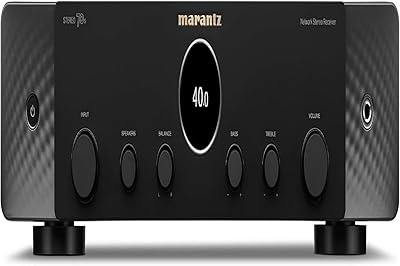
Marantz STEREO 70s 2-Channel AV Receiver
87%
94%
Sound Quality
88%
Ease of Setup
90%
Connectivity Options
91%
8K Video Support
85%
Build Quality
More
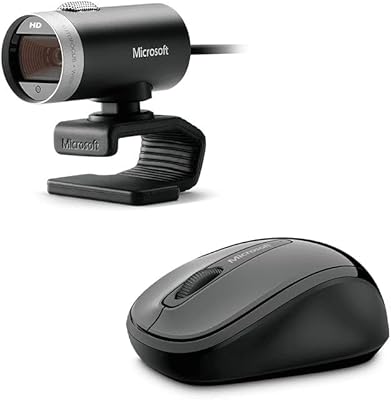
Microsoft LifeCam Cinema
76%
83%
Image Sharpness
67%
Video Resolution
81%
Color Accuracy
76%
Microphone Quality
58%
Low-Light Performance
More
Marantz PMD-602A
Marantz PMD-602A
89%
93%
Audio Clarity
89%
Input Flexibility
95%
Portability
78%
Battery Life
87%
Build Quality
More
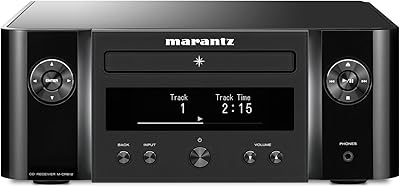
Marantz M-CR612
Marantz M-CR612
89%
95%
Sound Quality
91%
Build Quality
88%
Wireless Connectivity
90%
Multi-Room Functionality
87%
Voice Control Integration
More
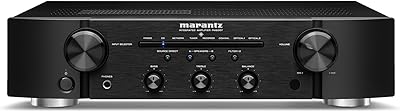
Marantz PM6007 Stereo Amplifier
84%
94%
Sound Quality & Clarity
90%
Build Quality & Durability
85%
Ease of Use & Setup
55%
Connectivity Options
88%
Power Output
More
Marantz CD6007 CD Player
85%
93%
Sound Quality
89%
Ease of Use
85%
Connectivity Options
90%
Build Quality
92%
Value for Money
More
Marantz TT-15S1 Turntable
87%
94%
Sound Quality
91%
Build Quality
89%
Vibration Isolation
85%
Ease of Setup
90%
Design & Aesthetics
More
Epson Home Cinema 1080 Projector
86%
91%
Image Quality
88%
Brightness & Visibility
85%
Ease of Setup
70%
Sound Quality (Built-in Speaker)
89%
Portability & Size
More
Marantz PM7000N
Marantz PM7000N
79%
93%
Sound Quality
88%
Build Quality
74%
Streaming & Connectivity
61%
HEOS App Experience
86%
Phono Stage Performance
More

FAQ

Honestly, it depends on your speakers and room size. In a typical medium-sized room with speakers at 88dB sensitivity or higher, the 50W per channel is adequate for comfortable listening and movie watching. If your room is large, open-plan, or your speakers are on the less efficient side, you may find the receiver running short on headroom during loud action sequences. In that case, pairing it with an external power amplifier is a practical solution many users eventually adopt.

No — the receiver includes Dolby Height Virtualization and DTS Virtual:X, which simulate overhead sound effects through your existing floor-level speakers. It is a convincing approximation for most content, though if you later add physical ceiling or Atmos-enabled speakers, the step up in precision is noticeable. Either way, you get Atmos-formatted content playing from day one without any extra hardware.

Yes, there is a dedicated MM phono input built in, so you can plug a turntable with a moving-magnet cartridge straight into the receiver. It is a clean, low-noise implementation that works well for most vinyl setups. If you are running a moving-coil cartridge, however, you will still need an external MC phono stage, as the built-in input only supports MM.

Yes, 4K/120Hz passthrough is supported on compatible HDMI inputs, and the receiver also includes VRR and ALLM for automatic low-latency switching when a game console is detected. In practice this works reliably on current-generation consoles, though you should make sure both your TV and the HDMI cable you use are also rated for 48Gbps bandwidth to avoid any signal issues.

HEOS works well when it is working, but it has a reputation for occasional connectivity hiccups. Some users experience the app failing to discover the receiver on the network after a firmware update or router restart, requiring a power cycle to fix. AirPlay 2 is a solid alternative for iPhone and Mac users and tends to be more stable. If seamless multi-room streaming is a top priority for you, it is worth factoring in that the HEOS experience is functional but not as polished as dedicated streaming platforms.

The setup process typically takes 20 to 30 minutes from start to finish, including moving the microphone to several positions around your listening area. It is absolutely worth doing — most users report a clear improvement in bass tightness, speaker level balance, and overall imaging after running it. The one caveat is that Audyssey can sometimes over-correct the high frequencies, leaving the sound slightly muted at the top end, which you can then adjust manually using the EQ controls.

This AV receiver supports a Zone 2 audio output, so you can send a separate audio source to a second room — typically using a pair of the amplifier channels reassigned to zone duty. It is not a full dual-zone video solution, and the Zone 2 output will reduce the speaker channels available in the main zone. For basic whole-home audio extension it works fine, but if zone flexibility is a major requirement, check the zone output specs against your specific setup before buying.

HEOS supports a broad range of services including Spotify, Tidal, Amazon Music, Pandora, SiriusXM, iHeart Radio, and various internet radio providers. Spotify Connect is also supported natively, which lets you control playback from the Spotify app directly without going through HEOS at all. For Apple users, AirPlay 2 covers virtually any audio app on iOS or macOS.

The receiver passes through 8K/60Hz signals on three of its HDMI inputs, so if you do have an 8K TV it will connect cleanly. That said, you absolutely do not need an 8K display to use this AV receiver — the vast majority of owners are running 4K TVs and the receiver handles that content flawlessly. The 8K inputs are simply there to make the hardware future-proof for whenever 8K content becomes more widely available.

The most meaningful difference is the Marantz house sound — warmer, richer, and more musically oriented — versus the generally more neutral or slightly brighter presentation from Denon and Yamaha at this tier. Denon in particular shares significant engineering DNA with Marantz (both are D+M Group brands), but competing models often offer higher power output ratings at a comparable or lower price. If raw wattage and value-per-spec are your primary criteria, some Yamaha and Denon alternatives are harder to beat. If audio character and build heritage matter more, this AV receiver holds its own clearly.