Overview

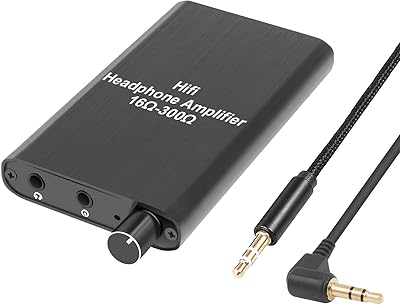
The YGiTK ZP-THP60 Portable Headphone Amplifier is a wired-only, budget-tier device aimed at everyday listeners who feel their phone or tablet just isn't pushing their headphones hard enough. Before anything else, it's worth being clear: this is a purely analog 3.5mm amp — no Bluetooth, no DAC, no digital input of any kind. If that's what you're searching for, look elsewhere. What it does offer is a surprisingly solid aluminum build that feels more considered than the price suggests, along with a straightforward solution to a real frustration: weak headphone outputs on modern devices that have quietly deprioritized audio quality.
Features & Benefits

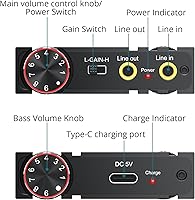
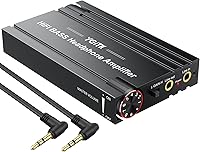
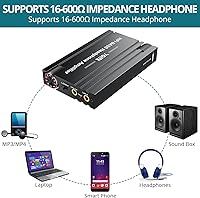
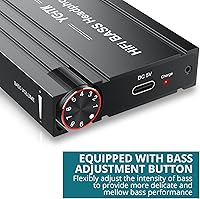
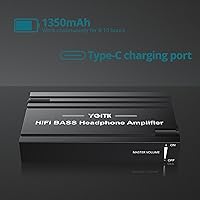
The ZP-THP60 covers an impedance range of 16 to 600 ohms, which in theory spans everything from sensitive in-ears to harder-to-drive over-ear cans. In practice, the real value shows up with headphones in the 150Ω-and-above range, where a phone output stage typically starts to strain. There is a dedicated bass boost knob and a gain switch for hands-on tone control — more useful than it sounds if you prefer a fuller low end without swapping gear. Battery life sits at 8 to 10 hours from a 1,350mAh cell, and the shielded aluminum chassis helps keep interference low during normal use.

Best For

This headphone amp earns its place most clearly in the hands of someone running high-impedance headphones from a phone, tablet, or aging MP3 player and wondering why the volume feels thin or flat. It also suits commuters or students who want a tactile bass boost without buying different headphones entirely. That said, it is not the right pick for serious listeners expecting a neutral, transparent sound — the bass knob and the nature of budget analog circuitry will color the output. Think of the ZP-THP60 as a fun starter amp, not an audiophile reference tool.

User Feedback

With around 115 ratings averaging 4.1 stars, buyer reception is generally positive but restrained. Most praise centers on noticeable volume improvement over a phone headphone jack and the build quality relative to the price. A handful of buyers specifically mention it helping with higher-impedance headphones. On the flip side, some users report a faint hiss at low volumes, and channel imbalance at the low end of the volume knob is an occasional complaint. Worth noting: the brand openly warns against using it while charging, since power interference can introduce audible noise — a real-world limitation buyers should factor in before purchasing.

Pros

  • Drives high-impedance headphones noticeably louder and fuller than a phone or tablet jack alone.
  • Aluminum build feels genuinely premium and holds up well to daily bag use.
  • Physical bass boost knob offers quick, intuitive low-end adjustment without app dependency.
  • Switchable gain stage makes this portable amp adaptable to both sensitive earbuds and demanding over-ear cans.
  • Battery life comfortably covers a full workday of listening under normal conditions.
  • Included 3.5mm cable means you can connect and start listening right out of the box.
  • Broad device compatibility covers phones, tablets, laptops, MP3 players, and even gaming controllers.
  • Shielded chassis keeps interference low during regular wired use away from a power source.
  • Compact enough to sit flat on a desk or slip into a jacket pocket for commuting.

Cons

  • Cannot be safely used during charging — power interference creates audible buzzing noise.
  • Channel imbalance at low volume settings is a recurring complaint, especially with sensitive IEMs.
  • Hiss is noticeable with low-impedance, high-sensitivity in-ear monitors in quiet environments.
  • Bass boost is broad and blunt — useful for casual listening but too imprecise for critical ears.
  • No DAC, no digital input, no Bluetooth — purely analog, which limits pairing options on modern devices.
  • Knobs sit close together on the chassis, making fine adjustments fiddly during movement.
  • The finish scratches relatively easily with regular pocket or bag carry.
  • Gain switch offers only modest separation between settings, leaving some users unsure of the optimal position.
  • Unit-to-unit consistency appears variable, with occasional wobble reported in the control knobs.

Ratings

The YGiTK ZP-THP60 Portable Headphone Amplifier has been scored by our AI system after analyzing verified buyer reviews from global markets, with spam, bot-generated, and incentivized feedback actively filtered out. Ratings reflect the honest balance of what real users genuinely praised and where they ran into frustration. Both the strengths and the recurring pain points are transparently baked into every score below.
Sound Improvement Over Phone Output
78%
22%
Most buyers noticed a clear, tangible step up in volume and body when connecting higher-impedance headphones through this amp versus a phone jack alone. For listeners using 150Ω or 250Ω headphones on a tablet or older DAP, the difference is described as immediately obvious, especially at moderate listening volumes.
Users with sensitive, low-impedance earbuds reported more modest gains and, in some cases, a slightly noisier floor than their phone delivered on its own. The improvement is real but context-dependent — it is not a universal upgrade for every headphone type.
Bass Boost Performance
72%
28%
The dedicated bass knob genuinely adds warmth and low-end weight, which casual listeners found satisfying for genres like hip-hop, electronic, and pop. Being able to dial it in physically rather than through a software EQ feels more intuitive for on-the-go use.
At higher boost settings the low end can tip into bloat, muddying the midrange in busy mixes. Audiophile-leaning buyers found the bass character too blunt and broad to be musically useful, describing it as quantity over quality.
Build Quality
81%
19%
The aluminum enclosure genuinely punches above what buyers expect at this price tier. It feels rigid in hand, the knobs have satisfying resistance, and there is no chassis flex or rattling — qualities that surprised a meaningful portion of reviewers who expected cheap plastic.
The knobs, while tactile, show minor tolerancing inconsistencies unit to unit, with a few buyers noting slight wobble. The multi-stripe finish also attracted scratches faster than expected during regular bag or pocket carry.
Portability & Form Factor
83%
At just under 8 ounces and with a slim profile, the ZP-THP60 tucks into a jacket pocket or small bag without much fuss. The included 3.5mm cable means buyers can connect and start listening right out of the box, which commuters and students specifically appreciated.
It is not pocketable in the same way a truly compact dongle amp is — the form factor is better suited to a bag than a pants pocket. The cable connection adds a dangling element that some users found awkward during movement.
Battery Life
76%
24%
In real-world use, most buyers got close to the claimed 8-to-10 hour range under moderate volume conditions, which covers a full workday of desk listening or several commutes without needing to recharge. That runtime is genuinely competitive for an amp in this category.
A recurring complaint is that the device cannot be safely used while charging without risking audible interference noise — something YGiTK themselves acknowledge. This limitation makes the battery life feel more critical, since topping up mid-session is not a clean option.
Noise Floor & Hiss
61%
39%
With efficient, transparent headphones in the mid-impedance range, many users reported a respectably quiet background — not zero noise, but inoffensive enough that it disappeared once music started playing at normal volumes.
With sensitive in-ear monitors, a faint but noticeable hiss at low volumes was a consistent complaint, particularly in quiet environments like offices or late-night listening. The specs claim a strong SNR, but the real-world experience with sensitive IEMs does not always reflect that.
Gain Switch Usefulness
69%
31%
Having a switchable gain stage is a thoughtful inclusion that lets users match the amp's output to their specific headphone sensitivity without cranking the volume knob to uncomfortable positions. Buyers with both IEMs and over-ear cans found it a useful practical tool.
The difference between gain settings is noticeable but not dramatically separated, leaving some users unsure which position was actually optimal for their gear. There are no labeling cues beyond the switch itself, which adds a minor learning curve.
Channel Balance at Low Volumes
54%
46%
At moderate-to-high volume settings the stereo image is reasonably centered and stable, which is adequate for casual listening where minor imbalances go unnoticed in a busy commute or background music scenario.
Channel imbalance at the low end of the volume pot is a repeated complaint — the left channel tends to appear slightly louder before both channels fully engage. For quiet late-night listening or with sensitive IEMs, this is a genuinely frustrating limitation.
Compatibility Range
79%
21%
The 16-to-600 ohm rated range covers the vast majority of consumer headphones, and buyers confirmed it worked reliably with phones, tablets, laptops, and even PS4 controllers that have a 3.5mm output. Plug-and-play behavior with no driver installation needed was widely appreciated.
There is no digital input and no DAC stage, so buyers using devices that have already dropped the 3.5mm jack will need a separate adapter. Users expecting Bluetooth or USB-C digital connectivity will find the analog-only approach limiting.
Value for Money
82%
18%
For buyers who simply needed more volume and a bit of extra warmth from their existing headphones without spending serious money, this amp delivers a justifiable return on investment. The build alone makes most buyers feel they got more than they paid for.
Buyers who stretched their expectations toward audiophile transparency or pristine signal clarity came away disappointed. The value is real, but only if the buyer's expectations are properly calibrated to what a budget analog amp can realistically deliver.
Charging Experience
58%
42%
USB charging is straightforward, and the battery fills up at a reasonable pace that does not require lengthy overnight sessions before heading out. Most buyers had no complaints about the charging process itself when done at rest.
The strict no-use-while-charging limitation is a practical inconvenience that feels like a design shortcoming rather than a minor quirk. Users who forgot and plugged in mid-session reported a persistent buzzing noise that required unplugging to resolve.
Controls & Usability
74%
26%
Three physical controls — volume, bass, and gain — cover everything most casual listeners need without overcomplicating the interface. The layout is intuitive enough that most buyers figured it out without consulting any documentation.
The knobs are positioned close together on a small chassis, making fine adjustments slightly fiddly, especially when wearing gloves or handling the unit in a moving vehicle. There is also no power indicator light visible in all lighting conditions.
Thermal Management
71%
29%
During typical 2-to-3 hour listening sessions the chassis stays at a comfortable warmth, never reaching an alarming temperature. The aluminum body does appear to dissipate heat more effectively than a plastic enclosure would at this output level.
Extended high-volume sessions with demanding headphones push the chassis to a noticeably warm state that some users flagged as slightly uncomfortable to hold. It is not a safety concern, but it is a tactile reminder of the hardware working at its limits.

Suitable for:

The YGiTK ZP-THP60 Portable Headphone Amplifier is a solid pick for anyone who owns a pair of high-impedance headphones — think 150Ω and above — and feels perpetually let down by how thin or quiet they sound when plugged directly into a phone or tablet. Students and commuters who want a meaningful audio upgrade without committing to an expensive dedicated DAC or audio stack will find it fits naturally into a daily bag routine. It also makes sense for anyone using older portable media players or DAPs with weak output stages, where a clean analog boost is all that's needed to unlock the full potential of their gear. Casual listeners who just want more warmth and low-end punch from their existing headphones — without touching an EQ app or buying new cans — will appreciate the physical bass boost knob for its simplicity. If your expectations are calibrated correctly and you understand this is a wired, analog-only device, this headphone amp delivers real value in a compact, well-built package.
Not suitable for:

The YGiTK ZP-THP60 Portable Headphone Amplifier is a poor match for anyone expecting studio-grade transparency or audiophile-level signal neutrality — the budget analog circuitry and bass boost controls introduce coloration that serious listeners will find difficult to ignore. If you use sensitive in-ear monitors, you may actually end up with a worse experience than your phone provided directly, since low-impedance IEMs tend to surface the amp's noise floor and any channel imbalance at lower volumes. Buyers who need Bluetooth connectivity, a USB-C digital input, or a built-in DAC stage should stop here and budget for a different class of device entirely — this amp does not address any of those needs. Anyone who regularly listens while their device is charging will also find the workflow frustrating, since using this amp during a charge cycle introduces audible interference noise — a limitation acknowledged by the brand itself. Finally, if you're looking for a plug-and-forget solution that disappears into your setup, the added cable and the need to manage a separate battery may feel like more friction than the sonic improvement justifies.
Specifications

  • Brand & Model: Manufactured by YGiTK under the model designation ZP-THP60-Gamma4A.
  • Impedance Range: Supports headphones with an impedance rating between 16Ω and 600Ω, covering most consumer and semi-professional headphone types.
  • Connection Type: Fully analog signal path using a 3.5mm stereo audio input and a separate 3.5mm stereo output — no digital input, DAC, or Bluetooth.
  • Signal-to-Noise Ratio: Rated SNR exceeds 100dB, which on paper indicates a low background noise floor relative to the output signal.
  • Distortion: Total harmonic distortion plus noise (THD+N) is specified at 0.0003%, suggesting minimal signal degradation under rated conditions.
  • Battery Capacity: Powered by an internal 1,350mAh rechargeable lithium-ion polymer cell, which is not user-replaceable.
  • Battery Life: Rated for approximately 8 to 10 hours of continuous playback per full charge under typical listening conditions.
  • Charging: Charges via USB; the manufacturer explicitly advises against using the amplifier while it is connected to a charger due to potential interference noise.
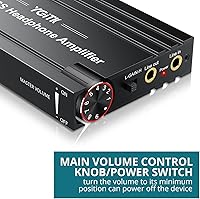
  • Controls: Features three physical controls: a volume knob, a dedicated bass boost knob, and a gain switch for matching output to headphone sensitivity.
  • Housing Material: Chassis is constructed from shielded aluminum alloy, chosen for RF interference reduction, heat dissipation, and structural rigidity.
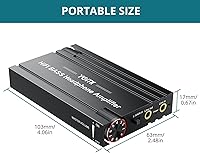
  • Dimensions: Measures 6.26 x 4.8 x 0.79 inches (approximately 159 x 122 x 20mm), making it slim enough for bag carry.
  • Weight: Weighs 7.8 ounces (approximately 221 grams) including the internal battery.
  • Bluetooth: Does not support Bluetooth or any wireless audio transmission in any form.
  • Compatible Devices: Works with any source device featuring a 3.5mm analog output, including smartphones, tablets, laptops, MP3/MP4 players, and PS4/PS5 controllers.
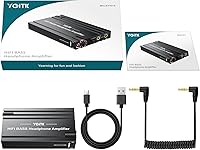
  • Included Accessories: Ships with one 3.5mm stereo audio cable for connecting the amp to a source device.
  • Water Resistance: Not rated for water or moisture resistance — the device should be kept away from rain, humidity, and liquids.
  • Frequency Response: Upper frequency response is specified at 20kHz (20,000Hz), which covers the standard range of human hearing.
  • Power Source: Runs entirely on its internal rechargeable battery; there is no wired pass-through power mode available during active listening.

Related Reviews
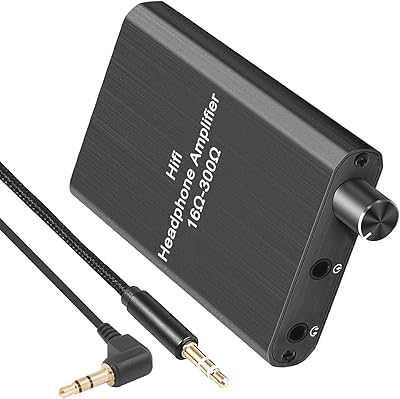
Oneme Portable Headphone Amplifier
85%
88%
Sound Quality
93%
Battery Life
91%
Portability & Weight
85%
Build Quality
87%
Ease of Use
More
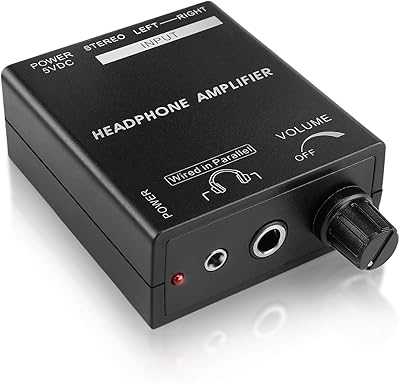
TNP Products AMP_A1343 Headphone Amplifier
77%
88%
Value for Money
71%
Audio Performance
66%
Build Quality
94%
Ease of Setup
83%
Input Flexibility
More
Neoteck NTK059 Headphone Amplifier
78%
83%
Audio Clarity
88%
Gain Switch Utility
79%
Build Quality
93%
Portability
86%
Battery Life
More
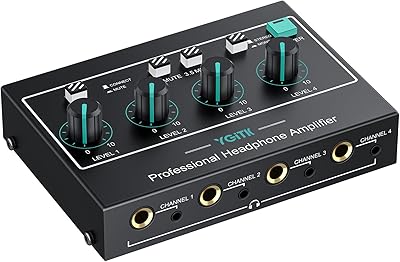
YGiTK KTYDAC152 4-Channel Headphone Amplifier
82%
91%
Value for Money
93%
Ease of Setup
94%
Per-Channel Volume Control
88%
Input Flexibility & Mixing
77%
Build Quality
More
LVY A010 Portable Headphone Amplifier
81%
83%
Sound Quality Improvement
91%
Portability & Form Factor
61%
Build Quality & Materials
86%
Gain Switch Effectiveness
88%
Battery Life
More
FiiO KA15
FiiO KA15
84%
93%
Sound Quality
91%
Output Power
82%
Battery Impact & Power Management
74%
EQ & App Experience
78%
Build Quality
More
HiBy FC4
HiBy FC4
81%
91%
Sound Quality
93%
Balanced Output Performance
86%
Driving Power
74%
MQA Decoding
89%
Hi-Res Format Support
More
FiiO Q3 MQA Portable DAC Headphone Amplifier
87%
94%
Sound Quality
91%
Battery Life (AUX)
87%
Build Quality
89%
Portability & Size
88%
Compatibility
More
Questyle M15C
Questyle M15C
82%
91%
Sound Clarity
93%
Noise Floor
86%
Balanced Output Quality
83%
Build Quality
88%
Portability & Form Factor
More
Pyle PHA40 4-Channel Portable Stereo Headphone Amplifier
85%
87%
Performance
92%
Portability
72%
Build Quality
90%
Audio Quality
89%
Ease of Use
More

FAQ

Yes, noticeably so — particularly if your headphones are 100Ω or higher. Most phones have weak output stages that struggle to drive higher-impedance cans to satisfying volumes, and inserting this headphone amp in between gives you a clean boost. If you use low-impedance earbuds that are already easy to drive, the difference will be more subtle.

It can, but you will need a separate Lightning-to-3.5mm adapter (or USB-C-to-3.5mm adapter for Android). The amp itself only has a standard 3.5mm input, so the adapter handles the conversion before the signal reaches this device. Just be aware that the adapter quality can affect the overall result.

This is one of the more common complaints from buyers using high-sensitivity, low-impedance IEMs. A faint background hiss is audible in quiet environments, particularly at low volume settings. It is less problematic with over-ear headphones in the 100Ω-and-above range, where the noise floor becomes less perceptible once music is playing.

Technically you can connect it to a charger and use it simultaneously, but the manufacturer themselves advise against it — and for good reason. Many users have confirmed that charging introduces a persistent buzzing or humming noise into the audio signal. The safest approach is to charge it fully while not in use, then unplug before listening.

It makes a real, audible difference — probably more than some buyers expect. The low end gets noticeably fuller and warmer as you turn it up. The caveat is that the boost is fairly broad and not particularly precise, so at higher settings it can bleed into the midrange. For casual listening it works well; for critical listening it may feel heavy-handed.

The gain switch adjusts the overall amplification level to better match your headphone's sensitivity. Low gain is generally better for sensitive, easy-to-drive headphones and IEMs, while high gain suits harder-to-drive, high-impedance cans. If your volume knob barely moves before things get loud, switch to low gain. If you are maxing the knob and still want more, try high gain.

Yes, as long as your controller has a 3.5mm headphone jack — which both PS4 and PS5 DualSense controllers do. You connect the amp's output into the controller jack and your source device into the amp's input. It works, though the practical benefit depends on which headphones you are using.

There is no official charge time specified, but based on the 1,350mAh battery capacity and typical micro-USB or USB-A charging speeds, expect roughly 1.5 to 2.5 hours for a full charge from empty. The device does not support fast charging, so a standard USB port or wall adapter is the practical way to charge it.

Most buyers are pleasantly surprised — the aluminum shell feels more substantial than the price suggests, and there is no flex or rattle in normal use. The knobs have decent resistance and feel deliberate rather than flimsy. It is not a precision-machined piece of equipment, but it holds up well for daily bag or desk use.

If you use sensitive in-ear monitors as your primary listening gear, you will likely run into noise floor and channel balance issues that undercut the experience. If you need a DAC, Bluetooth connectivity, or a USB-C digital input, this portable amp does not offer any of that. And if your goal is a completely transparent, neutral signal chain for mixing or critical listening, the budget circuitry and colored bass character here will not satisfy those expectations.