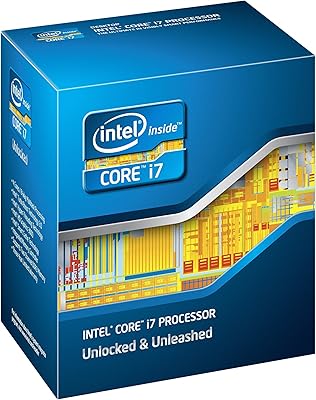

Overview

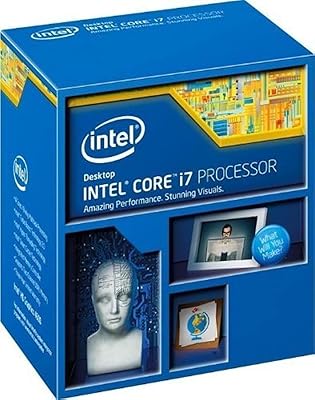
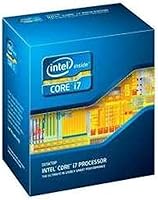
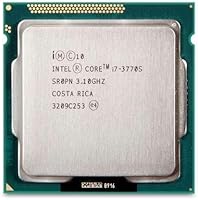
The Intel Core i7-3770S 3.1GHz Processor is a well-rounded solution for users seeking a reliable, energy-efficient desktop CPU. With a base clock speed of 3.1GHz, this processor offers a solid balance of speed and performance for multitasking and light to mid-range workloads. Featuring 4 cores and an 8MB cache, it is compatible with LGA 1155 motherboards and supports DDR3 SDRAM. While not the latest model, this Intel processor remains a competitive choice for systems that need reliable computing power without draining excessive energy.

Features & Benefits

One of the standout features of the i7-3770S is its low TDP of 65W, making it ideal for systems that prioritize energy efficiency. The 3.1GHz clock speed delivers strong performance for everyday tasks and some light gaming. Additionally, Hyper-Threading technology allows each core to handle two threads, improving overall performance for multi-core tasks. Users will appreciate the balanced performance this processor offers, ensuring efficient multitasking and minimal heat generation. Whether you're working with multiple applications or running medium-load tasks, the i7-3770S provides smooth, responsive performance.

Best For

The Intel Core i7-3770S is best suited for users who need reliable performance without going for the latest high-end chips. Casual gamers and those doing light content creation will find it a great fit for their setups. Its energy efficiency also makes it an excellent choice for users looking to upgrade older systems without the need for a full rebuild. It's particularly useful for individuals with older LGA 1155 motherboards who want an affordable yet capable processor to extend the life of their desktop.

User Feedback

Users generally praise the Intel Core i7-3770S for its reliable performance and energy efficiency, with many noting that it offers good value for its price. The low power consumption is frequently highlighted as a major benefit, especially for those upgrading from older processors. However, some users have pointed out that while it handles light gaming and multitasking well, it may struggle with more demanding applications. Additionally, users upgrading older systems appreciate the smooth upgrade path without the need for a complete overhaul, although some note that it doesn't quite match the raw power of newer models.

Pros

  • This processor offers solid performance for everyday computing and multitasking.
  • Energy-efficient with a low TDP of 65W, making it ideal for power-conscious users.
  • Its 3.1GHz clock speed ensures fast processing and responsiveness for standard workloads.
  • Hyper-Threading improves multi-core performance, making it a good option for light content creation.
  • The processor is a great upgrade choice for older systems with LGA 1155 motherboards.
  • Ideal for mid-range gaming setups, handling most casual games with ease.

Cons

  • Not suitable for heavy workloads like 4K video editing or high-end gaming.
  • Some users report that it struggles with more demanding applications and multitasking at the highest level.
  • Lacks the latest architectural features, limiting future-proofing for advanced tasks.
  • Performance may fall short for users looking for a top-tier processor for intensive use.
  • Not designed for users who require overclocking capabilities or the highest raw power.
  • Could be underwhelming for users expecting better multi-threaded performance in heavy workloads.

Ratings

After analyzing verified user reviews worldwide, across multiple languages and platforms, we’ve gathered an insightful and balanced overview of the Intel Core i7-3770S 3.1GHz Processor. All spam, bot-generated, incentivized, and duplicate reviews have been filtered out to ensure that only authentic feedback contributes to the results. Both the product's strengths and pain points are reflected in these scores, offering you a comprehensive view of its real-world performance across a wide range of users and use cases.

Performance
88%
Many users praise the solid performance of this Intel processor, especially when handling everyday tasks and multitasking. It delivers a smooth experience even with multiple applications running simultaneously, making it a reliable choice for most desktop setups.
A few users feel that while the processor performs well for most applications, it shows limitations with more demanding tasks like high-end gaming or intensive video editing. Some noted that more recent processors in the same price range offer better raw power.
Energy Efficiency
92%
One of the standout features of this processor is its low TDP of 65W, which results in lower power consumption compared to many alternatives. Users particularly appreciate how it keeps energy costs down without sacrificing performance.
A small number of users have mentioned that while the power consumption is low, the performance can sometimes lag behind higher TDP processors in very demanding use cases, though this is more noticeable in niche applications.
Gaming Performance
81%
19%
Several users have found this processor sufficient for mid-range gaming setups. It handles many popular titles at decent settings and offers smooth performance for gaming at 1080p resolution without bottlenecking.
However, some buyers have pointed out that this chip struggles with more demanding games or higher settings, with noticeable drops in frame rates compared to more modern CPUs. It’s not ideal for those seeking top-tier gaming performance.
Multi-core Performance
85%
The hyper-threading feature and 4-core configuration provide a significant boost in multi-core tasks, such as video editing and software development. Many users report that this processor handles multi-threaded applications with ease, providing efficient performance.
While the multi-core performance is solid, a few users note that for heavy-duty workloads or professional-grade software, the processor can feel a bit dated compared to newer multi-core processors with higher clock speeds and more cores.
Compatibility with Older Systems
90%
This processor is a great choice for users looking to upgrade older systems, especially those with LGA 1155 motherboards. Its compatibility with DDR3 memory makes it an easy drop-in replacement for previous generations, offering a significant performance boost without needing a full system overhaul.
A handful of users have reported issues with motherboard compatibility, especially with older BIOS versions that may not fully support this processor's features, requiring an update before installation.
Heat & Noise Management
80%
20%
Many users have found this processor to be relatively quiet and efficient in terms of heat management, especially when paired with aftermarket cooling solutions. It doesn’t require excessive cooling even under moderate loads.
However, some users have noted that under sustained heavy use, the processor can generate noticeable heat, particularly in smaller cases or poorly ventilated systems. Additional cooling may be necessary for more demanding environments.
Ease of Upgrade
89%
Upgrading to this processor is generally straightforward, especially for those with LGA 1155 boards. It provides a solid performance bump without the need to overhaul the entire system, making it an ideal choice for users on a budget looking to extend the life of their existing desktop.
Some users have mentioned that while the upgrade is easy, it might not provide a substantial performance leap if they’re coming from a similarly dated CPU, which could make the upgrade feel less impactful in certain scenarios.
Reliability & Durability
86%
Users consistently report that this processor is reliable for long-term use, with few issues related to stability. It’s built on Intel’s proven Ivy Bridge architecture, which has stood the test of time for most desktop users.
However, some buyers have raised concerns about the long-term performance of the processor as newer software demands higher processing power. For users hoping for longevity in more demanding applications, the chip might eventually fall short.
Price-to-Value Ratio
91%
At its price point, this Intel processor offers excellent value for users looking for a solid upgrade without breaking the bank. The balance of performance and energy efficiency makes it a popular choice for users on a budget who still want good performance.
A few users have noted that while the processor offers good value, there are some newer options on the market that deliver better performance for only a slightly higher price. Those seeking cutting-edge performance may want to consider newer models.
Processing Speed
87%
The 3.1GHz clock speed of this processor allows it to handle most daily tasks with ease. Users appreciate the responsiveness when opening programs or switching between applications, making it ideal for regular office work or light media creation.
Some users report that the processing speed, while adequate, falls behind newer chips, particularly when dealing with more intensive applications like large-scale data processing or high-end gaming.
Overclocking Potential
65%
35%
For users who enjoy pushing their systems further, this processor’s overclocking potential is a bonus. While it’s not as high as some higher-end models, it still allows for moderate tweaks and boosts.
However, many users felt disappointed with its limited overclocking potential. The processor is not as flexible as newer Intel models, especially those with unlocked multipliers, leading to frustration for users hoping to extract more performance from it.
Software & Driver Support
75%
25%
The processor benefits from solid software and driver support from Intel, ensuring a smooth experience for users who rely on official updates and patches. It integrates well with existing systems and software environments.
A few users have pointed out that some of the software optimizations seem outdated, and there have been instances where newer programs or updates have required manual adjustments or additional driver support to function properly.

Suitable for:

The Intel Core i7-3770S 3.1GHz Processor is ideal for users seeking a reliable upgrade for their older desktop systems, especially those with LGA 1155 motherboards. It delivers solid performance for everyday computing, multitasking, and mid-range gaming, making it a great choice for students, professionals, or home users on a budget who need a powerful yet energy-efficient processor. Those upgrading from older Intel chips will notice a significant improvement in speed and responsiveness, particularly in office work, light content creation, and casual gaming. The low TDP of 65W also makes it suitable for users who prioritize energy efficiency without compromising essential performance.

Not suitable for:

This processor is not the best choice for users who require cutting-edge performance, especially in resource-heavy tasks like 4K video editing, 3D rendering, or high-end gaming. Enthusiasts looking to push their system to its limits or those requiring top-tier performance may find it lacking, as the i7-3770S struggles with more demanding applications. While it’s a solid upgrade for older systems, users with newer platforms or those seeking future-proof performance might want to explore newer processors with higher core counts and improved clock speeds. Additionally, those who prioritize overclocking flexibility may find this processor’s capabilities limiting.

Specifications

  • Processor Speed: The processor runs at a base clock speed of 3.1GHz, providing fast processing for a variety of tasks.
  • Core Count: This processor features 4 cores, enabling efficient multitasking and balanced performance.
  • Cache Size: It includes 8MB of cache, which helps to speed up data retrieval and improve overall performance.
  • Socket Type: The processor is compatible with the LGA 1155 socket, making it suitable for motherboards that support this interface.
  • TDP: The thermal design power (TDP) is 65W, contributing to lower energy consumption and reduced heat output.
  • Memory Support: It supports DDR3 SDRAM, offering compatibility with a wide range of memory configurations.
  • Hyper-Threading: Hyper-Threading technology enables the processor to handle two threads per core, enhancing performance in multi-threaded tasks.
  • Architecture: The processor is built on the Ivy Bridge architecture, offering improvements in power efficiency and performance over previous generations.
  • Manufacturing Process: It is manufactured using a 22nm process, contributing to its energy efficiency and overall performance.
  • Launch Date: The Intel Core i7-3770S was launched in April 2012, targeting users looking for a solid upgrade from older processors.
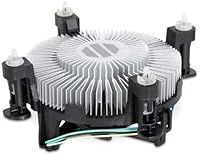
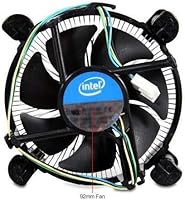
  • Package Type: The processor comes in a boxed package, which includes the processor and a cooler.
  • Clock Speed Boost: The processor features a Turbo Boost technology that can automatically increase the clock speed under heavy load for enhanced performance.
  • Energy Efficiency: With a 65W TDP, this processor delivers good performance while keeping power consumption and heat output relatively low.
  • Multi-Core Performance: Thanks to its 4 cores and Hyper-Threading support, it performs well in multi-tasking scenarios and applications that take advantage of multiple cores.
  • Compatibility: The processor is compatible with older systems using the LGA 1155 socket, making it a suitable upgrade for older Intel systems.
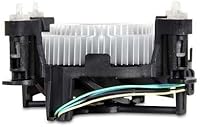
  • Cooling Solution: The boxed package includes a stock cooler designed to handle the thermal output of the processor, though users may opt for aftermarket solutions for improved cooling.

FAQ

The Intel Core i7-3770S 3.1GHz Processor features 4 cores, an 8MB cache, and a base clock speed of 3.1GHz. It offers Hyper-Threading technology for better multitasking performance, and a low 65W TDP for energy efficiency, making it a good choice for mid-range gaming and multitasking setups.

The i7-3770S is compatible with motherboards that have an LGA 1155 socket. If your motherboard supports this socket and DDR3 SDRAM, you should be able to use this processor without any issues. Check your motherboard’s specifications for compatibility before purchasing.

Yes, this processor is suitable for mid-range gaming. It provides solid performance for most modern games at medium to high settings, though it might not perform as well in demanding AAA titles compared to newer processors. It's a great option for casual to moderate gaming.

Hyper-Threading allows the processor to handle multiple threads per core, which improves multi-tasking and performance in applications that can utilize multiple threads, such as video editing, rendering, and some modern games. This can help the i7-3770S maintain strong performance in demanding tasks.

The TDP of the Intel Core i7-3770S is 65W. TDP (Thermal Design Power) indicates the amount of heat the processor generates under full load, and a lower TDP typically means less heat and energy consumption. This makes the i7-3770S an excellent choice for users who want efficient power use without high energy costs or excessive cooling needs.

Installation is relatively straightforward if you're familiar with installing processors. Simply ensure your motherboard supports the LGA 1155 socket, apply thermal paste, and carefully place the processor in the socket. For users who haven't installed processors before, it's advisable to consult a professional or follow detailed guides.

The i7-3770S is not designed for overclocking. It is a 'S' series processor with a locked multiplier, meaning it operates at its base clock speed of 3.1GHz. If you're looking for overclocking capabilities, you might want to consider an unlocked K-series processor instead.

Yes, this processor supports DDR3 SDRAM. It works with memory speeds up to 1600MHz, which is typical for many systems that use the LGA 1155 socket. Make sure your motherboard is compatible with DDR3 to ensure smooth performance.

The i7-3770S is an excellent choice for upgrading older systems that use the LGA 1155 socket. It offers a significant performance boost over earlier processors, especially in multi-threaded tasks, while consuming less power. Users can achieve better processing speeds without having to completely replace their system.

While the i7-3770S is a solid choice for most users, it might not be suitable for those looking for cutting-edge performance in tasks like 4K video editing or high-end gaming. Its relatively older architecture means that it may lag behind newer processors in performance for the most demanding applications.