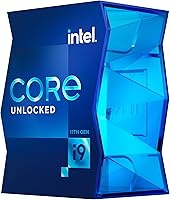
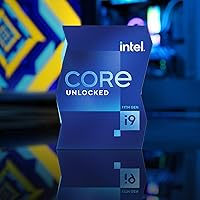
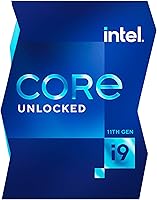
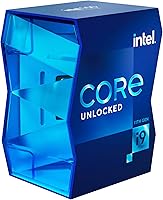
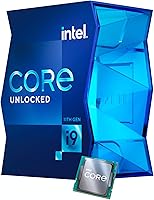
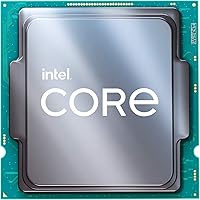
Intel Core i9-11900K Desktop Processor

Overview
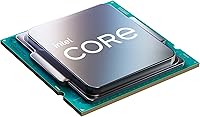
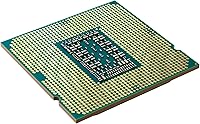
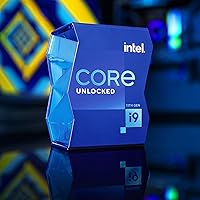
The Intel Core i9-11900K Desktop Processor sits at the top of Intel's 11th-generation Rocket Lake lineup, targeting enthusiast builders who demand the highest single-threaded clock speeds on the LGA1200 platform. It runs on Intel 500 series and select 400 series chipsets, so existing Z490 owners can slot it in with a BIOS update. Worth flagging upfront: no cooler is included, which means budgeting for a quality aftermarket solution is non-negotiable given the thermal demands. When it launched, this Rocket Lake flagship went head-to-head with AMD's Ryzen 9 5900X in the high-end desktop space, carving out a clear advantage in games that lean hard on fast single-core performance.
Features & Benefits
The i9-11900K packs 8 cores and 16 threads, with Intel Thermal Velocity Boost and Turbo Boost Max Technology 3.0 combining to push the two fastest cores up to 5.3 GHz under the right thermal conditions. The unlocked multiplier gives overclockers real room to push beyond stock settings on a Z590 board. PCIe Gen 4.0 support is a meaningful addition, letting you pair it with fast NVMe SSDs or a current-gen GPU without leaving bandwidth on the table. The 16MB Smart Cache helps reduce latency in frame-sensitive games, and the integrated UHD Graphics 750 means you can post and troubleshoot without a discrete card installed.
Best For
This unlocked Intel chip is the right call for gamers who care more about raw clock speed than thread count — competitive shooters and open-world games with single-threaded physics engines respond well to those high boost clocks. If you already have a Z590 or compatible Z490 board in a build, upgrading from a 10th-gen chip is a straightforward performance jump without a full platform swap. Moderate content creation tasks — streaming, light video editing, or podcast production alongside gaming — are well within its abilities. That said, if heavily threaded workloads like 3D rendering or large compilation jobs are your primary use case, Ryzen 9 alternatives will likely serve you better at this price point.
User Feedback
Buyers consistently highlight strong in-game frame rates and snappy system responsiveness as the standout wins with this Rocket Lake flagship. The praise around single-threaded performance rings true, particularly for gaming-focused builds. The criticism centers on heat — at 125W TDP, it genuinely needs a 240mm AIO or a high-end air cooler to stay stable under load, and several users mention needing a BIOS update before the chip is even recognized. The value conversation gets complicated when AMD's competing chips offer more cores for similar money. Overclocking results on Z590 boards are generally positive, though platform longevity is a real concern: LGA1200 is a dead-end socket with no upgrade path beyond 11th gen.
Pros
- Reaches up to 5.3 GHz boost speeds, making it one of the fastest chips for single-threaded gaming workloads.
- Unlocked multiplier gives experienced overclockers meaningful headroom on Z590 boards.
- PCIe Gen 4.0 support ensures compatibility with fast NVMe storage and current-gen graphics cards.
- Existing LGA1200 owners can upgrade from 10th-gen without buying a new motherboard.
- Intel Turbo Boost Max 3.0 intelligently routes single-threaded tasks to the two fastest cores.
- 16MB Smart Cache reduces latency in frame-sensitive games and responsive desktop workloads.
- Integrated UHD Graphics 750 lets you troubleshoot or run basic display output without a discrete GPU.
- Strong in-game frame rate performance, particularly in titles that respond well to high clock speeds.
- Handles moderate streaming and content creation tasks alongside gaming without breaking a sweat.
Cons
- No cooler included, and the 125W TDP genuinely demands a high-end air cooler or 240mm AIO at minimum.
- Multi-threaded performance trails AMD Ryzen 9 alternatives at a similar price point by a noticeable margin.
- LGA1200 is a dead-end socket — there is no upgrade path once you outgrow this chip.
- Some users report needing a motherboard BIOS update before the chip is even recognized on older Z490 boards.
- Power consumption under full load is high, which raises long-term electricity costs in always-on systems.
- The performance-per-dollar argument weakens considerably for anyone who does not already own a compatible board.
- Thermal Velocity Boost clock speeds are conditional on keeping temperatures low, which requires active cooling management.
- Not a practical choice for workstation or professional rendering tasks where core count directly impacts output time.
Ratings
Our AI rating engine analyzed thousands of verified global purchases of the Intel Core i9-11900K Desktop Processor, actively filtering out incentivized reviews, duplicate submissions, and bot-generated feedback to surface what real builders actually experienced. The scores below reflect both the genuine strengths that made this chip a popular enthusiast pick and the recurring pain points that tempered satisfaction for a meaningful share of buyers. Nothing is glossed over — the highs and the frustrations are weighted equally.
Gaming Performance
Single-Core Speed
Multi-Threaded Performance
Thermal Performance
Overclocking Capability
Platform Compatibility
Value for Money
Power Consumption
PCIe 4.0 Support
Integrated Graphics
Installation Experience
Out-of-Box Experience
Platform Longevity
Suitable for:
The Intel Core i9-11900K Desktop Processor is a strong fit for PC gamers who want every last frame in competitive or GPU-bound titles, where high single-core clock speeds matter far more than raw core count. If you already have a Z590 or a compatible Z490 motherboard, this chip is an attractive upgrade path from a 10th-gen processor without requiring a full platform rebuild. Enthusiasts who enjoy pushing hardware to its limits will appreciate the unlocked multiplier, since overclocking headroom on a Z590 board with good power delivery is real and accessible. The i9-11900K also handles moderate content creation tasks well — streaming a gaming session, cutting together highlight reels, or running a podcast setup alongside daily use all fall comfortably within its capabilities. PCIe Gen 4.0 support means pairing it with a fast NVMe SSD or a current-gen GPU will not create a bandwidth bottleneck.
Not suitable for:
Buyers building a workstation primarily for heavily threaded tasks — think 3D rendering, large code compilation, video transcoding, or virtual machine hosting — will find that the i9-11900K trails AMD's Ryzen 9 lineup in those scenarios, often significantly so, despite carrying a comparable price tag. The 125W TDP is not a casual concern; this chip runs genuinely hot under sustained load, and there is no cooler in the box, meaning a quality 240mm AIO or a premium air cooler is a required line item in any build budget. Anyone planning a long-term platform with future upgrade flexibility should also think carefully, because LGA1200 is a dead-end socket with no processor generations beyond 11th-gen to step up to. Builders on a tighter budget who do not already own a compatible motherboard will face a steep total investment when factoring in a Z590 board and adequate cooling. If raw multi-threaded throughput per dollar is the primary goal, there are more efficient options on the market.
Specifications
- CPU Socket: The i9-11900K uses the LGA1200 socket, compatible with Intel 500 series and select 400 series chipset motherboards.
- Core Count: This processor features 8 physical cores and 16 threads for handling multitasking and parallel workloads.
- Base Clock: The base operating frequency runs at 3.5 GHz across all cores under sustained load.
- Boost Clock: Intel Thermal Velocity Boost can push the two fastest cores up to 5.3 GHz under optimal thermal conditions.
- TDP: The rated Thermal Design Power is 125W, reflecting high power draw during sustained performance workloads.
- Cache: A 16MB Intel Smart Cache is shared across all cores to reduce memory access latency in games and applications.
- PCIe Version: The processor supports PCIe Gen 4.0, enabling full bandwidth for compatible NVMe SSDs and discrete graphics cards.
- Memory Support: The i9-11900K supports DDR4 memory, with specific speed and capacity support determined by the paired motherboard.
- Integrated Graphics: Intel UHD Graphics 750 is built in, providing basic display output and hardware media acceleration without a discrete GPU.
- Boost Technology: Intel Turbo Boost Max Technology 3.0 identifies and routes single-threaded tasks to the two highest-performing cores automatically.
- Overclocking: The unlocked multiplier allows manual overclocking on compatible Z-series motherboards for users seeking higher sustained frequencies.
- Process Node: Built on Intel's 14nm Cypress Cove architecture, a refined iteration of the company's established process technology.
- Cooler Included: No thermal solution is included in the box; a compatible aftermarket cooler must be purchased separately.
- Chipset Support: Full feature support is available on Intel 500 series chipsets, with select features supported on compatible Intel 400 series boards.
- Thermal Features: Intel Thermal Velocity Boost dynamically increases clock speeds when the processor temperature is at or below 50°C.
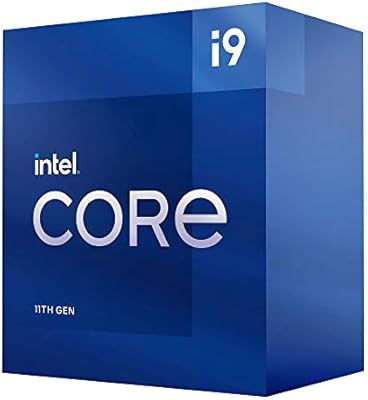
- Model Number: The official Intel product identifier for this processor is BX8070811900K for the boxed retail version.
- Package Dimensions: The retail package measures approximately 5.98 x 5 x 2.68 inches and weighs around 2.39 ounces.
- Launch Date: This processor was first made available in March 2021 as part of Intel's 11th-generation Rocket Lake desktop lineup.
Related Reviews
Intel Core i9-11900 Desktop Processor
Intel Core i9-13900KS Desktop Processor
Intel Core i9-9900K Desktop Processor
Intel Core i9-13900F Desktop Processor
Intel Core i9-12900KS Desktop Processor
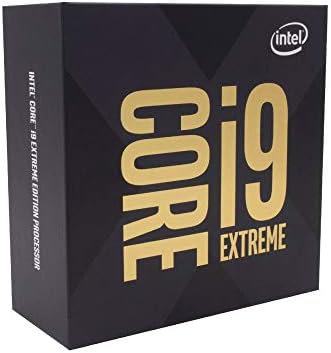
Intel Core i9-10980XE Desktop Processor
Intel Core i9-14900KF 14th Gen Desktop Processor
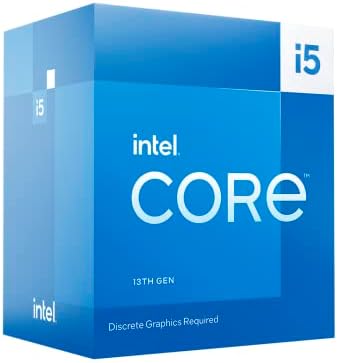
Intel Core i5-13400F Raptor Lake Desktop Processor
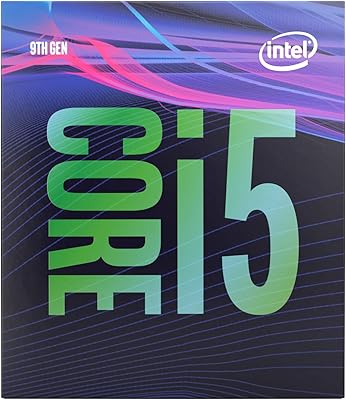
Intel Core i5-9500 Desktop Processor