Overview

The Garmin Edge 1050 GPS Cycling Computer is Garmin's most capable head unit to date, built for serious road and gravel riders who want full-featured navigation and connectivity in a single handlebar-mounted device. The two headline upgrades over previous Edge models are a larger vivid touchscreen and a built-in speaker — both changes that genuinely alter how you interact with the device mid-ride. At this price point, you're in direct competition with the Wahoo ELEMNT Roam and Hammerhead Karoo, and the Edge 1050 holds its own. That said, this is a data-rich machine; riders who rarely look beyond speed and distance will find most of its depth untouched.

Features & Benefits

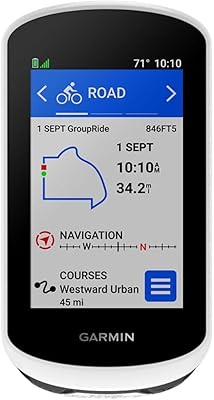
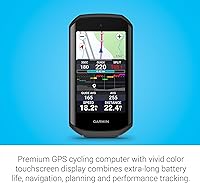
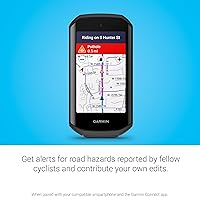
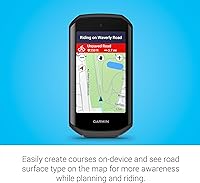
The 3.5-inch touchscreen is the first thing riders notice, and it earns its keep. It reads clearly in direct sunlight, responds well with gloved fingers, and feels far more intuitive than hunting through button menus on older Edge units. The built-in speaker handles turn-by-turn prompts loudly enough to hear over wind noise, and the on-device bike bell is genuinely useful in traffic. Road hazard alerts are crowd-sourced through the Garmin Connect community — practical in densely populated cycling regions, spottier elsewhere. Battery life is a genuine strength: 20 hours of active use covers a century ride with margin, and the 60-hour saver mode makes multi-day touring realistic. On-device course creation and road surface mapping round things out for spontaneous route adjustments.

Best For

This cycling computer fits best in the hands of riders who will actually push its capabilities. Competitive road cyclists and structured gravel riders get the most value — deep training analytics, climb leaderboards, and post-ride awards give ambitious athletes real motivation. Bikepackers and tourers benefit from the long battery life and confident navigation on unfamiliar roads. Riders upgrading from an older Edge unit, like the 830 or 1030 Plus, will find the interface immediately more intuitive. Urban commuters who ride in traffic gain something real here too: incident detection and road hazard warnings add a genuine safety layer that more basic computers simply don't offer. Casual weekend riders, though, may find themselves paying for features they'll rarely use.

User Feedback

Verified buyers consistently highlight touchscreen responsiveness and speaker clarity as standout strengths, with many noting that prompts stay audible even at pace. Build quality draws broad praise — the unit feels appropriately solid for a flagship head unit. On the critical side, some riders report that the screen loses sensitivity in heavy rain, and early buyers flagged occasional software hiccups that subsequent updates addressed. Garmin Pay earns mixed reactions due to limited bank support, which remains a sticking point for some. Most riders upgrading from the 1030 Plus consider the experience gap well worth the price difference, though those stepping up from a budget device may find the overall investment significant.

Pros

  • The 3.5-inch touchscreen is genuinely readable in direct sunlight and responds reliably with gloved fingers.
  • Built-in speaker delivers turn-by-turn navigation prompts loudly enough to hear clearly at riding pace.
  • The on-device bike bell is a practical, underrated safety tool for shared paths and urban riding.
  • Up to 20 hours of battery in standard mode handles long rides comfortably without mid-ride charging anxiety.
  • Battery saver mode stretching to 60 hours makes multi-day bikepacking trips genuinely viable.
  • On-device course creation lets you reroute spontaneously without unlocking your phone mid-ride.
  • Road surface type mapping gives riders useful terrain context when planning or adjusting routes on the fly.
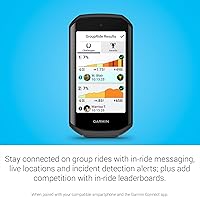
  • Group ride features consolidate messaging, live tracking, and safety alerts into a single device.
  • Build quality is consistently praised by long-term users as solid and confidence-inspiring in rough conditions.
  • Upgraders from older Edge models report the interface improvement feels substantial and immediately intuitive.

Cons

  • Touchscreen sensitivity can degrade noticeably in heavy rain, which is a real concern for year-round riders.
  • Many standout features require a paired smartphone and Garmin Connect, limiting true standalone functionality.
  • Road hazard alerts depend entirely on local Garmin user density and may be nearly empty in less-populated cycling areas.
  • Garmin Pay bank support remains limited, making the contactless payment feature unreliable for a meaningful portion of buyers.
  • Early firmware versions shipped with software bugs that, while largely resolved, frustrated initial buyers.
  • Riders who rarely use training analytics, navigation, or group features will struggle to justify the premium outlay.
  • The Garmin Connect ecosystem dependency can feel restrictive for riders who prefer a platform-agnostic setup.
  • At its weight and size, this cycling computer is noticeably larger than minimalist alternatives preferred by weight-conscious riders.

Ratings

Our AI rating system analyzed thousands of verified global buyer reviews for the Garmin Edge 1050 GPS Cycling Computer, actively filtering out incentivized, duplicate, and bot-generated submissions to surface what real riders actually experience. Scores reflect a transparent synthesis of both strengths and recurring frustrations, weighted by how frequently each theme appeared across independent feedback sources. The result is a balanced, category-by-category breakdown that helps you understand exactly where this head unit excels and where it falls short.

Touchscreen Quality
88%
Riders consistently praise the screen's clarity and color vibrancy in direct sunlight, which is where many cycling displays historically struggle. Gloved finger recognition works reliably in dry conditions, and the overall responsiveness feels noticeably more modern than older button-based Edge units.
A recurring complaint surfaces around wet-weather performance — several users note the screen becomes significantly less responsive in heavy rain, forcing them to rely on physical buttons. This is a real limitation for riders in consistently wet climates who expect the touchscreen to work unconditionally.
Battery Life
91%
The 20-hour standard mode comfortably covers demanding century rides and long gravel events without any mid-ride anxiety about running out of power. The 60-hour saver mode genuinely changes the calculus for multi-day bikepacking routes where charging access is limited.
Battery saver mode does reduce the availability of certain real-time features, which some riders find frustrating when trying to balance endurance with full functionality. A small number of users also noted that heavy GPS and Bluetooth usage during group rides pushed actual runtime closer to 16 hours than the rated 20.
Navigation Accuracy
86%
GPS lock time is generally quick, and route tracking on both road and gravel surfaces earns consistent praise for precision. The addition of road surface type on the map is a meaningful practical upgrade that riders use actively when planning or adjusting routes on the fly.
A subset of early adopters flagged occasional GPS drift in dense urban canyons, though firmware updates appear to have narrowed the issue. On-device course creation works well but can feel slow to process complex routes compared to planning on a desktop or phone.
Built-in Speaker
82%
18%
The speaker is loud enough to deliver turn-by-turn navigation cues clearly at moderate riding speeds, removing the need for earphones on familiar routes. The bike bell function draws surprisingly positive feedback from urban riders who use it practically on mixed-use paths.
At speeds above 25 mph or in headwind conditions, the speaker struggles to cut through ambient noise reliably. A few users noted that workout prompt volume cannot be independently adjusted from navigation volume, which creates a slight usability frustration during structured interval sessions.
Group Ride Features
78%
22%
Live location sharing and in-ride messaging genuinely reduce the need to stop and check phones during group events, which riders appreciate on longer sportives and club rides. Incident detection alerts give ride leaders real peace of mind when a group spreads out across varied terrain.
All of these features require a paired smartphone and an active Garmin Connect connection, which introduces a layer of dependency that some riders find limiting. When connectivity drops in remote areas, the group ride features go dark entirely, leaving the device as a standalone unit with no fallback social functionality.
Road Hazard Alerts
63%
37%
In well-populated cycling corridors and major urban areas, the crowd-sourced hazard alerts provide genuinely useful advance warnings about potholes and road debris that would otherwise go unnoticed. Riders in active Garmin Connect communities report the database updates quickly after new hazards are flagged.
Outside major cycling markets, the alert database is often sparse to the point of being functionally empty, making this feature unreliable for rural riders or those in regions with smaller Garmin user bases. The feature's value is entirely dependent on community density, which Garmin cannot control and does not guarantee.
Build Quality
89%
The physical construction earns broad praise for feeling appropriately premium — the device does not flex or rattle when mounted, and the buttons have a reassuring tactile response. Riders who have used the unit through multiple seasons report that it holds up well to the rigors of daily training use.
A small proportion of users noted minor cosmetic scratching on the screen after extended use without a screen protector, though structural durability complaints are rare. The unit's relatively larger footprint compared to minimalist competitors can feel slightly bulky on smaller handlebars.
Ease of Setup
74%
26%
Riders already in the Garmin ecosystem — with sensors, the Connect app, and an existing Garmin account — find the initial setup and data migration from older Edge units straightforward and quick. Syncing with ANT+ power meters and heart rate monitors is reliably plug-and-play.
First-time Garmin users face a steeper initial learning curve, particularly when configuring data screens, setting up training plans, and connecting to the Connect app for the first time. The depth of customization is genuinely impressive, but it also means the onboarding experience can feel overwhelming without prior context.
Value for Money
71%
29%
Riders who actively use structured training, group connectivity, long-distance navigation, and the speaker functionality tend to feel the asking price is justified when compared feature-for-feature against flagship competitors like the Wahoo ELEMNT Roam or Hammerhead Karoo. The breadth of what the device offers in a single unit does represent a genuine consolidation of tools.
For riders who use only a fraction of the available features, the value equation weakens considerably — paying a flagship price for speed, distance, and heart rate tracking that a much cheaper device could handle equally well is a hard case to make. Several reviewers noted that the price bump over the previous generation felt steep relative to the incremental improvements.
Garmin Pay
54%
46%
When it works, contactless payment at cafe stops and convenience stores during long rides is a genuinely convenient touch that riders who use it regularly appreciate. The NFC implementation is technically reliable at supported terminals once the card is properly configured.
Bank compatibility remains a significant and consistent frustration — a meaningful number of buyers discover after purchase that their bank is not supported, effectively locking them out of the feature entirely. The supported institution list skews toward larger national banks, leaving credit union and regional bank customers with a feature that simply does not function for them.
Data & Analytics Depth
92%
Performance data coverage is genuinely comprehensive, spanning power metrics, training load, recovery time, VO2 max estimates, and climb-specific analytics that serious athletes can act on. Post-ride leaderboards and awards add a layer of motivation that recreational riders also find engaging without requiring a racing background.
The sheer depth of data can feel genuinely intimidating to riders who are newer to training metrics, and the device does little to guide less experienced users toward which numbers actually matter for their goals. Some data fields require compatible third-party sensors to populate, which adds to the total cost of getting full value from the analytics.
Software & Firmware
69%
31%
Garmin's firmware update cadence is active, and the majority of early software bugs reported at launch have been addressed through subsequent updates. The Connect app integration for syncing routes, activities, and settings works reliably once initial setup is complete.
Several buyers flagged stability issues in the first few months after launch, including occasional freezes and one reported issue with data not saving correctly after a ride — frustrating for athletes who rely on every session being logged. Garmin's historical pattern of iterative software fixes is reassuring, but the initial experience was rougher than expected for a flagship release.
Mount & Handlebar Fit
83%
The included flush out-front mount positions the screen at an ideal sight line without excessive vibration on rough roads, and the quarter-turn lock mechanism is quick and secure. Compatibility with the wide ecosystem of third-party mounts means most riders can integrate it into their existing cockpit setup without extra purchases.
The unit's physical size can create a tight fit on bikes with compact cockpit setups or integrated handlebar systems, where clearance around the stem area is limited. A small number of users also noted that the tether, while a sensible safety inclusion, can feel slightly awkward to route cleanly on aero bar setups.
Connectivity Reliability
81%
19%
Bluetooth and ANT+ sensor connections are stable and reconnect automatically at the start of rides without manual intervention, which seasoned cyclists with multiple paired devices particularly appreciate. Wi-Fi syncing to Garmin Connect in the background after a ride works consistently and removes the need to manually trigger uploads.
A subset of users experienced intermittent Bluetooth drops when the paired smartphone was more than a few meters away, which temporarily disabled group ride features mid-outing. USB connectivity for firmware updates and manual data transfer works reliably, but the proprietary cable dependency remains a minor logistical inconvenience on longer trips.

Suitable for:

The Garmin Edge 1050 GPS Cycling Computer is built for riders who treat cycling as a serious pursuit rather than a casual hobby. Competitive road cyclists and structured gravel riders will find the deep training analytics, climb leaderboards, and performance tracking genuinely useful tools — not just background noise. Bikepackers and multi-day tourers benefit significantly from the long battery endurance, confident navigation, and the ability to create and adjust courses directly on the device without stopping to fiddle with a phone. Riders who do regular group rides will appreciate the live location sharing, in-ride messaging, and incident detection that consolidate what would otherwise require multiple devices or apps. Urban cyclists commuting through busy traffic also have real reasons to invest here, since road hazard alerts and incident detection add a practical safety dimension that most cycling computers at any price do not offer. If you are already invested in the Garmin Connect ecosystem and upgrading from an older Edge unit like the 830 or 1030 Plus, the jump in interface quality alone makes the transition feel like a meaningful generational step forward.

Not suitable for:

The Garmin Edge 1050 GPS Cycling Computer is a hard sell for anyone who primarily wants a simple, low-maintenance device to show speed, distance, and heart rate on a weekend spin. The pricing reflects a flagship product loaded with features, and riders who will realistically use only a fraction of those features are paying a steep premium for capabilities that will sit idle. Several of the most compelling selling points — group ride messaging, road hazard alerts, incident detection, and live location sharing — require a paired smartphone and an active Garmin Connect setup, which means the device does not fully stand alone the way simpler computers do. Road hazard alert coverage is also dependent on how many other Garmin users are riding in your area, so riders in rural regions or smaller cycling markets may find that particular feature disappoints in practice. Garmin Pay has meaningful bank compatibility limitations, so if contactless payment at cafe stops is a deciding factor for you, verify your bank is supported before committing. Riders on a tighter budget who want capable navigation without the full flagship price tag will find more practical value elsewhere in Garmin's own lineup or from competitors.

Specifications

  • Screen Size: Features a 3.5-inch vivid color touchscreen display that remains legible in direct sunlight.
  • Input Methods: Supports both touchscreen gestures and physical buttons for full control in any riding conditions.
  • Battery Life: Delivers up to 20 hours in standard mode and up to 60 hours in battery saver mode on a single charge.
  • Dimensions: Measures 4.7 x 2.4 x 0.6 inches, sized for a prominent but practical handlebar presence.
  • Weight: Weighs 5.7 ounces, which is within the expected range for a full-featured flagship cycling computer.
  • Connectivity: Connects via Bluetooth, Wi-Fi, and USB for sensor pairing, app syncing, and data transfer.
  • Audio Output: Includes a built-in speaker that delivers turn-by-turn navigation prompts, workout alerts, and an audible bike bell.
  • Map Coverage: Comes preloaded with North America maps, including road surface type data for route planning awareness.
  • Navigation: Supports on-device course creation and displays road surface types directly on the map while riding.
  • Safety Features: Provides incident detection alerts and crowd-sourced road hazard warnings when paired with a compatible smartphone.
  • Group Ride Tools: Supports in-ride messaging, live location sharing, and climb leaderboards through the Garmin Connect app ecosystem.
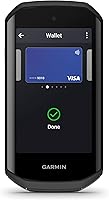
  • Payment Support: Compatible with Garmin Pay contactless payments at supported terminals, subject to participating bank availability.
  • Battery Type: Powered by a built-in rechargeable lithium-ion battery included with the device.
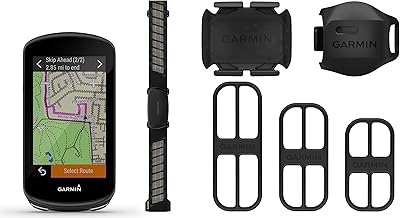
  • In-Box Contents: Includes the cycling computer, flush out-front mount, standard mount, tether, and a charging and data cable.
  • App Ecosystem: Integrates with the Garmin Connect app for performance tracking, route syncing, group ride features, and firmware updates.
  • Model Number: Official model number is 010-02890-00, with ASIN B0D6SBYCVH on Amazon.
  • Availability Date: First became available for purchase in August 2024, establishing it as a current-generation flagship unit.

Related Reviews
Garmin Edge 540 GPS Cycling Computer
81%
93%
GPS Accuracy
89%
Battery Life
86%
Navigation & Mapping
91%
ClimbPro Functionality
74%
Adaptive Coaching & Training Tools
More
Garmin Edge 840 GPS Cycling Computer
79%
93%
GPS Accuracy
88%
Battery Life
91%
ClimbPro Feature
62%
Touchscreen Performance
74%
Adaptive Training Tools
More
Garmin Edge 1040 Solar GPS Bike Computer
80%
93%
GPS Accuracy
88%
Battery Life
71%
Solar Charging
86%
Navigation
84%
Training Analytics
More
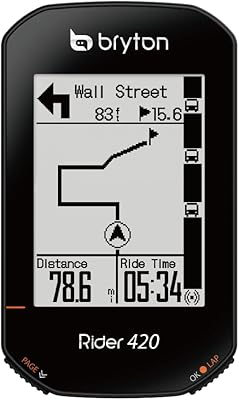
Bryton Rider 420e GPS Cycling Computer
78%
88%
Display Clarity
91%
Battery Life
79%
GPS Accuracy
72%
Navigation & Routing
86%
Sensor Connectivity
More
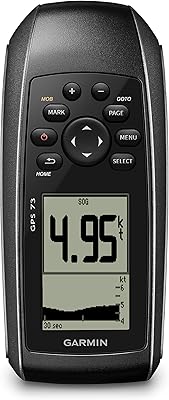
Garmin GPS 73
Garmin GPS 73
80%
93%
Battery Life
88%
SailAssist Features
91%
Build Quality & Durability
54%
Display Quality
82%
Ease of Use
More
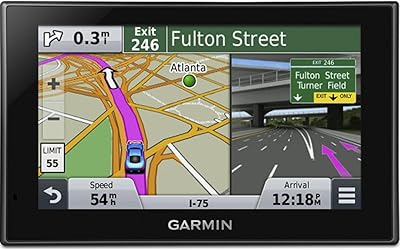
Garmin Nuvi 2689LMT GPS
86%
91%
Ease of Use
94%
Traffic & Map Updates
85%
Bluetooth Connectivity
88%
Voice-Activated Navigation
92%
Display Quality
More
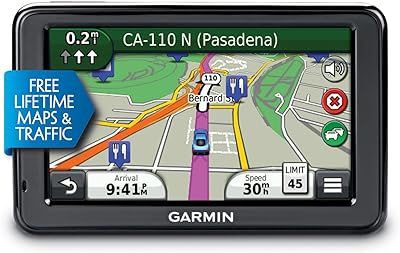
Garmin nüvi 2455LMT Portable GPS Navigator
71%
83%
Navigation Accuracy
78%
Map Coverage & Updates
76%
Ease of Use
74%
Display Quality
81%
Lane Assist & Junction Views
More
Garmin Edge 1030 Plus GPS Cycling Computer
80%
93%
Navigation Accuracy
91%
Display Quality
88%
Battery Life
72%
Touchscreen Usability
89%
Training Features
More
Garmin Edge Explore 2 GPS Cycling Computer
82%
93%
Ease of Setup
91%
Screen Visibility
88%
Navigation Accuracy
84%
eBike Integration
86%
Safety Features
More
Garmin Drive 52 GPS Navigator
73%
91%
Ease of Setup
78%
Map Accuracy
83%
Screen Readability
63%
Refurbished Condition
82%
Value for Money
More

FAQ

For core functions like navigation, GPS tracking, performance metrics, and course following, the Edge 1050 works fully standalone. However, features like road hazard alerts, group ride messaging, live location sharing, and incident detection all require a paired smartphone running the Garmin Connect app to function.

The screen handles light moisture and gloved fingers reasonably well in typical conditions. That said, a number of users have noted that sensitivity can drop in heavy rain, which is worth knowing if you ride year-round in wet climates. Physical buttons remain available as a fallback when the touchscreen becomes less responsive.

Yes, most riders find it audible at a comfortable pace, including in light wind. It handles turn-by-turn navigation prompts and workout alerts clearly. At higher speeds or in stronger headwinds it can get harder to hear, but for typical road or gravel riding it does the job without needing earphones.

The alerts are crowd-sourced from other Garmin Connect users, so their usefulness depends entirely on how many riders are active in your area. In major cycling cities and popular route corridors, the database tends to be reasonably populated. In rural areas or smaller cycling markets, you may find very few alerts have been contributed, making the feature much less reliable.

Yes, it is compatible with the broad ecosystem of ANT+ and Bluetooth sensors, including heart rate monitors, power meters, cadence sensors, and radar units like the Varia. If you already own Garmin accessories, the transition should be straightforward with no need to replace existing hardware.

For most single-day rides, including a long century or a hard 8-hour gravel event, 20 hours in standard mode is sufficient. For multi-day bikepacking with limited charging access, the 60-hour battery saver mode becomes the practical option, though that mode reduces some real-time data functions to preserve power.

You can create courses directly on the device using the touchscreen map, which is one of the more convenient upgrades over older Edge models. It is not as fast as planning on a large phone or computer screen, but it works well enough for spontaneous route adjustments mid-ride without stopping to open an app.

Garmin Pay works at NFC-enabled payment terminals in the same way a contactless card or phone would. The catch is that your bank must be a supported partner — the list has grown over time but still excludes a number of banks, particularly smaller regional or credit union accounts. It is worth checking the Garmin Pay supported banks list before factoring this feature into your buying decision.

The differences are more than cosmetic. The larger, more responsive touchscreen is a meaningful daily improvement, and the built-in speaker adds functionality the 1030 Plus simply does not have. Group ride features and road hazard alerts are also new additions. Whether that justifies the cost depends on how much you use group connectivity features and how often you wished the older unit had a better interface — riders who do find themselves navigating menus frequently tend to feel the upgrade is well justified.

The box includes both a flush out-front mount and a standard mount, so you have options right out of the packaging. It uses Garmin's standard quarter-turn mounting system, which means it is compatible with a wide range of third-party out-front mounts from brands like K-Edge, Wahoo, and Barfly, so existing hardware from an older Edge unit should work fine.

Where to Buy