Overview

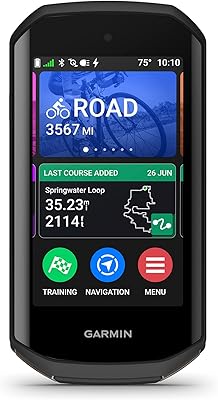
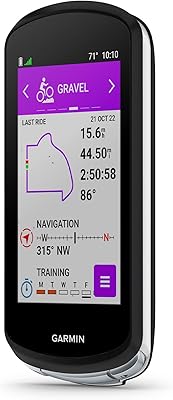
The Garmin Edge Explore 2 GPS Cycling Computer is built for riders who want reliable navigation without wading through menus designed for professional athletes. Where many cycling computers prioritize training data above all else, this cycling navigator takes the opposite approach — put the map front and center, make it easy to read, and get you moving in minutes. The 3″ touchscreen is genuinely one of the standout features here; it's large enough to glance at mid-ride and legible even in harsh sunlight. Garmin has a long track record in GPS hardware, and that reputation carries over. Just don't expect deep performance analytics — that's not what this device is designed to do.
Features & Benefits

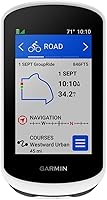
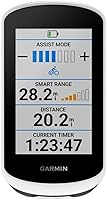
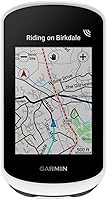
The glove-friendly touchscreen works surprisingly well in wet or cold conditions — a detail that sounds minor until you're halfway through a rainy autumn ride. The Edge Explore 2 ships with preloaded road, off-road, and indoor activity profiles, so there's nothing to configure before your first ride. Maps are tailored by ride type, surfacing popular roads and trails rather than dumping generic routing on you. A high-traffic road overlay lets you spot busy stretches before committing to a route. For eBike riders — and this is where the device earns its keep — navigation alerts adjust dynamically based on your battery level, assist mode, and estimated range. Pair it with your phone and you also get incident detection, live tracking, and rider messaging.

Best For

This Garmin bike GPS is a strong fit for recreational riders and daily commuters who care more about knowing where they're going than how their heart rate zones stack up. eBike owners will get the most out of it, though it's worth noting that eBike compatibility depends on your specific bike model — it's not a universal feature. If you're upgrading from a basic cycle computer and want real maps with turn-by-turn guidance, this cycling navigator fills that gap well. It's less suited for athletes chasing power metrics or training load data. Riders who frequently venture into unfamiliar territory — city or trail — will find the searchable POI system and route-specific mapping genuinely useful day to day.

User Feedback

Most owners highlight three things right away: setup is fast, the screen is easy to read, and eBike integration works as advertised when you have a compatible bike. Where the praise tends to taper off is around performance tracking. Riders who compared it against the Edge 540 or 840 found themselves wanting deeper training metrics and power meter support. Battery life draws mixed reactions too — the 16-hour rating holds up reasonably well under light GPS use, but heavy assist modes appear to drain it faster than the spec sheet suggests. A smaller group of users noted that touchscreen responsiveness dips in cold, wet gloves. Map quality in urban areas is well-regarded; rural POI coverage gets more complaints.

Pros

  • Large 3″ touchscreen is easy to read in direct sunlight — a real advantage over smaller competitors.
  • Setup is genuinely fast; preloaded activity profiles mean you can ride within minutes of unboxing.
  • eBike-aware navigation adjusts alerts based on battery level and assist mode, which is rare at this price tier.
  • The high-traffic road overlay helps commuters and urban riders make smarter, safer route choices.
  • Incident detection and LiveTrack provide meaningful safety features that casual riders genuinely value.
  • Glove-friendly touchscreen performs well in wet and cold conditions for most users.
  • At 4.1 ounces, it adds almost no noticeable weight to your handlebar setup.
  • Preloaded North America maps cover road and trail riding without needing to download anything extra.
  • Rider-to-rider messaging and GroupTrack make it a solid choice for group rides and social cycling.
  • POI search works well in urban environments, making it easy to find rest stops, cafes, or landmarks mid-ride.

Cons

  • No support for power meters or advanced training load metrics limits appeal for serious athletes.
  • Real-world battery life under high GPS demand or frequent eBike assist use falls short of the stated 16 hours.
  • eBike integration only works with compatible models, which is easy to overlook before purchasing.
  • Touchscreen responsiveness has been reported to dip noticeably when wearing thick winter gloves.
  • POI coverage in rural and less-populated areas is inconsistent and has frustrated some users on remote routes.
  • Lacks the deeper analytics found in sibling models like the Edge 540 or 840 at a comparable investment.
  • No built-in heart rate monitoring; a chest strap or wrist sensor must be paired separately.
  • The standard mount included in the box is basic — many riders end up buying an aftermarket mount for better positioning.

Ratings

The scores below for the Garmin Edge Explore 2 GPS Cycling Computer were produced by our AI system after analyzing thousands of verified buyer reviews from global markets, with spam, bot-submitted, and incentivized feedback actively filtered out. Every category reflects the honest distribution of real rider experiences — including the frustrations — so you can make a confident, well-informed decision. Strengths and shortcomings are weighted equally, giving you a clear picture of where this cycling navigator excels and where it falls short.
Ease of Setup
93%
Riders consistently describe unboxing-to-riding as one of the fastest experiences they've had with a cycling GPS. Preloaded profiles and maps mean there's no app dependency or lengthy configuration before your first ride, which casual users especially appreciate.
A small number of users found the initial Bluetooth pairing with older Android phones required a restart or two before it held. The setup experience is strong overall, but it isn't completely friction-free for every device combination.
Screen Visibility
91%
The 3″ display earns consistent praise for sunlight legibility — riders report they can glance at navigation cues mid-ride on bright summer days without slowing down to squint. The high contrast and display size are frequently cited as clear advantages over older, smaller units.
A handful of users noted that brightness auto-adjustment can lag in rapidly changing light conditions, such as riding in and out of tree cover. At maximum brightness, battery draw increases noticeably, which creates a minor trade-off on longer rides.
Navigation Accuracy
88%
Turn-by-turn directions are reliable in urban and suburban environments, with rerouting that responds quickly when riders deviate from the planned path. The ride-type-specific map highlights genuinely help casual riders find more enjoyable and appropriate routes rather than defaulting to generic road routing.
In densely built city centers, a few users reported occasional GPS drift that briefly misrepresented their position on the map. Rural areas with limited road data can produce routing suggestions that feel less curated, particularly for off-road trails.
eBike Integration
84%
For riders with a compatible eBike, the battery-aware navigation is a standout feature — the device adjusts route suggestions based on remaining charge and assist level, which takes genuine guesswork out of longer eBike rides. Users with supported models describe it as one of the most practical features on the market at this price tier.
Compatibility is far from universal, and buyers have been caught off guard by discovering their specific eBike model isn't supported after purchase. The feature set is compelling when it works, but the limitation in compatible bike models is a recurring frustration in user feedback.
Safety Features
86%
Incident detection is one of the most appreciated additions among solo commuters and riders who explore unfamiliar roads alone. The combination of automatic crash alerts and LiveTrack location sharing gives family members real peace of mind, and setup through Garmin Connect is straightforward once done.
Incident detection requires an active smartphone connection to function, so its reliability depends on consistent cellular coverage — something not guaranteed on rural or remote rides. A few users also noted occasional false-positive alerts on rough gravel descents.
Battery Life
71%
29%
Under light GPS use with Bluetooth off, the Edge Explore 2 can genuinely approach its rated endurance, making it workable for full-day leisure rides or multi-hour touring trips. Many casual users who ride two to four hours at a time never encounter battery concerns.
The 16-hour rating doesn't reflect real-world mixed use well. Riders who keep Bluetooth active, use high-assist eBike modes, and run the backlight brightly report figures closer to 10 to 12 hours — a gap that matters on all-day adventures or bikepacking trips.
Touchscreen Responsiveness
73%
27%
In normal riding conditions — dry weather, standard cycling gloves — the touchscreen handles inputs reliably and without lag. Most users find it more intuitive than button-based alternatives, particularly when scrolling maps or entering a POI destination at a trailhead.
Cold and wet conditions expose the display's limits. Riders using thicker winter gloves report missed taps and slower response, and some found themselves stopping to interact with the screen rather than managing it on the move. This is a known limitation worth considering for winter commuters.
Map Quality
79%
21%
In urban and suburban areas, the preloaded North America maps are detailed and dependable, with POI search that surfaces cafes, bike shops, and rest stops quickly. The high-traffic road overlay adds a layer of practical safety awareness that riders genuinely use when planning commute routes.
Rural and wilderness trail data is noticeably thinner, and some off-road riders found that popular local trails weren't reflected accurately. POI search in smaller towns can return sparse or outdated results, which is frustrating when you're relying on it mid-ride.
Build Quality
82%
18%
The device feels solid in hand and has held up well for most users through regular commuting and recreational riding across varied weather. Rain resistance performs as expected, with no widespread reports of water ingress under normal wet-weather conditions.
The standard plastic housing doesn't feel premium compared to higher-tier Garmin models, and a few users reported scuff marks appearing quickly on the white casing. The included mount, while functional, feels less robust than the aftermarket alternatives many riders eventually switch to.
Connectivity & Syncing
81%
19%
Wi-Fi syncing to Garmin Connect works reliably when the device is in range of a known network, and most rides upload automatically without any manual intervention. Bluetooth pairing with the Garmin Connect app is stable for the majority of iOS and Android users.
A subset of Android users — particularly those on non-flagship devices — report intermittent disconnections and sync delays. Firmware updates over Wi-Fi can also take longer than expected, and the device needs to be nearly stationary during the process.
Smartphone Integration
78%
22%
Smart notifications arrive promptly during rides, and the GroupTrack feature works well on open routes where everyone in a group has compatible hardware. Rider-to-rider messaging is a genuinely useful addition for coordinating on group rides without stopping.
The full feature set requires the Garmin Connect app to be running in the background, which drains smartphone battery faster than some users anticipated. GroupTrack performance degrades in areas with spotty LTE coverage, which limits its usefulness on more remote routes.
Value for Money
74%
26%
For riders whose priority is navigation over performance analytics, the Edge Explore 2 offers a well-rounded feature set at a price that sits below the more advanced Edge siblings. The eBike integration, safety features, and large screen deliver tangible value for the target buyer.
Performance-minded riders quickly feel they've outgrown its capabilities, and the jump to the Edge 540 or 840 starts to look reasonable if metrics matter to you. Some buyers feel the asking price is high relative to what the device offers on the training data side.
Weight & Portability
89%
At 4.1 ounces, this Garmin bike GPS adds virtually no perceptible weight to a standard handlebar setup. Riders switching from larger or clunkier units consistently note how unobtrusive it feels during long rides.
There aren't significant complaints about the weight itself. The device's physical footprint is slightly larger than ultra-compact competitors, which can be a consideration for riders with narrow handlebars or very space-constrained cockpit setups.
Routing & Rerouting
77%
23%
Automatic rerouting kicks in within a few seconds of going off course, which is reliable enough for most city and suburban riding scenarios. Riders who explore new areas on weekends appreciate that the device handles unexpected detours without requiring manual input.
Rerouting logic occasionally selects routes that prioritize distance over practicality — sending riders onto busier roads when quieter alternatives exist nearby. A few users also noted that rerouting while traveling at speed can briefly produce confusing on-screen instructions.

Suitable for:

The Garmin Edge Explore 2 GPS Cycling Computer was clearly designed with a specific rider in mind: someone who wants to know where they're going more than they want to analyze how their body performed getting there. Recreational cyclists who ride a few times a week for enjoyment, fitness, or commuting will find it hits a practical sweet spot — capable navigation, a screen that's actually readable outdoors, and safety features like incident detection that give both riders and their families some peace of mind. eBike owners stand to gain the most from it, since the device actively adjusts routing guidance based on battery level and assist mode, though this requires a compatible eBike rather than any bike. Commuters who frequently ride unfamiliar roads will appreciate the high-traffic overlays and turn-by-turn directions, and anyone stepping up from a basic odometer-style computer will feel like they've made a meaningful upgrade without facing a complicated setup process.
Not suitable for:

If you're a performance-focused cyclist who tracks training load, power output, or heart rate zone progression, the Garmin Edge Explore 2 GPS Cycling Computer is going to feel underpowered for your needs — it simply isn't built for that use case. Riders who already own or are considering the Edge 540 or 840 will find those models offer significantly deeper training and analytics features, and the price gap between them may well be worth it depending on how seriously you train. The eBike-specific functionality, while genuinely useful, only applies if your bike is compatible, so riders with standard bikes shouldn't treat that as a deciding factor. Budget-conscious buyers expecting the same feature depth as higher-tier Garmin units may feel the mid-range price doesn't stretch far enough on the metrics side. And if touchscreen reliability in consistently harsh winter conditions is a hard requirement, some user reports suggest that's an area worth scrutinizing before committing.
Specifications

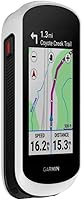
  • Screen Size: The device features a 3″ high-resolution color touchscreen designed for easy readability in direct sunlight.
  • Touchscreen Type: The display is glove-friendly and rain-resistant, allowing reliable touch input in wet or cold riding conditions.
  • Dimensions: The unit measures 2.2 x 4.1 x 0.9 inches, keeping it compact enough for most standard handlebar mounts.
  • Weight: At 4.1 ounces, the Edge Explore 2 adds minimal bulk to any bike setup.
  • Battery Life: Garmin rates battery life at up to 16 hours in GPS mode, though real-world usage with Bluetooth active may reduce this figure.
  • Connectivity: The device supports both Bluetooth and Wi-Fi for smartphone pairing, data syncing, and over-the-air map updates.
  • GPS System: Built-in GPS tracks speed, distance, elevation gain, and route history throughout each ride.
  • Map Coverage: North America maps come preloaded and include road and trail data, with ride-type-specific highlights for popular routes and paths.
  • Activity Profiles: Preloaded profiles cover road cycling, off-road riding, and indoor activity, each ready to use without manual configuration.
  • eBike Features: When connected to a compatible eBike, the device delivers navigation alerts tailored to the bike's current battery level, assist mode, and estimated remaining range.
  • Safety Features: Incident detection is active during outdoor rides and can automatically alert emergency contacts via a paired smartphone.
  • Live Tracking: LiveTrack and GroupTrack allow contacts or riding companions to follow your location in real time through the Garmin Connect app.
  • Smartphone Features: When paired, the device displays smart notifications, supports rider-to-rider messaging, and enables GroupTrack for group ride visibility.
  • Model Number: The official Garmin model number for this unit is 010-02703-00.
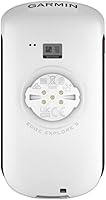
  • Color: The device is available in White as the standard color option.
  • In the Box: Each unit ships with the Edge Explore 2, a standard mount, a USB charging and power cable, and product documentation.
  • Battery Type: The device uses a built-in rechargeable lithium-ion battery; no replaceable cells are required.
  • Mount Type: The included standard mount attaches to handlebars or a stem, with the device locking in via Garmin's standard quarter-turn interface.

Related Reviews
Garmin Edge 540 GPS Cycling Computer
81%
93%
GPS Accuracy
89%
Battery Life
86%
Navigation & Mapping
91%
ClimbPro Functionality
74%
Adaptive Coaching & Training Tools
More
Garmin Edge 840 GPS Cycling Computer
79%
93%
GPS Accuracy
88%
Battery Life
91%
ClimbPro Feature
62%
Touchscreen Performance
74%
Adaptive Training Tools
More
Garmin Edge 1050 GPS Cycling Computer
79%
88%
Touchscreen Quality
91%
Battery Life
86%
Navigation Accuracy
82%
Built-in Speaker
78%
Group Ride Features
More
Garmin Edge 1040 Solar GPS Bike Computer
80%
93%
GPS Accuracy
88%
Battery Life
71%
Solar Charging
86%
Navigation
84%
Training Analytics
More
Garmin Venu 2 GPS Smartwatch
87%
94%
Battery Life
88%
Health Tracking Accuracy
91%
Display Quality
80%
Ease of Use
86%
Fitness Features
More
Garmin Enduro 2 GPS Running Watch
81%
93%
Battery Life
91%
GPS Accuracy
89%
Build Quality & Durability
82%
Comfort & Fit
88%
Navigation & Mapping
More
Garmin Swim 2 GPS Swimming Smartwatch
86%
92%
Swim Tracking Accuracy
89%
Battery Life
88%
Heart Rate Monitoring
85%
Comfort and Fit
83%
Ease of Use
More
Beeline Velo 2 Cycling GPS Computer
77%
88%
Ease of Setup
79%
Navigation Accuracy
86%
Battery Life
83%
Build Quality & Durability
74%
Display Readability
More
Bryton Rider 420e GPS Cycling Computer
78%
88%
Display Clarity
91%
Battery Life
79%
GPS Accuracy
72%
Navigation & Routing
86%
Sensor Connectivity
More
Garmin Venu Sq 2 GPS Smartwatch
79%
91%
Battery Life
88%
Display Quality
86%
Health & Fitness Tracking
83%
GPS Accuracy
84%
Sports & Activity Modes
More

FAQ

Setup is genuinely straightforward. The activity profiles come preloaded, the maps are already on the device, and pairing with your phone via Bluetooth takes just a few minutes. Most riders are out the door well within half an hour of opening the box.

It works with select compatible eBikes — not all electric bikes will unlock the battery-aware navigation features. Before purchasing, it's worth checking Garmin's compatibility list to confirm your specific eBike model is supported. If your bike isn't compatible, the device still functions as a full GPS navigator; you just won't get the assist-level and battery range alerts.

The 16-hour figure applies to GPS-only mode under controlled conditions. In practice, keeping Bluetooth active, receiving notifications, and using the backlight regularly will reduce that number. Most users report somewhere in the 10 to 14 hour range under typical mixed-use conditions.

Generally yes, though results vary depending on glove thickness and material. Most riders using standard cycling gloves report reliable touch response. Thicker insulated winter gloves have caused occasional missed taps for some users, particularly in cold and wet weather.

It works perfectly as a standalone GPS unit — you don't need a phone paired to navigate, track your ride, or use the maps. The smartphone connection adds extras like live tracking, incident detection alerts, and smart notifications, but none of those are required for core navigation.

The device ships with North America maps covering both roads and trails. You can download additional regional maps through Garmin's tools if you plan to ride internationally, though the process requires a Wi-Fi connection and some patience depending on map file size.

This is primarily a navigation device, so advanced training metrics aren't its strong suit. It tracks the basics — speed, distance, and elevation — but it doesn't support power meters or sophisticated training load analysis. If those features matter to you, Garmin's Edge 540 or 840 would be a better fit.

When the device detects a sudden stop or impact consistent with a crash, it sends an alert to pre-set emergency contacts via a paired smartphone. The alert includes your GPS location. It only activates during outdoor rides, and you do need your phone connected and the Garmin Connect app running for it to function.

The device uses Garmin's standard quarter-turn mount system, which is widely compatible with aftermarket options from brands like K-Edge and Barfly. The included standard mount is functional and secure, but many riders prefer an out-front mount for a better viewing angle — something you'd need to buy separately.

Yes, the GroupTrack feature lets you see the location of other riders in your group on your screen in real time, as long as everyone has a compatible Garmin device and the Garmin Connect app active on their phones. It works well on open routes, though cellular coverage gaps can cause occasional position delays.

Where to Buy