Overview

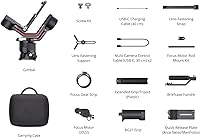
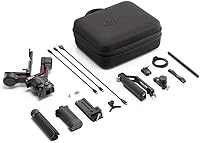
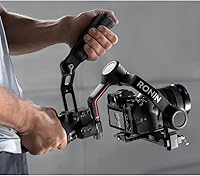
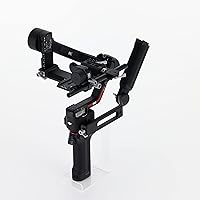
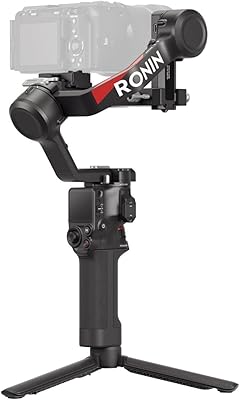
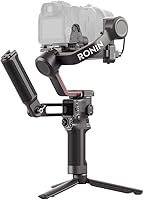
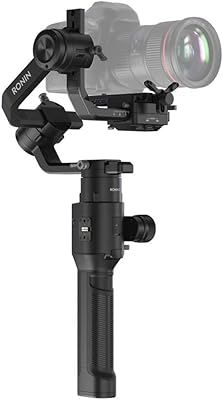
The DJI RS 3 Combo Gimbal Stabilizer is a professional-grade tool built for videographers who need dependable stabilization on demanding shoots — not a casual weekend purchase. What sets the Combo edition apart from the standard RS 3 is a meaningful bundle that includes a Focus Motor, Briefcase Handle, Carrying Case, rod mount kit, and gear strip, all included out of the box. DJI has spent years refining the RS lineup, and this gimbal sits near the top of their accessible-professional range. Camera compatibility is broad, spanning Canon, Sony, Nikon, Fujifilm, Panasonic, Leica, and Z CAM. At this price point, it is a serious investment best suited for creators who shoot regularly and want a rig that can keep up.
Features & Benefits

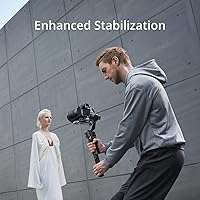
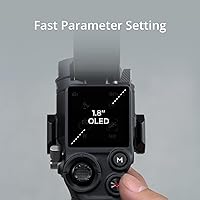
The automated axis locks are the standout quality-of-life improvement here. Where older gimbals required manually releasing each arm before balancing and re-securing them afterward, a single press of the power button now handles the whole process — a meaningful time-saver on a busy shoot day. The updated stabilization algorithm handles aggressive movement noticeably better, keeping footage clean during low-angle tracking shots or while moving through tight spaces. The 1.8″ OLED touchscreen lets you adjust shooting modes and settings directly on the gimbal without reaching for your phone. Bluetooth shutter pairing eliminates cables entirely after the first connection. Battery capacity comfortably covers a full production day, and when you do need to recharge, a fast-charge cycle gets you back up quickly.

Best For

This gimbal is a natural fit for wedding and event videographers who deal with unpredictable conditions, quick scene changes, and long days where battery anxiety is a real concern. Solo operators gain a particular advantage from the wireless shutter and onboard controls, letting one person manage camera triggering and gimbal settings without assistance. Hybrid shooters transitioning from stills into video will find the automated locks reduce the friction of learning gimbal workflow. If your mirrorless kit includes heavier zoom lenses, the generous payload capacity means you're not forced to leave glass behind. And for anyone who planned to add a focus motor down the road, the Combo bundle removes that future purchasing decision entirely and keeps your setup cost consolidated.

User Feedback

The RS 3 Combo holds a 4.4-star average, with the most consistent praise going to how much easier the balancing process has become compared to earlier RS models and the Ronin line. The OLED screen earns specific compliments for readability in direct sunlight. On the less positive side, a subset of users — particularly those pairing with certain Canon bodies — report intermittent Bluetooth shutter drop-outs that require manual reconnection. The focus motor setup also draws honest feedback: it works well once dialed in, but expect to spend time learning the torque settings and gear strip alignment before getting consistent results. The carrying case is broadly appreciated. Most buyers who weighed the Combo against the standalone unit felt the included accessories justified the price gap.

Pros

  • Automated axis locks dramatically speed up setup and teardown compared to older manual-lock gimbals.
  • Stabilization handles fast movement and low-angle shots with noticeably more control than previous RS generations.
  • The OLED touchscreen is bright, responsive, and readable in direct sunlight — a genuine on-location advantage.
  • All-day battery life holds up through long event shoots without mid-session recharging anxiety.
  • Broad camera compatibility means the RS 3 Combo works across most major mirrorless and DSLR brands.
  • The Combo bundle includes a focus motor, briefcase handle, and carrying case — meaningful value for shooters who planned to buy these separately.
  • At just 1.3 kg for the gimbal body, this rig stays manageable even during extended handheld sessions.
  • Bluetooth shutter pairing eliminates cable clutter and re-connects automatically after power cycling.
  • The quick release plate system allows repeatable camera mounting without re-balancing from scratch every session.
  • DJI's firmware update track record means the hardware tends to improve over its lifespan rather than stagnate.

Cons

  • Bluetooth shutter connectivity is inconsistent with certain Canon bodies, occasionally dropping mid-shoot.
  • The focus motor has a steep learning curve — first-time setup can take an hour or more to calibrate properly.
  • Battery life shortens noticeably when running high motor torque with heavier lens and body combinations.
  • The included carrying case is functional but not robust enough for rough location travel or checked luggage.
  • Accessing deeper menu settings on the small touchscreen is fiddly, especially with gloves in cold conditions.
  • Some advanced creative shooting modes require the Ronin app, limiting fully standalone operation.
  • External finish scratches easily during regular production bag transport, affecting long-term resale condition.
  • Motor hum becomes audible in very quiet environments when torque settings are pushed to handle heavier payloads.
  • New firmware updates on cameras can temporarily break Bluetooth communication until DJI releases a matching patch.
  • Buyers who do not need follow-focus functionality are effectively paying a premium for accessories they may never deploy.

Ratings

The DJI RS 3 Combo Gimbal Stabilizer has been evaluated by our AI system after analyzing thousands of verified global purchases, actively filtering out incentivized reviews, duplicate submissions, and bot-generated feedback to surface what real shooters actually think. Scores reflect both the strengths that make this gimbal a recurring recommendation in professional circles and the friction points that show up consistently enough to warrant honest attention. The result is a transparent, balanced picture to help you decide whether the RS 3 Combo is the right tool for your specific workflow.

Stabilization Performance
93%
The third-generation algorithm is the most tangible upgrade users notice immediately. Shooters tracking fast-moving subjects at weddings or running alongside athletes report that footage stays controlled where earlier RS models would show micro-jitter. Low-angle gimbal work, historically tricky, is handled with noticeably more confidence.
A small group of users working with heavier anamorphic lens setups note that stabilization can soften slightly when the rig is loaded near its maximum capacity. It is not a dealbreaker, but it is worth knowing if you regularly push the payload ceiling.
Ease of Balancing
88%
Compared to the RS 2 and older Ronin-S models, the balancing process on the RS 3 Combo draws consistent praise for being quicker and more intuitive. The dual-layer quick release plate system helps users get repeatable balance without starting from scratch every time they swap cameras.
First-time gimbal users still report a learning curve that can stretch across a few sessions before balancing feels natural. Switching between significantly different camera-lens combinations mid-shoot requires rebalancing, which a handful of users found frustrating under time pressure.
Automated Axis Locks
91%
This is the feature that receives the most unprompted enthusiasm in user feedback. Photographers and videographers who pack up and redeploy frequently — between ceremony and reception locations, for example — describe the one-button lock as saving several minutes per transition. Over a long shoot day, that adds up.
A few users note that in rare cold-weather conditions the axis lock mechanism can feel slightly sluggish before the motors warm up. It is an edge case rather than a widespread issue, but outdoor winter shooters mention it.
OLED Touchscreen Usability
86%
The 1.8″ screen earns genuine appreciation for its brightness and touch responsiveness, particularly from solo operators who cannot afford to keep a phone tethered to the Ronin app during live shoots. Accessing shooting modes, motor strength, and follow settings directly on the gimbal feels like a real workflow improvement.
The screen size, while sharp, is inherently limiting for navigating deeper menu layers. Users with larger hands or those wearing gloves during outdoor winter productions find precise tapping on smaller interface elements requires a second attempt more often than they would like.
Battery Life & Charging
89%
Real-world feedback from event videographers — who often shoot eight to ten hours without a break — confirms that the battery consistently carries through a full day when the gimbal is used at moderate motor loads. The fast-charge capability is frequently cited as a reassuring backup rather than a daily necessity.
Battery life drops noticeably when running heavier camera setups with high motor torque settings enabled throughout the day. Users who consistently shoot with large telephoto lenses report needing to budget for either a mid-day top-up or a spare battery to feel fully covered.
Bluetooth Shutter Reliability
71%
29%
When Bluetooth pairing works as intended, users appreciate the clean cable-free setup considerably. The automatic re-pairing after power cycling saves time, and on Sony bodies in particular the initial connection experience tends to be smooth and consistent across multiple user reports.
Canon users surface the most complaints about intermittent shutter disconnections that require manual reconnection, occasionally mid-shoot. It is not universal, but it appears frequently enough in verified feedback that Canon shooters should factor in a backup cable solution as insurance.
Focus Motor Integration
67%
33%
When the focus motor is properly calibrated, users report smooth, accurate focus pulls that hold up well for narrative and documentary work. The inclusion of the gear strip and rod mount kit in the Combo removes the frustration of sourcing accessories separately, which experienced users specifically appreciate.
Setup demands patience. Multiple users note that getting the gear strip aligned correctly, setting appropriate torque, and calibrating the motor to a specific lens takes meaningful time — sometimes an hour or more on a first attempt. Users without prior follow-focus experience may find the learning curve steeper than expected.
Build Quality & Materials
84%
The overall construction feels dense and purposeful in hand. Users frequently describe it as notably more refined than the plastic-heavy feel of budget alternatives, and the arm joints and quick release components draw specific praise for feeling solid after extended use rather than loosening over time.
Some users point out that the external finish shows light scratching after regular transport in production bags, even with the carrying case included. It is purely cosmetic, but shooters who keep gear long-term and resell it factor this into their assessment.
Weight & Portability
82%
18%
At 1.3 kg the gimbal itself is genuinely manageable for extended handheld use, and the compact folded footprint means it fits into a dedicated gimbal slot without dominating a camera bag. Travel videographers consistently note it as one of the lighter options at this performance tier.
Once a heavier mirrorless body, a zoom lens, and the focus motor are mounted, the total rig weight increases substantially. Some users found their wrist and forearm fatigue setting in earlier than anticipated on shoots exceeding four to five hours of continuous handheld operation.
Camera Compatibility
90%
The breadth of supported cameras is a genuine differentiator. Users who shoot across multiple bodies — a Sony mirrorless for primary footage and a Canon for backup, for example — appreciate not needing to re-evaluate gimbal compatibility each time they add a camera to their kit.
Compatibility lists are only part of the story. A handful of users report that newer camera firmware updates occasionally introduce brief Bluetooth communication hiccups before DJI releases a corresponding firmware patch for the gimbal, requiring temporary workarounds.
Combo Bundle Value
78%
22%
Users who needed a focus motor and briefcase handle anyway — and who compared the cost of purchasing those accessories separately — largely conclude that the Combo pricing makes practical sense. The carrying case, while not premium, is functional enough to protect the rig during regular transport.
Users who have no immediate use for a follow-focus system may feel they are paying for accessories that sit unused. The carrying case quality receives lukewarm feedback, with some describing it as serviceable rather than something you would trust for rough location travel.
App & Ecosystem Integration
80%
20%
The Ronin app integration adds creative shooting modes — including time-lapse, motion control, and panorama — that extend well beyond basic stabilization. Users embedded in the DJI ecosystem who already own other DJI products find cross-device workflows particularly convenient.
Users outside the DJI ecosystem, or those who prefer not to use a companion app at all, find some advanced features essentially gated behind the app. Occasional app stability complaints surface in reviews, particularly during major iOS or Android OS updates.
Setup Speed
85%
Experienced gimbal users consistently report that transitioning from bag to shoot-ready takes meaningfully less time compared to the previous RS generation. The combination of automated locks and quick release plates contributes to a noticeably faster pre-shoot routine on location.
First-time setup with a new camera-lens combination still requires deliberate balancing time. Users who expected to unbox and immediately start shooting without any calibration were occasionally caught off guard by the upfront investment of learning the system.
Noise Level During Operation
74%
26%
Under normal operating conditions and moderate motor loads, the gimbal runs quietly enough for most production environments. Users shooting documentary-style interviews or event coverage report that motor noise does not bleed into on-camera audio when the subject is more than a foot or two from the microphone.
When motor torque is set high to manage heavier loads, a perceptible hum becomes noticeable in quiet environments. A few users recording ambient sound in silent settings noted they had to adjust mic placement or reduce motor sensitivity to keep audio clean.

Suitable for:

The DJI RS 3 Combo Gimbal Stabilizer is purpose-built for working videographers who shoot regularly and need a rig that keeps pace with a demanding schedule. Wedding and event professionals will find the combination of fast axis locking, all-day battery endurance, and wide camera compatibility particularly well-matched to their workflow — where switching locations quickly and avoiding downtime can directly affect the quality of a final deliverable. Solo operators and run-and-gun documentary shooters benefit from the onboard OLED touchscreen and wireless shutter, which reduce dependence on a second person or a tethered phone to manage settings mid-shoot. Hybrid photographers transitioning seriously into video work will appreciate that the automated axis locks lower the friction of learning gimbal operation, making the day-to-day experience less intimidating than older manual-lock systems. Creators who run heavier mirrorless bodies with large zoom lenses will also find the generous payload capacity gives them real flexibility to shoot with professional glass rather than compromising on lens choice. Finally, if you have been planning to add a follow-focus system at some point anyway, the Combo bundle makes that a solved problem from day one rather than a future expense.
Not suitable for:

If you are a casual shooter who pulls a camera out a few times a year for travel vlogs or family events, the DJI RS 3 Combo Gimbal Stabilizer is likely more gimbal than your workflow actually needs, and the investment is difficult to justify at that usage level. Beginners who expect to unbox and immediately shoot professional footage without any setup time will be caught off guard — balancing takes practice, and the focus motor in particular demands a real time investment before it performs reliably. Budget-conscious creators who only need basic stabilization and have no interest in follow-focus work are essentially paying for Combo accessories they may never use, and the standalone RS 3 or a competing model at a lower price point would serve them better. Canon shooters should be aware that Bluetooth shutter connectivity has shown inconsistency in real-world use across some Canon bodies, meaning a cable backup may still be necessary. Users who prefer to stay entirely app-free will find that some of the more advanced creative features are tied to the Ronin app, limiting the standalone experience.
Specifications

  • Gimbal Weight: The gimbal body with battery handle and double-layer quick release plates weighs 1.3 kg (2.8 lbs).
  • Max Payload: The RS 3 Combo supports a tested maximum payload of 3.0 kg (6.6 lbs), accommodating most professional mirrorless and DSLR camera-lens combinations.
  • Stabilization Axes: Three-axis motorized stabilization covers pan, tilt, and roll for comprehensive motion control during handheld shooting.
  • Algorithm: The third-generation RS stabilization algorithm delivers improved anti-shake performance compared to the previous RS generation, particularly under dynamic movement conditions.
  • Axis Lock Type: All three axes use automated motorized locks that engage and release with a single press of the power button, eliminating manual locking knobs.
  • Display: A 1.8″ full-color OLED touchscreen provides direct access to shooting modes, motor settings, and key functions without requiring the Ronin companion app.
  • Battery Life: Under standard operating conditions, the detachable lithium polymer battery delivers up to 12 hours of continuous use on a single charge.
  • Charging Speed: The gimbal supports 18W Power Delivery fast charging, reaching a full charge in approximately 2.5 hours from empty.
  • Battery Type: The gimbal uses a detachable lithium polymer battery, allowing users to swap to a spare for extended back-to-back shooting sessions.
  • Shutter Control: Wireless shutter triggering is handled via Bluetooth, with automatic camera re-pairing after the initial connection setup.
  • Folded Dimensions: When folded for transport, the gimbal measures 254 × 230 × 68 mm, fitting into most dedicated gimbal bags and carry-on luggage.
  • Compatible Brands: Officially supported camera brands include Canon, Sony, Nikon, Fujifilm, Panasonic, Sigma, Olympus, Leica, and Z CAM.
  • Combo Inclusions: The Combo edition adds a Focus Motor (2022 version), Focus Motor Rod Mount Kit, Focus Gear Strip, Briefcase Handle, and a Carrying Case beyond what the standard RS 3 includes.
  • Connectivity: The gimbal connects to the DJI Ronin mobile app via Bluetooth for advanced shooting modes, firmware updates, and remote configuration.
  • Color: Available in black with a matte finish across the primary body and arm components.
  • Item Weight (Packaged): The full packaged unit, including all Combo accessories, weighs approximately 1.94 kg (4.27 lbs) as shipped.
  • Power Input: Charging is handled via USB-C with Power Delivery support, compatible with standard 18W or higher PD-capable chargers.
  • BSR Ranking: The RS 3 Combo holds a Best Sellers Rank of number 2 in the Professional Video Stabilizers category on Amazon at the time of this review.

Related Reviews
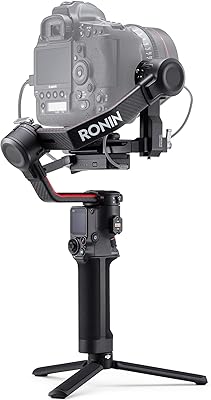
DJI RS 2 3-Axis Gimbal Stabilizer
81%
93%
Build Quality
91%
Stabilization Performance
89%
Payload Capacity
84%
Touchscreen Usability
81%
Balancing & Setup
More
DJI RS 4 Pro Combo
DJI RS 4 Pro Combo
79%
93%
Motor Strength & Payload Handling
81%
LiDAR Autofocus Accuracy
88%
Native Vertical Shooting
86%
Combo Bundle Value
78%
Battery Life
More
DJI RS 4 Gimbal Stabilizer
81%
93%
Stabilization Performance
88%
Balancing Experience
91%
Native Vertical Shooting
89%
Build Quality & Materials
86%
Battery Life
More
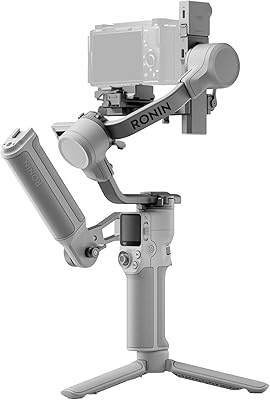
DJI RSC 2 Pro Combo 3-Axis Gimbal Stabilizer
86%
95%
Stabilization Performance
89%
Portability & Design
90%
Ease of Use
85%
Battery Life
88%
Build Quality
More
DJI RS 4 Mini Combo
DJI RS 4 Mini Combo
82%
93%
Setup Speed
91%
Stabilization Performance
84%
Intelligent Tracking
89%
Build Quality & Materials
88%
Vertical Shooting Switch
More
DJI Ronin-SC Pro Combo Gimbal Stabilizer
86%
94%
Stabilization Performance
88%
Ease of Use
91%
Battery Life
89%
Build Quality
82%
Portability
More
ZHIYUN Crane 4 Combo 3-Axis Gimbal Stabilizer
77%
91%
Stabilization Performance
88%
Motor Strength & Payload Handling
93%
Build Quality & Materials
61%
Balancing Ease
84%
Built-in Fill Light
More
DJI Ronin-S Gimbal Stabilizer
85%
94%
Stabilization Performance
85%
Ease of Use
89%
Build Quality
82%
Portability & Size
88%
Battery Life
More
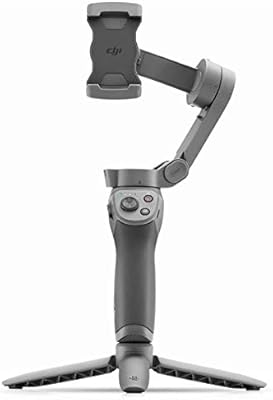
DJI Osmo Mobile 3 Smartphone Gimbal Stabilizer
79%
91%
Stabilization Performance
93%
Portability & Form Factor
78%
Subject Tracking (ActiveTrack 3.0)
62%
App Dependency & Software Experience
84%
Ease of Setup & Learning Curve
More
DJI Osmo Mobile 6 Smartphone Gimbal
79%
93%
Stabilization Performance
86%
ActiveTrack Object Tracking
91%
Portability & Form Factor
88%
Built-in Extension Rod
79%
Build Quality & Materials
More

FAQ

The Combo adds five items on top of the base gimbal: a Focus Motor (2022 version), a Focus Motor Rod Mount Kit, a Focus Gear Strip, a Briefcase Handle, and a Carrying Case. If you were planning to buy a follow-focus system down the road anyway, those additions make the Combo pricing worth considering carefully rather than dismissing outright.

The Sony A7 IV is on the official compatibility list, and the gimbal's payload capacity is generous enough to handle most 70-200mm zoom lenses. That said, you will want to confirm the total weight of your specific body-plus-lens combination stays within the tested limit, and be prepared to spend a few minutes balancing — heavier lens setups take a bit more care to dial in.

For a familiar camera-lens combination, most experienced users get shoot-ready in under five minutes once they have the balance dialed in. The first time with a new setup takes longer — sometimes 15 to 20 minutes — but the quick release plate system means you can save that balance and return to it quickly in future sessions.

It is worth knowing about. A meaningful number of Canon users have reported intermittent Bluetooth shutter disconnections that require manual reconnection, occasionally at inconvenient moments. It is not universal, and DJI has addressed some of these issues through firmware updates, but carrying a compatible shutter cable as a backup is genuinely sensible advice if you rely on Canon bodies.

Honestly, yes — expect a learning curve. Getting the gear strip aligned correctly to your lens, mounting the motor rod properly, and calibrating the torque settings for accurate focus pulls can take an hour or more on your first attempt. There are good tutorial videos available that shorten this significantly, but going in with realistic expectations will save frustration.

Most core functions — shooting modes, motor strength, axis lock behavior, and the Bluetooth shutter — are accessible directly through the OLED touchscreen without opening the app at all. The Ronin app unlocks more advanced creative modes like motion timelapse and panorama, but for standard stabilized shooting you can leave your phone in your bag.

For most wedding videographers shooting at moderate motor load, yes — the battery consistently covers eight to ten hours in real-world use. The caveat is that running a heavy camera-lens setup at high torque settings will draw the battery down faster, so if your kit is on the heavier end, having a spare battery or a portable charger accessible is worth planning for.

The RS 3 Pro offers a higher payload ceiling, carbon fiber arm construction, and a more advanced focusing system, making it better suited for cinema-style rigs with heavier glass. For most mirrorless and DSLR shooters working within a normal payload range, the standard RS 3 Combo covers the same day-to-day needs at a lower cost. The Pro becomes relevant when you are regularly mounting large cinema lenses or need the extra structural rigidity.

The included case is adequate for regular transport in a production bag and protects against everyday bumps and dust. It is not a hard-shell pelican-style case, so for checked luggage on flights or genuinely rough outdoor environments, most users recommend supplementing it with a more protective bag or dedicating a slot in a padded camera backpack.

It can work for a motivated beginner, but it is worth being honest: this is a professional-tier tool with a corresponding learning curve. The automated axis locks and touchscreen do make the experience more approachable than older RS models, but if you are just starting out and shooting casually, a more entry-level gimbal at a fraction of the cost might be a better first step. If you are serious about video and plan to grow into the hardware, investing here from the start makes more sense.

Where to Buy