Overview

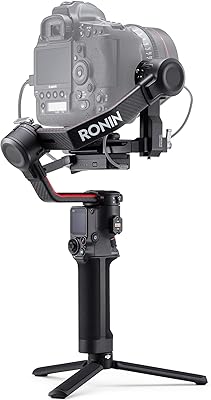
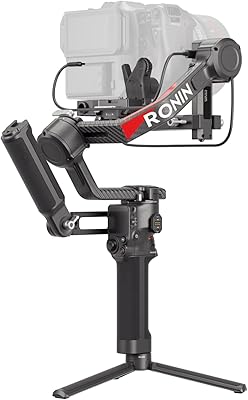
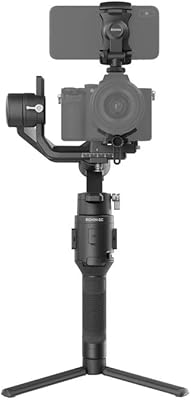
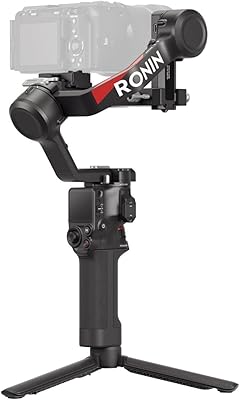
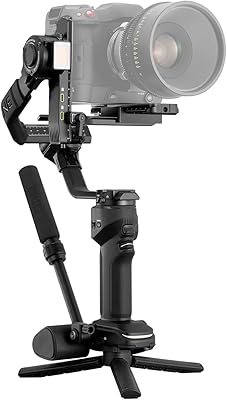
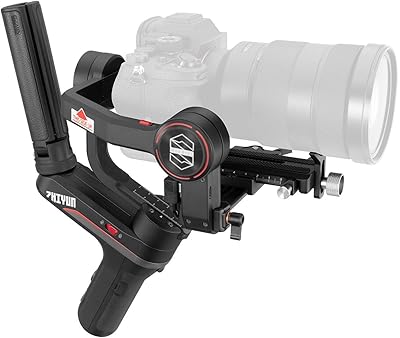
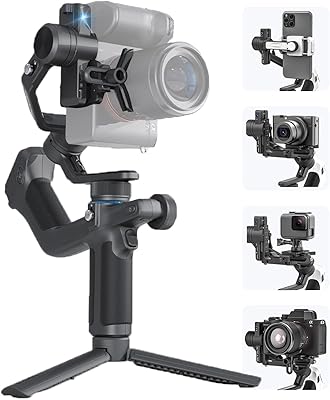
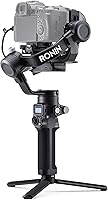
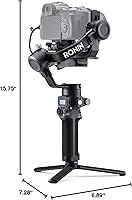
The DJI RSC 2 Pro Combo 3-Axis Gimbal Stabilizer lands in that awkward middle ground between hobbyist gear and full cinema rigs, and it mostly nails it. This is a folding gimbal built around DSLR and mirrorless bodies, and the Pro Combo version throws in a focus motor and image transmission unit so you're not buying those separately later. Compared to the smaller Ronin SC, this stabilizer feels like the natural upgrade once your camera bag starts getting heavier. It's clearly aimed at solo shooters and small video teams who need something they can pack quickly and trust on a busy shoot day, rather than a studio-only tool.
Features & Benefits

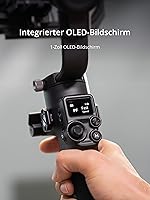
Once you've used the Titan Stabilization Algorithm with SuperSmooth engaged, panning with a longer lens feels far less twitchy than on older gimbals. The 1-inch OLED screen sits right where your thumb naturally rests, so adjusting settings mid-shoot doesn't mean fumbling through a phone app. A dual-layer Manfrotto plus Arca mounting plate makes swapping cameras between setups quick, and flipping into portrait mode for vertical content takes one tap rather than a fiddly rebalance. Battery life is a genuine highlight too, with up to fourteen hours of runtime and fast charging when you're short on time. Folded down, it's small enough to slide into a backpack alongside a couple of lenses without much trouble.

Best For

Wedding and event videographers tend to get the most out of this gimbal simply because the battery rarely becomes an issue across a long day of coverage. Documentary shooters who move fast and travel light will appreciate how compact it folds for transport between locations. Anyone who regularly bounces between landscape footage and vertical clips for social platforms will find the portrait switch genuinely useful rather than gimmicky. It also makes sense for people running heavier mirrorless bodies or zoom lenses out to 100mm, since the payload and stabilization were clearly built with that extra weight in mind, not just lightweight mirrorless setups alone.

User Feedback

Most owners describe the stabilization as a noticeable jump over older models, particularly when shooting handheld for extended periods. The learning curve is real, though. Balancing a heavier DSLR rig takes patience the first few times, and a handful of buyers mention needing extra plates or weights to get it right. Build quality and the folding hinge generally hold up well over months of regular use, which matters for anyone hauling gear between jobs. Opinions split a bit on the Pro Combo extras specifically, since some shooters use the focus motor constantly while others barely touch it. Battery performance, though, comes up again and again as one of the more reliably praised aspects.

Pros

  • Stabilization feels like a clear step up from older gimbal generations
  • Battery routinely lasts a full shooting day without needing a recharge
  • Folds down compact enough to slide easily into most camera backpacks
  • One-tap portrait mode makes switching to vertical content genuinely effortless
  • Handles longer, heavier lenses noticeably better thanks to SuperSmooth compensation
  • OLED screen lets you tweak settings without reaching for a phone app
  • Build quality and the folding hinge hold up well over months of use
  • Manfrotto plus Arca plate makes swapping between camera bodies quick and painless

Cons

  • Balancing heavier DSLR setups takes real practice before it feels intuitive
  • Some buyers question whether the Pro Combo extras justify the added cost
  • Extra plates or counterweights are sometimes needed for awkward camera shapes
  • Learning the menu system on the small OLED screen takes a bit of patience
  • Bulkier than smaller gimbals, which matters if minimal travel weight is a priority
  • Focus motor setup adds an extra step some casual shooters may skip entirely
  • Not the best fit for users who only shoot on lightweight mirrorless bodies

Ratings

Our scores for the DJI RSC 2 Pro Combo 3-Axis Gimbal Stabilizer are generated by AI after analyzing thousands of verified user reviews from real buyers worldwide, with spam, bot activity, and incentivized feedback filtered out before scoring. Every category below reflects an honest balance of what shooters consistently praise and where this gimbal still falls short. Nothing here is rounded up for marketing purposes; the goal is a transparent picture for anyone deciding if it fits their workflow.

Stabilization Performance
89%
Shooters consistently mention smoother handheld footage than older gimbals, especially during walking shots or run-and-gun documentary work. The SuperSmooth mode genuinely helps with longer lenses, where small hand tremors usually show up most in the final footage.
A few users note that ultra-fast pans can still introduce minor wobble, particularly with unbalanced or front-heavy lens setups. Getting the absolute best results requires careful tuning rather than just turning it on and shooting.
Battery Life
92%
Wedding and event videographers repeatedly call this a standout strength, often making it through an entire shooting day without a recharge. Fast charging support also gets praised for quick top-ups between sessions on busy shoot days.
Heavier lenses and constant motor use do drain the battery noticeably faster than DJI's stated runtime. A small number of buyers wish there was an easy way to hot-swap batteries mid-shoot.
Build Quality
84%
The folding hinge and overall construction are described as durable even after months of regular field use, holding up well to being packed and unpacked repeatedly. Materials feel solid rather than flimsy in daily handling.
Some owners are cautious about the folding mechanism long-term, worrying about wear from frequent collapsing and extending. A few mention the locking points feeling slightly loose after extended heavy use.
Ease of Balancing
61%
39%
Once mastered, users say balancing becomes quick and almost second nature, even with moderately heavy camera bodies attached. The dual-layer mounting plate speeds up repeat setups once you know your camera's sweet spot.
The learning curve is real and frequently mentioned, especially when mounting heavier DSLR rigs or odd-shaped lenses for the first time. Several buyers needed extra plates or counterweights before achieving a proper balance.
Portability & Folded Size
88%
Travel-heavy shooters appreciate how the gimbal folds down smaller than a sheet of A5 paper, fitting easily into a backpack alongside lenses and a camera body. It's frequently praised for not feeling bulky during flights or long commutes.
It's still noticeably heavier than ultra-compact gimbals once a camera and accessories are attached. A few users wish the included case were a bit more protective for rougher travel conditions.
OLED Screen Usability
81%
19%
The on-gimbal screen is praised for letting shooters adjust settings quickly without pulling out a phone, which matters during fast-paced event coverage. Many describe it as intuitive after a short adjustment period.
The menu navigation takes some getting used to, and a handful of users find the small screen size limits how much information is comfortably visible at once.
Portrait Mode Convenience
86%
Content creators switching between landscape and vertical social clips consistently call the one-tap portrait switch a genuine time-saver compared to manual rebalancing on other gimbals. It removes a real friction point during mixed-format shoots.
A small number of users report the switch occasionally needs a brief re-balance check afterward, particularly with heavier or unevenly weighted camera setups.
Payload Capacity for Heavy Lenses
85%
Users running zoom lenses up to 100mm or heavier mirrorless bodies say the 3kg capacity handles real-world setups well, noticeably better than smaller gimbals like the Ronin SC. This matters most for run-and-gun shooters using longer glass.
Pushing close to the upper payload limit does make balancing trickier and can shorten battery life somewhat. It's not a fit for the heaviest professional cinema camera rigs.
Focus Motor Performance
73%
27%
Solo shooters working without an assistant appreciate being able to control focus remotely, especially during interviews or run-and-gun documentary scenes where hands are full.
Several buyers find the focus motor setup adds extra steps they don't always use, and a few mention it's the Pro Combo feature they reach for least often.
Image Transmission Quality
76%
24%
Solo creators monitoring their shot wirelessly find real value here, especially for framing checks during interviews or solo vlogging setups without a second pair of eyes.
A handful of users note occasional signal hiccups at longer distances or in crowded wireless environments, which can interrupt the monitoring feed.
Value for Money
68%
32%
Buyers upgrading from the Ronin SC who actually need the extra payload and Pro Combo accessories generally feel the price reflects real capability gains, not just brand markup.
Opinions split noticeably on whether the focus motor and image transmission extras justify the added cost, with some shooters wishing a base-only option fit their needs better.
Camera Compatibility
90%
Wide compatibility across Sony, Nikon, Canon, Panasonic, and Fujifilm bodies gets consistent praise, letting shooters use this stabilizer across multiple camera systems without buying separate gear.
A few users with newer or less common camera models report needing to double-check firmware compatibility before everything works smoothly.

Suitable for:

The DJI RSC 2 Pro Combo 3-Axis Gimbal Stabilizer makes the most sense for wedding and event videographers who shoot long days and can't afford a dead battery halfway through a reception. Documentary and run-and-gun shooters who travel often will appreciate how quickly it folds down for transport between locations or flights. It's also a strong fit for solo creators and small production teams who need professional-grade stabilization without hiring a full camera operator. Anyone juggling heavier mirrorless bodies or zoom lenses around the 100mm range will notice the difference compared to lighter, entry-level gimbals. Content creators who regularly switch between landscape footage and vertical social clips will find the one-tap portrait mode genuinely saves time on set. Current Ronin SC owners outgrowing that gimbal's payload limits are also a natural audience here.
Not suitable for:

This stabilizer isn't a great match for casual smartphone vloggers or anyone shooting almost exclusively on a phone, since the payload and bulk are overkill for that use case. Buyers expecting an instantly intuitive experience should know there's a real learning curve when balancing heavier DSLR rigs, and a few extra weights or plates may be needed before it feels natural. Those upgrading from an existing Ronin SC purely for the Pro Combo extras might find the value debatable if they rarely need a focus motor or image transmission. Anyone on a tight budget or shooting lightweight mirrorless cameras almost exclusively may not need this level of capability. The DJI RSC 2 Pro Combo 3-Axis Gimbal Stabilizer also isn't ideal for shooters who need something they can pick up and use perfectly within minutes, with zero setup time invested.
Specifications

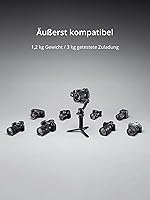
  • Payload Capacity: The gimbal supports a maximum payload of 3kg, which covers most DSLR and mirrorless setups with attached lenses.
  • Stabilization System: It uses DJI's Titan Stabilization Algorithm with a SuperSmooth mode designed to handle longer telephoto lenses up to 100mm.
  • Display: A built-in 1-inch OLED screen allows users to adjust gimbal settings directly without a phone connection.
  • Mounting Plate: The camera mount is a dual-layer Manfrotto plus Arca-compatible plate that supports quick camera swaps.
  • Portrait Mode: A one-tap switch rotates the camera into portrait orientation for vertical video without manual rebalancing.
  • Battery Life: The built-in battery provides up to 14 hours of runtime on a single charge.
  • Charging: The battery supports fast charging to reduce downtime between shoots.
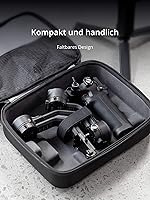
  • Folded Dimensions: When folded, the gimbal measures 260 x 210 x 75mm, smaller than a sheet of A5 paper.
  • Item Weight: The gimbal itself weighs 3.15kg before any camera or accessories are attached.
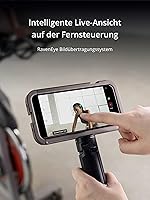
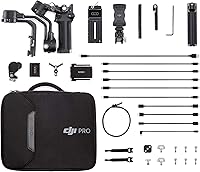
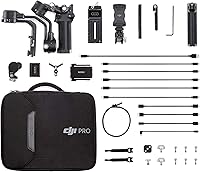
  • Pro Combo Accessories: The Pro Combo bundle includes a focus motor and an image transmission unit for wireless monitoring.
  • Camera Compatibility: It supports a wide range of DSLR and mirrorless cameras from Sony, Nikon, Canon, Panasonic, and Fujifilm.
  • App Requirements: The DJI Ronin app requires iOS 11.0 or later, or Android 7.0 or later, for full functionality.
  • Axis Configuration: The stabilizer operates on three axes (pan, tilt, and roll) to smooth out camera movement.
  • Design Type: The gimbal uses a foldable handle design for compact storage and travel.

Related Reviews

DJI RS 2 3-Axis Gimbal Stabilizer
81%
93%
Build Quality
91%
Stabilization Performance
89%
Payload Capacity
84%
Touchscreen Usability
81%
Balancing & Setup
More
DJI RS 4 Pro Combo
DJI RS 4 Pro Combo
79%
93%
Motor Strength & Payload Handling
81%
LiDAR Autofocus Accuracy
88%
Native Vertical Shooting
86%
Combo Bundle Value
78%
Battery Life
More
DJI Ronin-SC Pro Combo Handheld Gimbal
78%
91%
Stabilization Performance
88%
Build Quality
86%
Battery Life
83%
Value for Money
62%
Setup & Balancing
More
DJI RS 4 Gimbal Stabilizer
81%
93%
Stabilization Performance
88%
Balancing Experience
91%
Native Vertical Shooting
89%
Build Quality & Materials
86%
Battery Life
More
ZHIYUN Crane 4 Combo 3-Axis Gimbal Stabilizer
77%
91%
Stabilization Performance
88%
Motor Strength & Payload Handling
93%
Build Quality & Materials
61%
Balancing Ease
84%
Built-in Fill Light
More
Zhiyun Weebill S
Zhiyun Weebill S
76%
83%
Stabilization Performance
91%
Battery Life
78%
Build Quality & Durability
86%
Ergonomics & Comfort
88%
Camera Compatibility
More
FeiyuTech SCORP Mini 2 Gimbal Stabilizer
75%
78%
AI Tracking Performance
84%
Stabilization Quality
82%
Build Quality & Feel
86%
OLED Touchscreen Usability
81%
Quick-Release System
More
Timetec TP01 1TB Portable External SSD
83%
88%
Value for Money
71%
Real-World Transfer Speed
84%
Build Quality
91%
Portability
86%
Compatibility
More
PNY Pro Elite V2 1TB Flash Drive
79%
91%
Transfer Speed
93%
Build Quality
67%
Thermal Management
88%
Capacity Utility
74%
Value for Money
More
PNY PRO Elite V3 2TB Flash Drive
82%
84%
Transfer Speed
91%
Build Quality
93%
Storage Capacity
86%
Mobile Device Integration
88%
Compatibility
More

FAQ

Most users get close to the full 14-hour rating during typical use, though that drops a bit with heavier lenses or constant motor adjustments. If you're shooting a full wedding day, it's usually enough without needing a backup battery. Fast charging helps if you do need a quick top-up between sessions.

Yes, the 3kg payload capacity and SuperSmooth mode are specifically built to handle longer lenses up to around 100mm. You'll want to balance the camera carefully on the plate first, since heavier setups take a bit more patience to get right. Once balanced, the stabilization holds up well even with bigger glass attached.

It's a meaningful step up if you've outgrown the Ronin SC's smaller payload limits or need the extra accessories in the Pro Combo. If you're shooting lighter mirrorless bodies exclusively, the difference may feel less dramatic day to day. The added focus motor and image transmission are the real value-adds for most upgraders.

The Pro Combo adds a focus motor and an image transmission unit on top of the base stabilizer. These let you control focus remotely and wirelessly monitor your shot, which is handy for solo shooters working without a dedicated assistant.

There's a genuine learning curve, especially with heavier DSLR rigs. Most people get comfortable within a few practice sessions, though some buyers mention needing extra plates or small weights to get an awkward camera shape balanced just right.

Yes, folded dimensions come in at 260 x 210 x 75mm, which is genuinely compact for what it offers. It slides into most camera backpacks alongside a body and a couple of lenses without much fuss.

It's actually quite practical. Being able to tweak settings right on the gimbal, rather than pulling out your phone and opening an app, saves real time during a shoot. It's one of those small features that becomes more appreciated with regular use.

It works with a broad range of DSLR and mirrorless cameras from Sony, Nikon, Canon, Panasonic, and Fujifilm. It's always worth double-checking your exact camera and lens combination against the weight limit before buying, especially with heavier bodies.

Owners generally report that the folding hinge and overall construction hold up well after months of regular field use. As with any folding mechanism, it's worth handling it carefully when collapsing or extending it to avoid unnecessary wear.

It depends on how serious you are about video quality. If you're just shooting quick phone clips, it's probably more capability than you need. But if you're regularly switching between landscape and vertical content with a real camera, the portrait mode and stabilization genuinely earn their place.