
Overview

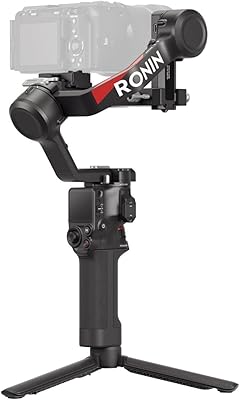
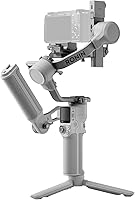
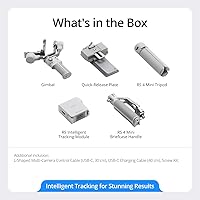
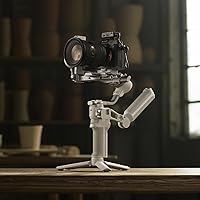
The DJI RS 4 Mini Combo launched in early 2025 as DJI's answer to solo shooters who want capable stabilization without the bulk of the full RS 4. It sits a step below that model in the lineup, but the Combo bundle adds real value — you get the RS Intelligent Tracking Module, a Briefcase Handle, and a tripod included out of the box. At a premium price point, you're paying for a polished, ready-to-shoot package rather than a bare gimbal. The build quality is genuinely impressive, but this is a focused tool. Filmmakers chasing high-payload cinema rigs should look elsewhere; this gimbal is built for agile, lightweight work.

Features & Benefits

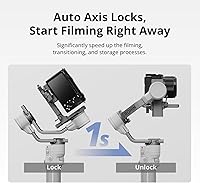
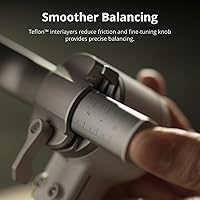
What sets this gimbal apart in day-to-day use starts with the auto axis locks. Where older gimbals had you fiddling with manual clamps before every shoot, this one is camera-ready in about a second — a small detail that matters enormously when you're catching a fleeting moment. The RS Intelligent Tracking Module handles subject framing during orbit shots or self-filming, which is genuinely useful for solo work. Balancing is faster thanks to Teflon-enhanced mechanics, and switching to vertical orientation takes under ten seconds — a real advantage for anyone producing content for Instagram Reels or Shorts. The tested payload handles most mirrorless bodies comfortably, though heavier lens setups will push that limit.

Best For

This gimbal really shines in the hands of solo videographers — people who shoot without a crew and need their gear to keep up with them. If you regularly flip between landscape and portrait framing, the fast vertical switch alone is worth considering. Travel creators will appreciate the compact folded footprint and the fact that it weighs just under two pounds. Hybrid shooters running a Sony ZV-E10, Canon EOS R50, or similar compact mirrorless cameras will find the payload ceiling more than adequate. And if you've been piecing together accessories separately, the Combo configuration bundles the tracking module and handle into one purchase, which makes the premium pricing easier to justify.

User Feedback

Buyers consistently highlight the setup speed and axis lock reliability as standout positives — the kind of friction-free experience that makes you actually want to use the gear. Battery endurance also gets frequent praise; thirteen hours of runtime is enough for a full day of shooting without reaching for a charger. On the less positive side, the non-detachable battery is a genuine inconvenience for longer productions where swapping packs would be ideal. Worth flagging: the DJI Ronin app was pulled from Google Play, so Android users must sideload it via DJI's website — not a dealbreaker, but an annoying extra step. Those upgrading from a standard RS 4 often note the Mini trades some payload headroom for portability.

Pros

  • Auto axis locks get you shooting in about one second — a meaningful advantage when moments do not wait
  • The RS Intelligent Tracking Module handles solo orbit shots and follow footage without needing a second person
  • Battery endurance easily covers a full day of shooting on a single charge
  • Vertical orientation switch takes under ten seconds, keeping social-first content workflows fast
  • Aluminum alloy construction feels genuinely premium and instills confidence in outdoor conditions
  • The Combo bundle eliminates the hassle of sourcing a tracking module, handle, and tripod separately
  • Fourth-generation stabilization keeps handheld footage clean even during brisk movement
  • Compact folded footprint makes this gimbal a realistic everyday travel companion
  • The 1.4-inch color touchscreen lets you adjust settings on the fly without pulling out your phone
  • At its weight class, this gimbal handles the majority of popular compact mirrorless cameras without strain

Cons

  • The fixed, non-detachable battery becomes a real problem during multi-day shoots far from reliable power
  • Android users must sideload the companion app manually after its removal from Google Play
  • Payload headroom disappears quickly with full-frame bodies or heavier telephoto lenses
  • Tracking lock can struggle to recover automatically when a subject briefly moves behind an obstacle
  • High follow mode sensitivity occasionally introduces unwanted micro-movements during intentional stationary shots
  • Touchscreen visibility drops significantly in direct sunlight, making outdoor menu navigation frustrating
  • First-time gimbal users may find the balancing process confusing without better out-of-box guidance
  • Smartphone mounting feels like an afterthought compared to the polished camera-body experience
  • Buyers who already own DJI accessories will find the Combo premium harder to justify
  • Extended handheld sessions without the Briefcase Handle can cause earlier fatigue than expected

Ratings

The DJI RS 4 Mini Combo earns consistently high marks from solo creators and travel videographers worldwide, and the scores below reflect exactly that — an AI-synthesized breakdown drawn from thousands of verified buyer reviews, with spam, bot activity, and incentivized feedback actively filtered out. Categories are scored independently to surface both where this gimbal genuinely delivers and where real-world frustrations emerged. Nothing is glossed over.

Setup Speed
93%
The auto axis locks are the single most praised feature across buyer feedback. Shooters report going from bag to rolling in under two seconds, which changes how spontaneously you can operate on location. For run-and-gun documentary work or street videography, that kind of readiness is hard to overstate.
A small number of users noted that the auto lock mechanism occasionally requires a manual nudge if the gimbal has been packed under pressure. It is a rare complaint, but worth knowing if you plan to pull it from a tightly packed bag repeatedly.
Stabilization Performance
91%
The fourth-generation algorithm keeps footage locked and smooth even during brisk walking or quick panning movements. Users filming weddings and events noted that the footage required minimal post-processing stabilization, which saves real time in the edit.
At the edges of the payload limit — particularly with longer prime lenses — a handful of users reported occasional micro-jitter during aggressive direction changes. It is not a dealbreaker, but those pushing the weight ceiling consistently should account for it.
Intelligent Tracking
84%
The RS Intelligent Tracking Module lands well for solo creators shooting outdoor content, tutorials, or fitness videos. Users found subject lock-on to be reliable across moderate distances, and the orbit shot capability in particular received enthusiastic feedback from vloggers working without assistants.
Tracking performance drops noticeably in low-contrast environments or scenes with busy backgrounds. Several users flagged that the module occasionally loses lock when the subject moves behind an obstacle, requiring manual reacquisition rather than automatic recovery.
Build Quality & Materials
89%
The aluminum alloy arm construction feels genuinely premium in hand — not the hollow plasticky sensation you get from budget stabilizers in this category. Multiple users specifically mentioned that the finish and joint tolerances inspire confidence when shooting in demanding outdoor conditions.
The weight of the aluminum build, while reassuring, does add up over extended shoulder sessions. A few users doing multi-hour shoots noted hand fatigue earlier than expected, especially when the Briefcase Handle is not in use.
Vertical Shooting Switch
88%
For anyone producing content destined for Instagram Reels, YouTube Shorts, or TikTok, the fast orientation flip is a meaningful workflow improvement. Users reported switching cleanly in well under ten seconds without needing to rebalance the camera afterward, which keeps momentum on fast-paced shoots.
The vertical mode works best with lighter camera and lens combinations. A couple of users found that heavier setups near the payload limit required minor rebalancing after flipping to portrait orientation, adding a step that undercuts the speed advantage slightly.
Battery Life
86%
Up to thirteen hours of operational runtime is a recurring highlight in buyer feedback, with many users confirming they completed full-day event shoots without charging. For travel creators who dislike carrying power banks, this endurance is a genuine practical advantage.
The non-detachable battery is a frustration for professional users who prefer swapping packs between shoots. If you are deep into a multi-day remote project with no reliable charging access, the fixed battery becomes a logistical constraint rather than a convenience.
Companion App Experience
58%
42%
Users who accessed the DJI Ronin app via DJI's official website found the feature set capable and reasonably intuitive once installed. Advanced controls like custom follow modes and motor tuning are accessible from the app for those willing to invest time in setup.
The removal of the DJI Ronin app from Google Play is a persistent and legitimate complaint from Android users. Sideloading an app from a third-party source is an unfamiliar and uncomfortable step for many buyers, and the friction it creates during initial setup has cost this category meaningful points.
Payload Versatility
76%
24%
The tested payload handles the vast majority of popular mirrorless bodies paired with standard zoom lenses without issue. Vloggers using Sony ZV-E10, Canon EOS R50, or Fujifilm X-S20 setups praised how effortlessly the gimbal managed their rigs throughout extended shoots.
Users with heavier mirrorless bodies or professional lenses regularly bump into the ceiling. The RS 4 Mini Combo is not the right tool for a full-frame body with a fast telephoto — buyers in that segment would be better served by the larger RS 4.
Portability & Travel-Friendliness
87%
At just under two pounds, this gimbal disappears into a travel bag without dominating your kit. Folded down, the footprint is compact enough to fit in a dedicated sleeve alongside a camera body, which travel filmmakers specifically called out as a deciding factor.
The folded dimensions, while good, are not class-leading. A few users comparing it against smaller handheld stabilizers noted that certain ultra-compact competitors fold down more aggressively, though typically with trade-offs in build quality.
Combo Bundle Value
83%
The inclusion of the RS Intelligent Tracking Module, Briefcase Handle, and tripod in one box resonated strongly with buyers who had previously pieced together accessories for older gimbals. The bundled approach removes decision fatigue and delivers a genuinely complete shooting kit.
Users who already own some of these accessories from previous DJI gimbals found the Combo pricing harder to justify. If you only need the tracking module and already have a tripod, the value calculation shifts considerably.
Touchscreen Usability
79%
21%
The 1.4-inch full-color LCD punches above its size for a gimbal display. Users appreciated being able to adjust settings and monitor basic parameters without reaching for their phone, particularly during fast-moving shoots where pulling out an app wastes time.
The screen is functional rather than impressive. In direct sunlight, visibility drops noticeably, and the small size means navigating deeper menu settings can feel fiddly. Power users often end up defaulting to the app anyway for anything beyond basic adjustments.
Follow Mode Responsiveness
82%
18%
Responsive Follow Mode drew consistent praise from shooters doing orbit sequences and dynamic walking shots. The immediate reaction to hand movements translates into footage that feels alive and intentional rather than floaty, which is a meaningful creative advantage.
The high sensitivity of Responsive Follow Mode can work against you in stationary or subtle shooting scenarios. A few users noted they needed to dial back sensitivity settings manually to avoid unintended micro-movements when the goal was a locked, deliberate shot.
Ease of Balancing
85%
The Teflon-enhanced balancing system made a noticeable difference according to users who had previously owned older RS-series gimbals. Adjustments during fast-paced shoots where you are swapping between lenses feel quicker and less frustrating than before.
First-time gimbal users still found the balancing process confusing without hands-on instruction. The manual and in-app guidance received mixed reviews, with some buyers recommending tutorial videos from third parties as a better starting point than official documentation.
Smartphone Compatibility
71%
29%
The ability to mount and stabilize a smartphone alongside mirrorless cameras makes this gimbal a more versatile option for creators who shoot hybrid content across platforms. Users running behind-the-scenes smartphone footage alongside their main camera appreciated the flexibility.
Smartphone use feels like a secondary function rather than a primary design consideration. The mounting process for phones is less polished than camera setup, and the overall experience is noticeably smoother when using a dedicated mirrorless body.

Suitable for:

The DJI RS 4 Mini Combo was clearly built with a specific type of creator in mind, and if you fit that profile, it is hard to argue against it. Solo videographers who shoot without a crew will get the most out of the RS Intelligent Tracking Module — being able to handle orbit shots or walk-and-talk sequences without an assistant genuinely opens up creative possibilities. Travel filmmakers will appreciate that the whole rig folds down small enough to slip into a carry-on sleeve, and at just under two pounds it does not dominate your pack the way a full-size gimbal would. Content creators who regularly produce for Instagram Reels, YouTube Shorts, or TikTok will find the fast vertical switch a practical daily advantage rather than a novelty. Hybrid shooters running popular compact mirrorless cameras — Sony ZV-E10, Canon EOS R50, Fujifilm X-S20 — will find the payload headroom comfortable without ever feeling like they are pushing limits. And if you have been buying gimbal accessories piecemeal over the years, the bundled-in tracking module, Briefcase Handle, and tripod make the all-in pricing feel far more reasonable.

Not suitable for:

The DJI RS 4 Mini Combo has clear boundaries, and buyers who fall outside its intended use case will likely feel the friction quickly. If your primary camera is a full-frame body paired with a heavy zoom or telephoto lens, the payload ceiling is a real constraint — not a theoretical one — and you will be better served by the larger RS 4. Professional videographers on multi-day remote shoots will find the non-detachable battery a genuine operational headache, since you cannot simply swap packs when power runs low far from a charging point. Android users should also know upfront that the companion app was removed from Google Play and must be sideloaded from DJI's website, which is an extra friction point that some buyers find genuinely off-putting at setup. Cinematographers who need ultra-precise, locked-off shots for scripted productions may also find that the responsive follow modes — tuned for dynamic run-and-gun work — require additional configuration to achieve the controlled stillness that narrative work demands. If you already own a tripod, a tracking module, and a handle from a previous DJI gimbal, the Combo bundle loses much of its pricing logic.

Specifications

  • Gimbal Weight: The gimbal body weighs 890g (approximately 2 lbs), making it light enough for extended handheld use without excessive fatigue.
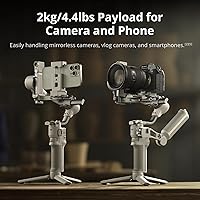
  • Tested Payload: Supports a maximum tested payload of 2kg (4.4 lbs), covering most compact mirrorless cameras, vlog cams, and smartphones.
  • Folded Dimensions: When folded, the gimbal measures 9.29 x 2.52 x 12.44 inches, compact enough to fit in a dedicated sleeve within a travel bag.
  • Arm Material: The gimbal arm is constructed from aluminum alloy, providing a rigid, premium-feel frame that holds up to regular field use.
  • Axis Locks: Features 2nd-generation automated axis locks that secure all axes simultaneously, enabling a camera-ready state in approximately one second.
  • Stabilization: Runs DJI's 4th-generation stabilization algorithm, which continuously adjusts motor output to compensate for handheld movement and directional changes.
  • Touchscreen: Equipped with a 1.4″ full-color LCD touchscreen for on-gimbal menu navigation, mode switching, and basic parameter adjustments without requiring the app.
  • Battery Runtime: Rated for up to 13 hours of continuous operation on a full charge under standard shooting conditions.
  • Battery Type: Uses a built-in, non-detachable rechargeable battery that cannot be swapped in the field — charging via cable is required when depleted.
  • Vertical Shooting: 3rd-generation native vertical shooting system allows the camera orientation to switch from landscape to portrait in under 10 seconds.
  • Joystick Control: The joystick supports dual-function control, switchable between zoom control and direct gimbal axis movement depending on shooting mode.
  • Follow Mode: Responsive Follow Mode enables the gimbal to react instantly to hand movements, designed for dynamic orbit shots and fast-paced directional changes.
  • Compatible Devices: Officially compatible with mirrorless cameras, compact vlog cameras, and smartphones from Canon, Sony, Nikon, Panasonic, and Fujifilm.
  • Tracking Module: The included RS Intelligent Tracking Module attaches to the gimbal and enables autonomous subject tracking for solo filming and orbital sequences.
  • Box Contents: The Combo package includes the RS 4 Mini gimbal, RS Intelligent Tracking Module, Briefcase Handle, tripod, and associated mounting hardware.
  • Balancing System: Teflon-enhanced balancing mechanics reduce friction during axis adjustment, allowing faster camera balance setup compared to earlier RS-series models.
  • Market Rank: Holds the number 2 position in the Professional Video Stabilizers category on Amazon as of its listing data.
  • Availability: First made available for purchase on February 20, 2025, positioning it as a current-generation stabilizer within DJI's active RS product lineup.

Related Reviews
DJI RS 4 Pro Combo
DJI RS 4 Pro Combo
79%
93%
Motor Strength & Payload Handling
81%
LiDAR Autofocus Accuracy
88%
Native Vertical Shooting
86%
Combo Bundle Value
78%
Battery Life
More
DJI RS 3 Combo
DJI RS 3 Combo
88%
96%
Stabilization Performance
91%
Build Quality
88%
Ease of Setup
90%
Battery Life
85%
Portability
More
DJI Osmo Action 4 Essential Combo
87%
94%
Video Quality
92%
Stabilization Performance
88%
Battery Life
91%
Low-Light Performance
90%
Waterproofing
More
DJI RS 4 Gimbal Stabilizer
81%
93%
Stabilization Performance
88%
Balancing Experience
91%
Native Vertical Shooting
89%
Build Quality & Materials
86%
Battery Life
More
DJI RS 2 Combo 3-Axis Gimbal Stabilizer
86%
94%
Stabilization Performance
89%
Build Quality
86%
Ease of Use
82%
Battery Life
91%
Weight and Portability
More
DJI SDR Transmission Combo
87%
91%
Performance Over Long Distances
88%
Low Latency (35 ms)
83%
Ease of Setup for Professionals
89%
Transmission Quality
94%
Range (3 km / 10,000 ft)
More
DJI Osmo Mobile 3 Combo
87%
88%
Performance
90%
Build Quality
93%
Ease of Use
95%
Portability
82%
Battery Life
More
DJI Action 2 Power Combo 32GB
85%
89%
Video Quality
92%
Stabilization Performance
94%
Portability & Size
80%
Battery Life
88%
Magnetic Design & Accessories
More
DJI Osmo Action 3 Adventure Combo
86%
91%
Video Quality
89%
Stabilization Performance
87%
Battery Life
93%
Durability & Waterproofing
85%
Ease of Use
More
Apple iPad Mini 4 32GB (Renewed)
84%
91%
Value for Money
94%
Portability
89%
Display Quality
85%
Battery Life
81%
Performance
More

FAQ

It depends on your specific body and lens combination. The gimbal is rated for up to 2kg total camera weight, which covers many entry-level full-frame bodies with a lightweight prime lens. However, pair a heavier full-frame camera with a fast zoom and you will likely exceed that limit. For full-frame shooters with larger glass, the standard RS 4 is a safer fit.

Yes, and it is worth knowing upfront. The DJI Ronin app was removed from Google Play, so Android users cannot install it through the standard store. You will need to download and sideload the APK directly from DJI's official website. It is not complicated, but it is an extra step that catches some buyers off guard during first-time setup.

You can, and the gimbal officially supports smartphones alongside mirrorless cameras. That said, the smartphone mounting experience is noticeably less polished than the camera setup — it works, but it feels like a secondary use case rather than a core design priority. If most of your shooting is phone-based, a dedicated smartphone gimbal might serve you better.

With a bit of practice, most users get a mirrorless body balanced in two to three minutes. The Teflon-enhanced mechanics make the adjustment process smoother than older RS gimbals, and the auto axis locks hold everything in place once balanced. First-timers may take longer initially, and watching a third-party tutorial video is genuinely more helpful than the included documentation.

It is achievable but represents an optimistic best-case figure. Under typical shooting conditions — active motors, tracking module in use, regular joystick input — most users report somewhere between 9 and 11 hours before needing to charge. That is still excellent endurance for a full day of work, but do not plan a 12-hour shoot expecting to finish on a single charge without monitoring the battery level.

The main differences come down to size, weight, and payload. This gimbal is lighter and more compact, making it ideal for travel and solo run-and-gun work, but its payload ceiling is lower. The RS 4 supports heavier camera rigs and is better suited to professional full-frame setups. If you shoot with a compact mirrorless and value portability, the Mini is the smarter choice. If you regularly use heavy lenses or a larger body, go with the RS 4.

Because this is the Combo version, the RS Intelligent Tracking Module is already included in the box — no additional purchase needed. If you were looking at the standalone gimbal version, you would need to buy the tracking module separately. That is one of the clearest arguments for choosing the Combo bundle if intelligent tracking matters to your workflow.

Faster than you might expect. The 3rd-generation vertical shooting system lets you flip from landscape to portrait in roughly 8 to 10 seconds without needing to rebalance for lighter camera setups. For heavier combinations near the payload ceiling, you may need a small rebalance adjustment after flipping. For social content creators who regularly switch orientations mid-shoot, it is a genuinely useful feature.

Yes, the gimbal operates fully without the Briefcase Handle attached. The handle is an optional accessory included in the Combo for low-angle shots and alternate grip positions. Without it, you hold the main gimbal grip directly, which is the standard operating configuration. The handle simply expands your shooting angles and can be added or removed as the shoot requires.

It depends on your ambitions and budget. This is a premium-tier tool with a learning curve — getting the most out of auto-tracking, follow modes, and balancing takes some time to figure out. If you are just beginning and are not sure yet whether video is a long-term commitment, a mid-range gimbal might be a more sensible starting point. But if you know you are serious about solo video creation and want a kit that will not limit you as you grow, this gimbal will serve you well for years.