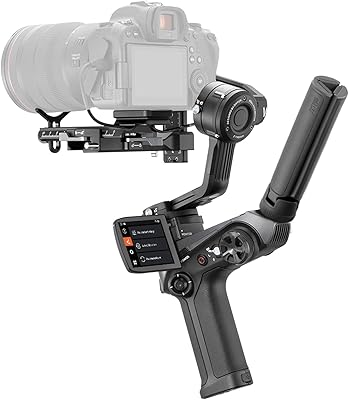
DJI RS 2 3-Axis Gimbal Stabilizer

Overview
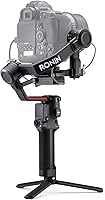
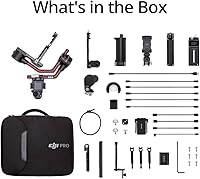
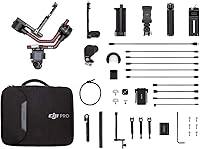
The DJI RS 2 3-Axis Gimbal Stabilizer sits at the top of DJI's single-handed gimbal lineup, built for professional videographers and serious enthusiasts who need dependable stabilization with heavier camera setups. What separates it from mid-range alternatives is a combination of carbon fiber construction and an advanced stabilization algorithm that noticeably improves handheld footage quality. The Combo version includes useful extras — a focus motor, carrying case, and additional mounting hardware — making it a more complete solution right out of the box. Supporting up to 10 lbs on a body weighing just 3.3 lbs, the RS 2 achieves a weight-to-payload ratio that remains unmatched in this category. This is purpose-built gear for professional use.
Features & Benefits
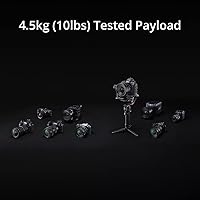
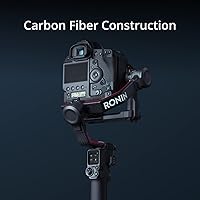
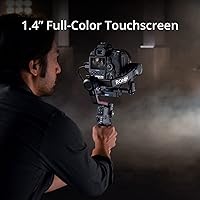
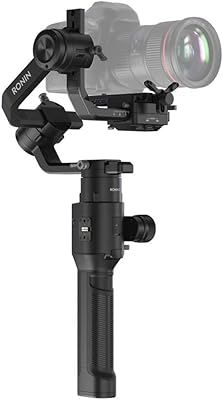
The axis arms on this gimbal are built from monocoque carbon fiber, which keeps the overall weight down while handling rigs pushing close to 10 lbs — think a full-frame body paired with a heavy zoom lens and a small monitor. That 10lb tested payload is a real differentiator for shooters who refuse to strip down their rig just to use a stabilizer. The 1.4-inch touchscreen is genuinely useful on set; you can pull up ActiveTrack 3.0 or tweak motor settings without reaching for your phone. The dual-layer mounting plate supports both Manfrotto and Arca-Swiss standards, and a fine-tune knob makes switching between camera bodies surprisingly quick. Detachable batteries and Ronin Image Transmitter support round out an impressively capable package.
Best For
This gimbal is an ideal fit for wedding and event videographers who regularly switch between camera bodies and need to rebalance quickly without fumbling through menus. Independent filmmakers running heavier mirrorless or DSLR setups will appreciate the payload headroom — there is no need to leave accessories behind. Content creators stepping up from entry-level stabilizers will find the mounting options and tracking features far more capable than what they are used to. The RS 2 covers a wide range of brands — Sony, Canon, Nikon, Fuji, Panasonic — so it won't become obsolete on your next body upgrade. Anyone who prefers keeping their phone pocketed mid-shoot will value the on-device controls more than they expect.
User Feedback
Owners consistently praise the build quality and how intuitive the balancing process becomes after a few sessions, with the touchscreen responsiveness earning specific callouts for keeping workflows smooth on set. On the critical side, first-time gimbal users frequently mention a steep learning curve, particularly around motor tuning and initial setup — it is not a pick-up-and-go experience for newcomers. Intermittent Bluetooth pairing hiccups appear occasionally in reviews, though these seem to be isolated rather than widespread. Battery life holds up well for standard shooting days, but longer productions will want a spare on hand. Price opinions split predictably: working cinematographers tend to see the value clearly, while those comparing it to lower-cost rivals like the Zhiyun Crane 3S sometimes question whether the premium is fully justified.
Pros
- Carbon fiber construction keeps weight low without sacrificing rigidity under demanding payloads.
- A 10lb tested payload supports fully kitted-out rigs — lenses, monitors, and follow-focus motors included.
- The 1.4-inch touchscreen lets you adjust settings and activate tracking without reaching for your phone.
- Broad compatibility across Sony, Canon, Nikon, Fuji, and Panasonic bodies makes it future-proof across brand switches.
- The fine-tune balancing knob makes swapping between camera bodies noticeably faster on busy shoot days.
- Manfrotto and Arca-Swiss plate support means most photographers can skip the adapter drawer entirely.
- The second-generation stabilization algorithm handles uneven terrain and quick direction changes with genuine composure.
- Detachable batteries allow fast swaps mid-shoot without interrupting a scene or setup.
- The Combo version bundles the focus motor and carry case, adding real value for shooters building out a full rig.
- DJI's firmware update track record means the RS 2 has improved meaningfully since its original release.
Cons
- Initial balancing and motor tuning requires a real time investment that catches first-time users off guard.
- Bluetooth connectivity between the gimbal and the Ronin app drops often enough to frustrate users during active shoots.
- Both included batteries can run dry on a full-day wedding or documentary production without a spare on hand.
- Motor hum becomes audible at higher strength settings, which can be problematic when recording with sensitive on-camera microphones.
- Electronic integration depth varies noticeably between camera brands, with some advanced autofocus and shutter features working inconsistently.
- Certain firmware updates have introduced new bugs — including reduced touchscreen sensitivity — rather than clean improvements.
- Stabilization quality dips when running close to the maximum payload, particularly during rapid panning movements.
- The carry case adds bulk for travel-heavy shooters already managing a full camera bag and additional grip gear.
- ActiveTrack performance weakens significantly in low-light or visually cluttered environments, limiting its usefulness in real event conditions.
- The price premium over competing stabilizers is difficult to justify for shooters using lighter rigs who will never push the payload limits.
Ratings
The DJI RS 2 3-Axis Gimbal Stabilizer consistently ranks among the most-reviewed professional stabilizers on the market, and the scores below reflect an AI-driven analysis of verified global buyer feedback, with spam, bot-generated, and incentivized reviews actively filtered out. Across thousands of real-world assessments — from wedding shooters and independent filmmakers to hybrid photographers stepping up their video work — both the standout strengths and the genuine frustrations are represented here without sugarcoating.
Build Quality
Stabilization Performance
Payload Capacity
Touchscreen Usability
Balancing & Setup
Battery Life
Camera Compatibility
Software & App Integration
Portability
Mounting Versatility
ActiveTrack Performance
Value for Money
Motor Strength & Noise
Firmware & Long-term Support
Suitable for:
The DJI RS 2 3-Axis Gimbal Stabilizer is built for working professionals and dedicated enthusiasts who regularly shoot with heavier DSLR or mirrorless camera setups and cannot afford unreliable stabilization during paid work. Wedding and event videographers will find particular value here — the fast rebalancing system and broad camera compatibility across major brands mean switching rigs between ceremonies and receptions is far less painful than with most competing options. Independent filmmakers and documentary shooters who build out rigs with follow-focus motors, small monitors, or external recorders will appreciate having genuine payload headroom rather than constantly worrying about motor strain. The on-device touchscreen is a meaningful workflow advantage for solo operators who need to adjust tracking or shooting modes without breaking their concentration to hunt through a phone app. Shooters who are already invested in Manfrotto or Arca-Swiss plate ecosystems will slot the RS 2 into their existing workflow without friction, and those planning to integrate it with jibs, sliders, or vehicle mounts will find the mounting architecture genuinely accommodating.
Not suitable for:
The DJI RS 2 3-Axis Gimbal Stabilizer is a poor fit for beginners picking up a gimbal for the first time and expecting an intuitive out-of-the-box experience — the balancing process and motor tuning have a real learning curve that can be genuinely discouraging without prior experience or patience for tutorial videos. Casual videographers who shoot primarily with lightweight mirrorless bodies and kit lenses are effectively paying a significant premium for payload capacity they will never use, and competing gimbals at lower price points will serve their needs just as well. Users who rely heavily on smartphone-based app control for creative modes may find the recurring Bluetooth pairing issues more disruptive than acceptable, particularly on longer shoots where reliability is non-negotiable. Anyone shooting full-day productions without backup power should budget for additional batteries, since the included pair will not always last through demanding schedules. Finally, shooters working in tight budget constraints who are weighing this against lower-cost alternatives like the Zhiyun Crane 3S should honestly assess whether their current rig and workflow justify the price difference — for lighter payloads and simpler setups, the premium is harder to rationalize.
Specifications
- Gimbal Weight: The RS 2 weighs 1.5 kg (3.3 lbs) without a camera mounted, making it manageable for extended single-handed use during long shoots.
- Tested Payload: The gimbal supports a tested payload of up to 4.5 kg (10 lbs), accommodating heavy DSLR and mirrorless rigs with lenses, monitors, and accessories attached.
- Axis Arms: All three axis arms are constructed from monocoque carbon fiber, providing high rigidity under load while keeping overall weight significantly lower than aluminum alternatives.
- Stabilization: A 3-axis, second-generation stabilization algorithm actively compensates for movement across pan, tilt, and roll, reducing micro-jitter during handheld and motion-rig operation.
- Touchscreen: An integrated 1.4″ full-color LCD touchscreen allows direct access to shooting modes, motor settings, and ActiveTrack 3.0 without requiring a paired smartphone.
- Mounting Standard: The dual-layer camera mounting plate is compatible with both Manfrotto and Arca-Swiss standards, and includes a fine-tune knob for precise payload balancing.
- Battery Type: Two detachable lithium polymer batteries are included, and the detachable design allows mid-shoot swaps without powering down the gimbal entirely.
- Wireless Frequency: The RS 2 operates on the 2.4 GHz frequency band (2.4000 GHz to 2.4835 GHz) for wireless communication with the Ronin app and compatible accessories.
- Transmission Power: Maximum transmission power is under 8 dBm, in compliance with standard wireless device regulations across most markets.
- Focusing System: The RS 2 supports 3D single-point focus control, enabling precise autofocus adjustments when paired with compatible cameras and the optional focus motor.
- Image Transmitter: The gimbal is compatible with the DJI Ronin Image Transmitter, allowing live video monitoring and remote control from a distance during complex productions.
- App Compatibility: The DJI Ronin app requires iOS 11.0 or above on Apple devices, and Android 7.0 or above on Android devices, for full feature access.
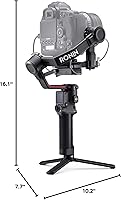
- Dimensions: The RS 2 measures 10.2 x 10.4 x 2.8 inches (approximately 259 x 264 x 71 mm) in its operational configuration.
- Shipping Weight: The total item weight including packaging is 2.87 lbs, which reflects the gimbal body and included accessories ready for dispatch.
- Camera Brands: The RS 2 is compatible with cameras from Sony, Canon, Nikon, Panasonic, Fujifilm, Blackmagic Design, Sigma, Olympus, and Z CAM across a wide range of body types.
- Market Rank: The RS 2 holds a top-5 ranking in the Professional Video Stabilizers category on Amazon, reflecting sustained demand and user satisfaction over time.
- Manufacturer: The RS 2 is designed and manufactured by DJI, headquartered in Shenzhen, China, and carries model number CP.RN.00000094.01.
- Release Date: The RS 2 was first made available for purchase on October 11, 2020, and has received multiple firmware updates since its original launch.
Related Reviews
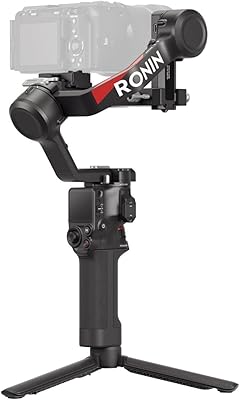
DJI RS 4 Gimbal Stabilizer
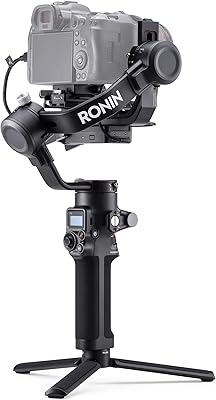
DJI RSC 2 Pro Combo 3-Axis Gimbal Stabilizer
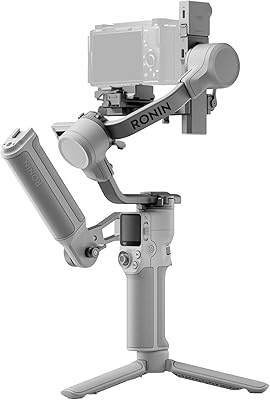
DJI RS 4 Mini Combo
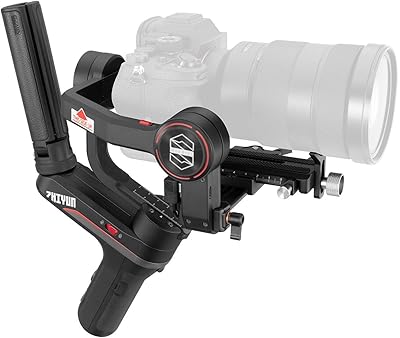
Zhiyun Weebill S
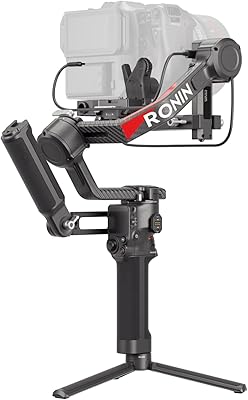
DJI RS 4 Pro Combo
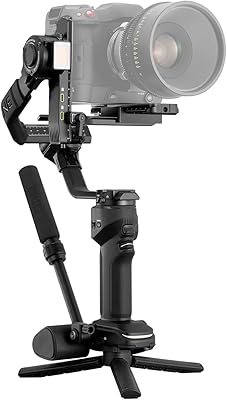
ZHIYUN Crane 4 Combo 3-Axis Gimbal Stabilizer
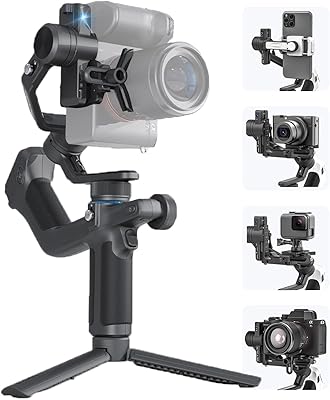
FeiyuTech SCORP Mini 2 Gimbal Stabilizer
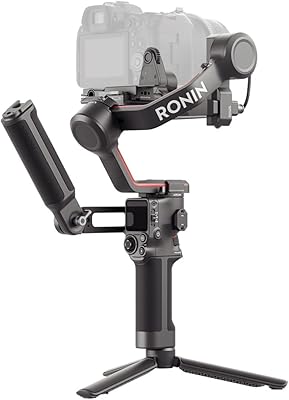
DJI RS 3 Combo Gimbal Stabilizer
DJI Ronin-S Camera Gimbal Stabilizer