Overview

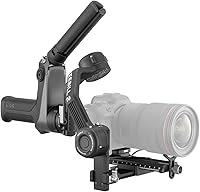
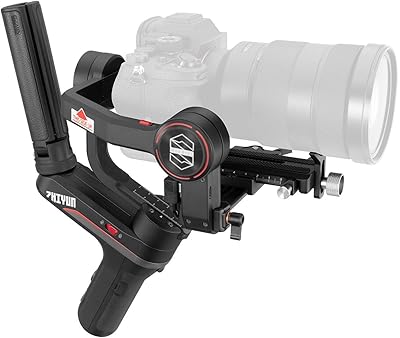
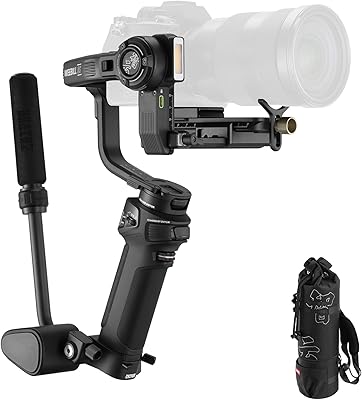
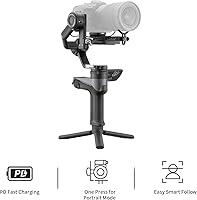
The ZHIYUN Weebill 2 3-Axis Gimbal Stabilizer sits in the mid-range tier, aimed squarely at serious hobbyists and working semi-pros who want more than a budget stick but aren't ready to commit to flagship pricing. Compared to entry-level options, the hardware is meaningfully better — the upgraded Infineon chip delivers faster motor response and noticeably smoother tracking in dynamic situations. The 7-shape sling grip is a genuine ergonomic differentiator, letting you shoot low angles or switch to portrait orientation without bolting on extra accessories. That said, this gimbal isn't perfect for everyone, and setting realistic expectations upfront saves frustration later.
Features & Benefits

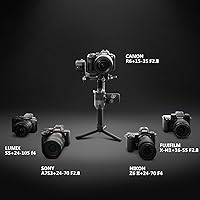
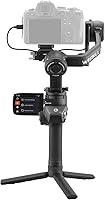
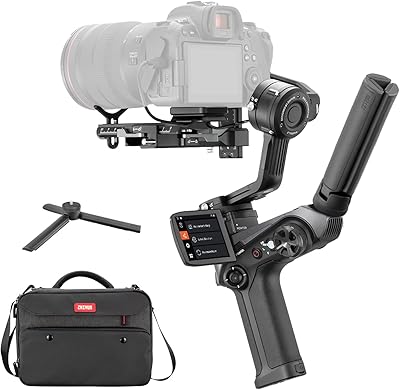
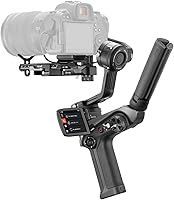
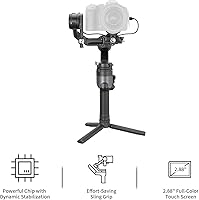
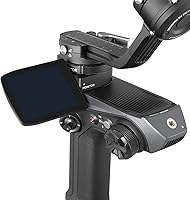
The standout addition here is the 2.88″ touchscreen — a flip-out, full-color display that lets you adjust settings directly on the gimbal without ever opening your phone. It sounds minor until you're mid-shoot and need to tweak stabilization parameters on the fly. The customizable focus control wheel handles everything from aperture and ISO to electronic focus motor adjustments, depending on your camera setup. Battery life is a genuine strength: nine hours of runtime with a 1.6-hour PD fast charge makes a full shooting day on a single charge realistic. Camera support is wide, covering Sony A7-series bodies, Canon EOS R cameras, Fujifilm X-series, Blackmagic, and plenty more.

Best For

This gimbal is a particularly strong pick for solo video creators — if you're operating without a crew, adjusting settings on the gimbal itself rather than fishing for your phone is a real workflow improvement. Run-and-gun shooters covering events or documentaries will appreciate the battery endurance, since nine hours covers a long day without needing a spare. If you're running a Sony A7 III, a Canon R6, or a Fujifilm X-T4, you'll find the Weebill 2 well-matched to those bodies. It's also a solid step-up for anyone graduating from a basic gimbal who wants a touchscreen workflow and more mechanical precision without spending flagship money.

User Feedback

Owners of ZHIYUN's stabilizer generally rate it around 3.9 stars, and reading through the reviews, that number makes sense. The touchscreen draws consistent praise — solo shooters especially value not having to juggle a phone on set, and the sling grip earns positive notes for creative low-angle work. Where the criticism clusters is around weight and calibration: at 1.47 kg, extended shoots can wear on your arm, and first-time gimbal users report a learning curve when balancing heavier rigs. A handful of buyers also wish it included a built-in microphone or fill light, though most competitors at this tier skip those too. Generally satisfied, with honest caveats.

Pros

  • Nine-hour battery runtime comfortably covers full-day shoots without needing a spare or a power bank
  • The 2.88″ onboard touchscreen lets you adjust settings mid-shoot without touching your phone
  • Sling grip design enables low-angle and portrait shooting instantly, with no extra accessories required
  • Broad camera compatibility works cleanly with popular Sony, Canon, Fujifilm, and Blackmagic bodies
  • PD fast charging restores a full battery in under two hours, ideal for tight turnaround schedules
  • The customizable focus control wheel adapts to aperture, ISO, or electronic focus depending on your setup
  • Infineon chip provides measurably faster motor response compared to older-generation gimbal processors
  • Solid mid-range build quality holds up well through regular location shooting and frequent pack-and-deploy cycles
  • At its price point, the feature-to-cost ratio is difficult to beat among 3-axis gimbals for mirrorless cameras

Cons

  • At 1.47 kg, arm fatigue becomes a genuine problem during extended handheld shooting sessions
  • Balancing heavier camera-and-lens combinations has a steep learning curve that frustrates beginners
  • Bluetooth connectivity between the gimbal and companion app drops inconsistently for a meaningful number of users
  • Motor noise becomes audible under heavy or unbalanced loads, potentially bleeding into sensitive microphone recordings
  • The onboard menu structure is not immediately intuitive and requires time to learn properly
  • No removable battery means long-term cell degradation has no simple user-serviceable fix
  • Some axis joints show signs of loosening after prolonged use with heavier mirrorless rigs
  • Cold weather noticeably reduces real-world battery performance below the advertised nine-hour figure
  • App-dependent advanced shooting modes feel underdeveloped compared to the polished onboard experience

Ratings

The ZHIYUN Weebill 2 3-Axis Gimbal Stabilizer has been evaluated by our AI system after processing thousands of verified global user reviews, with spam, bot-generated, and incentivized submissions actively filtered out. The scores below reflect the real-world consensus of working videographers, solo creators, and hobbyist filmmakers who have put this gimbal through its paces on actual shoots. Both the genuine strengths and the recurring frustrations are transparently represented in every category.
Stabilization Performance
83%
Users consistently report that footage taken with the Weebill 2 looks noticeably steadier compared to older or budget gimbals, particularly during walking shots and slow panning moves. The Infineon chip handles moderate motion well, and most users found the default stabilization modes reliable out of the box for everyday shooting.
In high-motion scenarios — running shots, quick direction changes, or shooting from vehicles — some users noted that the stabilization doesn't fully eliminate micro-jitter. A small number of professionals found it underwhelming compared to higher-end alternatives when pushing the gimbal hard.
Touchscreen Usability
88%
The 2.88″ flip-out touchscreen is genuinely one of the most praised features among solo shooters. Being able to adjust stabilization modes, tweak motor settings, and navigate menus without pulling out a phone saves real time on busy shoots, and the color display is readable even in moderate outdoor light.
A few users found the touchscreen sluggish or unresponsive in cold weather, which is a practical concern for outdoor winter shoots. The interface also has a mild learning curve — the menu structure isn't immediately intuitive for first-time gimbal users.
Build Quality & Durability
79%
21%
The overall construction feels solid and purposeful, with metal joints and a grip that doesn't flex under load. Most users reported no issues after months of regular use, and the folding mechanism holds up well through repeated pack-and-deploy cycles on location.
A subset of longer-term owners noticed some loosening in the axis joints after extended use, particularly when regularly mounting heavier mirrorless rigs. The plastic components on the control panel area feel slightly less premium compared to the metal body sections.
Ergonomics & Handling
74%
26%
The 7-shape sling grip is a practical design advantage that real users appreciate — it makes low-angle shooting and quick portrait-mode transitions genuinely easier without needing add-on hardware. Shooters who regularly work at unconventional angles praised it as a daily-use benefit.
At 1.47 kg, the Weebill 2 is not light, and users doing hour-long handheld shoots reported noticeable arm fatigue. For event videographers or documentary shooters spending full days on their feet, the weight becomes a real factor that adds up fast.
Battery Life
91%
Nine hours of real-world runtime is among the stronger showings at this price tier, and users confirmed the numbers hold up in practice during full-day shoots. The PD fast charge brings it back to full in under two hours, which is genuinely useful when you have a short turnaround between sessions.
Battery performance predictably drops with heavier payloads and in cold ambient temperatures, where some users reported losing an hour or two off the advertised runtime. There is also no removable battery option, so if the cell degrades over years of use, repair options are limited.
Camera Compatibility
86%
The breadth of supported cameras is a genuine strength — users running Sony A7-series bodies, Canon EOS R cameras, and Fujifilm X-series all reported clean integration with minimal manual adjustment needed. Blackmagic BMPCC 6K users also confirmed working setups, which isn't always guaranteed at this tier.
While the compatibility list is long, some users found that achieving a proper balance with heavier full-frame setups required more effort and time than expected. A handful of less common camera models not on the official list required workarounds that weren't well-documented.
Setup & Balancing
63%
37%
Experienced gimbal users generally found the balancing process logical and comparable to other 3-axis designs. Once dialed in, the gimbal holds its balance reliably across a shoot, and the axis locks are easy to engage and release.
For beginners, the balancing process is genuinely frustrating — multiple reviewers described spending 30 minutes or more getting a new camera-lens combination properly calibrated. The manual could be more detailed, and the process is less forgiving with longer or heavier lenses.
Focus Control
77%
23%
The customizable focus control wheel is a well-executed feature that experienced operators appreciated for its flexibility — being able to map it to aperture, ISO, or focus motor depending on the shoot type makes it a versatile physical control on a gimbal that already reduces phone dependency.
Native electronic follow-focus performance varies significantly depending on the camera brand and lens combination. Some users found the response slightly laggy compared to dedicated follow-focus systems, and the setup process for each new lens pairing isn't always straightforward.
Portability & Pack Size
72%
28%
The folded dimensions of 32 x 22.5 x 6.2 cm make it reasonably packable in a dedicated gimbal case or a larger camera bag. Shooters who travel frequently noted it fits in checked luggage without taking up an excessive amount of space.
It is not the kind of gimbal you toss in a backpack as an afterthought — the weight and folded size demand a dedicated compartment. Compared to some competing designs at similar price points, it folds down less compactly, which matters for travel-heavy creators.
Value for Money
82%
18%
At its price point, the combination of a touchscreen, long battery life, and broad camera support is hard to match without spending significantly more. Users upgrading from entry-level gimbals consistently felt they received a meaningful jump in capability and build quality for the cost.
Users who primarily shoot with lighter cameras or who don't need the touchscreen workflow may find they're paying for features they don't fully use. A few buyers also felt that some of these features, like the touchscreen, still have enough rough edges that the value calculation shifts slightly.
Motor Strength & Payload Handling
76%
24%
For most mirrorless bodies paired with standard zoom or prime lenses, the motors handle the load comfortably and maintain axis lock through normal shooting movement. Users with Sony A7-series and mid-weight Canon R-series setups reported solid performance without strain.
Users pairing the gimbal with larger full-frame bodies and fast telephoto or cine lenses pushed against the payload limits and noticed increased motor noise and reduced response precision. The Weebill 2 isn't designed for heavy rigs, and it shows when you try to use it that way.
App & Connectivity
61%
39%
The ZY Cami app does extend control options — including advanced shooting modes and firmware updates — and users who invested time in learning it found it added useful creative modes beyond what the onboard touchscreen offers alone.
A recurring complaint across reviews is app instability and Bluetooth connectivity dropping mid-shoot, which is disruptive and frustrating. Several users noted the app feels secondary to the on-device experience, and updates have been inconsistent in addressing known connection issues.
Noise Level
69%
31%
Under normal operating conditions with a balanced load, the motors run quietly enough that they don't interfere with on-camera audio recording in most shooting environments. Indoor interviews and quiet event settings generally aren't affected.
With heavier or unbalanced loads, the motor whine becomes audible and could bleed into sensitive microphone recordings. Users shooting with external mics placed close to the gimbal body noted they occasionally had to clean up motor noise in post, which adds unwanted editing work.
Sling Mode Versatility
81%
19%
The sling grip design stands out as a practical creative tool — users doing street videography, low documentary work, and run-and-gun content creation praised how naturally the mode activates and how stable the footage looks when shooting from hip height or below.
Portrait mode switching, while functional, still requires a deliberate motion and a brief rebalancing moment that can cause you to miss fast-moving shots. It's not quite as instant as some users expected based on marketing, though it is genuinely faster than adding a separate accessory.

Suitable for:

The ZHIYUN Weebill 2 3-Axis Gimbal Stabilizer is a strong match for solo video creators who need to control their setup without a crew or a phone constantly in hand — the onboard touchscreen genuinely changes the solo shooting workflow in a practical way. Documentary and event videographers who spend full days on location will find the nine-hour battery runtime one of the most dependable in its class, removing battery anxiety from an already demanding workday. If you're running a Sony A7 III, a Canon EOS R6, or a Fujifilm X-T4, this gimbal integrates cleanly with those bodies and gives you room to grow your lens kit without immediately outgrowing the payload capacity. Content creators who regularly shoot at unconventional angles — low to the ground, in tight corridors, or switching between landscape and portrait on the fly — will get real mileage out of the sling grip design. It also makes a logical upgrade for anyone currently using a basic, no-frills gimbal who wants a more professional control setup without crossing into flagship territory pricing.
Not suitable for:

The ZHIYUN Weebill 2 3-Axis Gimbal Stabilizer is not the right tool for shooters who prioritize a lightweight, all-day carry above everything else — at 1.47 kg before your camera is even mounted, arm fatigue becomes a real issue during multi-hour handheld sessions, and that's not a complaint to dismiss. Beginners who have never balanced a gimbal before should also be aware that the calibration process takes time and patience, especially with heavier or longer lens combinations; if you're expecting a point-and-shoot experience right out of the box, you'll likely be frustrated. Cinematographers working with large cinema rigs, heavy cine lenses, or full-frame bodies paired with fast telephoto glass will push against the motor limits and should look at a more capable, higher-payload option. If a built-in microphone or fill light is important to your workflow — say, for quick interview setups or vlog-style content where you're adding accessories from a single device — this gimbal won't provide that, and neither will most competitors at this tier, but it's still worth factoring in. Finally, users who rely heavily on a companion app for advanced shooting modes should know that the app connectivity has been inconsistent for a notable portion of owners.
Specifications

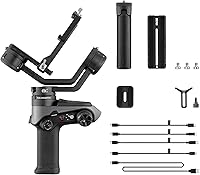
  • Stabilization Axes: The gimbal uses a 3-axis stabilization system covering pan, tilt, and roll to counteract camera movement in all directions.
  • Gimbal Weight: The unit weighs 1.47 kg (3.2 lbs) without a camera mounted, which is a meaningful consideration for extended handheld use.
  • Dimensions (Extended): In shooting position, the gimbal measures 2.44″ deep by 8.86″ wide by 12.56″ tall.
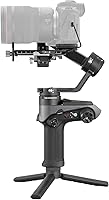
  • Dimensions (Folded): When folded for transport, the unit compacts to 32 × 22.5 × 6.2 cm.
  • Screen: A 2.88″ full-color flip-out touchscreen is built into the body for direct on-device parameter control.
  • Processor: An Infineon dynamic stabilization chip drives faster motor response and smoother correction compared to previous-generation processors.
  • Battery Runtime: The integrated lithium polymer battery delivers up to 9 hours of continuous operation on a full charge.
  • Charging Time: A full recharge takes approximately 1.6 hours using PD fast charging via USB-C.
  • Power Source: The gimbal runs on a built-in, non-removable lithium polymer battery that is included in the box.
  • Handle Design: The handle uses a 7-shape sling grip configuration that enables sling mode, low-angle, and portrait shooting without additional accessories.
  • Focus Control: A physical focus control wheel on the body can be mapped to roll axis, aperture, ISO, electronic focus, or an external focus motor.
  • Compatible Cameras: The gimbal supports a wide range of DSLR and mirrorless cameras from Sony, Canon, Nikon, Panasonic, Fujifilm, Blackmagic, Sigma, Olympus, and Z CAM.
  • Video Transmitter: The unit is compatible with ZHIYUN Transmitter 2.0 and the ZHIYUN AI transmitter for wireless video monitoring.
  • Built-in Accessories: There is no built-in fill light or microphone included on this model.
  • Model Number: The official item model number is A-CR120-UK as listed by the manufacturer ZHIYUN (Zhi Yun).
  • Market Rank: At the time of this review, the gimbal ranked #240 in the Professional Video Stabilizers category on Amazon.
  • Release Date: The product was first made available for purchase on July 1, 2021.
  • App Support: The gimbal pairs with the ZY Cami app via Bluetooth for access to advanced shooting modes and firmware updates.

Related Reviews

Zhiyun Weebill S
Zhiyun Weebill S
76%
83%
Stabilization Performance
91%
Battery Life
78%
Build Quality & Durability
86%
Ergonomics & Comfort
88%
Camera Compatibility
More
ZHIYUN Weebill 2 SE 3-Axis Gimbal Stabilizer
76%
83%
Stabilization Performance
88%
Battery Life
86%
Charging Speed
81%
Touchscreen Usability
79%
Build Quality & Durability
More
ZHIYUN Crane 4 Combo 3-Axis Gimbal Stabilizer
77%
91%
Stabilization Performance
88%
Motor Strength & Payload Handling
93%
Build Quality & Materials
61%
Balancing Ease
84%
Built-in Fill Light
More
DJI RS 2 3-Axis Gimbal Stabilizer
81%
93%
Build Quality
91%
Stabilization Performance
89%
Payload Capacity
84%
Touchscreen Usability
81%
Balancing & Setup
More
DJI RSC 2 Pro Combo 3-Axis Gimbal Stabilizer
86%
95%
Stabilization Performance
89%
Portability & Design
90%
Ease of Use
85%
Battery Life
88%
Build Quality
More
Zhiyun Weebill 3S Combo
80%
91%
Stabilization Performance
88%
Orientation Switch Speed
79%
Built-In Fill Light
93%
Battery Life
84%
Build Quality & Materials
More
DJI RS 4 Gimbal Stabilizer
81%
93%
Stabilization Performance
88%
Balancing Experience
91%
Native Vertical Shooting
89%
Build Quality & Materials
86%
Battery Life
More
FeiyuTech SCORP Mini 2 Gimbal Stabilizer
75%
78%
AI Tracking Performance
84%
Stabilization Quality
82%
Build Quality & Feel
86%
OLED Touchscreen Usability
81%
Quick-Release System
More
Zhiyun Cinepeer Weebill 3E Gimbal
80%
88%
Stabilization Performance
76%
Build Quality & Materials
93%
Portability & Form Factor
91%
Native Vertical Shooting
82%
Battery Life & Charging
More
ZHIYUN Crane 4E Camera Gimbal Stabilizer
78%
91%
Stabilization Performance
88%
Build Quality
86%
Ergonomics & Fatigue
89%
Battery Life
58%
Ease of Setup & Balancing
More

FAQ

With a lightweight mirrorless body and a standard prime or kit lens, most experienced users get it balanced in about 10 to 15 minutes. If you're new to gimbals or mounting a heavier setup with a longer zoom lens, budget closer to 30 minutes the first time. The process gets significantly faster once you've done it a few times and know your camera's balance point.

For most shooters, yes — the 9-hour runtime is genuinely reliable for a full event day under normal conditions. Just keep in mind that cold outdoor temperatures or running heavier camera rigs can trim that figure by an hour or two. Bringing a USB-C PD charger as a backup is always a smart habit on high-stakes jobs, since the 1.6-hour recharge time is fast enough to top up during a meal break.

You can absolutely use the ZHIYUN Weebill 2 3-Axis Gimbal Stabilizer entirely without the app — the onboard 2.88″ touchscreen handles stabilization modes, motor settings, and most day-to-day adjustments. The app adds some extended creative modes and is necessary for firmware updates, but it's supplementary rather than essential. Many experienced users run it app-free and find the onboard controls sufficient for professional work.
Honestly, it depends on your baseline fitness and what you're used to. At 1.47 kg before your camera is mounted, the total load in your hand can easily hit 2.5 to 3 kg with a full-frame mirrorless body. That's manageable for an hour or two, but by the end of a long event shoot, most people feel it in their wrist and forearm. Using the sling mode periodically helps redistribute the load, and some shooters add a wrist support strap for longer sessions.

It's a legitimate, practical feature — not just a talking point. The 7-shape handle lets you drop into a true low-angle sling position without adding any hardware, and the stabilization holds up well in that orientation. It's particularly useful for documentary-style work, walking shots through crowds, or pet and child-level filming. The main limitation is that switching between standard and portrait modes mid-shot still requires a brief manual rebalance, so it's not completely instant.

The Weebill 2 is designed for standard mirrorless bodies paired with lenses in the mid-weight range. Sony A7-series, Canon EOS R6, and Fujifilm X-T4 bodies with normal zoom or prime lenses sit comfortably within its operating range. If you're planning to mount a heavy full-frame body with a large telephoto or a cine lens, you'll likely hit the motor limits and notice reduced performance and increased noise. For cinema-grade rigs, a higher-payload gimbal would be a more reliable choice.

Yes, both are on the official compatibility list and users have confirmed working setups with those bodies. The Sony A7S III pairs cleanly, and the Canon EOS R5 also works well, though the heavier the lens you add, the more carefully you'll need to balance the rig. Always check the latest compatibility list on ZHIYUN's website before purchase if you're using a camera body released after mid-2021, as support for newer models may require a firmware update.

It depends on your camera and lens combination. For cameras that support electronic communication through the gimbal, you can use the focus control wheel to drive the lens's native autofocus or manual focus electronically. For lenses without electronic coupling, you'd need to add an external follow-focus motor accessory. The wheel itself is versatile and reassignable, so even if follow-focus isn't viable with your specific setup, you can map it to aperture or ISO control instead.

The USB-C PD port is primarily intended for charging when the unit is off or between shoots — using it as a pass-through charger while actively shooting is not a supported or recommended use case for this model. If battery endurance mid-shoot is a critical concern, the best approach is to plan recharge windows during natural breaks and take advantage of the fast 1.6-hour charge time rather than relying on continuous power input.

The two most commonly cited omissions are a built-in fill light and a built-in microphone, both of which appear on some premium competitors. There's also no removable or swappable battery, which means you're committed to the built-in cell for the lifespan of the unit. App connectivity is less polished than you'd find on flagship-tier gimbals, and motor performance with very heavy loads doesn't match what higher-end stabilizers deliver. For most mid-range shooting needs though, none of these gaps are dealbreakers.

Where to Buy