Overview

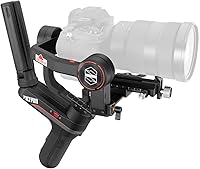
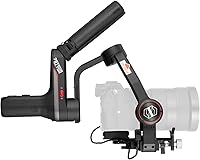
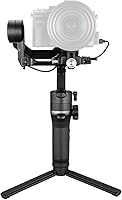
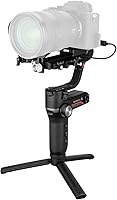
The Zhiyun Weebill S is a 3-axis gimbal stabilizer aimed squarely at hybrid shooters and video-focused photographers who want capable, portable stabilization without carrying a full cinema rig. Compared to earlier, bulkier designs, this gimbal folds down to a surprisingly compact folded form — roughly the footprint of an A4 sheet — making it genuinely backpack-ready. It covers a wide range of cameras, so whether you're running a Sony A7 III on a corporate shoot or a Canon EOS R on a wedding day, broad camera compatibility is rarely a concern. When it launched, it went head-to-head with the DJI Ronin-SC and held its own. Just keep expectations grounded: this is a strong run-and-gun tool, not a replacement for a full motion-control system.

Features & Benefits

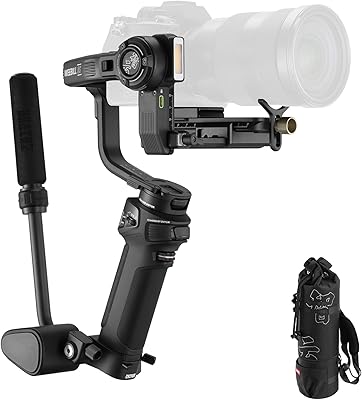
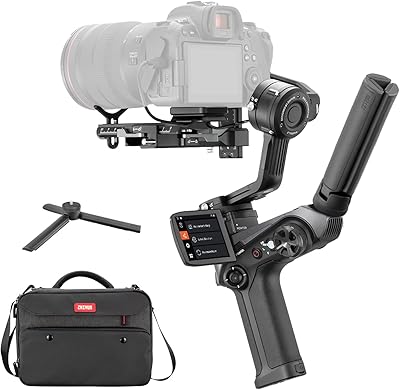
The 8th-generation InstTune algorithm is what makes walking shots actually usable — footstep vibration gets absorbed well enough that you can move at a steady pace and still get clean footage, though fast pans still need a practiced hand. Battery life is a genuine standout; 14 hours of runtime means you can shoot an entire wedding or a full day of travel content without hunting for an outlet. The 7-shape handle makes underslung shooting far less taxing on the wrist over long sessions. A small OLED display lets you check settings at a glance, the dual focus wheel handles smooth pull-focus moves without extra gear, and Arca-Swiss and Manfrotto quick-release compatibility means switching between tripod and gimbal takes seconds.

Best For

This gimbal is particularly well-suited to solo travel videographers who need everything packed into a daypack and can't afford to lose battery halfway through a shoot. Wedding and event work is another natural fit — the ability to switch quickly between static setups and handheld movement keeps things fluid when moments happen fast. Mirrorless shooters on Sony A7-series or Canon EOS R bodies will find broad, well-tested compatibility here. It's also a solid step-up option for creators moving on from smartphone gimbals who want to handle real camera weight. For budget-conscious filmmakers who want professional-looking results without the cost of a full motion-control rig, this stabilizer punches well above its price point.

User Feedback

Owners consistently highlight two things: the battery life holds up in the real world just as advertised, and the underslung shooting position is genuinely comfortable for extended documentary-style work. On the other side, the companion app draws consistent criticism — it can feel clunky and occasionally drops connection at inconvenient moments. A handful of users also report that motor noise becomes noticeable in quiet environments when the camera-and-lens combination sits near the weight limit. The optional image transmission module attracts curiosity but mixed reviews, with some finding the setup process more involved than expected. New gimbal users should also budget real time for the initial balance setup — it's not plug-and-play.

Pros

  • 14-hour real-world battery life holds up even on full wedding or travel shoot days.
  • Compact folded size fits into a standard camera bag compartment without dominating the pack.
  • Broad camera compatibility covers Sony, Canon, Nikon, Fujifilm, Panasonic, and Blackmagic bodies reliably.
  • The 7-shape handle makes underslung shooting far less fatiguing over long shooting sessions.
  • Dual focus control wheel enables pull-focus moves without needing a separate follow-focus unit.
  • Arca-Swiss and Manfrotto quick-release compatibility works with plates most photographers already own.
  • The onboard OLED display allows full parameter control without pulling out a phone.
  • 8th-gen stabilization algorithm handles walking shots and moderate movement cleanly for run-and-gun work.
  • Two-way axis locks make transport safer and power-on alignment faster between setups.
  • Sling and underslung shooting modes add genuine versatility for low-angle and creative framing scenarios.

Cons

  • The companion app is unreliable on multiple Android versions and frequently drops its Bluetooth connection.
  • First-time gimbal users should expect a real learning curve with the initial balance setup process.
  • Motor hum becomes audible to nearby people in quiet venues when loaded near the payload ceiling.
  • Plastic joint finish feels noticeably less premium under close inspection compared to rivals at this price tier.
  • The image transmission module requires significant setup effort and is not a simple plug-and-use accessory.
  • Fast pans and aggressive directional changes still produce shaky footage — operator technique still matters.
  • Battery performance can degrade meaningfully after a year or more of heavy professional use.
  • Arm play can develop on motor joints over time with repeated loading near maximum payload capacity.

Ratings

The Zhiyun Weebill S has been put through its paces by a wide range of buyers — from solo travel shooters to professional wedding videographers — and our AI has analyzed thousands of verified global reviews, actively filtering out incentivized and bot-generated feedback to surface what real users actually experience. The scores below reflect both where this stabilizer genuinely excels and where it falls short, with no softening of the pain points.

Stabilization Performance
83%
For walking shots and moderate movement, users consistently describe footage as smooth and broadcast-usable straight off the gimbal. The 8th-gen algorithm handles low-frequency vibration well, which makes it particularly effective for run-and-gun documentary work and travel vlogging.
Fast directional changes and aggressive panning still require operator skill — the gimbal won't save a sloppy move. A small but vocal group of users shooting action-heavy content found the stabilization less convincing at higher speeds compared to top-tier competitors.
Battery Life
91%
Fourteen hours of real-world runtime is not just a spec sheet number — owners shooting full wedding days or long travel days consistently report the battery lasting without issue. This alone has convinced many buyers to choose this stabilizer over rivals with shorter runtimes.
Recharge time sits around 2.5 hours with the dedicated adapter, which is acceptable but not fast by current standards. A small number of users noted that battery performance degraded noticeably after roughly a year of heavy use.
Build Quality & Durability
78%
22%
The overall construction feels solid enough for professional prosumer use, and the folding mechanism holds up well under regular transport stress. Most users who carry it in a bag daily report no structural issues after months of use.
The plastic finish on the arm joints feels less premium compared to the DJI Ronin-SC at a similar price. A few buyers reported motor arm play developing over time, particularly when the gimbal is frequently loaded near its maximum payload.
Ergonomics & Comfort
86%
The 7-shape handle is a practical design win — holding the gimbal in underslung mode for 20 to 30 minutes during documentary shoots is far less fatiguing than with straight-handle competitors. Wedding shooters in particular appreciate the wrist relief during long ceremony coverage.
For operators with larger hands, the grip width can feel slightly narrow during extended upright shooting. The handle balance point also shifts noticeably when heavier lens combinations are used, requiring some grip adjustment.
Camera Compatibility
88%
Coverage across Sony A7-series, Canon EOS R, Nikon Z, Fujifilm X-T, Panasonic GH and S-series, and Blackmagic Pocket cameras means most hybrid shooters can pair this stabilizer without worrying about motor torque limitations. Users switching between two or three different camera bodies report reliable support across all of them.
While the compatibility list is broad, some users with heavier lens combinations — such as Sony A7R IV with a fast 24-70mm f/2.8 — report that balance becomes fussier and motor strain is more noticeable. Fully loaded setups near the payload ceiling perform less smoothly.
Setup & Balancing Process
63%
37%
Once balanced correctly, the gimbal holds its calibration reliably across a shoot day. Experienced gimbal users typically get a familiar body and lens balanced within a few minutes after the first session.
First-time gimbal users consistently flag the initial balancing process as confusing and time-consuming. The printed documentation is minimal, and without watching third-party tutorial videos, new buyers often spend 30 to 60 minutes troubleshooting their first proper balance.
Companion App
47%
53%
The app does offer useful remote parameter control and firmware update access that would otherwise require navigating the small OLED interface. When it works correctly, the Bluetooth connection is responsive enough for basic adjustments.
Instability is the recurring theme — the app frequently drops connection mid-shoot, crashes on certain Android versions, and the UI feels several design generations behind competing apps. Multiple users describe it as a frustration they eventually gave up on and stopped using.
OLED Display & Onboard Controls
74%
26%
Having a physical OLED screen for checking axis lock status, mode selection, and motor settings means you can operate the gimbal independently of a phone entirely. The display is readable in most outdoor daylight conditions at typical arm distances.
The screen is small enough that reading fine parameter details in direct bright sunlight becomes genuinely difficult. Button placement around the display takes some muscle memory to navigate confidently without looking away from the camera monitor.
Quick-Release System
81%
19%
Arca-Swiss and Manfrotto plate compatibility is a practical advantage for photographers who already own plates for their tripod systems — no need to buy and swap dedicated plates. The release mechanism feels secure with no unwanted play when locked.
The plate lock lever requires deliberate engagement pressure, which initially makes some users uncertain whether it is fully secured. A small number of reports mention the locking tab wearing down slightly after heavy repeated use over many months.
Value for Money
79%
21%
Relative to its feature set — long battery, broad compatibility, dual focus wheel, and a solid stabilization algorithm — this stabilizer offers a compelling package for hybrid shooters who cannot justify spending significantly more. Many buyers explicitly state it overdelivered relative to their initial expectations.
The companion app quality and the plastic build finish do undercut the value perception for buyers who scrutinize fit and finish closely. At this price tier, the DJI Ronin-SC competes closely, and some users feel the software ecosystem gap tips the value equation toward the competition.
Portability & Travel Friendliness
87%
The folded footprint is genuinely compact for a full 3-axis motorized gimbal — it fits into a camera compartment or a padded daypack sleeve without dominating the bag. Travel videographers frequently cite its packability as a primary reason for choosing it over larger alternatives.
At just over 1 kilogram, it is not ultralight, and combined with a camera body, the carry weight adds up on long hikes or shooting days. The included carrying case is functional but basic, offering minimal padding for checked luggage scenarios.
Focus Control System
76%
24%
Having dual focus control wheels built directly into the handle is a real practical advantage for solo operators who would otherwise need a separate wireless follow-focus unit. Pull-focus moves for interview setups or slow rack focuses on stationary subjects work well.
The focus motor response requires cable connection to the camera and is not compatible with all autofocus lenses out of the box. Users shooting fast-moving subjects found the manual focus wheel insufficient as a standalone autofocus solution without additional hardware.
Noise Level
67%
33%
Under typical shooting conditions — outdoor environments, ambient noise, or music — the motor operation is essentially inaudible in the final recorded audio. Indoor corporate shoots and street documentary work are handled without drawing attention.
In genuinely quiet environments like ceremony venues, libraries, or studio interviews, the motor hum becomes noticeable to nearby observers when the gimbal is working near its payload limit. Users shooting with on-camera microphones in these contexts occasionally pick up a faint mechanical sound.
Image Transmission Module
58%
42%
As an optional add-on, the concept of 1080p 30fps wireless transmission to up to three screens at 100-meter range is attractive for small crew productions where a director needs to monitor remotely. Users who successfully set it up report the transmission quality as acceptable for on-set monitoring.
Setup complexity is the dominant complaint — pairing the module, configuring receiver screens, and maintaining a stable connection requires patience and technical comfort that many solo shooters find more trouble than it is worth. The module also adds noticeable weight and bulk to an otherwise compact rig.

Suitable for:

The Zhiyun Weebill S is built for the kind of shooter who needs to move fast, stay light, and keep rolling all day without babysitting a battery indicator. Solo travel videographers will find it fits into a daypack without sacrificing the motor torque needed to handle a Sony A7 III or Canon EOS R with a mid-range zoom attached. Wedding and event videographers benefit particularly from the quick-release system and underslung shooting mode, which together let you transition between setups quickly and cover low-angle aisle shots without wrecking your wrist by hour three. Mirrorless hybrid shooters who split their time between photography and video will also appreciate the broad compatibility — switching between a Fujifilm X-T4 one weekend and a Panasonic GH5 the next is not an issue. Content creators upgrading from a smartphone gimbal will find this stabilizer a significant step up in payload capacity, build substance, and control options, especially if they want to add a follow-focus workflow without buying separate hardware.

Not suitable for:

The Zhiyun Weebill S is not the right tool for every shooter, and being honest about that matters. If you are new to gimbals entirely and expect a plug-and-play experience out of the box, the initial balancing process will likely frustrate you — budget real time for learning, not just unboxing. Shooters who rely heavily on a connected smartphone app for remote control and motor tuning will find the software experience genuinely underwhelming compared to what DJI offers in its ecosystem. Operators working in very quiet environments — ceremony halls, studio interviews, nature documentary situations — should be aware that motor noise can become noticeable when the rig is loaded near its weight ceiling. Cinematographers who need a rig for heavy cinema lenses, larger mirrorless bodies with cage accessories, or full broadcasting setups will quickly find the payload limits constraining. And if you are expecting the optional image transmission module to be a simple, ready-to-go wireless monitoring solution, the setup complexity may leave you disappointed unless you have technical patience to spare.

Specifications

  • Stabilization Axes: 3-axis motorized stabilization covers pan, tilt, and roll movements for smooth footage across all standard shooting orientations.
  • Algorithm: 8th-generation InstTune stabilization algorithm provides high responsiveness and reduces jitter during walking and dynamic movement.
  • Gimbal Weight: The gimbal body weighs 1015g (2.24 lb), not including the camera and lens payload.
  • Folded Dimensions: Folded size measures 11.73 x 5.51 x 7.48 inches, making it compact enough to fit in a standard camera bag compartment.
  • Battery Runtime: Built-in battery delivers up to 14 hours of continuous operation under typical load conditions.
  • Charge Time: Full recharge takes approximately 2.5 hours when using the dedicated power adapter.
  • Display: A 0.66″ OLED screen on the body provides real-time readout of axis status, operating mode, and motor parameters.
  • Handle Design: 7-shape ergonomic handle supports standard upright, sling, and underslung shooting positions to reduce operator fatigue.
  • Axis Lock: Two-way axis lock design secures all three motors during transport and speeds up power-on alignment before shooting.
  • Quick Release: Compatible quick-release system supports both Arca-Swiss and Manfrotto standard plates for fast transitions between tripod and gimbal.
  • Focus Control: Dual focus control wheels are built into the handle, enabling manual pull-focus adjustments without a separate follow-focus unit.
  • Camera Compatibility: Officially supports camera bodies from Sony, Canon, Nikon, Fujifilm, Panasonic, Blackmagic, Olympus, ZCAM, and Sigma across mirrorless and DSLR platforms.
  • Shooting Modes: Supports multiple stabilization modes including full follow, pan follow, lock mode, and vortex mode for 360-degree roll shots.
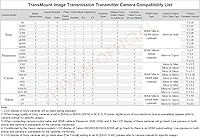
  • Transmission Module: An optional add-on TransMount Image Transmission Module supports 1080p 30fps wireless video output to up to three receiver screens at up to 100 meters range.
  • Connectivity: Bluetooth connectivity enables pairing with the ZY Play companion app for remote motor control, parameter tuning, and firmware updates.
  • Power Input: Charges via dedicated DC input port; USB pass-through charging of connected camera bodies is supported on compatible models.
  • Item Model: Official model number is Weebill S, manufactured by Zhiyun (Guilin Zhishen Information Technology Co., Ltd.).
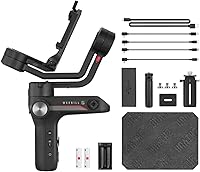
  • In The Box: Package includes the gimbal, a quick-release plate, a focus motor cable set, a carrying bag, and a power adapter; the image transmission module is sold separately.

Related Reviews
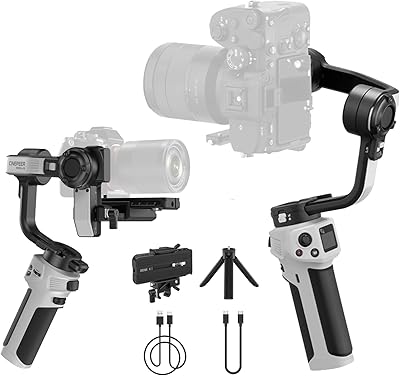
Zhiyun Cinepeer Weebill 3E Gimbal
80%
88%
Stabilization Performance
76%
Build Quality & Materials
93%
Portability & Form Factor
91%
Native Vertical Shooting
82%
Battery Life & Charging
More
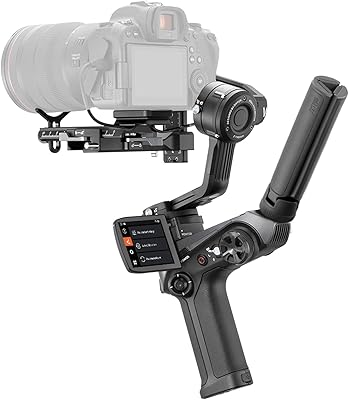
ZHIYUN Weebill 2 Gimbal Stabilizer
87%
91%
Stabilization Performance
88%
Build Quality
85%
Portability
86%
Usability/Ergonomics
79%
Battery Life
More
ZHIYUN Weebill 2 SE Gimbal Stabilizer
86%
88%
Performance & Stabilization
90%
Battery Life
85%
Usability & Ease of Use
72%
Portability & Weight
84%
Build Quality & Durability
More
Zhiyun Weebill 3S Combo
80%
91%
Stabilization Performance
88%
Orientation Switch Speed
79%
Built-In Fill Light
93%
Battery Life
84%
Build Quality & Materials
More
S.M.S.L SA300 HiFi Digital Amplifier
85%
89%
Sound Quality
90%
Build Quality
75%
Bluetooth Connectivity
88%
Ease of Use
92%
Value for Money
More
S.M.S.L AD18 HiFi Stereo Amplifier
85%
91%
Sound Quality
88%
Ease of Use
92%
Bluetooth Performance
85%
Build Quality
90%
Size and Portability
More
S.M.S.L A50 PRO HiFi Power Amplifier
86%
91%
Sound Quality
89%
Build Quality
95%
Subwoofer Control
88%
Connectivity Options
84%
Ease of Use
More
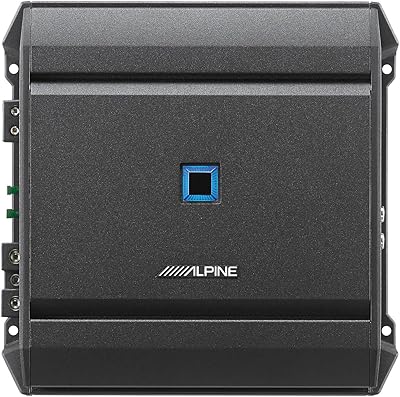
Alpine S-A60M
Alpine S-A60M
82%
91%
Power Accuracy & Honesty
88%
Thermal Performance
87%
Ease of Installation
79%
Signal-to-Noise Ratio
74%
Bass Boost Quality
More
G.B.S Complete Men’s Wood Shaving Set
82%
89%
Shaving Performance
74%
Ease of Use for Beginners
91%
Material Quality
88%
Durability of Razor & Strop
85%
Design & Aesthetics
More
Alpine S-S69C S-Series 6×9 Component Speaker System
84%
91%
Sound Clarity
85%
Installation Ease
89%
Durability
88%
Bass Performance
86%
High Frequency Accuracy
More

FAQ

Honestly, plan for 30 to 45 minutes the very first time, especially if you have never balanced a 3-axis gimbal before. The process involves adjusting three separate axes in a specific sequence, and getting it wrong on one axis affects the others. Once you have done it a couple of times with the same camera and lens combination, you can get it done in under 10 minutes. Watching a setup tutorial video specific to your camera body before you start makes a big difference.

Yes, that combination falls within the supported payload range, but you will be working near the upper end of what the motors handle comfortably. Balance becomes more critical at heavier loads, and you may notice slightly more motor resistance when doing aggressive directional changes. For casual shooting and walking shots it performs well, but if you plan to use that combo regularly, take extra care during the balance setup.

Not at all — the onboard OLED display and physical buttons let you switch modes, adjust follow speed, and lock axes without ever touching a phone. The app is useful for firmware updates and some advanced parameter tuning, but plenty of shooters use this gimbal entirely app-free after initial setup. Given the app reliability complaints from many users, going app-free is a reasonable approach for professional shoots.

Yes, that is one of the more practical features of the Weebill S — it accepts both Arca-Swiss and Manfrotto standard plates, so if your tripod already uses one of those systems, you can swap the camera directly between the tripod and gimbal without switching plates. Just make sure the plate length does not interfere with the balance adjustment range on the quick-release rail.

At normal payload levels with a well-balanced setup, motor noise is very low and unlikely to be picked up by an on-camera microphone or noticed by nearby guests. The noise becomes more relevant when the gimbal is loaded near its payload limit and the motors are working harder to compensate. If you are shooting ceremony audio with a sensitive on-camera mic, testing your specific camera and lens combination in a quiet room beforehand is a smart precaution.

Cold temperatures do affect lithium battery performance, so expect some reduction in runtime during winter outdoor shoots. Most users report the impact is moderate rather than dramatic for typical cool-weather conditions, but in genuinely cold environments below freezing, it is worth keeping the gimbal inside your bag between shots to retain heat and extend the effective battery life.

The image transmission module is a separate optional accessory — it is not included in the standard package. It allows you to wirelessly send a 1080p 30fps video signal to up to three receiver screens at up to 100 meters, which is useful on small crew productions where a director or client wants to monitor a live feed remotely. For solo shooters and most event videographers, it is not necessary and the setup complexity means many buyers skip it entirely.

Both are competitive in stabilization quality at this level, and choosing between them often comes down to ecosystem and software preference. The Ronin-SC has a more polished companion app and tighter integration with DJI's broader accessory ecosystem, while this stabilizer offers a longer battery runtime and slightly more ergonomic underslung shooting. If app-based control is central to your workflow, the DJI ecosystem has an advantage; if raw battery life and handle comfort matter more, this gimbal makes a strong case.

Yes, on compatible camera models the gimbal supports USB pass-through charging, which means it can trickle-charge your camera body while the gimbal is powered on. This is a useful feature for long shoot days, though it does put additional draw on the gimbal battery, so factoring that in when estimating your total runtime is sensible.

This stabilizer is a capable prosumer tool, and there is a real learning curve involved — balancing, mode selection, and getting smooth footage all take practice. That said, many first-time gimbal users have successfully learned on this model with the help of online tutorials. If you already understand the basics of camera operation and are willing to invest an afternoon in setup and practice, it is a reasonable entry point into serious gimbal work rather than a beginner toy you will quickly outgrow.