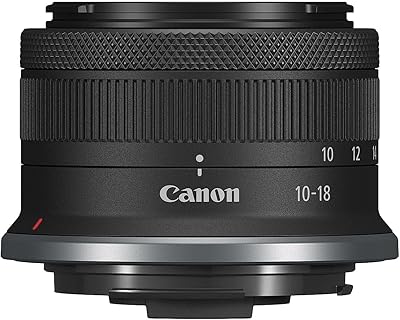
Canon RF 70-200mm F4 L Telephoto Lens

Overview
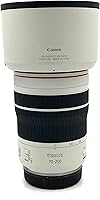
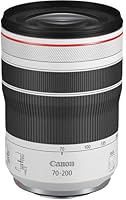
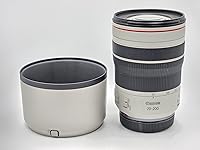
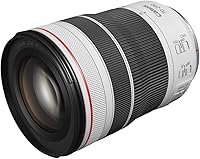
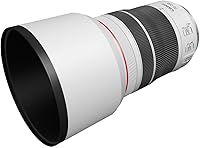
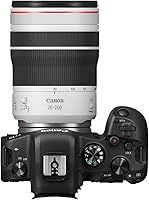
The Canon RF 70-200mm F4 L Telephoto Lens is Canon's answer to a long-standing request from mirrorless shooters: a proper L-series telephoto zoom that doesn't punish you for traveling light. The L badge here isn't decorative — it signals professional-grade glass, robust sealing, and optical standards that Canon reserves for its top-tier lineup. This telephoto zoom sits in a genuinely useful gap in the RF ecosystem, offering more reach and refinement than any kit lens while weighing noticeably less than its F2.8 sibling. Portrait photographers, travel shooters, and wildlife enthusiasts who want serious glass without a serious backache will find it hard to walk past.
Features & Benefits
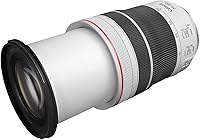
The Dual Nano USM autofocus system is where this L-series lens immediately impresses — it locks on fast and stays nearly silent, which matters enormously if you shoot video or stalk birds in quiet marshes. The stabilizer deserves equal attention: handheld at 200mm in fading afternoon light, the system holds steady in a way that feels almost unfair. The constant F4 aperture means your exposure calculations don't shift mid-zoom, a small but real convenience in fast-moving situations. Add a collapsible barrel that tucks the lens into an unusually compact profile for transport, and you have an L-series build that genuinely respects the travel photographer's bag space.
Best For
If you shoot travel or adventure and have ever groaned at the weight of a telephoto zoom in your bag, the RF 70-200 F4 was practically designed for you. It's also a natural pick for portrait work — the 200mm end produces background compression that flatters subjects beautifully, and F4 is more than sufficient outdoors or in a well-lit studio. Wildlife and sports photographers working primarily in daylight will appreciate the reach and fast subject tracking. Video shooters get a lot from the near-silent AF and rock-solid stabilization. If you're upgrading from adapted EF glass, the native RF design brings a meaningful improvement in autofocus responsiveness.
User Feedback
Across a broad base of owner reviews, a few themes emerge consistently. Sharpness wide open is a highlight — users report crisp results even at the long end, which isn't something every telephoto zoom can claim. The balance on bodies like the R5 or R6 also draws repeated praise; at under 700 grams, this telephoto zoom feels like it belongs on a mirrorless body rather than fighting it. The honest criticism centers on low-light limitations: F4 simply can't match an F2.8 at an indoor reception or a dim evening event. A handful of users noted an adjustment period with the collapsing barrel before it became second nature. Against the F2.8 version, the consensus leans toward this lens for portability, accepting the aperture trade-off.
Pros
- Optical quality is outstanding — sharp across the entire zoom range, even wide open at F4.
- Significantly lighter than comparable F2.8 telephoto zooms, making all-day shooting far less fatiguing.
- The collapsible barrel design makes this L-series lens unusually compact when packed away.
- Dual Nano USM autofocus is fast, accurate, and nearly inaudible — a real asset for video work.
- Constant F4 aperture means exposure stays predictable throughout the entire focal range.
- Weather sealing holds up in real-world conditions: dust, humidity, and light rain are handled confidently.
- Stabilization performance in handheld telephoto shooting is genuinely impressive in good to moderate light.
- Native RF mount integration delivers full autofocus feature compatibility with current EOS R bodies.
- Subject tracking on moving targets performs well, with reliable lock and minimal hunting.
- The minimum focus distance is shorter than many telephoto zooms, adding useful versatility.
Cons
- F4 struggles in low-light scenarios where an F2.8 would maintain usable shutter speeds without heavy ISO penalties.
- The collapsing barrel mechanism feels unfamiliar at first and requires a deliberate unlock step before shooting.
- No built-in tripod collar, which can make the lens feel unbalanced on heavier EOS R bodies during long sessions.
- At this price point, buyers reasonably expect a tripod ring included — its absence is a recurring frustration.
- The white finish, while iconic for L-series glass, attracts attention in situations where a lower profile would be preferable.
- Performance in very low light or indoor artificial lighting is noticeably behind faster telephoto alternatives.
- Shooters coming from Sony or Nikon systems cannot use this lens without a third-party adapter, with no guarantee of full functionality.
- Rendering at extreme focal lengths in high-contrast scenes can show some fringing that requires minor post-processing correction.
Ratings
The scores below reflect AI-synthesized analysis of verified global user reviews for the Canon RF 70-200mm F4 L Telephoto Lens, with spam, bot-generated, and incentivized feedback actively filtered out before scoring. Ratings are drawn from real-world shooting experiences across travel, portrait, wildlife, and video use cases, covering both what buyers consistently praise and the friction points they genuinely encountered. Nothing has been glossed over — strengths and shortcomings are weighted equally in every category.
Image Sharpness
Autofocus Speed & Accuracy
Image Stabilization
Portability & Size
Low-Light Performance
Build Quality
Weather Sealing
Bokeh & Background Rendering
Video Suitability
Chromatic Aberration Control
Value for Money
Collapsible Barrel Usability
AF Noise During Video
Compatibility & Ecosystem Fit
Suitable for:
The Canon RF 70-200mm F4 L Telephoto Lens is the right call for EOS R system shooters who want genuine L-series optical quality without committing to the size and weight of an F2.8 zoom. Travel and adventure photographers in particular get a strong deal here — the collapsible barrel keeps the lens surprisingly compact in a bag, and the weather sealing means you're not babying it on a dusty trail or in light rain. Portrait photographers will appreciate the flattering compression at the longer focal lengths, and F4 is entirely workable outdoors or in a controlled studio setting. Wildlife and birding enthusiasts who shoot primarily in daylight will find the fast, quiet autofocus tracks moving subjects reliably without spooking them. Video creators also benefit from the near-silent focus motor and strong stabilization, which together make handheld footage far more usable. If you're moving from older adapted EF glass, the native RF mount connection brings a real, noticeable improvement in autofocus speed and responsiveness.
Not suitable for:
Photographers who regularly shoot in low-light environments — think indoor events, evening receptions, dim concert halls, or night sports — will find the RF 70-200 F4 a genuine compromise. The Canon RF 70-200mm F4 L Telephoto Lens simply cannot match the light-gathering ability of an F2.8 version, and in those situations the gap between the two apertures is not subtle. Action and sports photographers covering fast-moving subjects under unpredictable or poor lighting conditions will likely find themselves reaching for something faster. Shooters who need maximum background separation for dramatic shallow-depth portraits in mixed lighting will also feel the F4 ceiling more acutely than they might expect. It is not compatible with Canon EF-mount or EF-S bodies, so DSLR users cannot mount it without an adapter, and even then certain features may not function fully. Anyone expecting a lens that doubles as a close-up or macro option should look elsewhere, as this is firmly a mid-to-long telephoto tool with a specific and focused purpose.
Specifications
- Focal Length: This telephoto zoom covers a 70-200mm range, suitable for portraits, wildlife, and compressed background work.
- Maximum Aperture: A constant F4 aperture is maintained across the entire zoom range, ensuring consistent exposure without adjustment as you zoom.
- Lens Mount: Designed exclusively for the Canon RF mount, making it natively compatible with all EOS R series mirrorless camera bodies.
- Autofocus System: Dual Nano USM motors drive autofocus that is both fast in acquisition and nearly silent during operation.
- Image Stabilizer: The built-in Optical Image Stabilizer provides up to 5 stops of shake correction when used standalone on any compatible body.
- Coordinated OIS+IBIS: When paired with an EOS R body featuring in-body image stabilization, the coordinated system reaches up to 7.5 stops of combined correction.
- Barrel Design: A collapsible barrel mechanism allows the lens to retract to a shorter profile for storage and transport when not in use.
- Weather Sealing: Dust- and moisture-resistant construction throughout the barrel meets Canon L-series standards for use in challenging outdoor environments.
- Weight: The lens weighs approximately 695g (around 1.53 pounds), making it notably lighter than most professional F2.8 telephoto zooms in this focal range.
- Dimensions: At 5.8 x 6.6 x 6.6 inches in extended shooting position, the lens is compact for an L-series telephoto zoom of this caliber.
- Lens Family: Part of Canon's L-series lineup, which indicates professional-grade optical construction, premium materials, and rigorous quality standards.
- Filter Thread: The lens accepts 77mm screw-in filters, a standard size shared with many other Canon L-series telephoto lenses.
- Lens Elements: The optical formula includes Canon UD and Super UD glass elements to minimize chromatic aberration across the zoom range.
- Aperture Blades: Nine rounded aperture blades contribute to smooth, circular bokeh rendering when shooting subjects against out-of-focus backgrounds.
- Min. Focus Distance: The minimum focusing distance is shorter than typical for this focal length class, allowing closer subject framing than many comparable telephoto zooms.
- Release Date: The lens was first made available in November 2020, launching alongside expanded Canon EOS R system development.
- Manufacturer: Designed and manufactured by Canon USA, backed by Canon's global professional lens support and service network.
- Model Number: The official Canon model number for this lens is 4318C002, used for warranty registration and service identification.
Related Reviews
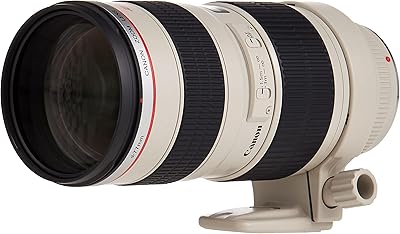
Canon EF 70-200mm f/2.8L USM Telephoto Zoom Lens
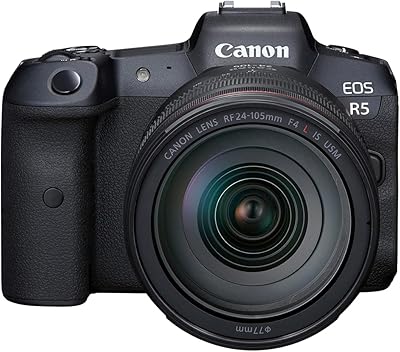
Canon EOS R5 Mirrorless Camera
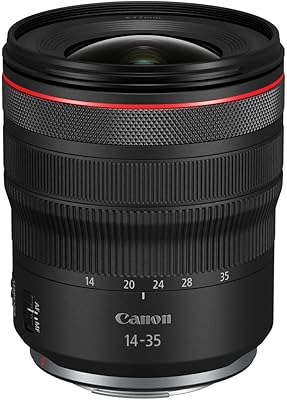
Canon RF 14-35mm F4 L IS Lens
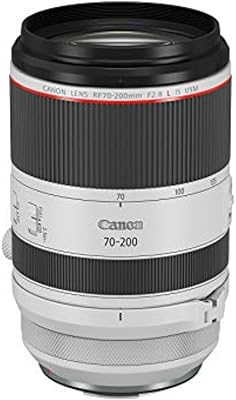
Canon RF 70-200mm F2.8 L Telephoto Lens
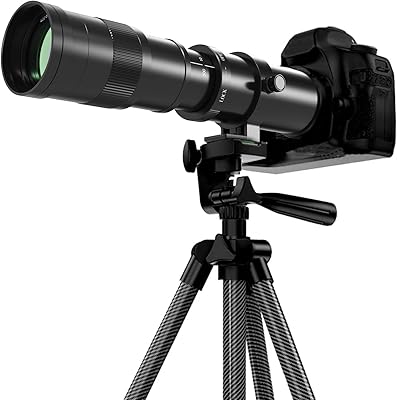
BENOISON 420-800mm RF Telephoto Lens
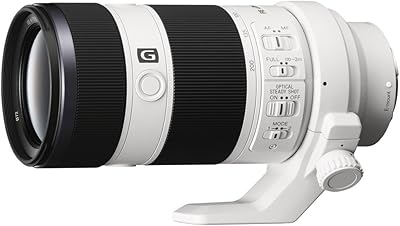
Sony FE 70-200mm F4 G OSS Lens
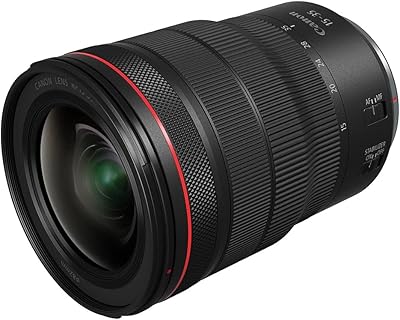
Canon RF 15-35mm F2.8 L IS Lens
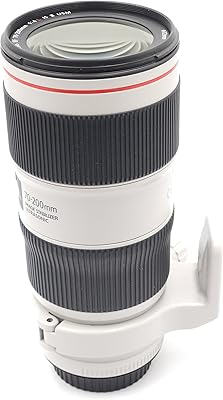
Canon EF 70-200mm f/4L IS II Lens
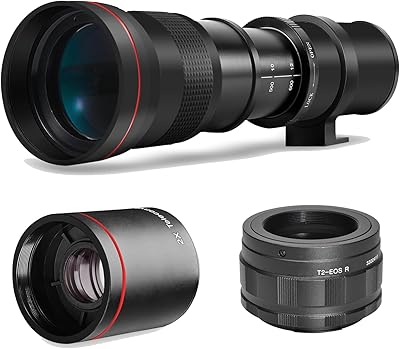
BM Premium 420-1600mm f/8.3 Telephoto Zoom Lens