Overview
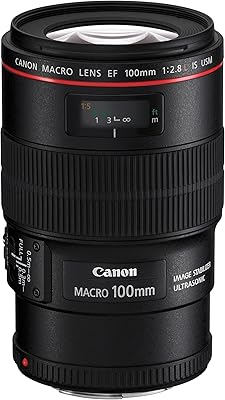
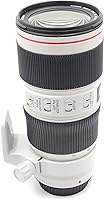
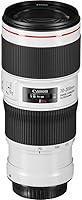
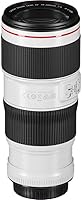
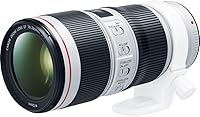
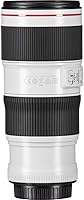
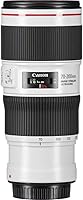
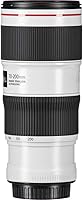
The Canon EF 70-200mm f/4L IS II Lens represents a meaningful step forward from its predecessor, bringing a significant stabilization upgrade and a closer minimum focus distance to one of Canon's most beloved telephoto zooms. This L-series lens is built for photographers who want professional optical quality without lugging around the heavier f/2.8 version. That f/4 maximum aperture is the honest trade-off here — you gain a lighter, more travel-friendly package, but you give up roughly one stop of light-gathering ability. The white barrel and weather-sealed construction signal its L-series pedigree instantly. From portraits to wildlife to travel shooting, the 70–200mm focal range covers a lot of creative ground.
Features & Benefits
The standout upgrade in this L-series lens is its 5-stop image stabilization — in practical terms, that means you can hand-hold at shutter speeds that would produce blur with most other telephoto zooms. Three IS modes let you match the stabilization behavior to your subject: Mode 1 for static scenes, Mode 2 for deliberate panning shots, and Mode 3 for unpredictable motion. The inclusion of a fluorite element alongside two UD elements keeps color fringing tightly controlled and renders fine detail with impressive clarity. At one meter minimum focus distance, it handles closer subjects than you might expect from a telephoto zoom. The 9-blade circular aperture produces smooth, rounded background blur rather than the angular bokeh you get from cheaper designs.
Best For
This telephoto zoom earns its place in several distinct kit lists. Wildlife and nature photographers get serious reach in a body that won't exhaust your shoulder on long hikes. Wedding and portrait shooters working outdoors will appreciate how cleanly it separates subjects from background in good light — though if you're regularly working dim reception halls, the f/4 ceiling becomes a real limiting factor worth considering. Travelers who've been burned by heavy glass before will notice the weight difference immediately. For sports photographers, IS Mode 3 makes panning sequences noticeably cleaner. It also holds its value well, which matters if you're treating this as a long-term investment in the Canon EF system.
User Feedback
Owners of the Canon f/4L IS II consistently praise how sharp the lens performs wide open — not just acceptably sharp, but genuinely impressive from corner to corner. Photographers upgrading from the original IS I version frequently note the autofocus feels quicker and more confident. Those who traded down from the f/2.8 L almost universally mention significant weight savings as their primary reason, and few seem to regret the switch in well-lit conditions. The honest criticism that surfaces repeatedly centers on low-light performance: f/4 is simply not enough for dark interiors or evening events without pushing ISO uncomfortably high. Build quality draws consistent praise, with many users reporting years of reliable performance in challenging outdoor conditions.
Pros
- Sharpness wide open is genuinely impressive — not just acceptable, but competitive with significantly more expensive options.
- At under two pounds, this L-series lens is dramatically lighter than comparable f/2.8 telephotos, making all-day shooting far less exhausting.
- Five-stop image stabilization provides a meaningful real-world advantage for handheld shooting at longer focal lengths.
- Three dedicated IS modes give you appropriate stabilization behavior whether you are shooting static subjects, panning, or tracking erratic motion.
- Weather sealing holds up reliably in rain, dust, and tough outdoor conditions that would compromise lesser lenses.
- The 1-meter minimum focus distance adds surprising versatility, letting you work closer to subjects than most telephoto zooms allow.
- Bokeh quality from the 9-blade circular aperture is smooth and flattering, particularly for portrait and nature work.
- USM autofocus is fast, near-silent, and confident — a noticeable improvement over the previous IS I generation.
- Resale value remains strong, making this a financially sensible long-term investment in the Canon EF system.
- Chromatic aberration is exceptionally well controlled thanks to the fluorite and dual UD element construction.
Cons
- f/4 is a hard ceiling in low light — indoor events, dim venues, and evening shoots will push your ISO uncomfortably high.
- Photographers regularly working in dark environments will likely need to spend more for the f/2.8 version to avoid compromising image quality.
- The white barrel, while a classic L-series identifier, draws attention in situations where a discreet profile is preferable.
- Native RF-mount mirrorless users must add an adapter, which changes handling ergonomics and adds to the overall cost.
- At this price tier, there is no lens hood included in all regional packages — a small but annoying omission for a professional-grade product.
- The 72mm filter thread means dedicated filter systems already built around 77mm will require step-up rings or new filters.
- Compared to third-party alternatives in this focal range, the investment is substantial, which narrows its audience to committed Canon system users.
- IS battery drain is a real consideration on extended shoots — leaving stabilization active continuously does affect battery life noticeably.
Ratings
The Canon EF 70-200mm f/4L IS II Lens scores below are generated by our AI system after analyzing thousands of verified global buyer reviews, actively filtering out incentivized, duplicate, and bot-generated feedback to reflect genuine owner experiences. Ratings span serious enthusiasts, working professionals, and dedicated hobbyists across wildlife, wedding, travel, and sports photography. Both standout strengths and recurring frustrations are transparently factored into every score.
Optical Sharpness
Image Stabilization
Autofocus Performance
Build Quality
Portability & Weight
Bokeh & Background Rendering
Low-Light Performance
Value for Money
Versatility
Flare & Ghosting Resistance
Ease of Use
Resale & Longevity
Weather Sealing
Suitable for:
The Canon EF 70-200mm f/4L IS II Lens is an excellent match for photographers who prioritize optical quality and portability over maximum low-light performance. Wildlife and nature shooters who spend long hours in the field will appreciate how much easier it is to carry compared to heavier f/2.8 alternatives, without giving up the sharpness or build quality that demanding subjects require. Outdoor and destination wedding photographers working in daylight or well-lit venues will find the background separation and autofocus reliability more than adequate for professional results. Travel photographers who have previously left telephoto glass at home due to weight or bulk will find this L-series lens genuinely pack-friendly while still delivering images that hold up at large print sizes. Sports photographers working in decent light — think daytime track, field events, or outdoor motorsports — can also get strong results, particularly when using IS Mode 3 for panning sequences. Canon EF system users who want a durable, long-term telephoto investment that retains resale value will find this lens a smart choice that performs consistently over years of heavy use.
Not suitable for:
The Canon EF 70-200mm f/4L IS II Lens is not the right tool for every photographer, and it is worth being direct about where it falls short. Anyone who regularly shoots in dim indoor environments — dark reception halls, concert venues, indoor sports arenas — will hit the f/4 ceiling quickly and find themselves pushing ISO to levels that introduce unwanted noise. Photographers who need to freeze fast action in low or mixed light, such as indoor basketball or evening events, will almost certainly be better served by the f/2.8 version of this zoom, despite its additional weight and cost. Videographers who rely heavily on shallow depth of field in controlled studio or indoor settings may also find f/4 restrictive. Additionally, photographers who have already migrated to Canon's RF mirrorless system will find this lens requires an adapter, which adds cost and changes the handling experience. If your work is primarily indoors or in unpredictable lighting, this telephoto zoom is likely not your best option regardless of its many other strengths.
Specifications
- Focal Length: This telephoto zoom covers a 70–200mm focal length range, suitable for portraits, wildlife, sports, and travel photography.
- Maximum Aperture: The maximum aperture is f/4 throughout the entire zoom range, providing consistent exposure as you adjust focal length.
- Lens Construction: The optical formula consists of 20 elements arranged in 15 groups, including one fluorite element and two UD elements for superior color correction.
- Image Stabilization: Optical Image Stabilization compensates for up to 5 stops of camera shake, enabling sharp handheld shots at slower shutter speeds than would otherwise be possible.
- IS Modes: Three Image Stabilization modes cover stationary subjects (Mode 1), deliberate panning shots (Mode 2), and erratic or unpredictable subject movement (Mode 3).
- Autofocus: A ring-type USM (Ultrasonic Motor) delivers fast, near-silent autofocus with full-time manual focus override available at any time.
- Min. Focus Distance: The minimum focusing distance is approximately 1m (3.28 ft), shortened from the previous generation's 1.2m for improved close-range versatility.
- Filter Thread: The front filter thread diameter is 72mm, compatible with standard circular polarizers, ND filters, and UV protectors of that size.
- Aperture Blades: A 9-blade circular aperture diaphragm produces smooth, rounded background blur rather than angular or geometric bokeh patterns.
- Dimensions: The lens measures 3.1 inches in diameter and 6.9 inches in length, making it notably compact for an L-series telephoto zoom.
- Weight: At 27.2 oz (approximately 1.72 lbs), this L-series lens is significantly lighter than its f/2.8 counterpart in the same focal range.
- Lens Mount: Designed exclusively for the Canon EF mount, this lens is compatible with all Canon EF-mount DSLR camera bodies, both full-frame and APS-C sensor.
- Weather Sealing: The barrel incorporates dust and moisture resistance throughout, making it suitable for use in rain, dusty outdoor environments, and challenging field conditions.
- Optical Coatings: Optimized lens coatings and element placement are engineered to suppress ghosting and flare, particularly when shooting into bright or backlit light sources.
- Color: The lens features the traditional Canon L-series white barrel finish, which also helps reflect heat during extended outdoor shooting sessions.
- Model Number: The official Canon model number for this lens is 2309C002, which can be used to verify authenticity and cross-reference compatible accessories.
- Manufacturer: This lens is manufactured by Canon Cameras US and is not discontinued, meaning service, repair parts, and accessories remain readily available.
Related Reviews
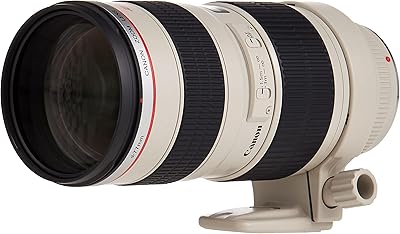
Canon EF 70-200mm f/2.8L USM Telephoto Zoom Lens
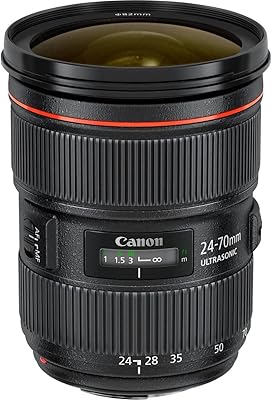
Canon EF 24-70mm f/2.8L II Zoom Lens
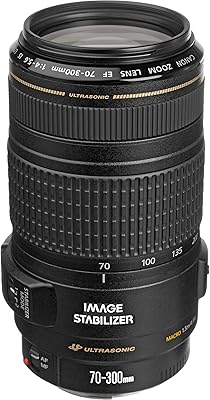
Canon EF 70-300mm IS USM Telephoto Lens
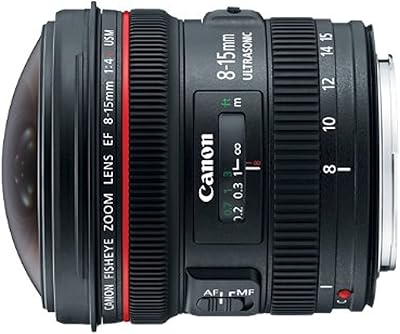
Canon EF 8-15mm f/4L Fisheye Zoom Lens
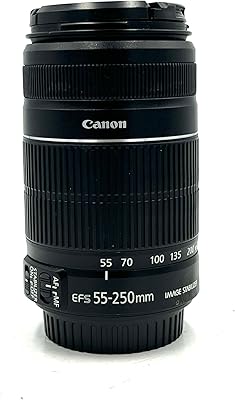
Canon EF-S 55-250mm IS II Telephoto Lens
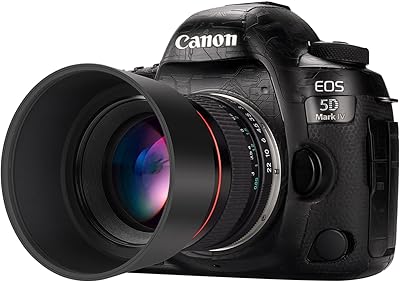
JINTU 85mm f1.8 Portrait Prime Lens
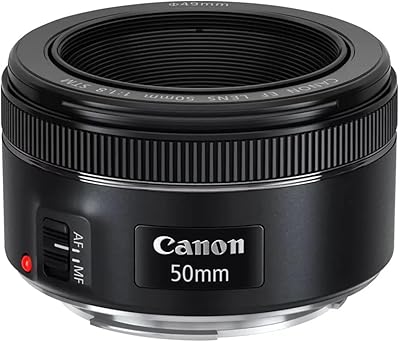
Canon EF 50mm f/1.8 STM Lens
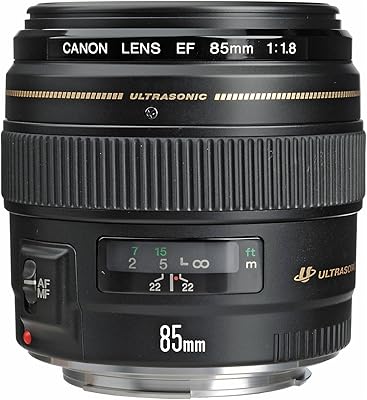
Canon EF 85mm f/1.8 USM Lens
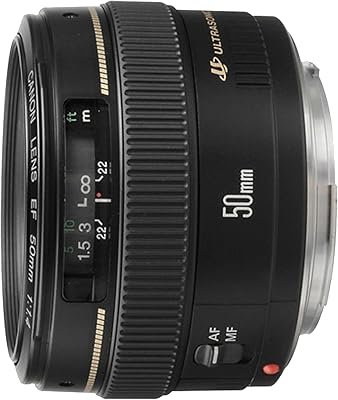
Canon EF 50mm f/1.4 USM Camera Lens