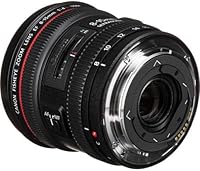
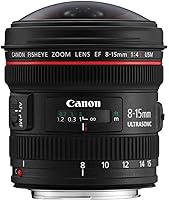
Overview
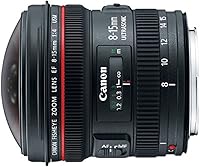
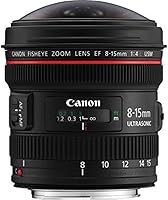
The Canon EF 8-15mm f/4L Fisheye Zoom Lens is the only fisheye zoom in Canon's EF lineup, and that alone makes it worth serious attention. At 8mm on a full-frame body, you get a striking circular fisheye — a complete sphere of image surrounded by black. Zoom to 15mm and the effect fills your frame edge to edge. That range in a single barrel is genuinely rare. Built to L-series standards since 2010, it has earned a solid reputation among working professionals for durability and optical consistency. This is not a novelty lens — at this price, it targets photographers who want fisheye as a deliberate creative tool.
Features & Benefits
What sets this fisheye zoom apart from fixed alternatives is the flexibility that zoom ring provides. At 8mm on a full-frame sensor, you get the dramatic circular fisheye effect — black corners and all. Push to 15mm and the image fills your frame completely. The ring-type USM autofocus is fast and nearly silent, which matters enormously for video work or tracking skaters mid-trick. Optically, the combination of fluorite and UD glass keeps chromatic aberration tightly controlled — something you notice when inspecting edges on a high-resolution file. The weather-sealed body handles coastal spray and dusty skateparks without complaint. One underappreciated feature: the rear gel filter slot lets you use ND or color gels even though the bulging front element makes traditional attachments impossible.
Best For
This wide-angle zoom earns its place in bags carried by landscape and seascape photographers, action sports shooters, and video-focused Canon EOS users. On a full-frame body at a coastal cliff, 8mm captures an almost planetary perspective — horizon curving, sky and sea wrapping around the frame. On APS-C bodies, the crop factor means the circular effect won't fully appear, but you still get an extremely wide, immersive perspective. Astrophotographers use it for full-sky circular star trails in single exposures. Skateboarding photographers swear by it for close-in, distortion-heavy shots that define that visual language. Interior and architecture shooters who want deliberate fisheye distortion, rather than corrected wide-angle imagery, will also find it well-suited.
User Feedback
With a 4.5 out of 5 rating across 143 reviews, the Canon L fisheye has a strong track record among real users. Sharpness across the frame draws consistent praise — buyers note that even corner detail holds up well on high-resolution full-frame sensors. The zoom range gets called out repeatedly as a key advantage over fixed fisheyes, giving shooters more compositional options in the field. The honest criticism centers on the f/4 aperture: in genuinely dim conditions, like shooting a night sky or an indoor skatepark, ISO has to climb. The bulging front element also demands care — it cannot accept standard screw-in filters and needs its dedicated cap. For most buyers, though, these are manageable trade-offs.
Pros
- Unique zoom range covers both circular and full-frame fisheye in one lens, eliminating the need for two separate optics.
- Ring-type USM autofocus is fast and near-silent, making it genuinely useful for video production.
- Optical quality is excellent, with fluorite and UD glass keeping chromatic aberration tightly controlled.
- L-series weather sealing lets you shoot in rain, sea spray, and dusty environments with real confidence.
- Sharpness holds up across the frame even at wide apertures, which buyers consistently highlight in long-term use.
- Minimum focus distance of just 0.49 feet allows very close, dramatic subject-to-background compositions.
- Rear gel filter slot is a practical solution for ND and color use despite the bulging front element.
- Has been in production since 2010, with a proven track record and broad compatibility across Canon EOS bodies.
- Constant f/4 aperture means exposure stays predictable as you zoom, simplifying exposure settings in the field.
Cons
- The f/4 maximum aperture requires pushing ISO noticeably in low-light or indoor shooting situations.
- The bulging front element cannot accept standard screw-in filters and needs its own dedicated protective cap.
- On APS-C Canon bodies, the full circular fisheye effect at 8mm does not appear due to the sensor crop factor.
- No image stabilization means handheld shots in dim light carry more motion blur risk than stabilized alternatives.
- The premium price is hard to justify unless fisheye shooting is a consistent and deliberate part of your workflow.
- Lens cap design for the bulging element is non-standard and can be awkward to manage quickly in the field.
- At just over a pound, it is not heavy, but the compact dimensions make it feel dense and front-heavy on smaller bodies.
Ratings
The Canon EF 8-15mm f/4L Fisheye Zoom Lens scores below are generated by AI after analyzing verified purchaser reviews worldwide, with spam, bot-submitted, and incentivized feedback actively filtered out. This fisheye zoom earns strong marks in optical quality and versatility, while scores for low-light performance and value accessibility reflect the honest trade-offs real buyers have flagged. Both the strengths that make professionals reach for this lens and the friction points that give some buyers pause are transparently reflected in every category.
Optical Sharpness
Zoom Versatility
Autofocus Performance
Build Quality
Low-Light Capability
Weather Sealing
Filter Compatibility
Value for Money
Portability & Handling
Circular Fisheye Effect
Video Usability
Minimum Focus Distance
Longevity & Reliability
Suitable for:
The Canon EF 8-15mm f/4L Fisheye Zoom Lens is purpose-built for photographers and filmmakers who treat extreme wide-angle distortion as a creative asset rather than something to correct in post. Landscape and seascape shooters working on full-frame Canon bodies will get the most out of it — at 8mm, the circular fisheye effect wraps coastal cliffs and open skies into a sphere that no rectilinear lens can replicate. Action sports photographers, particularly those working close to skateboarders or surfers, will appreciate how the zoom range lets them dial in exactly how much distortion fills the frame. Astrophotographers chasing full-sky star trail compositions in a single shot will find this fisheye zoom genuinely hard to replace. Videographers on Canon EOS systems benefit from the near-silent USM autofocus, which avoids the motor noise that ruins audio tracks. Anyone who shoots outdoors regularly — in dusty, wet, or demanding environments — will also value the L-series weather sealing, which holds up where lesser glass does not.
Not suitable for:
The Canon EF 8-15mm f/4L Fisheye Zoom Lens is not the right choice for photographers who want a wide-angle lens they can use for standard reportage, portraits, or architecture work where straight lines need to stay straight. The fisheye distortion is intentional and strong — it cannot simply be dialed out to produce a clean rectilinear result. Buyers shooting primarily in low light, such as indoor events or night venues without a tripod, should weigh the f/4 maximum aperture carefully; it is consistent across the zoom range, but it does require higher ISO settings in dim conditions compared to a faster prime. Canon APS-C shooters should also know that the circular fisheye effect at 8mm will not fully appear due to the crop factor — the visual impact is real but different from what full-frame users experience. Finally, this wide-angle zoom carries a premium price that only makes sense if fisheye perspectives are a regular, intentional part of your work rather than an occasional experiment.
Specifications
- Focal Length: This fisheye zoom covers a range of 8–15mm, allowing shooters to move between a full circular fisheye and a full-frame fisheye perspective without changing lenses.
- Max Aperture: The maximum aperture is a constant f/4 across the entire zoom range, ensuring consistent exposure settings regardless of where the zoom ring is set.
- Lens Mount: The lens uses the Canon EF mount and is compatible with all Canon EOS SLR cameras, including both full-frame and APS-C sensor bodies.
- Autofocus: Autofocus is driven by a ring-type Ultrasonic Motor (USM), delivering fast and near-silent focusing suitable for both stills and video recording.
- Optical Design: The lens comprises 14 elements arranged in 11 groups, incorporating one fluorite element and one UD (Ultra-low Dispersion) glass element to minimize chromatic aberration.
- Image Stabilization: This lens does not include optical image stabilization, so handheld shooting in low light requires either a faster shutter speed or a higher ISO setting.
- Filter System: The bulging front element prevents use of standard screw-in filters; instead, a rear gel filter holder is built in to accommodate thin gel-type ND or color filters.
- Weather Sealing: As an L-series Canon lens, it features dust and moisture-resistant construction suitable for use in challenging outdoor environments including coastal and dusty conditions.
- Min Focus Distance: The minimum focusing distance is 0.49 feet (approximately 0.15 meters), allowing the lens to focus on subjects that are very close to the front element.
- Dimensions: The lens measures 3.27 inches in length and 3.11 inches in diameter (approximately 83mm x 79mm), making it compact relative to its focal range and optical complexity.
- Weight: The lens weighs 1.19 pounds (approximately 540 grams), which is manageable for handheld use but adds noticeable front weight to smaller Canon bodies.
- Lens Type: This is a fisheye zoom lens, a category distinct from rectilinear wide-angle lenses because it intentionally renders strong barrel distortion as a creative visual effect.
- Zoom Type: The zoom mechanism is a rotating ring design that smoothly transitions from the circular fisheye effect at 8mm to the full-frame fisheye at 15mm on full-frame sensors.
- Aperture Blades: The lens features 7 aperture blades, contributing to reasonably smooth out-of-focus rendering in the narrow depth-of-field scenarios this focal range can produce up close.
- Release Year: This lens was first made available in August 2010 and has remained in continuous production since, establishing a long track record among professional Canon EOS users.
- Manufacturer: The lens is designed and manufactured by Canon Cameras US under the Canon brand, as part of the professional L-series optical lineup.
- Model Number: The official Canon model number for this lens is 4427B002, and its Amazon ASIN is B0040X4OZU for reference when purchasing or registering the product.
- Angle of View: On a full-frame body, the angle of view spans from 180 degrees diagonally at 8mm (circular) to 180 degrees diagonally at 15mm (full-frame edge-to-edge coverage).
Related Reviews
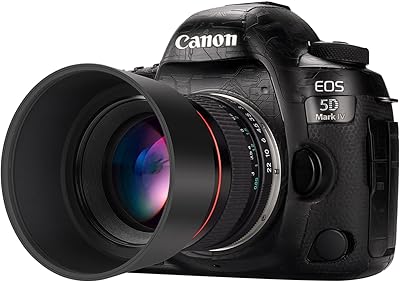
JINTU 85mm f1.8 Portrait Prime Lens
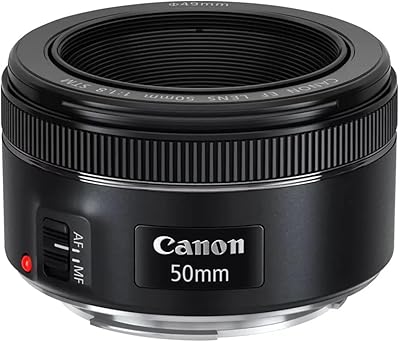
Canon EF 50mm f/1.8 STM Lens
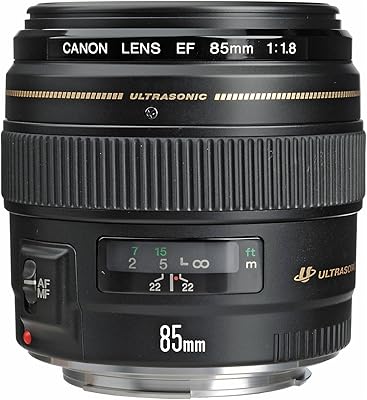
Canon EF 85mm f/1.8 USM Lens
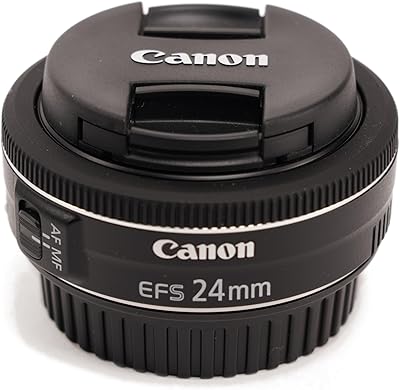
Canon EF-S 24mm f/2.8 STM Lens
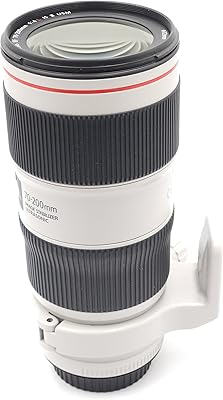
Canon EF 70-200mm f/4L IS II Lens
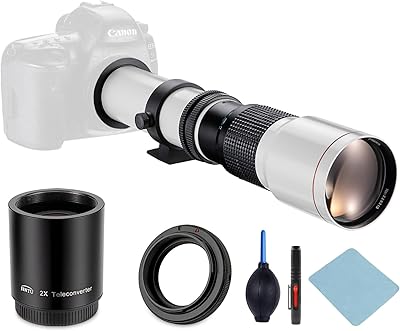
JINTU 500-1000mm f/8 Manual Telephoto Lens
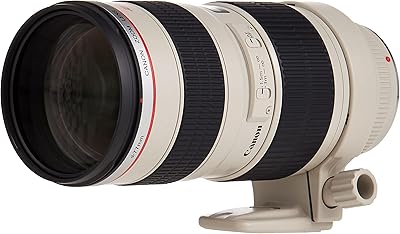
Canon EF 70-200mm f/2.8L USM Telephoto Zoom Lens
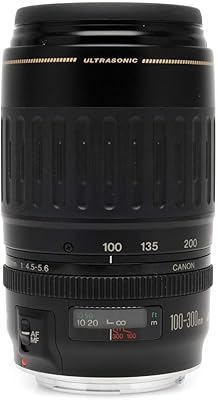
Canon EF 100-300mm f/4.5-5.6 Telephoto Zoom Lens
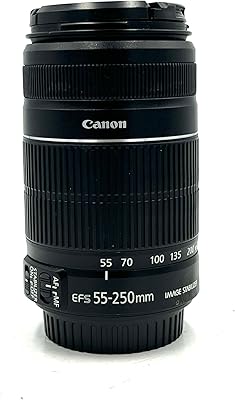
Canon EF-S 55-250mm IS II Telephoto Lens