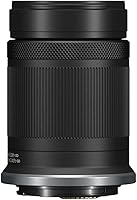
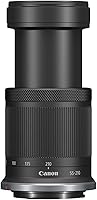
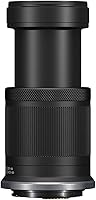
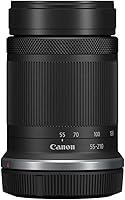
Overview

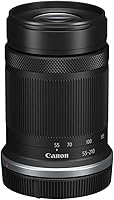
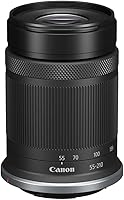
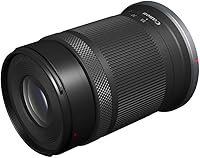
The Canon RF-S 55-210mm F5-7.1 STM Telephoto Lens is Canon's answer to a question most APS-C mirrorless shooters hit eventually: where do you go after the kit lens? With the crop factor working in its favor, this telephoto zoom delivers a full-frame equivalent reach stretching from roughly 88mm out to 336mm — meaningful range for a relatively modest investment. It's compact enough to toss in a travel bag without hesitation, and light enough that pairing it with an EOS R50 or R10 won't fatigue your wrist across a long day. That said, this is a consumer-grade optic, not an L-series replacement, and buyers should set expectations accordingly.
Features & Benefits

The optical construction is more deliberate than you might expect at this price point. Two UD glass elements work to tame chromatic aberration — that color fringing along high-contrast edges that tends to plague telephoto shots — while an aspheric element helps maintain sharpness across the frame. Canon's Super Spectra Coating does a credible job controlling flare and ghosting when shooting into bright light, which matters on sunny travel days. The STM autofocus motor runs quietly enough for video work where mechanical noise bleeds into audio. Stabilization is solid on its own, and pairing this Canon APS-C lens with an IBIS-equipped body pushes handheld performance noticeably further.

Best For

This telephoto zoom finds its strongest fit with photographers who want reach without a weight penalty. Traveling light through a city or hiking a trail, it drops into a daypack without drama alongside a compact R50 or R10 body. Budget-minded wildlife shooters will find the long end genuinely useful — framing birds across a marsh or animals at a cautious distance is workable in good light. Portrait photographers can lean on the compressed background effect that the longer focal lengths provide, getting subject separation a kit lens simply cannot match. Video creators benefit from the quiet AF operation and built-in stabilization when shooting handheld b-roll on the move.

User Feedback

Owners of the RF-S 55-210mm consistently highlight two things: image sharpness that holds up better than the price suggests, and autofocus that tracks reliably in good light. Travel and wildlife shooters are among the most satisfied voices, frequently noting how much useful range this Canon APS-C lens adds without loading down their bag. The more critical feedback centers on the variable maximum aperture — at the long end, the f/7.1 ceiling is a real constraint in dim conditions, with some users reporting AF hesitation indoors. A portion of buyers also flag the plastic build quality as feeling modest, though most acknowledge it suits the price tier. Net sentiment runs clearly positive, with the downsides being predictable for a consumer telephoto.

Pros

  • Excellent reach-to-weight ratio makes this Canon APS-C lens genuinely practical for all-day travel use.
  • Image sharpness consistently impresses owners given the accessible price point.
  • STM autofocus is quiet enough for video work without distracting motor noise in recordings.
  • Optical image stabilization delivers noticeably steadier handheld shots, especially in the mid-zoom range.
  • Pairing with an IBIS-equipped body pushes stabilization performance to a level that rivals much pricier lenses.
  • Canon Super Spectra Coating handles backlit and high-contrast scenes better than many consumer telephoto alternatives.
  • The long end of the zoom produces pleasing background compression that flatters portrait and nature subjects.
  • Compact dimensions mean it fits in a small shoulder bag alongside a mirrorless body without issue.
  • Two UD glass elements keep chromatic aberration well-controlled for a lens in this category.
  • Represents a natural, cost-effective kit upgrade for EOS R50 and R10 users who want more versatility.

Cons

  • At the long end, f/7.1 is a real constraint that limits usefulness in shade, indoors, or after golden hour.
  • Autofocus can hesitate or hunt in lower-light conditions, making it unreliable for indoor event shooting.
  • Plastic construction feels noticeably lightweight in hand and raises durability questions for heavy use.
  • No weather sealing means rain or dusty environments put the lens at genuine risk.
  • Variable aperture through the zoom range complicates consistent exposure management for newer photographers.
  • Tracking performance on fast or erratic subjects — sports, birds in flight — is inconsistent compared to dedicated sports telephoto options.
  • Maximum magnification is modest, so it is not a substitute for a dedicated macro lens on smaller subjects.
  • At 210mm on an APS-C body, the narrow field of view makes panning shots and quick reframing more challenging.
  • Some users report visible softness in the corners at the wider end of the zoom range.
  • Resale value is limited compared to Canon L-series glass, which holds its value more reliably over time.

Ratings

The scores below are generated by AI after analyzing thousands of verified owner reviews worldwide for the Canon RF-S 55-210mm F5-7.1 STM Telephoto Lens, with spam, bot-generated, and incentivized submissions actively filtered out. Both what users genuinely love and where they consistently hit friction are reflected here — no cherry-picking. If a category scores in the 60s, that frustration is real and worth understanding before you buy.

Image Sharpness
83%
Centre sharpness from around 55mm through to roughly 135mm earns consistent praise, with many owners noting that landscape shots and travel portraits hold up well even at moderate crops. Users regularly share examples from day trips and city walks where subject detail comes through clearly without heavy post-processing.
At the extreme telephoto end near 210mm, some softness creeps in — particularly toward the frame corners. For wildlife shooters trying to crop aggressively into a distant bird or animal, this limitation becomes noticeable and frustrating.
Autofocus Speed
74%
26%
In well-lit outdoor conditions, the STM motor acquires focus quickly enough for candid street shooting, casual wildlife moments, and event photography where subjects move predictably. Video shooters specifically appreciate how smoothly it transitions between focus points without the lurching behaviour common in older AF systems.
In shade, indoors, or during overcast wildlife sessions, focus hunting becomes a recurring complaint. Users attempting to track fast or erratic subjects — birds banking in flight, kids sprinting at sports day — report enough missed shots to matter.
Stabilization Performance
88%
Handheld shots at longer focal lengths are noticeably steadier than users expect from a consumer telephoto zoom, and those pairing this Canon APS-C lens with an IBIS-equipped EOS R7 body report a meaningful jump in keeper rate for slow-shutter handheld work. Travel photographers consistently single out stabilization as one of the strongest arguments for choosing this lens.
The stabilization's effectiveness drops off in very low light when shutter speeds become extremely slow, and some users report occasional jerky IS correction when panning — an issue that takes some adjustment to work around during moving-subject tracking.
Value for Money
91%
Across hundreds of reviews, the price-to-performance ratio is the single most praised aspect of this telephoto zoom. EOS R50 and R10 owners regularly describe it as the obvious second lens purchase precisely because it delivers substantially more reach and optical quality than the telephoto end of any kit zoom at a price that does not require serious deliberation.
A minority of buyers who compared it to third-party alternatives at similar or slightly higher price points felt the aperture limitation was harder to justify. Those who ultimately wanted faster glass for indoor events found the value equation less convincing once they accounted for the ISO penalties at f/7.1.
Low-Light Performance
57%
43%
At the wider end of the zoom range and in bright indoor environments, the lens handles reasonably well, and the stabilization helps recover some usability when ambient light drops. Users shooting family gatherings near windows or in moderately lit venues manage acceptable results with some ISO adjustment.
At full telephoto reach indoors or at dusk, f/7.1 is a genuine constraint that forces either high ISO noise or motion blur — and often both simultaneously. This is the most consistent pain point in negative reviews, particularly from users who bought the lens expecting versatility across all shooting conditions.
Build Quality
63%
37%
The lightweight plastic construction is genuinely appreciated by travel photographers who prioritize keeping their total kit weight down, and the zoom ring operates smoothly without the stiffness or wobble that plagues some budget optics. For casual daily use it holds together without complaint.
Paired with a small body like the R50, the all-plastic barrel feels noticeably modest — more toy-like than tool-like to some users. The absence of weather sealing draws pointed criticism from anyone who shoots outdoors regularly and expects at least some protection against light rain or dust.
Zoom Range Versatility
86%
The effective focal range on an APS-C sensor gives users access to a genuinely useful spread — from moderate portrait compression to serious reach for wildlife and sports, all in a single compact lens. Travel photographers in particular value not having to swap lenses between a city stroll and a distant landmark shot.
The gap between a typical 18-45mm kit lens and this one starting at 55mm creates a coverage hole around the 45–55mm range that some users find awkward. If you are walking around a market or a narrow street, switching between lenses to fill that gap becomes mildly inconvenient.
Video Usability
81%
19%
Content creators and vloggers who use this telephoto zoom for b-roll, nature footage, or travel documentaries consistently highlight the near-silent STM focusing and the smooth zoom action as real advantages over louder, older lens designs. The stabilization makes handheld panning sequences substantially cleaner.
At the telephoto end in lower-light video scenarios, the narrow aperture forces high ISO which introduces noise that is harder to manage in video than in stills. Some users also note that the lens does not have a manual aperture ring, which limits creative exposure control during video recording.
Portability
92%
At well under 270 grams, this is a lens that disappears into a camera bag without requiring any packing compromise. Frequent travellers and day-hikers specifically mention that the size and weight make it easy to keep attached to a compact mirrorless body all day without fatigue.
The compact dimensions do mean the zoom throw is relatively short, which can make fine focal length adjustments feel imprecise to photographers who prefer a longer, more deliberate zoom barrel rotation for careful composition.
Flare & Contrast Control
79%
21%
Canon's Super Spectra Coating does a respectable job in backlit shooting scenarios — shooting into afternoon sun during travel or catching rim light on a portrait subject produces results with less ghosting than many users anticipated from a consumer lens at this price.
In extreme contre-jour situations or when a bright light source sits just outside the frame, some residual flare and contrast loss is still visible. Users who frequently shoot into strong sun without a lens hood attached report more issues, suggesting the coating has limits that physical shading compensates for.
Chromatic Aberration
77%
23%
The two UD glass elements keep lateral chromatic aberration well-controlled for a consumer telephoto, and most users shooting landscapes or portraits report that fringing along high-contrast edges is minor enough to correct quickly in post or leave entirely. This is a meaningful step up from typical kit lens optics.
At the telephoto end with high-contrast subjects — branches against a bright sky, architectural edges against white clouds — some colour fringing is still visible and requires correction. Users who shoot in JPEG without post-processing may find the uncorrected fringing more bothersome than those working in RAW.
Close Focus Capability
68%
32%
The ability to focus down to under a metre at full telephoto gives this lens a modest close-up capability that surprises some users — framing a flower head or a product the size of a wallet is achievable and the resulting compression looks attractive.
It is clearly not a macro lens, and users who bought it hoping for detailed close-up work on small subjects like insects or coins will find the magnification limit disappointing. The minimum focus distance also increases as you zoom out, which reduces its utility for close-up work at shorter focal lengths.
Bokeh Quality
72%
28%
At the longer focal lengths with a subject at close-to-mid range, the background separation is genuinely pleasing for a consumer zoom — portrait shots at outdoor events or wildlife frames with clean backgrounds show smooth, non-distracting out-of-focus rendering that users frequently compliment.
The narrow maximum aperture at the telephoto end limits how shallow the depth of field can actually get, and in cluttered backgrounds the bokeh occasionally shows some busy, structured quality rather than the smooth wash that faster telephoto lenses produce. It is acceptable rather than exceptional.
Compatibility & Ecosystem Fit
89%
For anyone already committed to Canon APS-C mirrorless, this lens slots directly into the RF-S ecosystem without adapters, firmware workarounds, or compatibility concerns. It communicates fully with the camera body for IBIS coordination, subject detection AF modes, and in-camera corrections — all of which work reliably.
Its exclusivity to APS-C RF bodies is a hard limitation for photographers who plan to upgrade to a full-frame Canon body in the future, since the investment does not carry forward. Users on the fence about their long-term system direction should factor this in before committing.

Suitable for:

The Canon RF-S 55-210mm F5-7.1 STM Telephoto Lens is a strong fit for Canon APS-C mirrorless owners who have outgrown their kit lens and want meaningful reach without a dramatic jump in cost or bag weight. If you shoot an EOS R50, R10, or R7 and find yourself wishing you could pull distant subjects closer — birds at a park, kids at a school sports day, street performers across a plaza — this telephoto zoom fills that gap practically and affordably. Travel photographers in particular will appreciate how little the lens adds to a carry-on kit; at under ten ounces, it simply doesn't feel like a burden. Video shooters benefit from the quiet STM motor and built-in stabilization, which together make handheld footage significantly more usable without any additional gear. For anyone building their first multi-lens kit on a Canon mirrorless body, this is a logical and well-priced next step.
Not suitable for:

Photographers shooting in low light or unpredictable indoor conditions will likely find this telephoto zoom frustrating at the long end, where the maximum aperture narrows to f/7.1 and autofocus confidence drops noticeably. The Canon RF-S 55-210mm F5-7.1 STM Telephoto Lens is a consumer-tier optic, and anyone expecting L-series sharpness, weather sealing, or professional-grade build quality will be disappointed — it is not engineered for that market. Sports or action photographers who need fast, decisive tracking of erratic subjects in mixed lighting may also find the autofocus system lacking the speed and tenacity of more specialized telephoto options. Full-frame Canon shooters cannot use this lens at all; it is exclusively designed for APS-C sensor bodies. If your photography regularly demands performance in dim environments or you plan to upgrade to a full-frame body in the near term, the investment may not translate well.
Specifications

  • Focal Length: Covers a 55–210mm zoom range on APS-C mirrorless bodies, equivalent to approximately 88–336mm in full-frame terms.
  • Max Aperture: Variable maximum aperture of f/5 at the wide end, narrowing to f/7.1 at the telephoto end.
  • Image Stabilization: Built-in Optical Image Stabilization provides up to 4.5 stops of shake correction when used standalone.
  • OIS with IBIS: When paired with an In-Body Image Stabilizer equipped EOS R body, combined stabilization reaches up to 7.0 stops.
  • Autofocus System: STM (Stepping Motor) drive delivers smooth, near-silent autofocus well-suited to both stills and video.
  • Optical Elements: Lens construction includes two UD (Ultra-low Dispersion) glass elements and one aspheric element to control aberration and maintain edge sharpness.
  • Lens Coating: Canon Super Spectra Coating (SSC) is applied to reduce ghosting and flare under backlit or high-contrast lighting conditions.
  • Min Focus Distance: Minimum focusing distance is approximately 0.73m (around 28.7 inches), measured from the image plane.
  • Max Magnification: Achieves a maximum magnification ratio of 0.28x at the 210mm focal length setting.
  • Lens Mount: Uses the Canon RF mount, compatible exclusively with Canon EOS R series mirrorless camera bodies.
  • Sensor Compatibility: Designed for APS-C format sensors; not intended for full-frame Canon RF bodies.
  • Weight: Weighs approximately 9.5 oz (roughly 269g), keeping the overall mirrorless kit light and travel-friendly.
  • Dimensions: Measures 3.7 inches in length with a 2.7-inch diameter, making it compact relative to its zoom range.
  • Filter Thread: Accepts 67mm screw-in filters at the front element.
  • Aperture Blades: Features a 7-blade circular aperture diaphragm designed to produce reasonably smooth bokeh at applicable settings.
  • Compatible Bodies: Optimized for use with Canon EOS R50, R10, and R7 APS-C mirrorless cameras, among other RF-mount APS-C models.
  • Manufacturer: Designed and manufactured by Canon USA, backed by Canon's standard limited warranty for imaging products.
  • Model Number: Official Canon model number is 5824C002, released for sale beginning in early 2023.

Related Reviews
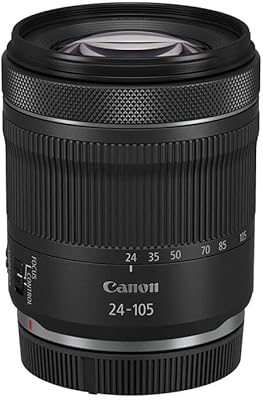
Canon RF 24-105mm F4-7.1 Zoom Lens
79%
91%
Versatility & Focal Range
88%
Image Stabilization
79%
Autofocus Performance
52%
Low-Light Capability
67%
Build Quality & Handling
More
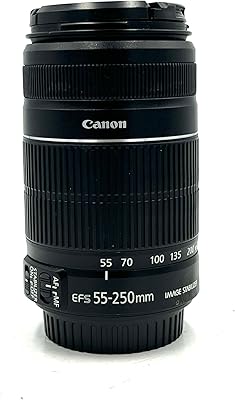
Canon EF-S 55-250mm f/4-5.6 IS II Telephoto Zoom Lens
82%
91%
Value for Money
88%
Image Stabilization Performance
65%
Autofocus Speed in Low Light
93%
Portability & Size
85%
Image Quality & Sharpness
More
Canon RF 85mm F2 Macro Lens
82%
93%
Image Sharpness
89%
Bokeh Quality
61%
Autofocus Speed
91%
Image Stabilization
74%
Macro Capability
More
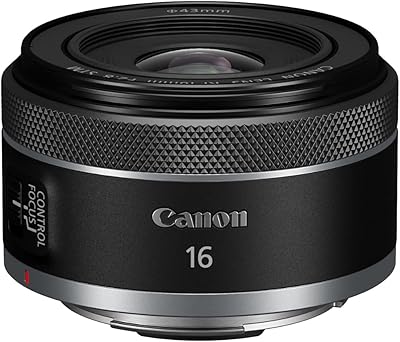
Canon RF 16mm F2.8 STM Lens
78%
78%
Image Sharpness
83%
Autofocus Performance
61%
Build Quality
82%
Value for Money
94%
Portability & Size
More
Canon RF 600mm f/11 IS STM Lens
71%
93%
Portability
91%
Value for Focal Length
82%
Image Sharpness
74%
Autofocus Performance
88%
Image Stabilization
More
Canon RF 50mm F1.8 STM Lens
74%
83%
Image Sharpness
78%
Bokeh Quality
76%
Autofocus Speed & Accuracy
81%
Low-Light Performance
61%
Build Quality & Durability
More
Canon EF 50mm f/1.8 STM Lens
79%
83%
Image Sharpness
88%
Bokeh & Background Separation
81%
Low-Light Performance
72%
Autofocus Speed & Accuracy
91%
Autofocus Noise
More
BENOISON RF 420-800mm Manual Telephoto Lens for Canon
81%
88%
Value for Money
79%
Manual Focus Precision
84%
Image Quality at 420mm
91%
Build Quality & Durability
92%
Compatibility with Canon RF Mount
More
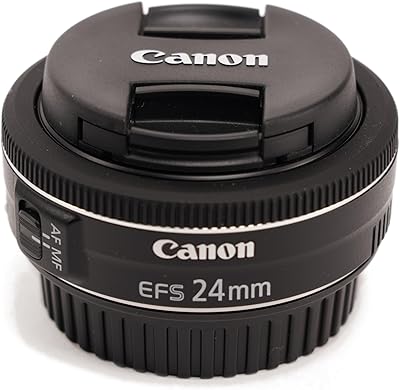
Canon EF-S 24mm f/2.8 STM Lens
79%
88%
Image Sharpness
82%
Autofocus Performance
61%
Build Quality
96%
Portability & Size
74%
Low-Light Capability
More
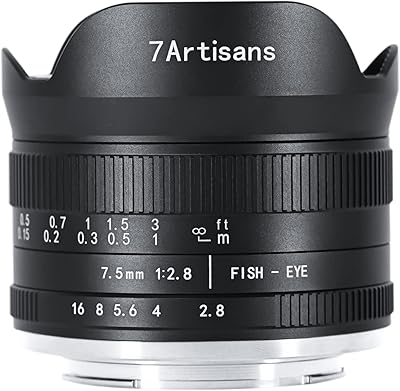
7artisans 7.5mm f2.8 Mark II Fisheye Lens for Canon RF
85%
88%
Image Quality
92%
Build Quality
65%
Ease of Use (Manual Focus)
90%
Portability
85%
Low-Light Performance
More

FAQ

Technically it will mount, since it uses the RF bayonet, but it is not designed for full-frame sensors. On a full-frame body you would see significant vignetting and the camera would likely crop automatically. This telephoto zoom is built specifically for APS-C bodies like the R50, R10, and R7.

It is genuinely useful, particularly when shooting handheld in the 100–210mm range where camera shake becomes more visible. Standalone, it gives you a meaningful buffer for slower shutter speeds. If your camera body also has in-body stabilization — like the EOS R7 — the two systems work together and the improvement is quite noticeable for both stills and video.

In good daylight, the STM autofocus is reasonably responsive and handles moderately moving subjects like wandering wildlife or kids at a relaxed pace. For fast, erratic action — birds in full flight, sports with rapid direction changes — it can struggle to keep up consistently. It is a capable consumer-level performer, not a sports-specialist lens.

Yes, and it actually works quite well for portraits. The longer focal lengths compress perspective nicely and help separate your subject from the background. At a family gathering or outdoor portrait session, framing someone from a comfortable distance at 135–210mm produces a flattering, natural-looking result.

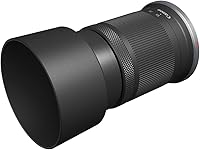
Yes, a lens hood is included in the box. It is worth keeping it attached whenever possible, since the Super Spectra Coating is good but a hood provides physical protection against stray light hitting the front element at harsh angles.

At the wide end of the zoom it is on par with most kit lenses, but as you zoom toward 210mm the aperture shrinks to f/7.1, which is fairly restrictive. Indoors or at dusk, you will need to push your ISO higher or slow your shutter speed. For dim-light telephoto work, this trade-off is a real consideration.

The front element accepts 67mm screw-in filters, which is a common size. Polarizing filters and ND filters in that diameter are widely available and not particularly expensive, which is a practical advantage.

It holds up well for typical travel use — day trips, city walking, family holidays. The construction is plastic-heavy, which keeps weight down but does mean it feels less premium than metal-barreled lenses. There is no weather sealing, so you should protect it in rain or dusty conditions rather than shooting through them freely.

The RF-S 55-210mm will focus down to about 0.73 meters from your camera's image sensor. That is close enough to fill the frame with an object roughly the size of a paperback book at maximum zoom, but it is not a macro lens and will not work well for very small subjects like insects or coins.

For most people, yes. It extends your reach significantly without adding much weight or complexity to your kit, and the image quality is a genuine step up from the telephoto end of a typical 18-45mm or 18-55mm kit lens. If you already own an EOS R50 or R10 and want more versatility for travel, wildlife, or events, this Canon APS-C lens is a logical and practical choice.

Where to Buy