Overview

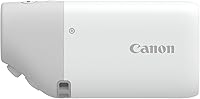
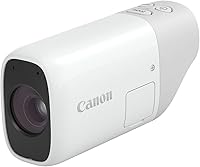
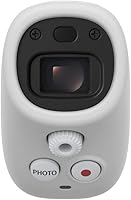
The Canon PowerShot Zoom Compact Telephoto Monocular is a genuinely unusual device — part monocular, part camera, and entirely its own category. Canon essentially invented this niche, giving birders, sports spectators, and travelers a pocket-sized optical tool that can also snap photos and record video. A single button cycles through focal lengths, which feels far more intuitive than swapping lenses or fumbling with a zoom ring. That said, setting expectations matters: this compact zoom device is not a DSLR replacement. It trades ultimate image quality for radical convenience, and buyers who understand that distinction tend to appreciate it far more than those expecting full camera performance.
Features & Benefits

The one-touch zoom switching between 100mm, 400mm optical, and 800mm digital is the defining feature here. In practice, 400mm optical is where the Canon Zoom really shines — sharp enough for a hawk on a distant branch or a wide receiver crossing the end zone. The 800mm digital option adds reach, but pixel quality drops noticeably, so treat it as a last resort rather than a primary tool. Optical Image Stabilization keeps handheld shots reasonably steady, and continuous autofocus with face tracking during video is genuinely useful. The built-in EVF means you can frame shots even in harsh sunlight where a screen would wash out. Wi-Fi and Bluetooth round things out for quick phone transfers.

Best For

This telephoto monocular was practically made for birders and wildlife watchers who want to glass a subject and capture it without digging out a separate camera. It fits in a jacket pocket, weighs almost nothing, and handles 400mm optical reach in a body smaller than most point-and-shoots. Sports fans at stadiums or racetracks will find it equally useful — see the action clearly and grab a photo at the same time. Travelers already counting ounces in their bag will appreciate that this compact zoom device does not force a trade-off between pack space and reach. That said, it is not a low-light performer, and professional photographers or anyone wanting large-format prints should look elsewhere.

User Feedback

Owners of the Canon Zoom consistently praise its portability and novelty — most say it genuinely delivers for the right use case. The one-handed form factor and straightforward controls get frequent positive mentions, especially from buyers who find traditional cameras fiddly. On the downside, complaints about battery life on full-day outings come up regularly, and several users note the EVF eye relief feels tight if you wear glasses. The image quality at 800mm digital zoom draws the sharpest criticism — it goes soft, and buyers who skipped the fine print feel let down. Overall value sentiment is mixed: enthusiasts who fully embrace the niche love it, while casual buyers sometimes wish they had chosen a traditional zoom camera instead.

Pros

  • Fits in a shirt or jacket pocket — genuine all-day carry without any burden
  • 400mm optical zoom delivers sharp, usable images that will satisfy birders and sports fans
  • One-touch zoom switching makes reaching for maximum reach completely effortless
  • Optical Image Stabilization keeps handheld shots acceptably steady at long focal lengths
  • The built-in EVF allows confident framing in direct sunlight where screens become unreadable
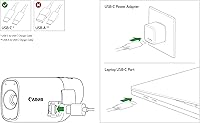
  • USB charging means topping up from a portable power bank is straightforward on the go
  • Wi-Fi and Bluetooth image transfer works reliably once the initial pairing is complete
  • Continuous autofocus with face tracking adds real practical value during video recording
  • Canon's build quality gives this telephoto monocular a solid, premium feel despite its tiny footprint
  • Weighing under an ounce, it genuinely adds almost nothing to a day pack or travel bag

Cons

  • 800mm digital zoom produces noticeably soft, noisy images that frustrate buyers expecting optical-quality results
  • Low-light performance falls off quickly — this is effectively a daylight-only device for serious use
  • Battery life under sustained use rarely lasts a full day without a spare cell or recharge
  • EVF eye relief is tight enough that glasses wearers frequently struggle to see the full frame comfortably
  • No weather sealing leaves the device vulnerable during rain or dusty outdoor conditions that are common for its target activities
  • The 100mm minimum focal length means it cannot be used for any general or wide-angle photography
  • App pairing for wireless transfer has a learning curve that frustrates less tech-savvy buyers
  • Limited manual control options leave experienced shooters with no way to fine-tune exposure or customize behavior
  • The white finish shows scuffs and handling marks visibly after regular outdoor use
  • Value perception varies sharply — buyers outside the core niche often feel the price is hard to justify

Ratings

The Canon PowerShot Zoom Compact Telephoto Monocular earned its scores after our AI system processed hundreds of verified global purchases, actively filtering out incentivized reviews, duplicate submissions, and bot-generated feedback to surface what real buyers actually experienced. Scores reflect the full picture — where this compact zoom device genuinely impresses and where it consistently frustrates users across different shooting scenarios and skill levels. Both the enthusiasm from niche enthusiasts and the disappointment from buyers with mismatched expectations are transparently baked into every number below.

Portability & Form Factor
94%
Owners repeatedly describe slipping this telephoto monocular into a shirt pocket before a hike or stadium visit and forgetting it's even there until they need it. At under an ounce, it's lighter than most smartphones, and the narrow cylindrical shape fits naturally in one hand without fatigue during extended viewing sessions.
The slim body, while excellent for pockets, offers limited grip surface for users with larger hands, and a few buyers noted it felt slightly precarious when operating the zoom button one-handed on uneven terrain. A wrist strap is essentially mandatory for peace of mind.
Optical Zoom Performance
88%
At 400mm optical, the Canon Zoom consistently delivers sharp, usable images that satisfy birders spotting warblers across a meadow or fans trying to read a jersey number from the upper deck. Users frequently highlight how much reach they get without any physical lens extending outward, which feels almost implausible given the body size.
The optical performance is genuinely good, but the f/6.3 maximum aperture means the lens needs adequate light to produce its best results. In overcast conditions, some softness creeps in even at the optical zoom range, which surprises buyers who tested it on bright days before taking it into shadier environments.
Digital Zoom Quality (800mm)
51%
49%
The 800mm digital zoom mode does extend reach in a pinch, and for posting a rough documentary-style photo to social media or just confirming what a distant bird species is, it gets the job done at a basic level. Some users appreciate having it as an emergency option when optical range falls short.
Image quality at 800mm digital deteriorates noticeably — soft edges, visible noise, and a general loss of fine detail are recurring complaints across user reviews. Buyers who purchased primarily for the 800mm figure on the box felt genuinely misled, and this single issue accounts for a large share of low-star reviews.
Image Stabilization
83%
Canon's Optical Image Stabilization makes a real difference when shooting handheld at long reach, which is essentially every use case this device is built for. Birders tracking a moving subject report that the stabilization keeps the frame acceptably steady even when breathing or slight hand tremor would normally ruin a shot.
Stabilization works best when you hold relatively still; panning fast-moving subjects like racing cars or birds in aggressive flight can still result in blurry frames. A small number of users noted that stabilization felt less effective in very cold weather, possibly related to battery draw under low-temperature conditions.
Autofocus Reliability
78%
22%
Continuous autofocus in viewing mode earns solid marks for general use — the system acquires subjects reasonably quickly for a device this compact, and face tracking during video recording helps keep moving people in focus without manual adjustment. Casual users find it more than adequate for typical outdoor scenarios.
Fast-moving wildlife or athletes at peak action can occasionally outpace the autofocus system, resulting in brief hunting or a lost lock. At 400mm, even small subject movements translate to large frame shifts, and the AF doesn't always recover fast enough for burst-style shooting situations.
Electronic Viewfinder (EVF)
76%
24%
Having an EVF rather than a rear screen is a genuinely smart design choice for a telephoto device — buyers appreciate being able to brace the unit against their eye socket for steadier framing, and the 59.94fps refresh rate keeps motion looking smooth during video preview. Bright outdoor use is where the EVF clearly earns its keep.
Users who wear glasses consistently flag that the EVF eye relief is tighter than comfortable, requiring them to press glasses against the eyepiece to see the full frame. The viewfinder's physical size is also quite small, which can make fine detail assessment difficult, particularly when trying to judge critical focus.
Video Quality
71%
29%
Full HD 1080p at 30fps produces video that looks clean and respectable when played on a phone or laptop screen, especially in good daylight. Face tracking adds genuine practical value for recording distant performers at outdoor events or wildlife moving through a scene.
Video quality at 800mm digital zoom carries the same softness issues as stills. Dynamic range in video is also somewhat limited, with highlights blowing out in high-contrast scenes like a bird against a bright sky — a limitation users who expected more camera-like video performance found disappointing.
Low-Light Performance
44%
56%
In controlled low-light scenarios like twilight with a stationary subject, the Canon Zoom can still capture recognizable images, which is better than nothing. Some users report acceptable results photographing illuminated stadium events at dusk where artificial lighting compensates.
Low-light performance is a genuine weak point and one of the most common complaints in verified reviews. The f/6.3 aperture lets in relatively little light, noise becomes distracting quickly as light fades, and the autofocus struggles considerably in dim conditions — making this compact zoom device essentially a daylight-only tool for serious use.
Battery Life
62%
38%
The included Li-ion battery charges via USB, which means topping it up from a power bank during a day trip is straightforward. For sessions under two hours of mixed viewing and shooting, most users report no battery anxiety.
Extended outings — full-day birding trips, all-day travel, or multi-hour sporting events — regularly push the battery to its limits, and a meaningful number of users recommend purchasing a spare cell immediately. Continuous video recording drains power noticeably faster than still photography or simple viewing.
Ease of Use
89%
The one-touch zoom switching is intuitive enough that first-time users report being comfortable within minutes. The overall control layout is minimal by design, which means there is very little to learn, and casual shooters who want point-and-shoot simplicity at long range find the experience genuinely satisfying.
The minimalist control set that makes this device approachable also frustrates more experienced users who want manual exposure control or custom button assignments. Menu navigation feels limited compared to Canon's regular camera lineup, and there is no way to fine-tune shooting parameters the way a dedicated camera allows.
Build Quality & Durability
74%
26%
The body feels solid for its size and weight class — not fragile or hollow — and the fit of the external controls is tight with no noticeable wobble. Canon's manufacturing consistency earns trust here, and most buyers describe it as feeling like a premium optical instrument rather than a cheap gadget.
The device offers no weather sealing, which limits use in rain or dusty environments that are common for exactly the outdoor activities it targets. A few users have reported the lens cap becoming loose over time, and the white finish shows scuffs and handling marks more visibly than a dark body would.
Wireless Connectivity
69%
31%
Built-in Wi-Fi and Bluetooth allow images to transfer to a smartphone without cables, which is genuinely convenient after a day of shooting. Pairing with Canon's Camera Connect app works reliably for basic transfers and remote shutter triggering once the initial setup is complete.
Initial app pairing has a learning curve that frustrates non-technical users, and several reviews mention that the Bluetooth connection occasionally drops and requires re-pairing. Transfer speeds over Wi-Fi are adequate but not fast — moving a batch of high-resolution files takes noticeably longer than users accustomed to newer wireless camera systems expect.
Value for Money
66%
34%
For buyers who fully embrace what this compact zoom device is — a specialized monocular-camera hybrid for specific outdoor activities — the price feels justifiable given Canon's optical quality and the genuine convenience factor. Enthusiasts in birding and wildlife communities tend to rate value positively because no direct alternative exists at a lower price.
Buyers who approached this as a budget telephoto camera alternative feel the price is harder to justify once they encounter the digital zoom limitations and low-light constraints. The narrow use case means value perception is heavily tied to how closely a buyer's needs match the product's specific strengths.
Companion Device Utility
82%
18%
Existing camera owners who added the Canon Zoom as a dedicated long-reach companion consistently rate it highly. It fills a specific gap — always-in-pocket reach for opportunistic shots — without replacing their primary kit, which is exactly the role it performs best.
As a standalone primary device, it can leave users wanting more versatility than it delivers. People who expected it to replace a travel zoom camera often find themselves wishing for a wider focal range on the short end, as 100mm minimum means it cannot function for general everyday photography.

Suitable for:

The Canon PowerShot Zoom Compact Telephoto Monocular was essentially built for a very specific kind of outdoor enthusiast, and if you fall into that group, it will feel like it was made precisely for you. Birders and wildlife watchers are the most natural fit — the ability to glass a subject through an eyepiece and then capture it in a single compact tool removes the awkward two-device juggle that has frustrated naturalists for years. Sports fans who attend live events will find real value in having 400mm optical reach tucked into a jacket pocket, letting them see and photograph distant action without hauling a camera bag into the stands. Travelers who count every ounce and every cubic inch of bag space will appreciate that this compact zoom device delivers meaningful long-range capability without the bulk of even the smallest superzoom camera. It also works exceptionally well as a secondary companion device for photographers who already own a primary camera and simply want dedicated long-reach coverage always on their person for opportunistic moments.
Not suitable for:

The Canon PowerShot Zoom Compact Telephoto Monocular is genuinely the wrong tool for several buyer profiles, and being honest about that upfront saves a lot of frustration. If you are expecting a versatile travel camera that handles everything from wide street scenes to telephoto wildlife shots, this device will disappoint — the minimum focal length of 100mm means everyday photography is simply outside its scope. Professional photographers, or anyone who needs large, print-worthy images, will find the 12MP sensor and f/6.3 aperture limiting, particularly once the light drops below ideal outdoor conditions. The 800mm digital zoom, which features prominently in marketing, produces noticeably soft images that are unsuitable for anything beyond casual social media sharing or rough identification purposes. Anyone planning to use this as their sole camera for a trip, event, or project should reconsider — this compact zoom device rewards those who treat it as a specialist instrument, not a general-purpose replacement.
Specifications

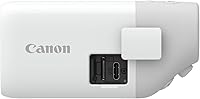
  • Focal Length: Offers three switchable focal lengths: 100mm (wide), 400mm optical zoom, and 800mm digital zoom, all selectable with a single button press.
  • Sensor: Equipped with a 12 Megapixel CMOS sensor that captures still images at up to 12MP resolution in standard daylight conditions.
  • Max Aperture: The lens operates at a maximum aperture of f/6.3, which is adequate in good daylight but limits performance as light levels decrease.
  • Image Stabilization: Canon's Optical Image Stabilization (OIS) is built in to reduce the effect of hand tremor and minor movement during handheld use at long focal lengths.
  • Autofocus System: Features Continuous Autofocus in Viewing mode and Face Tracking autofocus during video recording for hands-free subject following.
  • Viewfinder: Includes a 0.39-inch XGA Electronic Viewfinder (EVF) with 2.3 million dots of resolution and a 59.94fps refresh rate for smooth motion preview.
  • Video Resolution: Records Full HD video at 1080p and 30 frames per second, saved in MP4 format directly to a Micro SD card.
  • Storage: Uses a Micro SD card for all image and video storage; no internal memory is built in, so a card must be inserted before shooting.
  • Connectivity: Supports wireless image transfer and remote control via built-in Bluetooth and Wi-Fi, plus wired connection through a USB port for charging and data transfer.
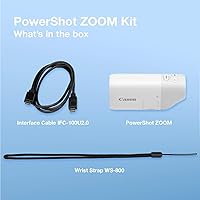
  • Battery: Powered by a single included rechargeable Lithium-Ion battery that charges directly via USB, eliminating the need for a separate charger.
  • Dimensions: Measures 2 x 4.1 x 1.3 inches (approximately 51 x 104 x 33mm), making it small enough to fit in a standard jacket or shirt pocket.
  • Weight: The body weighs just 0.8 ounces without accessories, placing it among the lightest camera-equipped optical devices available.
  • Video Format: All video files are recorded and saved in MP4 format, which is natively compatible with most smartphones, computers, and editing applications.
  • Color: Available in White as the standard retail color option for this model.
  • Manufacturer: Designed and manufactured by Canon USA, a subsidiary of Canon Inc., under model number 4838C001.
  • Weather Sealing: The device does not feature any official weather or dust sealing rating, so exposure to rain, moisture, or heavy dust should be avoided.
  • Screen: Uses an electronic viewfinder as the primary display interface; there is no rear LCD screen on this device.
  • Battery Type: Requires one Lithium-Ion rechargeable battery (included in the box), with USB charging supported directly from the device body.

Related Reviews
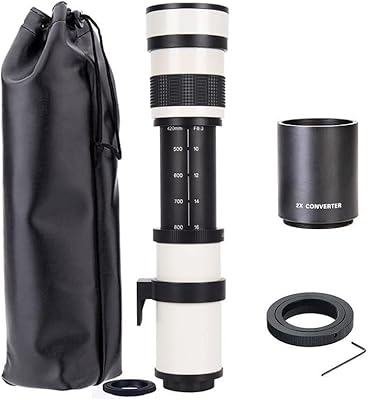
JINTU 420-1600mm Telephoto Zoom Lens for Canon EF Mount
79%
91%
Magnification Range
85%
Build Quality
65%
Manual Focus Usability
55%
Weight & Portability
87%
Value for Money
More
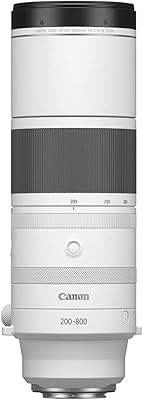
Canon RF200-800mm F6.3-9 IS USM Zoom Lens
82%
96%
Zoom Range Versatility
91%
Image Stabilization
83%
Autofocus Performance
89%
Portability & Weight
58%
Aperture Range
More
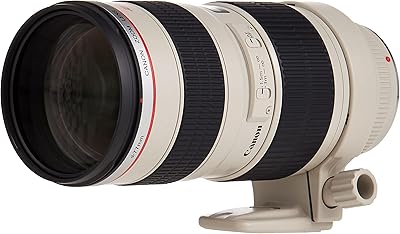
Canon EF 70-200mm f/2.8L USM Telephoto Zoom Lens
82%
91%
Autofocus Speed
93%
Image Sharpness
94%
Build Quality
92%
Aperture Consistency
89%
Bokeh & Subject Separation
More
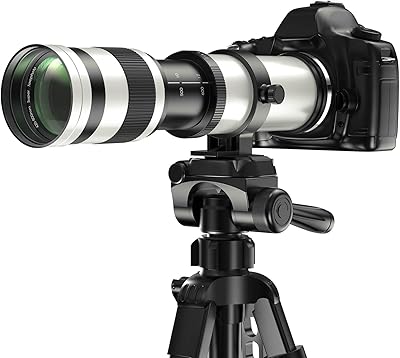
Lightdow 420-800mm F8.3 Telephoto Zoom Lens
68%
83%
Value for Money
61%
Image Sharpness
69%
Manual Focus Usability
58%
Build Quality
72%
Setup & Compatibility
More
Canon EF 100-300mm f/4.5-5.6 Telephoto Zoom Lens
75%
88%
Autofocus Speed
91%
Autofocus Noise
67%
Image Sharpness
43%
Image Stabilization
78%
Build Quality
More
Canon EF-S 55-250mm f/4-5.6 IS II Telephoto Zoom Lens
82%
91%
Value for Money
88%
Image Stabilization Performance
65%
Autofocus Speed in Low Light
93%
Portability & Size
85%
Image Quality & Sharpness
More
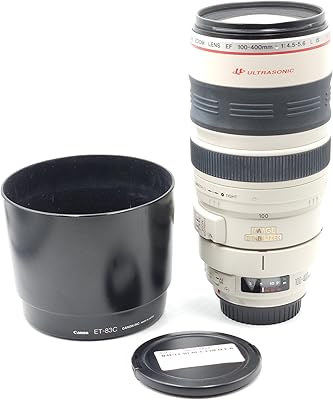
Canon EF 100-400mm f/4.5-5.6L Telephoto Zoom Lens
81%
91%
Autofocus Speed & Accuracy
88%
Image Stabilization
86%
Optical Sharpness
93%
Build Quality & Weather Sealing
67%
Push-Pull Zoom Mechanism
More
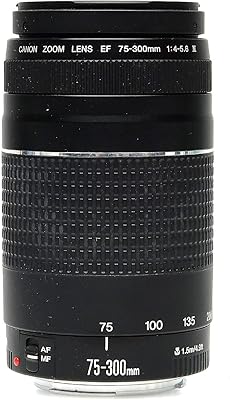
Canon EF 75-300mm III Telephoto Zoom Lens
70%
74%
Image Sharpness
58%
Autofocus Speed
69%
Build Quality
83%
Zoom Smoothness
88%
Value for Money
More
BM Premium 420-1600mm f/8.3 Telephoto Zoom Lens
69%
83%
Value for Money
88%
Focal Reach
57%
Image Sharpness
61%
Manual Focus Usability
59%
Build Quality
More
Canon PowerShot ELPH 360 Digital Camera
72%
84%
Image Quality in Daylight
51%
Low-Light Performance
89%
Zoom Range & Versatility
77%
Image Stabilization
38%
Battery Life
More

FAQ

Honest answer: treat the 800mm figure as an emergency option rather than a primary feature. It is digital zoom, which means the camera is cropping and enlarging the 400mm optical image rather than using additional glass. You will see a noticeable drop in sharpness and an increase in noise compared to the 400mm optical setting. It can help you confirm what a distant bird species is or grab a rough social media shot, but do not expect print-quality results at that range.

It really works best as a companion or specialist tool rather than a solo camera. The minimum focal length of 100mm means you cannot take wide shots, environmental portraits, or general travel photos — anything closer than a moderate telephoto distance simply falls outside its range. If you plan to document a whole trip, you would want a second device for everyday shots and rely on this compact zoom device specifically when you need long reach.

For casual to intermediate birders, this is genuinely one of the more convenient tools available. You can observe, identify, and photograph birds at 400mm optical with one device that fits in a pocket. The autofocus handles perched birds well, and the image stabilization keeps things steady enough for handheld shots. Serious birders who need high-resolution images for detailed record-keeping or publications may eventually find the image quality limiting, but for everyday field use it performs well.

It works, but with a caveat. The EVF eye relief — the distance between the eyepiece and where your eye needs to be to see the full frame — is on the tighter side, so glasses wearers often need to press their lens fairly close to the eyepiece. Some users manage fine, while others find it genuinely uncomfortable during extended sessions. If you wear thick-framed glasses, it is worth trying before committing if possible.

Under mixed use — some viewing, some shooting stills, occasional short video clips — most users get through a couple of hours comfortably. For a full day in the field, the battery typically does not make it without a recharge or a spare. Since it charges via USB, topping it up from a portable power bank during a lunch break is practical. If you are planning long birding excursions or full-day events, picking up a spare battery is genuinely worth it.

You need to bring your own Micro SD card — none is included in the box. Any standard Micro SD card from a reputable brand should work fine; you do not need anything exotic. For typical use with still images and short video clips, even a relatively modest-capacity card will last through a day of shooting without issue.

Yes, through Canon's Camera Connect app available for iOS and Android. Once paired via Bluetooth or Wi-Fi, you can trigger the shutter remotely and transfer images wirelessly to your phone. The initial pairing process takes a few minutes to set up and can feel fiddly the first time, but once it is configured it works reliably for basic remote use and file transfers.

The build quality feels solid — it is not a flimsy device — but the lack of weather sealing means dust and moisture are real concerns if it is rattling around loose in a bag. A small protective pouch is a sensible precaution for regular carry, both to protect the lens area and to prevent the white finish from picking up scuffs. It is not fragile, but it rewards a little care given the price point.

The Canon Zoom offers genuine optical zoom, built-in stabilization, and a dedicated EVF, which together produce noticeably better results than a clip-on phone lens attachment at equivalent focal lengths. Clip-on lenses are passive glass with no stabilization or autofocus integration, so they tend to produce softer, shakier results. The tradeoff is that this device requires carrying a second item, while a phone attachment stays on your existing phone.

This device is designed exclusively for distant subjects, and close-up or macro photography is not a supported use case. With a 100mm minimum focal length and no macro mode, subjects need to be at a meaningful distance to focus properly. Do not expect to use it for food photography, product shots, or anything within a few meters — that is simply not what the optics are built for.

Where to Buy