Overview

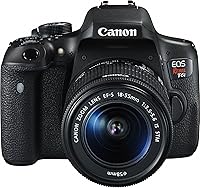
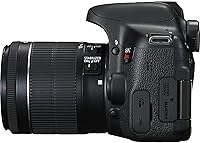
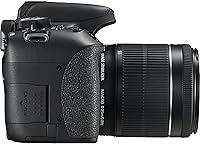
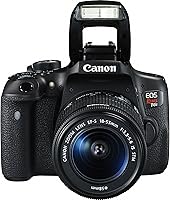
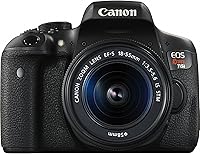
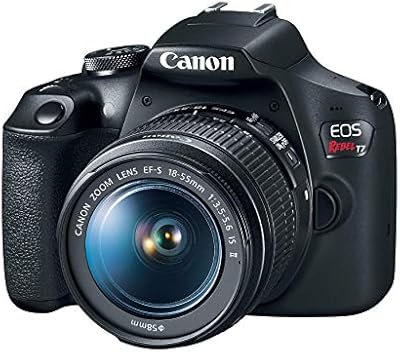
The Canon EOS Rebel T6i arrived at exactly the right moment for hobbyists and photography students hungry for a genuine DSLR upgrade from their smartphones or point-and-shoot cameras. Built around a 24.2MP APS-C sensor paired with Canon's DIGIC 6 processor, it produces sharp, detailed images that hold up well in everyday conditions. The bundled EF-S 18-55mm IS STM lens is no throwaway kit glass — it's genuinely capable and covers most common shooting situations. Wi-Fi and NFC were standout additions for the era. Today, this Canon Rebel is widely available used or refurbished, making it an even sharper value proposition for anyone just getting started.

Features & Benefits

What separates the T6i from cheaper alternatives is how well its components perform under real conditions. The 19-point all-cross-type AF system locks on quickly and accurately in decent light — shoot a child running across a park and you'll notice the difference from a budget camera right away. The 3-inch articulating touchscreen is surprisingly practical: flip it out for a low-angle garden shot or angle it forward for a vlog-style frame. Low-light shooting up to ISO 12800 stays reasonably clean for web-sized prints. Burst shooting at 5 fps handles casual action confidently. Wireless image transfer via Wi-Fi and NFC makes offloading photos to a phone refreshingly straightforward.

Best For

This entry-level DSLR is a natural fit for beginner photographers who want to learn on real hardware — aperture, shutter speed, manual focus — rather than relying on auto mode indefinitely. Photography students benefit especially, since all four major exposure modes are immediately accessible, which most courses actively require. Travelers and family photographers will appreciate the body weight sitting just over two pounds, and that articulating screen proves its worth at awkward angles. It also suits anyone eyeing Canon's broader lens lineup down the road, since every EF and EF-S lens ever made mounts and works here. A genuinely solid long-term platform for someone serious about developing their skills.

User Feedback

Buyers consistently settle around 4.5 stars, and the praise is specific: image sharpness at base ISO impresses people upgrading from phones, the menu system clicks quickly once you spend an afternoon with it, and the kit lens outperforms its modest reputation. Real frustrations do surface, though. No 4K video is the most cited limitation — at this point in the market, that genuinely matters for anyone with video ambitions. Autofocus in live view drags noticeably versus shooting through the viewfinder. Battery life also draws criticism; 440 shots per charge sounds adequate until a long day burns through it ahead of schedule. Long-term owners, however, consistently highlight the EF lens ecosystem as a lasting reason to stay invested in this system.

Pros

  • The 24.2MP APS-C sensor produces sharp, detailed images that easily outclass any smartphone in good light.
  • Canon's intuitive menu system means most beginners feel comfortable within a single weekend of shooting.
  • The articulating touchscreen is a practical, everyday advantage for low-angle shots and casual video framing.
  • Reliable 19-point phase-detection AF through the viewfinder handles moving kids, pets, and casual action confidently.
  • The bundled 18-55mm IS STM kit lens is sharper and quieter than its reputation suggests.
  • Access to the full Canon EF and EF-S lens library gives this camera remarkable long-term expandability.
  • Built-in Wi-Fi and NFC allow fast, cable-free image transfer to a smartphone straight after a shoot.
  • At used or refurbished pricing, the T6i offers a complete DSLR system at a fraction of its original cost.
  • Lightweight enough at just over two pounds to carry all day without fatigue on travel days.
  • All four major exposure modes are available, making it genuinely course-ready for photography students.

Cons

  • No 4K video recording is a hard limitation that grows more relevant every year content standards rise.
  • Autofocus in live view is noticeably sluggish — a real problem for anyone shooting video or using the screen to compose.
  • Battery life of around 440 shots means a spare LP-E17 is effectively a mandatory extra purchase.
  • The Canon Camera Connect app is unreliable and frustrating enough that many users abandon wireless transfer entirely.
  • A single memory card slot offers no backup redundancy, which matters at important, unrepeatable events.
  • No weather sealing leaves the camera vulnerable on rainy shoots or in dusty outdoor conditions.
  • The lack of a second command dial slows down manual exposure adjustments once users progress past beginner level.
  • High-ISO performance above 3200 degrades quickly, limiting usefulness in genuinely dark environments.
  • Canon's EF lens lineup is maturing rather than growing, with new development focused on the RF mirrorless mount.
  • Competing mirrorless options at similar price points now offer newer sensor technology and better video specs.

Ratings

The Canon EOS Rebel T6i has been stress-tested by thousands of real buyers worldwide — from photography students shooting their first portraits to seasoned hobbyists upgrading from compact cameras — and our AI has analyzed that verified feedback pool while actively filtering out incentivized, bot-generated, and outlier reviews. What follows reflects an honest cross-section of genuine ownership experiences, strengths and frustrations alike. The scores below are weighted to represent how the camera actually performs in everyday hands, not in a controlled lab.

Image Quality
91%
The 24.2MP APS-C sensor consistently delivers sharp, color-accurate images that catch beginners off guard in the best way. Outdoor portraits and daytime street shots show excellent detail retention and natural tones straight out of camera, especially when paired with the kit lens at mid-range focal lengths.
At higher ISOs — particularly above 3200 — noise creeps into shadow areas noticeably, which can disappoint users expecting cleaner results in dim indoor settings without external lighting. RAW files recover well in post, but JPEG shooters may find high-ISO output less usable than expected.
Autofocus Performance
83%
Through the optical viewfinder, the 19-point all-cross-type AF locks on fast and confidently — photographing kids at a birthday party or a dog mid-run is genuinely reliable in good light. Phase detection makes tracking moving subjects feel responsive rather than frustrating for a camera at this level.
Switch to live view and the experience degrades noticeably; contrast-detect AF in that mode hunts more and reacts slower, which becomes a real problem for video work or handheld shooting off a tripod. Users expecting consistent AF speed across all modes will find the gap between viewfinder and live view performance disappointing.
Ease of Use
88%
Canon's menu system is widely praised as one of the most approachable in the DSLR category — new users consistently report learning the layout within a weekend of shooting. The guided mode and scene-based presets give true beginners a gentle on-ramp without locking them out of manual controls.
Some intermediate users find the button layout a bit sparse, requiring more menu diving to access settings that competitors place on dedicated physical dials. Once past the beginner stage, the lack of a second command dial for quick manual adjustments starts to feel like a workflow bottleneck.
Build Quality & Handling
79%
21%
For an entry-level DSLR, the body feels solid and reassuringly substantial in hand — not toy-like. The grip depth suits most adult hand sizes well, and the rubberized surfaces provide enough traction for confident one-handed use during casual family outings or street walks.
There is no weather sealing, which becomes relevant the moment you try to shoot outdoors on a drizzly morning or in a dusty environment. The polycarbonate construction, while fine for everyday use, lacks the confidence-inspiring rigidity of magnesium-alloy bodies at the next price tier up.
Video Capabilities
61%
39%
Full HD 1080p footage looks clean and well-exposed in daylight conditions, and the articulating screen makes framing for video far more practical than on fixed-display rivals. For basic YouTube content, family recordings, or student film projects, the output is genuinely usable without much post-production work.
The absence of 4K recording is the single most-cited complaint from video-focused buyers, and it is a legitimate limitation that has only grown more relevant as 4K becomes a baseline expectation. Continuous autofocus during video also lags, making smooth, professional-looking tracking shots difficult without manual intervention.
Battery Life
66%
34%
Under moderate shooting conditions — a few hours at a weekend market or a short family hike — the LP-E17 battery holds up well enough to get through the outing without anxiety. Users who shoot in bursts and turn the camera off between sessions report better longevity than the rated 440-shot figure suggests.
Heavy live view use or extended video recording drains the battery significantly faster than the official estimate, and many buyers report needing a second LP-E17 for full-day events like weddings or travel days. Purchasing a spare battery is essentially a hidden mandatory cost that prospective buyers should factor in upfront.
Kit Lens Quality
84%
The EF-S 18-55mm f/3.5-5.6 IS STM punches well above its kit-lens reputation — center sharpness at mid-range focal lengths is strong, and the STM motor makes for whisper-quiet focusing that is noticeably better for video than older kit lens alternatives. Travel photographers find the zoom range genuinely versatile for everyday coverage.
Corner sharpness falls off at wide-open apertures, and the f/5.6 maximum aperture at the 55mm end limits subject separation and low-light flexibility more than beginners expect. Users quickly feel the pull toward faster prime lenses once they understand what a wider maximum aperture can do for portrait work.
Touchscreen & Display
81%
19%
The articulating touchscreen is a standout feature that users consistently mention as a practical daily advantage — flipping it out to shoot from waist level at a crowded event or tilting it skyward for an overhead group photo becomes second nature quickly. Touch-to-focus in live view also simplifies framing for less technical users.
Outdoor visibility in direct sunlight is mediocre at best; the screen washes out in bright midday conditions, which forces users back to the viewfinder whether they want to use it or not. The resolution, while adequate, looks noticeably dated compared to sharper displays on more recent mirrorless alternatives.
Wi-Fi & Connectivity
74%
26%
Built-in Wi-Fi and NFC make transferring images to a smartphone faster and less frustrating than pulling a memory card — tapping an NFC-enabled Android device to initiate the connection is genuinely convenient for sharing shots on the go. Remote shooting via Canon's app works reliably for tripod-based self-portraits and tabletop photography.
The Canon Camera Connect app has drawn persistent complaints about instability, slow reconnection times, and a clunky interface that undercuts what should be a simple workflow. NFC is Android-only, leaving iPhone users reliant on the more cumbersome Wi-Fi pairing process for every connection.
Low-Light Performance
72%
28%
At ISO 800 to 1600, the T6i produces images that are more than acceptable for social sharing and moderate print sizes — indoor birthday candles, restaurant ambient light, and evening outdoor shots all render with reasonable detail and manageable noise. Expanding to ISO 3200 is still workable with some post-processing noise reduction applied.
ISO 6400 and above shows clear luminance noise and color smearing that limits practical use to emergency situations rather than intentional creative choices. Without a fast prime lens, the combination of the kit lens and the camera body struggles to produce clean, sharp results in genuinely dark environments.
Continuous Shooting Speed
69%
31%
At 5 fps, the T6i handles casual action photography well enough for youth soccer games, playful pets, and informal sports coverage — situations where you want bursts but are not chasing professional-level frame rates. The buffer clears reasonably quickly with a fast UHS-I card installed.
Sports or wildlife photographers with serious intentions will find 5 fps limiting when compared to faster options available at similar or slightly higher price points. The burst rate is adequate for casual use but leaves a visible gap when the subject is genuinely fast-moving and unpredictable.
Lens Ecosystem & Expandability
93%
Access to Canon's full EF and EF-S mount library is one of the most compelling reasons long-term owners cite for sticking with the platform. Decades of Canon-native and third-party lenses — from budget-friendly primes to professional telephoto glass — mean this body can grow with a photographer for years without requiring a system switch.
Canon has been shifting its development focus toward the RF mirrorless mount, which means new EF and EF-S lens releases have slowed significantly. Buyers investing heavily in EF glass should be aware that the ecosystem, while vast, is maturing rather than actively expanding.
Value for Money
86%
Purchased new at launch, the T6i offered a genuinely competitive bundle for the price bracket. On the used and refurbished market today, it represents exceptional value for beginners — a full DSLR system with a capable lens, proven reliability, and Canon's brand support for a fraction of what early buyers paid.
At its original new price, buyers face stiff competition from newer mirrorless entry-level options that offer 4K video and on-sensor phase detection across the full frame — features that matter to modern buyers. The value case is strongest on the secondary market rather than purchasing new today.
Portability & Weight
77%
23%
At just over two pounds with lens and battery, the T6i is compact enough for extended carry in a shoulder bag without becoming a physical burden during a full day of sightseeing or an afternoon street walk. Travel photographers regularly cite it as light enough to justify bringing rather than leaving at the hotel.
Compared to mirrorless alternatives at similar or lower price points, the DSLR form factor adds bulk that becomes noticeable when packing light for international travel or hiking. Users who prioritize minimal footprint over optical viewfinder benefits may find the size trade-off harder to accept as the mirrorless market matures.

Suitable for:

The Canon EOS Rebel T6i is the kind of camera that genuinely makes sense for someone who has outgrown their smartphone camera and wants to learn photography properly, not just point and shoot. Students enrolled in photography courses will find every manual control mode they need — aperture, shutter, program, and full manual — right there and accessible without digging through obscure settings. The articulating touchscreen and manageable body weight make it a practical travel companion for family trips or weekend getaways where you want better photos without hauling heavy gear. Hobbyists curious about portraiture, landscape, or even casual street photography will find the 24.2MP sensor and capable kit lens deliver real results that reward the learning curve. Budget-conscious buyers shopping the used and refurbished market will find this camera represents exceptional bang for the dollar — a full Canon DSLR system with a proven track record and a vast lens ecosystem waiting when they are ready to expand.

Not suitable for:

Buyers with a serious interest in video creation should think carefully before committing to the Canon EOS Rebel T6i, because the absence of 4K recording is a genuine, practical limitation in today's content landscape — not a minor footnote. Anyone planning to shoot events, short films, or YouTube content where 4K delivery is expected will likely find themselves frustrated and shopping for an upgrade within a year. Wildlife and sports photographers who need sustained burst shooting beyond 5 fps will also hit a ceiling faster than they expect. Users who shoot heavily in low light without supplemental lighting — think indoor concerts, dim reception halls, or nighttime street photography — may find the high-ISO performance underwhelming compared to newer sensor technology. If your priority is a compact, travel-friendly mirrorless system with a modern autofocus architecture, this aging DSLR form factor will feel like a step in the wrong direction, regardless of how capable the image quality remains.

Specifications

  • Sensor: 24.2MP APS-C CMOS sensor delivers high-resolution stills with good dynamic range for a crop-sensor camera at this level.
  • Processor: Canon DIGIC 6 image processor handles noise reduction, autofocus calculations, and video encoding with noticeably faster response than the previous generation.
  • ISO Range: Native ISO spans 100 to 12800, with an expanded setting reaching 25600 for emergency low-light shooting.
  • Autofocus: 19-point all-cross-type phase-detection AF system with Hybrid CMOS AF III covers both viewfinder and live view shooting modes.
  • Continuous Shooting: Burst mode reaches up to 5 fps, suitable for casual action and moving subjects in everyday situations.
  • Video: Records Full HD 1080p video in MP4 format using MPEG-4/H.264 compression; no 4K mode is available on this body.
  • Display: 3″ articulating touchscreen LCD with 1,040,000 dots supports touch-to-focus and can flip out for low-angle or self-facing compositions.
  • Viewfinder: Optical pentamirror viewfinder with 0.82x magnification and approximately 95% field-of-view coverage.
  • Lens Mount: Canon EF and EF-S mount compatible, giving access to the full range of Canon and third-party lenses designed for EF-family bodies.
  • Kit Lens: Bundled EF-S 18-55mm f/3.5-5.6 IS STM lens features optical image stabilization and a quiet STM stepping motor suited for video use.
  • Storage: Single SD/SDHC/SDXC card slot with UHS-I bus interface support; no dual-card slot for backup redundancy.
  • Battery: LP-E17 Lithium-Ion rechargeable battery pack rated for approximately 440 shots per full charge under standard testing conditions.
  • Connectivity: Built-in Wi-Fi (802.11b/g/n) and NFC enable wireless image transfer and remote camera control via Canon's smartphone app.
  • Ports: One USB 2.0 port, one HDMI mini-port (Type C), and a 3.5mm remote control terminal are provided on the camera body.
  • Flash: Built-in pop-up flash with a sync speed of 1/200 sec and a hot shoe for mounting an external Speedlite unit.
  • Metering: Four metering modes are available: Evaluative (multi-zone), Center-weighted Average, Spot, and Partial.
  • File Formats: Still images can be saved as JPEG (Exif 2.3) or Canon RAW (CR2) at up to 14-bit depth; maximum image size is 5276 pixels on the long edge.
  • Body Weight: Camera body with battery and memory card installed weighs approximately 2.1 lbs (555g), making it one of the lighter options in the DSLR category.
  • Shooting Modes: Full manual, Aperture Priority, Shutter Priority, and Program modes are all available alongside scene-based and creative auto options.
  • Warranty: Canon USA provides a one-year limited warranty covering parts and labor from the date of original purchase.

Related Reviews
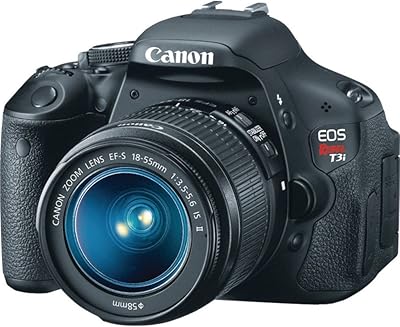
Canon EOS Rebel T3i
Canon EOS Rebel T3i
76%
83%
Image Quality
91%
Ease of Use
67%
Video Performance
72%
Autofocus System
88%
Articulating Screen
More
Canon EOS Rebel T7
Canon EOS Rebel T7
76%
88%
Image Quality
91%
Ease of Use
74%
Autofocus Performance
82%
Build Quality & Handling
53%
Video Capability
More
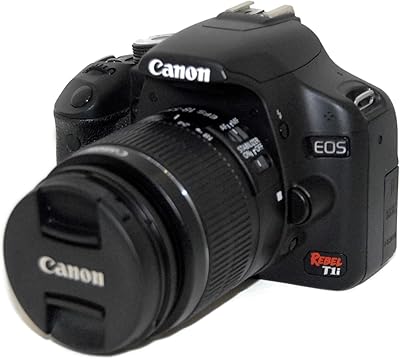
Canon EOS Rebel T1i DSLR Camera with 18-55mm Lens
82%
91%
Image Quality
88%
Ease of Use
74%
Autofocus Performance
83%
Build Quality
87%
Video Quality
More
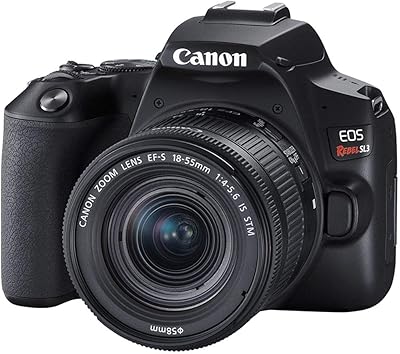
Canon EOS Rebel SL3
Canon EOS Rebel SL3
77%
88%
Image Quality
84%
Autofocus Performance
82%
Build Quality & Portability
61%
Video Capabilities
91%
Ease of Use
More
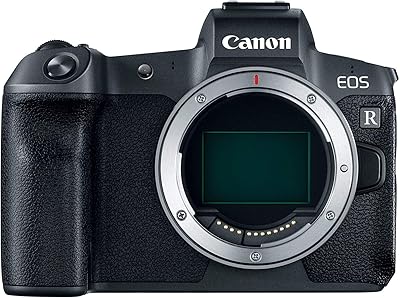
Canon EOS R
Canon EOS R
88%
97%
Image Quality
94%
Autofocus Accuracy
91%
Video Performance
88%
Build Quality
90%
Ergonomics & Handling
More
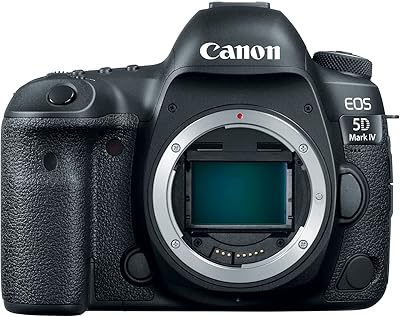
Canon EOS 5D Mark IV
82%
93%
Image Quality
89%
Autofocus Performance
94%
Build Quality & Durability
61%
Video Capabilities
88%
Low-Light Performance
More
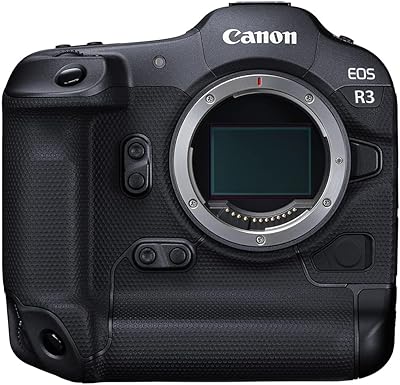
Canon EOS R3 Mirrorless Camera
89%
96%
Autofocus Performance
94%
Image Quality in Low Light
92%
Build Quality and Durability
93%
Video Recording Capabilities
89%
Usability and Ergonomics
More
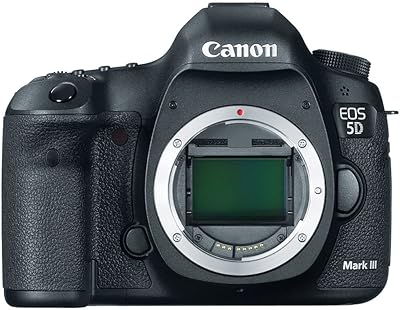
Canon EOS 5D Mark III
79%
93%
Autofocus Performance
89%
Image Quality
82%
Low-Light Capability
91%
Build Quality & Durability
61%
Video Capability
More
Canon EOS 40D Digital SLR Camera
84%
90%
Image Quality
85%
Build Quality & Durability
87%
Battery Life
84%
Ease of Use
88%
Autofocus Performance
More
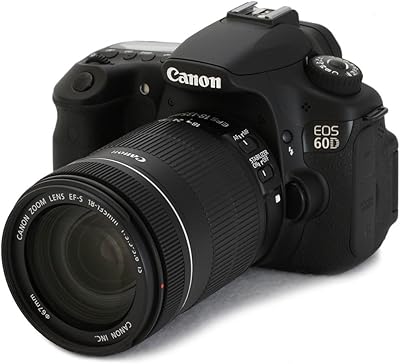
Canon EOS 60D DSLR Camera Body
85%
88%
Image Quality
91%
Build Quality
83%
Video Recording
86%
Autofocus Performance
89%
Ease of Use
More

FAQ

It is one of the more practical starting points for a beginner who wants to learn properly. The menu system is genuinely intuitive, all four major manual exposure modes are accessible from day one, and the guided shooting features give you a soft landing before you dive into full manual control. The learning curve is real, but it rewards the effort.

No, the T6i tops out at Full HD 1080p. If 4K video is a priority for your workflow — YouTube content, client work, or anything where resolution headroom matters — this camera will feel limiting, and you should factor that in before buying.

Any standard SD, SDHC, or SDXC card works, but a UHS-I card rated at Class 10 or U3 is the practical choice. Faster cards help the buffer clear quicker during burst shooting and improve video recording reliability. A 32GB or 64GB card is plenty to start with.

Yes — any lens with a Canon EF or EF-S mount will attach and function correctly on this camera, including autofocus and image stabilization where the lens supports them. Lenses going back decades in Canon's lineup are compatible, which is one of the genuine long-term advantages of this system.

The camera has built-in Wi-Fi and NFC. Download the Canon Camera Connect app on your smartphone, then follow the pairing instructions in the camera's Wi-Fi menu. NFC makes initial pairing faster on compatible Android devices. Be aware that some users find the app connection process fiddly — keeping your phone and camera close together during pairing helps.

It depends on how you shoot. The rated 440 shots per charge is achievable if you use the viewfinder and keep the screen off when not needed, but heavy live view use or extended video recording drains it much faster. Most experienced owners carry a spare LP-E17 battery for anything longer than a couple of hours of active shooting.

Through the viewfinder for stills it is responsive and reliable. For video, live view autofocus uses a slower contrast-detection method that can hunt visibly when the subject moves or the light changes. If smooth continuous autofocus during video is important to you, this is a real limitation to consider.

The 18-55mm IS STM is better than its reputation suggests. Center sharpness is solid at mid-range focal lengths, and the STM motor is quiet enough for video work. You will notice its limitations — corner softness wide open and a narrow maximum aperture at the long end — but most beginners shoot with it happily for a year or more before feeling the need to upgrade.

Yes. Canon released the EOS Webcam Utility software (compatible with both Mac and Windows) that allows this entry-level DSLR to function as a high-quality webcam over USB without any capture card required. It is a useful bonus for anyone working from home who wants noticeably better video quality than a standard laptop camera provides.

No, there is no weather sealing on this body. Light mist is unlikely to cause immediate damage, but shooting in rain, dusty conditions, or humidity without protection is a real risk. If you plan to shoot outdoors regularly in variable weather, a rain cover sleeve is worth keeping in your bag.