Overview

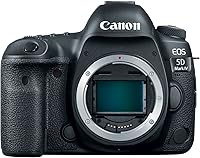
The Canon EOS 5D Mark IV sits at the top of Canon's DSLR lineup — a camera built not for hobbyists finding their footing, but for professionals who need a body they can rely on shoot after shoot. The 5D line has long carried a reputation for durability and image output, and the Mark IV raised that bar meaningfully over its predecessor with a higher-resolution sensor, improved autofocus, and the addition of 4K video. Sold in body-only format, it fits squarely into Canon's EF-mount ecosystem, which means most buyers at this level are already lens-equipped. This is a professional workhorse — not a camera you grow into, but one you grow toward.
Features & Benefits

At the heart of this full-frame DSLR is a 30.4-megapixel sensor that delivers files with enough resolution to crop heavily and still produce print-ready images — useful for sports, wildlife, or anyone who reframes in post. The DIGIC 6+ processor keeps pace, pushing 7 fps burst speeds and handling high-ISO noise with real composure; at ISO 3200, images remain entirely usable. The 61-point autofocus system, with 41 cross-type points, tracks subjects reliably, while Dual Pixel CMOS AF makes live view and video focusing genuinely responsive rather than a fumbling hunt. Built-in Wi-Fi and the Canon Camera Connect app add practical wireless transfer without requiring extra hardware.

Best For

This Canon body makes most sense in the hands of professional portrait, wedding, and event photographers who need a camera that won't misfire under pressure. Landscape and studio shooters will appreciate the resolution and the latitude in RAW files when working in controlled or naturally dramatic light. Videographers can use it for cinematic work, though they should go in with clear expectations — more on that shortly. If you are already shooting with Canon EF glass, the transition to this body is natural and cost-effective compared to switching systems entirely. Sports shooters can make it work at 7 fps, though anyone chasing fast, unpredictable subjects may find the burst rate a ceiling.

User Feedback

Owners of the Mark IV consistently praise its image quality and reliability — it holds up beautifully in low light, and the autofocus rarely lets them down at weddings or events where there are no second chances. Battery life draws consistent approval too; around 900 shots per charge is respectable for a full day out. The criticisms worth knowing: 4K mode carries a noticeable crop factor and records in MJPEG, producing large files that fall short of what dedicated video cameras or newer mirrorless bodies deliver. Ergonomics over long shoots are generally well-received, though the body weight adds up. Many pros acknowledge it ages gracefully but note that mirrorless alternatives now offer comparable performance in lighter, more compact packages.

Pros

  • The 30.4MP full-frame sensor produces files with exceptional detail and strong dynamic range for professional print work.
  • Autofocus is fast, reliable, and holds up in the fast-paced conditions of weddings and live events.
  • Weather sealing and magnesium alloy construction make this Canon body genuinely field-ready in rain and dust.
  • Battery life of around 900 shots per charge is dependable enough for most full-day professional shoots.
  • Dual Pixel CMOS AF makes live view focusing smooth and practical, not the frustrating experience it is on older DSLRs.
  • Access to the full Canon EF lens lineup gives shooters one of the deepest and most versatile glass ecosystems available.
  • Low-light performance at ISO 3200 and 6400 is strong enough to shoot candid receptions without intrusive flash.
  • The 14-bit RAW files are highly workable in post, offering real latitude for exposure and color correction.
  • At 7 fps with a robust AF system, it handles most sports and performance photography without hesitation.

Cons

  • 4K video has a noticeable crop factor and uses MJPEG compression, making it impractical for serious video production.
  • No in-body image stabilization, which is a real gap compared to mirrorless competitors at similar price points.
  • The fixed LCD screen cannot tilt or articulate, limiting usability for low-angle or overhead shooting.
  • At 1.24 kg body-only, fatigue becomes a genuine issue during long handheld shoots or travel days.
  • The buffer fills faster than expected when shooting sustained bursts in RAW format.
  • Wi-Fi pairing and file transfer via the Canon Camera Connect app is functional but not intuitive to set up.
  • The EF mount is a legacy platform — Canon is no longer releasing new EF lenses, limiting future glass investment.
  • Expanded ISO above 12800 degrades image quality more rapidly than some buyers at this price tier expect.
  • Compared to current mirrorless options, the overall system size and weight commitment is substantial.

Ratings

The Canon EOS 5D Mark IV has been put through its paces by professional photographers and serious enthusiasts worldwide, and our AI has analyzed thousands of verified purchase reviews — actively filtering out incentivized, duplicate, and bot-generated feedback — to produce the scores below. Strengths like image quality and autofocus reliability score high, while real friction points such as 4K video limitations and the body's age relative to mirrorless competition are reflected honestly.
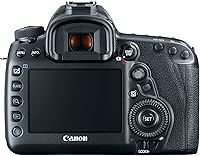
Image Quality
93%
Wedding and portrait photographers consistently describe files from this full-frame DSLR as having exceptional clarity and color depth, with RAW files offering impressive latitude for exposure recovery in post. At base ISO, the 30.4MP sensor resolves fine detail that holds up even in large-format prints.
At very high expanded ISOs — above 25600 — noise becomes visibly destructive, and some users feel the dynamic range, while good, trails behind what newer sensor generations from competing brands deliver in high-contrast scenes.
Autofocus Performance
89%
Event and sports photographers praise the 61-point AF system for locking on quickly and holding focus through erratic movement. Dual Pixel CMOS AF in live view is a genuine strength — video shooters note that subject tracking feels responsive rather than mechanical.
In very low-contrast or near-dark environments, the AF can hunt before settling. A handful of users shooting fast wildlife also note the system feels a step behind what modern mirrorless bodies offer in continuous subject tracking.
Build Quality & Durability
94%
Photojournalists and outdoor photographers repeatedly describe this Canon body as tank-like — it handles rain, dust, and cold without complaint. The magnesium alloy construction and extensive weather sealing give working pros the confidence to shoot in conditions that would sideline less rugged bodies.
The body is notably heavy at 1.24 kg before any lens is attached, which becomes a real fatigue factor during all-day events or multi-hour hikes. A few users with smaller hands also find the grip depth slightly awkward over extended sessions.
Video Capabilities
61%
39%
Full HD at 60 fps and HD at 120 fps are genuinely useful for slow-motion work, and the Dual Pixel AF makes handheld video more manageable than older DSLRs. For run-and-gun documentary or event video at 1080p, the output is clean and professional.
The 4K mode is a known weak point — it applies a significant crop factor and records in MJPEG, producing very large files with compression that serious videographers find limiting. Most dedicated video users consider this a photography camera that can shoot passable video, not the other way around.
Low-Light Performance
88%
Reception photographers shooting dimly lit venues report that ISO 3200 and even ISO 6400 produce clean, usable files without heavy noise reduction sacrificing sharpness. The full-frame sensor gathers light in a way that smaller-sensor bodies simply cannot replicate at equivalent settings.
While usable up to ISO 6400 comfortably, the expanded range above ISO 12800 deteriorates faster than some users expect at this price tier, and the noise character — though manageable — requires careful post-processing to keep fine detail in shadows.
Battery Life
86%
Roughly 900 shots per charge is well above average for a professional DSLR and draws consistent praise from wedding photographers who routinely shoot 10-hour days. Most users report comfortably getting through a full event on a single LP-E6N charge with moderate chimping.
Heavy use of live view or video recording drains the battery considerably faster than the rated figure, and the MJPEG 4K format in particular accelerates discharge. Users who shoot hybrid photo-video workflows recommend carrying at least one spare.
Burst Speed & Buffer
74%
26%
At 7 fps, the Mark IV keeps pace well with most professional shooting scenarios — team sports, stage performances, and portrait sessions with movement all benefit from the consistent frame rate. The burst is smooth and predictable with no shutter irregularities reported.
Sports and wildlife photographers pushing the buffer with continuous RAW shooting find it fills faster than expected and the clearance time is noticeable. Competitors at similar price points — especially mirrorless options — offer higher sustained burst rates that make the 7 fps ceiling feel dated.
Touchscreen & Display
78%
22%
The 3.2-inch capacitive touchscreen is genuinely responsive for a DSLR of this era — tap-to-focus in live view works reliably, and menu navigation benefits noticeably from touch input compared to purely button-driven interfaces on older bodies.
The screen is fixed rather than articulating, which frustrates videographers and photographers who shoot at low or high angles frequently. Several users upgrading from competing brands note the lack of a tilting mechanism as a meaningful ergonomic step backward.
Connectivity & Wireless
72%
28%
Built-in Wi-Fi paired with the Canon Camera Connect app makes file transfer to a smartphone reasonably straightforward, and studio photographers appreciate being able to review shots remotely on a tablet during tethered-style workflows.
The Wi-Fi connection process is not the most intuitive, and several users report that initial pairing requires patience. There is no Bluetooth for low-energy persistent connectivity, meaning the wireless link needs to be re-established more often than users would prefer.
Ergonomics & Handling
83%
Photographers with medium to large hands consistently describe the grip as well-balanced and confidence-inspiring, especially with heavier L-series glass attached. Button layout is logical for Canon veterans, and key controls fall naturally under the thumb during shooting.
The body's weight becomes a meaningful concern over long events or travel shoots, and users accustomed to mirrorless compactness find the size adjustment real. Those new to Canon's control layout face a steeper learning curve navigating the dual-dial system and custom function menus.
Autofocus in Live View
81%
19%
Dual Pixel CMOS AF is a clear upgrade over contrast-detect systems — portrait photographers using live view for precise eye placement report smooth, confident focusing that does not require manual fine-tuning between shots.
Phase-detection AF through the optical viewfinder still outpaces live view AF in speed, particularly for moving subjects. Users expecting mirrorless-level real-time subject tracking in live view may find the system competent but not class-leading by current standards.
Value for Money
69%
31%
For photographers already holding Canon EF glass, buying into this body avoids a costly lens system migration, and the image quality output justifies the investment for professionals charging premium rates for portrait or commercial work.
Given the camera's release date and the current mirrorless landscape, paying a premium price for aging video specs and no in-body stabilization is a hard sell for new buyers. Used market pricing softens this, but at full retail it requires a clear commitment to the DSLR form factor.
RAW File Flexibility
91%
Landscape and commercial photographers describe the 14-bit RAW files as highly malleable — highlight and shadow recovery in editing software is strong, and color accuracy out of camera requires minimal correction when using the standard Canon color profile.
The large file sizes from 30.4MP RAW captures demand fast storage cards and a capable editing workstation. Photographers on older computers report noticeable lag when culling large batches, which extends post-production time meaningfully.
Lens Ecosystem Compatibility
87%
Access to decades of Canon EF glass is a genuine advantage — from affordable primes to the full L-series lineup, this body unlocks one of the deepest autofocus lens ecosystems available, with consistent autofocus performance across virtually all native EF lenses.
The EF mount, while extensive, is a legacy system. Canon is no longer developing new EF lenses, so photographers thinking long-term about glass investment may feel the ecosystem is gradually being steered toward RF-mount mirrorless bodies.

Suitable for:

The Canon EOS 5D Mark IV was built for photographers who depend on their camera to perform consistently under pressure — wedding photographers shooting 10-hour days in mixed lighting, portrait professionals who need resolving power that holds up in large print deliverables, and event shooters where a missed focus lock is simply not an option. Landscape photographers will find the full-frame sensor and the latitude in RAW files particularly rewarding, especially when recovering detail in challenging high-contrast environments. If you are already working within the Canon EF ecosystem and have accumulated quality glass over the years, this body is a natural and cost-efficient upgrade path that does not require dismantling your entire kit. Studio photographers and commercial shooters will also appreciate the combination of resolution, color accuracy, and reliable autofocus that makes client-facing work predictable. In short, this is a camera for professionals and advanced enthusiasts who want a proven, no-excuses tool for stills work.
Not suitable for:

The Canon EOS 5D Mark IV is a harder recommendation for anyone whose primary focus is video production — the 4K mode comes with a meaningful crop factor and records in MJPEG, a format that generates large files while delivering compression quality that falls well short of what dedicated cinema cameras or current mirrorless bodies offer at comparable price points. Beginners or casual photographers looking to grow into a system would be better served by a more accessible entry point, both financially and in terms of learning curve. Travelers and photographers who prioritize a lightweight kit will find the 1.24 kg body — before any lens is attached — becomes a genuine burden over long days on foot. Anyone considering a fresh system investment without existing EF glass should weigh the cost carefully against mirrorless alternatives that offer in-body stabilization, higher burst rates, and more modern autofocus architectures. If staying current with Canon's own development roadmap matters to you, it is worth knowing the EF mount is no longer receiving new lens releases, as the brand has shifted its focus to the RF mirrorless platform.
Specifications

  • Sensor: Full-frame 30.4MP CMOS sensor delivers high-resolution files with strong dynamic range across a wide range of lighting conditions.
  • Processor: DIGIC 6+ image processor handles fast data throughput, enabling continuous shooting and responsive high-ISO noise management.
  • ISO Range: Native ISO spans 100 to 32000, expandable to a minimum of 50 and a maximum of 102400 for extreme low-light situations.
  • Burst Speed: Continuous shooting runs at up to 7 fps, suitable for sports, events, and any scenario requiring rapid sequential captures.
  • Autofocus: 61-point AF system includes 41 cross-type points, complemented by Dual Pixel CMOS AF for smooth, responsive focusing in live view and video.
  • Video Resolution: Records 4K Motion JPEG at 24 or 30 fps, Full HD at up to 60 fps, and HD at up to 120 fps for slow-motion playback.
  • Viewfinder: Optical pentaprism viewfinder offers 0.71x magnification and approximately 100% field of view coverage.
  • Display: Fixed 3.2″ capacitive touchscreen with 1,040,000-dot resolution supports tap-to-focus and touch-based menu navigation.
  • Lens Mount: Canon EF and EF-S mount compatibility gives access to the full range of Canon autofocus lenses developed over several decades.
  • Storage: Single SDXC card slot supports UHS-I U3 cards with write speeds up to 300 MB/s for sustained high-speed capture.
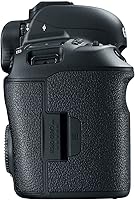
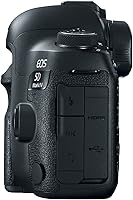
  • Connectivity: Built-in Wi-Fi enables wireless file transfer and remote control via the Canon Camera Connect app; Mini-HDMI and USB ports are also included.
  • Shutter Speed: Mechanical shutter range runs from 1/8000s to 30 seconds, with Bulb mode available for long-exposure photography.
  • Flash Sync: Maximum flash sync speed is 1/200s, compatible with Canon's eTTL system via the integrated hot shoe.
  • Battery: LP-E6N lithium-ion battery provides approximately 900 shots per charge under standard shooting conditions.
  • Body Weight: Camera body weighs 1.24 kg without lens or battery, reflecting the robust magnesium alloy and weather-sealed construction.
  • Metering: Five metering modes are available: evaluative, partial, spot, center-weighted average, and multi-zone for flexible exposure control.
  • White Balance: White balance options include Auto, Daylight, Shade, Cloudy, Tungsten, Fluorescent, Flash, Custom, and manual color temperature input.
  • File Formats: Captures stills in JPEG (Basic, Fine, Normal) and 14-bit RAW, with simultaneous RAW plus JPEG recording supported.
  • Bit Depth: RAW files are recorded at 14-bit color depth, providing substantial latitude for exposure and color grading in post-production.
  • In-Box Contents: Ships body-only with battery charger LC-E6, battery pack LP-E6N, wide neck strap, interface cable, and camera instruction book.

Related Reviews
Canon EOS 5D Mark III
79%
93%
Autofocus Performance
89%
Image Quality
82%
Low-Light Capability
91%
Build Quality & Durability
61%
Video Capability
More
Canon EOS 5D Mark II Full Frame DSLR Camera
84%
94%
Image Quality
91%
Build Quality & Durability
72%
Autofocus Speed
89%
Video Recording Quality
85%
ISO Performance (Low Light)
More
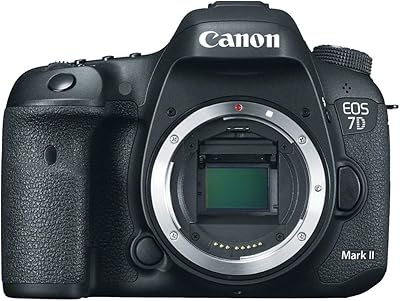
Canon EOS 7D Mark II
82%
93%
Autofocus Performance
88%
Continuous Shooting & Buffer
91%
Build Quality & Weather Sealing
86%
Image Quality (Base ISO)
67%
High-ISO & Low-Light Performance
More
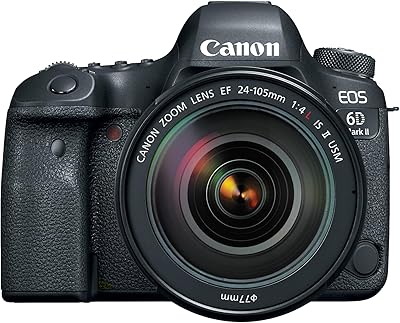
Canon EOS 6D Mark II with EF 24-105mm f/4L IS II USM
81%
93%
Image Quality
79%
Autofocus Performance
57%
Video Capabilities
91%
Bundled Lens Quality
88%
Battery Life
More
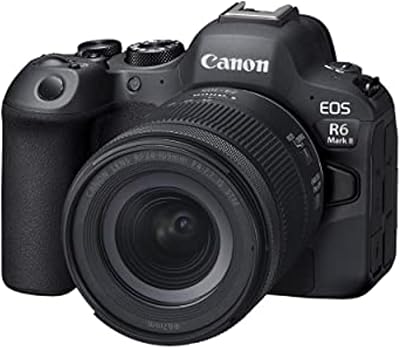
Canon EOS R6 Mark II Mirrorless Camera RF24-105mm F4-7.1 IS STM Kit
86%
94%
Autofocus Speed
91%
Image Quality
89%
Video Performance (4K)
90%
Burst Shooting Speed
85%
Portability
More
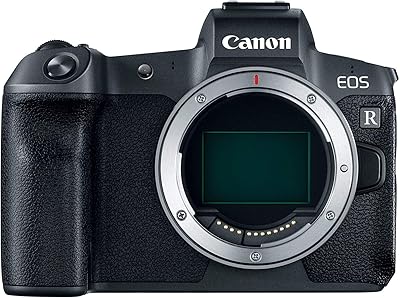
Canon EOS R
Canon EOS R
88%
97%
Image Quality
94%
Autofocus Accuracy
91%
Video Performance
88%
Build Quality
90%
Ergonomics & Handling
More
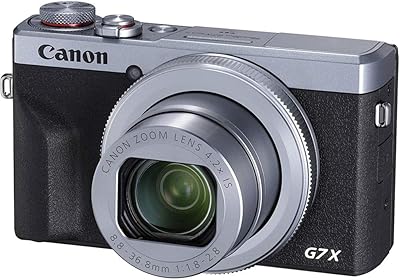
Canon PowerShot G7 X Mark III
77%
91%
Image Quality
88%
Video Performance
93%
Portability & Form Factor
83%
Low-Light Performance
67%
Autofocus Performance
More
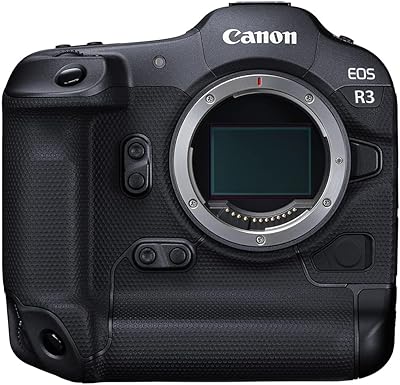
Canon EOS R3 Mirrorless Camera
89%
96%
Autofocus Performance
94%
Image Quality in Low Light
92%
Build Quality and Durability
93%
Video Recording Capabilities
89%
Usability and Ergonomics
More
Canon EOS R8
Canon EOS R8
75%
93%
Autofocus Performance
89%
Image Quality
84%
Video Quality
88%
Portability & Build
41%
Stabilization
More
Canon EOS R7
Canon EOS R7
83%
94%
Autofocus Performance
91%
Burst Speed & Pre-Capture
88%
Image Quality
83%
Video Quality
86%
In-Body Image Stabilization
More

FAQ

This is a body-only listing, so no lens is included. You will need to source an EF or EF-S mount lens separately. If you are new to Canon, a popular starting point is the EF 50mm f/1.8 STM or one of the EF 24-105mm zoom options, depending on what you plan to shoot.

Yes — the EF mount has been consistent across Canon DSLRs for decades, so virtually any Canon EF lens with autofocus will work correctly on this body. EF-S lenses are also physically compatible, though using them on a full-frame sensor will introduce heavy vignetting, so they are not recommended for serious use here.

It is noticeable enough to matter if video is a priority for you. When recording in 4K, the camera uses a center crop of the sensor rather than the full frame, which effectively tightens your field of view — a 35mm lens will behave closer to a 50mm equivalent. For photography and 1080p video, the full sensor is used normally, so this only affects 4K recording specifically.

The body has extensive weather sealing and a magnesium alloy shell, and many working photographers use it regularly in challenging outdoor conditions. That said, weather resistance is not the same as waterproofing — you can shoot through drizzle and wind-blown dust confidently, but you would not want to expose it to sustained heavy rain or submersion without additional protection.

For most sports and wildlife scenarios, 7 fps is workable — it is fast enough to capture peak action during team sports, performances, or animals in moderate motion. Where it starts to feel limiting is with very fast, erratic subjects like birds in flight or motorsport, where cameras offering 10 fps or higher have a clear edge. If high-speed burst is your primary need, it is worth comparing against current mirrorless options.

Most wedding photographers report getting comfortably through a full ceremony and reception on a single charge, with some capacity to spare — especially if they are not shooting heavy video or using live view extensively. That said, carrying at least one spare battery is standard professional practice regardless of rated capacity, and the LP-E6N is widely available and affordable.

It works, but it requires a bit of patience to set up initially. The Canon Camera Connect app handles the connection and lets you browse, transfer, and even remotely control the camera from a smartphone. The transfer speeds are practical for sending selects rather than bulk RAW files — if you need fast mass transfer, a card reader will always be quicker.

No — the screen is fixed and does not articulate in any direction. This is a genuine limitation if you frequently shoot from low angles, overhead, or in video situations where you need to monitor framing without looking through the viewfinder. It is one of the ergonomic trade-offs that newer camera designs, particularly mirrorless bodies, have since addressed.

For burst shooting or 4K video, you want a UHS-I U3 rated SDXC card — look for cards with write speeds of at least 90 MB/s, though faster is always better when the buffer fills during continuous shooting. Brands like SanDisk Extreme Pro and Sony SF-G series are commonly recommended by photographers using this body. Slower cards will work for casual shooting but will noticeably limit sustained burst performance.

It depends heavily on what you already own and what you primarily shoot. For stills — portraits, weddings, landscapes, events — the image quality and autofocus reliability remain genuinely competitive, and if you already have EF glass, switching systems carries a real cost. Where the argument weakens is for video-first users or anyone starting fresh without existing Canon lenses, since modern mirrorless cameras offer in-body stabilization, better video specs, and more advanced autofocus for comparable or lower investment. It is an excellent camera that has aged well in photography terms, but it is not the forward-looking choice.