Overview

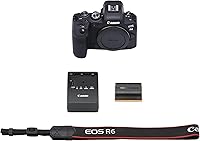
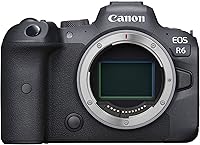
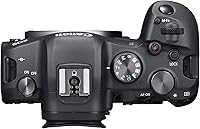
The Canon EOS R6 Full-Frame Mirrorless Camera sits at a compelling intersection in Canon's RF lineup — capable enough for working professionals, approachable enough for serious enthusiasts ready to commit to a full-frame system. Where the R5 chases resolution, the EOS R6 bets on speed, low-light performance, and versatility across stills and video. The body is compact and weather-sealed, built to handle real-world conditions without babying. Worth noting upfront: this is a body-only purchase, and RF lenses carry a premium of their own, so factor that into the total investment picture before committing.
Features & Benefits

The 20.1MP sensor paired with the DIGIC X processor handles high ISO surprisingly well — usable images at ISO 12800 are genuinely achievable, which matters for indoor events or night work. The 5-axis stabilization is aggressive; handheld footage that would otherwise be shaky becomes workable without a gimbal. Autofocus is where this full-frame camera truly stands out: the Dual Pixel CMOS AF II covers nearly the entire frame with 1,053 zones, and its eye-tracking locks on fast and holds. The silent electronic shutter reaches 20fps — invaluable for ceremonies or skittish wildlife. Dual UHS-II card slots and a sharp OLED viewfinder round out a well-specified package.

Best For

Wedding photographers will feel right at home with the EOS R6 — reliable eye-detection AF and a silent burst mode make it well-suited for candid moments without disrupting the room. Sports and wildlife shooters benefit from the 12fps mechanical burst and subject-tracking that rarely loses a moving target. Hybrid creators switching between stills and 4K video in the same session will appreciate how capable this Canon mirrorless is on both fronts. It also makes an excellent step-up body for Canon DSLR users; the ergonomics translate quickly, and the RF mount opens up a strong lens ecosystem for long-term growth.

User Feedback

Among owners, autofocus consistency earns the loudest praise — especially eye-detection that holds in dim venues where other systems struggle. The in-body stabilization draws strong appreciation from videographers needing steady handheld footage. On the critical side, the 20MP resolution sparks debate: for most photographers it is more than adequate, but those who crop aggressively or print very large may find it limiting — the R5 addresses that if resolution is the real priority. Battery life is the most repeated practical frustration; experienced owners simply carry two or three spares. A handful of video users have also flagged heat management during extended 4K sessions as something worth planning around.

Pros

  • Eye-detection autofocus is among the most reliable available, holding lock in genuinely difficult lighting conditions.
  • 5-axis in-body stabilization makes handheld shooting at slower shutter speeds consistently viable.
  • Silent 20fps electronic burst lets you shoot discreetly at ceremonies, wildlife hides, or any noise-sensitive setting.
  • High ISO performance between 6400 and 12800 produces clean, usable images that hold up in print.
  • Weather-sealed magnesium alloy body handles rain, dust, and humidity without requiring careful handling.
  • Dual UHS-II card slots support fast write speeds and a professional-grade dual-card backup workflow.
  • The EOS R6 transitions between stills and 4K video smoothly, making it genuinely useful for hybrid creators.
  • Ergonomics translate naturally from Canon DSLRs, reducing the learning curve for users switching systems.
  • The OLED electronic viewfinder is sharp and responsive enough to satisfy shooters coming from optical finders.
  • Animal and human subject tracking via deep learning keeps up with erratic, fast-moving subjects reliably.

Cons

  • A single battery charge rarely lasts a full professional shooting day; carrying spares is not optional.
  • 20MP resolution limits cropping flexibility, which is a real constraint for wildlife or large-format commercial work.
  • 4K recording sessions can trigger heat warnings, disrupting longer video shoots in warm environments.
  • The Micro-HDMI port feels fragile and less reliable than a full-size HDMI connection during on-set monitor use.
  • Menu depth is significant, and new users typically need substantial setup time before the camera behaves intuitively.
  • Wireless file transfer for large RAW files is slow enough that most professionals default to card readers anyway.
  • Rolling shutter distortion appears at the 20fps electronic shutter setting with fast lateral subject movement.
  • RF lenses carry a steep price premium that makes building out a full system considerably more expensive than the body alone suggests.
  • The tilting screen moves on a single axis only, limiting shooting angles for content creators who need a fully articulating display.
  • Buffer capacity with continuous RAW bursts is adequate but not unlimited, requiring occasional pauses during extended action sequences.

Ratings

The Canon EOS R6 Full-Frame Mirrorless Camera scores presented here are generated by AI after analyzing thousands of verified owner reviews worldwide, with spam, bot activity, and incentivized submissions actively filtered out. The result is an honest cross-section of real buyer experiences — covering everything from wedding halls and wildlife hides to home studios and travel backpacks. Strengths are recognized where they are earned, and recurring frustrations are reported without being softened.
Autofocus Performance
94%
Owners consistently describe the Dual Pixel CMOS AF II as one of the most reliable systems they have used in real shooting conditions. Eye-detection holds lock through unpredictable movement — guests cutting across a ceremony aisle, birds banking mid-flight — with a consistency that reduces missed shots dramatically.
In very low-contrast scenes, such as subjects against white backdrops or through heavy fog, the system can occasionally hunt before locking. A small number of users also note that animal eye-detection is less confident on smaller or fast-moving subjects compared to human subjects.
Image Stabilization
91%
The 5-axis in-body stabilization draws genuine enthusiasm from handheld shooters. Travel photographers report confidently using slower shutter speeds in dim interiors without a tripod, and videographers note that walking footage — while not replacing a gimbal — is far steadier than they expected from a mirrorless body.
At the most aggressive stabilization settings, some users notice a slight motion-warping artifact at the edges of video frames during panning shots. Coordination between body IBIS and older non-IS RF lenses is also less refined than with Canon's stabilized RF optics.
High ISO and Low-Light Quality
89%
Shooting at ISO 6400 to 12800 produces images with well-controlled luminance noise and retained color fidelity — a real advantage for indoor event work where flash is unwelcome. Multiple wedding photographers report pulling usable, printable frames from dimly lit reception rooms that would have been unusable on older full-frame bodies.
Extended noise reduction processing can soften fine detail at extreme ISOs above 51200, and the expanded ceiling of 204800 is more of a technical ceiling than a practical one. Photographers who push past ISO 25600 regularly may find post-processing demands increase noticeably.
Video Capabilities
76%
24%
4K full-frame output with 10-bit C-Log3 gives hybrid creators a strong starting point for color grading, and compatibility with Atomos recorders extends its professional utility. The ability to switch fluidly between high-quality stills and respectable video in the same session is something users in run-and-gun documentary work particularly appreciate.
The recording time limitation and heat management during sustained 4K sessions are real-world frustrations, not just spec-sheet footnotes. Several video-focused buyers report the body becoming noticeably warm after 20 to 30 minutes of continuous 4K recording, which disrupts longer interview or event shoots.
Burst Speed and Action Performance
88%
At 12fps mechanical and 20fps electronic, the EOS R6 keeps up with fast subjects in a way that genuinely surprised users coming from slower mirrorless or DSLR bodies. Sports shooters covering youth athletics and wildlife photographers tracking birds in flight both highlight the burst depth and AF retention across rapid sequences.
The electronic shutter at 20fps introduces rolling shutter distortion on subjects with very fast lateral movement, which limits its reliability for certain sports. Buffer depth, while adequate for most bursts, can fill during extended sequences with RAW files, requiring a brief wait before shooting resumes.
Resolution and Image Detail
67%
33%
For the majority of professional use cases — client portraits, wedding albums, editorial work, large prints up to roughly 24 by 30 inches — 20.1MP delivers more than sufficient detail and dynamic range. Users who do not crop heavily or require extreme enlargements rarely report any dissatisfaction with output quality.
This is the single most debated specification among prospective buyers, and the concern is legitimate for a specific subset of users. Wildlife and sports photographers who rely on heavy cropping to isolate distant subjects, or commercial photographers delivering very large format prints, will feel the ceiling more quickly than R5 owners.
Build Quality and Weather Sealing
86%
The magnesium alloy body feels substantial without being heavy, and the weather sealing has been tested by users shooting in rain, dusty outdoor environments, and humid conditions without reported failures. The grip depth and button layout receive consistent praise from photographers making the switch from Canon DSLRs.
A few users note that the body-only weight of approximately 1.5 pounds increases meaningfully once larger RF lenses are mounted, which can cause fatigue during long handheld sessions. The sealing, while solid, is rated for resistance rather than full weatherproofing, so submerging or extremely heavy rain warrants caution.
Viewfinder and Screen
83%
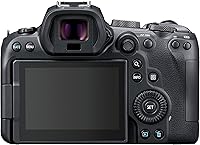
The 3.69-million-dot OLED electronic viewfinder is sharp and responsive enough that users transitioning from optical viewfinders report adapting quickly. The tilting touchscreen is genuinely useful for low-angle shooting and menu navigation, and the touch-to-focus functionality works reliably during both stills and video capture.
The viewfinder, while excellent for its class, still introduces a slight lag in very fast-action tracking scenarios that optical viewfinder devotees occasionally notice. The screen tilts on a single axis only — no articulating flip — which limits flexibility for vlogging or overhead shooting angles that content creators often need.
Battery Life
53%
47%
The LP-E6NH battery is a known quantity in the Canon ecosystem, meaning users upgrading from older Canon bodies likely already own compatible spares. For shorter sessions — a portrait shoot, a half-day event — most users report getting through the work without issue.
For full-day wedding coverage or extended outdoor wildlife sessions, a single charge is simply not enough, and this is the most consistent real-world complaint. Many professional users report carrying three or more batteries as standard practice, which adds cost and bag weight that buyers should factor in from the start.
Autofocus Customization and Usability
82%
18%
The depth of AF customization available through the menu system allows experienced shooters to tune tracking sensitivity, subject prioritization, and zone behavior to match specific shooting scenarios. Users covering mixed events — where subjects shift from stationary to erratic — appreciate being able to switch AF personalities quickly.
For newer mirrorless users, the breadth of AF menu options can be genuinely overwhelming at first, and Canon's menu architecture has historically drawn criticism for not being the most intuitive. Some users report spending considerable time in the manual before AF behavior matched their expectations.
Value for Money
71%
29%
Within the context of a professional full-frame mirrorless system, the EOS R6 delivers a feature set that justified the investment for a majority of owners — particularly those who shoot diverse content types and value AF reliability over maximum resolution. For hybrid shooters, the cost of buying separate stills and video tools would far exceed this body alone.
The body-only pricing places it firmly in premium territory, and the cost does not stop there — RF lenses carry their own significant price premium, making the total system investment substantial. Users who primarily shoot stills and find themselves not using the video features may question whether the full price is warranted versus older mirrorless alternatives.
Connectivity and Transfer
74%
26%
Built-in Wi-Fi and Bluetooth enable wireless image transfer and remote control through the Canon Camera Connect app, which owners use for quick social sharing from the field and tethered review on tablets. The dual UHS-II card slots with V90-compatible write speeds give professionals a reliable backup workflow.
The wireless transfer speeds for large RAW files are slow enough that most professionals revert to direct card readers for bulk transfers. The Micro-HDMI port, rather than full-size HDMI, is a persistent frustration for videographers who find the smaller connector less robust during extended monitor sessions on set.
Ergonomics and Handling
87%
The grip is deep and well-contoured, and Canon users switching from EOS 5D or 90D bodies find the button placement instinctively familiar. Shooting a full event handheld for several hours, users report the balance and weight distribution feel natural without significant strain.
Photographers with larger hands sometimes find the body slightly small when paired with heavier RF telephoto lenses, with the balance tilting noticeably lens-forward. The lack of a joystick familiar from higher-end Canon bodies is a minor but real adjustment for users accustomed to that level of direct control.
Menu System and User Interface
68%
32%
Canon has organized the R6 menu into logical tabs that experienced Canon shooters can navigate with minimal relearning. Frequently used settings can be assigned to custom buttons and the My Menu tab, which reduces the need to dig through deeper layers during active shooting.
Users new to Canon or mirrorless systems frequently describe the menu as dense and non-intuitive compared to competitors, with certain video settings buried several layers deep. The sheer number of options — while powerful — means the out-of-box experience can feel intimidating before a proper setup session.

Suitable for:

The Canon EOS R6 Full-Frame Mirrorless Camera is an outstanding fit for photographers and creators who need a single body that performs reliably across demanding, unpredictable situations. Wedding and event photographers will find it particularly well-matched to their work — the eye-detection autofocus holds in dim reception lighting without constant intervention, and the silent electronic burst mode lets you shoot candidly without drawing attention. Wildlife and sports shooters who need fast, accurate subject tracking without sacrificing image quality in variable light will get genuine professional-grade results from this full-frame camera. Hybrid creators who regularly switch between stills and video in the same session will appreciate how capable the EOS R6 is on both fronts, provided they plan around its video recording limits. Canon DSLR users looking to move to a mirrorless system will adapt quickly thanks to familiar ergonomics and menu logic, while travelers and outdoor shooters benefit from weather sealing that can handle real conditions without treating the body like fragile equipment.
Not suitable for:

The Canon EOS R6 Full-Frame Mirrorless Camera is not the right choice for every photographer, and being honest about that matters more than overselling it. If your work regularly demands aggressive cropping — wildlife photography where subjects are far off and you need significant digital reach, or commercial work requiring very large format output — the 20.1MP sensor will feel like a ceiling sooner than you would like, and the R5 is the more honest recommendation. Dedicated video professionals who plan long continuous recording sessions should also pause: the heat management and recording time limitations are real operational constraints, not minor footnotes. Budget-conscious buyers need to account for the fact that this is a body-only purchase, and the RF lens ecosystem adds substantial cost to the total investment — entry into this system is not cheap. Photographers who primarily shoot static subjects in controlled studio conditions will find the speed and tracking capabilities largely wasted, and could likely meet their needs with a more resolution-focused body for the same or lower cost.

Specifications

  • Sensor: The EOS R6 uses a 20.1MP full-frame CMOS sensor measuring 35mm in size, delivering high dynamic range and strong detail across a wide range of shooting conditions.
  • Image Processor: Canon's DIGIC X processor handles all image and video processing, enabling fast burst shooting, deep-learning AF, and wide ISO headroom simultaneously.
  • ISO Range: Native ISO spans 100 to 102400, with an expanded ceiling of 204800 for extreme low-light situations where some noise is acceptable.
  • Autofocus: Dual Pixel CMOS AF II covers approximately 100% of the frame with 1,053 selectable AF zones and includes eye-detection and animal-tracking powered by deep learning.
  • Burst Rate: Continuous shooting reaches 12fps with the mechanical shutter and up to 20fps with the silent electronic shutter, both with full autofocus and auto-exposure active.
  • Stabilization: A 5-axis in-body image stabilization system provides up to 8 stops of correction when paired with compatible Canon IS lenses.
  • Video Resolution: The camera records 4K UHD at up to 60fps with full-frame readout, and also supports Full HD recording at up to 120fps for slow-motion capture.
  • Video Format: Internal recording supports 10-bit Canon Log 3 and HDR PQ, with output to compatible Atomos recorders via Micro-HDMI for extended or higher-bitrate capture.
  • Viewfinder: The built-in OLED electronic viewfinder offers 3.69 million dots of resolution with 0.76x magnification and approximately 100% field of view coverage.
  • LCD Screen: A 3-inch tilting capacitive touchscreen with 1.62 million dots supports touch-to-focus, swipe navigation, and low-angle or overhead framing adjustments.
  • Memory Slots: Two card slots accept SD, SDHC, and SDXC media with UHS-II support, enabling write speeds of up to 312 MB/s and flexible dual-card backup or overflow workflows.
  • Lens Mount: The Canon RF mount is the only compatible native mount; EF and EF-S lenses can be used with the optional Canon Mount Adapter EF-EOS R.
  • Connectivity: Built-in Wi-Fi and Bluetooth enable wireless image transfer, remote control via the Canon Camera Connect app, and pairing with compatible smart devices.
  • Video Output: A single Micro-HDMI port provides clean video output to external monitors and recorders; no full-size HDMI is available on this body.
  • Body Material: The chassis is constructed from magnesium alloy with dust and weather sealing across joints, dials, and buttons to resist moisture and particulate ingress.
  • Battery: The LP-E6NH lithium-ion battery powers the camera with a CIPA-rated shot count of approximately 360 shots per charge under standard testing conditions.
  • Weight: The body weighs approximately 1.5 pounds (680g) without a lens or battery, making it one of the lighter full-frame mirrorless bodies available in its performance tier.
  • File Formats: Still images can be saved as JPEG, HEIF, or RAW (CR3), with 14-bit RAW depth available; maximum image size is 5472 x 3648 pixels at 20MP.
  • Shutter Speed: The mechanical shutter covers a range of 30 seconds to 1/8000 second, with a flash sync speed of 1/250 second.
  • Dimensions: The body measures approximately 5.44 x 3.84 x 3.48 inches (138.4 x 97.5 x 88.4mm), keeping it compact relative to full-frame DSLR alternatives.

Related Reviews
Canon EOS RP
Canon EOS RP
74%
88%
Image Quality
83%
Autofocus Performance
93%
Portability & Form Factor
54%
Battery Life
61%
Video Capabilities
More
Canon EOS 5D Mark II Full Frame DSLR Camera
84%
94%
Image Quality
91%
Build Quality & Durability
72%
Autofocus Speed
89%
Video Recording Quality
85%
ISO Performance (Low Light)
More
Canon EOS R6 Mark II Mirrorless Camera
83%
96%
Autofocus Performance
91%
Video Quality
89%
Burst Speed & Buffer
84%
Image Quality & Dynamic Range
93%
Build Quality & Weather Sealing
More
Canon EOS R3 Mirrorless Camera
84%
96%
Autofocus Performance
93%
Continuous Shooting Speed
91%
Low-Light Image Quality
62%
Still Image Resolution
88%
Video Capability
More
Canon EOS R8
Canon EOS R8
75%
93%
Autofocus Performance
89%
Image Quality
84%
Video Quality
88%
Portability & Build
41%
Stabilization
More
Canon EOS R7
Canon EOS R7
83%
94%
Autofocus Performance
91%
Burst Speed & Pre-Capture
88%
Image Quality
83%
Video Quality
86%
In-Body Image Stabilization
More
Sony a7 III
Sony a7 III
83%
93%
Autofocus Performance
91%
Low-Light & High-ISO Quality
92%
Image Quality & Dynamic Range
84%
Battery Life
81%
Video Capabilities
More
Sony Alpha 7C Full-Frame Mirrorless Camera
80%
93%
Autofocus Performance
91%
Image Quality
94%
Portability & Size
86%
Video Capability
62%
Battery Life
More
Sony a7 Full-Frame Mirrorless Camera Body
84%
91%
Image Quality
94%
Autofocus Performance
88%
Build Quality
72%
Battery Life
85%
Ease of Use
More
Panasonic LUMIX S5 Full Frame Mirrorless Camera
79%
93%
Video Quality
91%
Image Stabilization
67%
Autofocus Performance
88%
Low-Light / High ISO Performance
82%
Build Quality & Ergonomics
More

FAQ

No, this is a body-only purchase. No lens is included in the box. You will need to budget separately for an RF-mount lens, or purchase the optional Canon Mount Adapter EF-EOS R if you plan to use existing EF or EF-S glass from a previous Canon system.

Yes, but you will need the Canon Mount Adapter EF-EOS R, which is sold separately. With the adapter in place, EF and EF-S lenses retain autofocus and image stabilization functionality. Native RF lenses will generally give you better performance, but the adapter is a practical bridge if you are transitioning from an older Canon system.

Under typical conditions, the EOS R6 limits 4K recording to approximately 30 minutes per clip, and heat buildup during extended sessions can trigger an automatic stop before that limit in warm environments. If you plan to shoot long uninterrupted takes, this is a genuine operational constraint to plan around. External recording via an Atomos device does not fully bypass the heat issue.

In practice, yes — the eye-detection and subject-tracking autofocus on this full-frame camera is among the most capable available at this level. Wedding photographers, sports shooters, and wildlife photographers consistently report that it locks quickly and holds reliably, even in challenging lighting. It is not perfect in every edge case, but for most real-world action shooting, it substantially reduces missed shots.

It is the most consistent practical complaint from real owners. A single LP-E6NH charge typically covers a few hundred shots under mixed use, which falls short of a full professional shooting day. Most working photographers carry at least two or three spare batteries as standard practice. If you are shooting weddings or long outdoor sessions, plan to invest in extras from the start.

The 5-axis IBIS is active with any lens mounted on the RF mount, but it works most effectively when paired with Canon RF lenses that include optical IS — those systems coordinate to maximize correction. With older EF lenses via adapter, stabilization still functions, but coordination between the optical and sensor-shift systems may be less refined.

For the vast majority of professional applications — including weddings, portraits, editorial work, and prints up to around 24 by 30 inches — 20.1MP is genuinely sufficient. Where it becomes a limitation is for photographers who crop heavily in post to isolate distant subjects, or those producing very large commercial prints. If aggressive cropping is central to your workflow, the R5 is worth the additional investment.

The EOS R6 uses SD, SDHC, and SDXC cards in both slots, with UHS-II support. For 4K video recording and high-speed burst shooting, UHS-II cards with a V60 or V90 video speed class are strongly recommended to avoid buffer slowdowns. Standard UHS-I cards will work but will limit write performance, particularly during extended RAW bursts.

Yes, the EOS R6 supports wireless pairing via Bluetooth and Wi-Fi with Canon's Camera Connect app on iOS and Android. From the app you can remotely trigger the shutter, adjust settings, and transfer images wirelessly. Transfer speeds for large RAW files are slow, so most professionals use this feature for remote shooting and previewing rather than bulk file transfer.

The weather sealing on the EOS R6 is rated for resistance to dust and light moisture, and in practice owners report shooting through light to moderate rain without issues. It is not waterproof, and Canon does not recommend exposing it to heavy sustained rain or water splashes without additional protection. Pairing it with a weather-sealed RF lens gives you the best overall protection for outdoor work.

Where to Buy