Overview

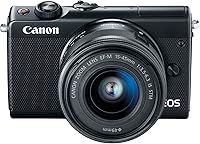
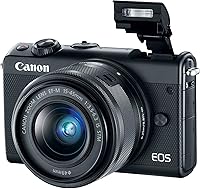
The Canon EOS M100 Mirrorless Camera is Canon's most accessible entry point into the EOS M family — a compact, capable camera built for people who've outgrown their smartphone but aren't ready to wrestle with a full DSLR. It sits below the M50 in the lineup, trading some advanced controls for a simpler, friendlier experience. The body is genuinely pocketable, light enough to toss in a bag without a second thought. The APS-C sensor puts it well ahead of most point-and-shoots at this level, producing noticeably richer detail and background separation. Just don't expect deep manual controls or pro-level customization — this isn't that camera.

Features & Benefits

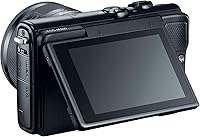
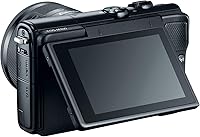
The 24.2-megapixel APS-C sensor is the headline here, and it delivers — photos come out sharp, with natural color rendering that holds up well in daylight and decent indoor lighting. Canon's Dual Pixel autofocus is a genuine strength; it locks onto faces and moving subjects quickly, which makes a real difference when shooting kids or candid portraits. The tilting touchscreen is more useful than it sounds — flip it forward for self-portraits or angle it down for ground-level shots without lying on the floor. Wireless connectivity lets you transfer photos to your phone in seconds. The kit lens's optical stabilization also helps noticeably when shooting handheld.

Best For

This compact shooter really hits its mark for first-time mirrorless buyers who want noticeably better photos than their phone without the complexity of a traditional DSLR. Travelers will appreciate how little space it takes up in a bag — it's genuinely one of the lightest options at this level. Vloggers and social media creators get a reliable flip screen and solid autofocus for solo recording sessions. If you're already invested in Canon's EF-M lens ecosystem, or planning to build into it, the M100 makes a sensible starting point. Portrait and family photographers will find the automatic shooting modes intuitive enough to produce good results right out of the box.

User Feedback

People who buy the M100 tend to come away happy with two things above everything else: autofocus reliability and the tilting screen. Owners consistently report that the camera just works — point, shoot, get a good photo. The battery life, however, comes up repeatedly as a frustration; most real-world users strongly suggest picking up a spare LP-E12, especially for day trips. The lack of an electronic viewfinder is a genuine limitation in bright sunlight, and the EF-M lens selection is narrower than competing systems. Advanced photographers who want more manual control often outgrow it quickly. For the intended audience, though, the overall experience is genuinely positive.

Pros

  • The 24.2MP APS-C sensor produces sharp, detailed photos that genuinely outclass point-and-shoot cameras at this level.
  • Dual Pixel autofocus locks onto subjects quickly and accurately, especially useful for portraits and moving kids.
  • The tilting touchscreen makes self-recording and low-angle shooting straightforward without any awkward workarounds.
  • Built-in Wi-Fi, NFC, and Bluetooth make transferring photos to a smartphone fast and largely hassle-free.
  • The body is light enough at under 0.7 lbs that it disappears into a travel bag without adding noticeable weight.
  • Optical image stabilization in the kit lens reduces handheld blur in everyday shooting situations.
  • The touchscreen interface is intuitive enough for first-time camera buyers to get comfortable within minutes.
  • RAW file support gives users the option to edit photos with full detail if they decide to develop that skill later.
  • Auto and scene modes produce consistently good results with minimal input, which is genuinely useful for casual shooters.

Cons

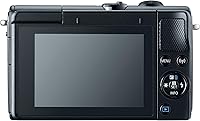
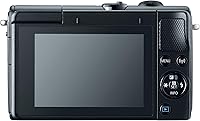
  • No electronic viewfinder makes outdoor shooting in direct sunlight noticeably harder when the screen washes out.
  • Battery life is average at best — most real-world users end up needing a spare LP-E12 for full-day outings.
  • Video is capped at 1080p, which feels limiting now that 4K has become standard across many competing cameras.
  • The EF-M lens ecosystem is considerably smaller than Sony E-mount or Micro Four Thirds, narrowing long-term upgrade options.
  • Manual control access is shallow — users who want to grow into aperture priority or full manual will hit a ceiling quickly.
  • No in-body image stabilization means you're reliant on stabilized lenses, limiting performance with third-party or prime options.
  • The M100 lacks a headphone jack and microphone input, making it a poor choice for anyone serious about audio quality in video.
  • Continuous shooting at 6.1 fps with limited buffer depth means it struggles with fast-action subjects like sports or wildlife.

Ratings

Our AI scoring for the Canon EOS M100 Mirrorless Camera was built by analyzing thousands of verified owner reviews across global markets, with spam, incentivized, and bot-generated feedback actively filtered out before scoring. The result is a balanced picture that honestly reflects where this compact shooter genuinely excels and where real buyers have run into frustrations. Both the standout strengths and the recurring pain points are represented transparently in the categories below.

Image Quality
88%
The 24.2MP APS-C sensor consistently impresses owners who are stepping up from smartphone cameras — portraits show real background separation, and daylight shots render fine detail with natural color accuracy. For family photos, travel snapshots, and casual portraits, the output quality exceeds what most buyers expect at this level.
Low-light performance drops off noticeably above ISO 3200, producing visible noise that requires post-processing to clean up. Buyers who frequently shoot indoors without good lighting or at evening events have flagged this as a recurring limitation.
Autofocus Performance
84%
Dual Pixel phase-detection AF earns consistent praise from owners shooting portraits, casual street scenes, and family moments — the camera locks on quickly and holds focus reliably in good light. Many first-time users specifically mention being surprised by how confidently it tracks faces.
In lower light or with faster, unpredictable subjects, AF hunting becomes more noticeable and keepers-per-burst drop. Users shooting indoor sports, pets at full sprint, or fast-moving toddlers report missing shots more often than they'd like.
Ease of Use
91%
The touchscreen-first interface is one of the most frequently praised aspects among beginner owners — navigating menus, tapping to focus, and adjusting settings all feel intuitive from day one. Users consistently describe the learning curve as genuinely gentle, even for people who have never touched a dedicated camera before.
That same simplicity frustrates users who want to grow into manual controls, as the menu depth is limited and key settings require more taps than competing cameras. A few experienced users switching from other brands found the interface too stripped-back for their workflow.
Portability & Design
89%
At under 0.7 lbs, the M100 fits easily into a jacket pocket or a small travel pouch, and owners regularly note that they actually bring it places they would have left a heavier camera behind. The clean, minimal body design also draws compliments for not looking intimidating to new users.
The compact size comes with a shallow grip, which some users find tiring during longer handheld sessions, particularly when using heavier third-party lenses. A few buyers with larger hands also mention the body feels slightly awkward to hold securely.
Tilting Touchscreen
86%
The flip-down tilting screen is a genuine usability win that owners cite repeatedly — it makes self-recording, low-angle shooting of kids or pets, and vlog-style content creation genuinely practical without any adapter or external monitor. The touchscreen response is fast and accurate for tap-to-focus during shooting.
The screen has no electronic viewfinder to fall back on, which becomes a real problem shooting outdoors in direct sunlight where glare makes framing difficult. Some owners specifically wish Canon had included even a basic EVF option, as competitors at similar price points sometimes do.
Video Capability
62%
38%
For casual vlogging, social media clips, and family video recording, the 1080p output with continuous autofocus is clean and usable. Owners who need simple, decent-looking video without complex settings find it covers basic needs reliably.
The hard ceiling of 1080p is increasingly hard to justify as 4K becomes standard even on mid-range competitors and smartphones. There is also no microphone input, no headphone monitoring jack, and rolling shutter is noticeable during panning — collectively making this a weak choice for anyone serious about video.
Battery Life
58%
42%
The LP-E12 battery charges fully in a reasonable amount of time and the included charger works reliably. For short shooting sessions — a few hours at an event or a casual city walk — the battery typically gets through the outing without issue.
Real-world owners consistently flag battery life as one of the M100's most frustrating limitations, with many reporting the charge depletes faster than expected, especially with wireless features active. The consensus advice in user communities is to always carry at least one spare, which adds cost and inconvenience that buyers don't always anticipate at purchase.
Lens Ecosystem
61%
39%
The EF-M mount covers the fundamentals well — the kit lens is versatile, and Canon offers a handful of quality primes and zoom options for buyers willing to invest further. An EF adapter also opens access to Canon's much larger DSLR lens library.
Compared to Sony E-mount or Micro Four Thirds, the native EF-M selection is significantly narrower, and Canon has not actively expanded it in recent years. Users who want a wide range of affordable primes, specialty lenses, or third-party options will find the ecosystem limiting compared to competing systems.
Wireless Connectivity
83%
The combination of Wi-Fi, NFC, and Bluetooth is well-implemented for an entry-level camera — pairing with the Canon Camera Connect app is straightforward, and photo transfers to a smartphone happen quickly enough for practical daily use. NFC tap-to-connect makes initial setup noticeably faster on compatible Android devices.
The Camera Connect app itself has received mixed feedback over time, with some users reporting occasional connection drops or slow browsing of larger photo libraries. Remote live view shooting via the app works, but with enough lag to make it impractical for anything time-sensitive.
Value for Money
77%
23%
For a first-time buyer who wants a step-up camera with a trusted brand, solid autofocus, and a reliable kit lens included, the M100 package represents a reasonable entry point into the mirrorless world. The image quality and ease of use justify the investment for the audience it is designed for.
More experienced buyers comparing options will find competitors offering 4K video, electronic viewfinders, or broader lens ecosystems at a comparable investment. As the M100 ages and newer models appear, its value proposition becomes harder to argue for buyers willing to shop around.
Build Quality
74%
26%
The body feels solid for its size and weight class — it does not feel cheap or hollow in hand, and the button and dial feedback is consistent. Owners report it has handled the everyday bumps of travel and regular use without issues.
There is no weather sealing of any kind, which limits confidence shooting in light rain, dusty environments, or on the beach. The plastic construction, while acceptable at this level, does not inspire the same confidence as metal-bodied alternatives further up the price ladder.
Flash Performance
69%
31%
The built-in pop-up flash handles indoor fill lighting and low-light social shots adequately for a casual shooter who does not own an external unit. It fires reliably and the auto flash mode makes the decision for users who prefer not to think about it.
With a guide number of just 5 meters, the built-in flash is genuinely weak — it struggles to light subjects more than a few feet away and produces flat, harsh results at close range. Owners who shoot events or indoor gatherings regularly will want an external flash, which adds cost.
RAW File Support
81%
19%
The 14-bit RAW format gives users who want to develop editing skills a strong foundation — files hold up well in post-processing with good highlight recovery and color grading flexibility. Owners who have grown into Lightroom or similar tools specifically appreciate having this option available.
RAW files are noticeably large and will fill a memory card faster than JPEG-only shooters expect, requiring larger or additional storage cards. New users also face a learning curve in understanding the difference between RAW and JPEG, which Canon's in-camera documentation does little to explain.
Continuous Shooting
66%
34%
At 6.1 fps, the M100 handles moderate bursts well enough for birthday candle blows, group shots, and slow-paced outdoor action. Owners shooting casual subjects generally find it responsive enough to catch the moments they care about.
The buffer fills relatively quickly under sustained bursts, causing the camera to slow down noticeably mid-sequence. For faster subjects — kids' sports, pets in motion, or anything requiring sustained rapid fire — users frequently report missing peak moments as the camera catches up.

Suitable for:

The Canon EOS M100 Mirrorless Camera is a strong fit for anyone making their first real step up from smartphone photography — particularly those who want noticeably better image quality without spending weeks learning camera controls. It works especially well for travelers who care more about keeping their bag light than having every manual setting at their fingertips. Parents shooting family moments, casual portrait photographers, and social media creators who need a flip screen for self-recording will all find it covers their needs reliably. If you're already drawn to the Canon ecosystem and plan to eventually add a lens or two, the EF-M mount gives you a practical foundation to grow from. For anyone who simply wants to point, shoot, and get consistently good photos, this compact shooter delivers exactly that.

Not suitable for:

Photographers who are ready to take full creative control will likely find the Canon EOS M100 Mirrorless Camera limiting before long — the manual controls are minimal by design, and the menu system doesn't offer much depth for those who want to push settings intentionally. The absence of an electronic viewfinder is a genuine inconvenience in bright outdoor conditions where the screen becomes hard to read. Anyone planning to shoot 4K video — even casually — needs to look elsewhere, since the M100 tops out at 1080p. Serious hobbyists comparing ecosystems should also weigh the relatively narrow EF-M lens selection against the broader options available with Sony's E-mount or Micro Four Thirds systems. If long shooting sessions are common, the average battery life will require planning ahead or carrying spares, which some buyers find more frustrating than they expected.

Specifications

  • Sensor: The camera uses a 24.2MP APS-C CMOS sensor, which captures significantly more detail and background separation than typical compact or point-and-shoot sensors.
  • Autofocus: Dual Pixel CMOS AF with phase-detection covers up to 49 AF points for fast, reliable subject locking across the frame.
  • ISO Range: Native ISO runs from 100 to 25600 (expanded), offering reasonable flexibility in varied lighting conditions.
  • Shutter Speed: The electronic shutter supports speeds from 30 seconds to 1/200 second flash sync, covering most everyday shooting scenarios.
  • Continuous Shooting: The M100 shoots at up to 6.1 frames per second, suitable for casual action shots but not fast-paced sports photography.
  • Display: A 3.0-inch tilting touchscreen with 1,040,000 dots provides clear framing for both eye-level and self-facing shooting angles.
  • Video: Video recording tops out at Full HD 1080p in MP4 format with continuous autofocus; 4K recording is not supported.
  • Lens Mount: Uses the Canon EF-M bayonet mount, compatible with all EF-M lenses and EF/EF-S lenses via the optional mount adapter.
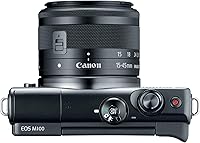
  • Kit Lens: The included EF-M 15-45mm f/3.5-6.3 IS STM lens covers a versatile focal range with built-in optical image stabilization.
  • Connectivity: Built-in Wi-Fi (802.11b/g/n), NFC, and Bluetooth enable wireless image transfer and remote control via the Canon Camera Connect app.
  • Storage: Accepts SD, SDHC, and SDXC memory cards with UHS-I bus support for write speeds up to approximately 10–30 MB/s.
  • File Formats: Captures stills in JPEG (Basic, Fine, Normal) and 14-bit RAW format, giving users flexibility for both quick sharing and post-processing.
  • Battery: Powered by the LP-E12 Lithium-Ion battery pack; a compatible LC-E12 charger is included in the box.
  • Body Weight: The body alone weighs approximately 0.67 lbs (about 302g), making it one of the lighter APS-C mirrorless options available.
  • Flash: A built-in pop-up flash with a guide number of 5 meters is included, with modes covering Auto, On, Off, and Slow Sync.
  • Metering: Four metering modes are available: Evaluative, Center-Weighted Average, Partial, and Spot, covering a range of lighting assessment needs.
  • Aspect Ratio: The native shooting aspect ratio is 16:9, with the sensor delivering a maximum effective resolution of 24.2MP per still image.
  • Video Output: The camera includes a single HDMI output port for connecting to external displays or monitors.
  • USB Port: One USB 2.0 port is included for wired image transfer and battery charging via compatible accessories.
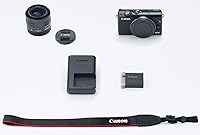
  • In-Box Contents: The kit includes the camera body, EF-M 15-45mm IS STM lens, LP-E12 battery, LC-E12 charger, neck strap EM-200DB, lens cap, and printed documentation.

Related Reviews
Canon EOS R3 Mirrorless Camera
84%
96%
Autofocus Performance
93%
Continuous Shooting Speed
91%
Low-Light Image Quality
62%
Still Image Resolution
88%
Video Capability
More
Canon EOS R7
Canon EOS R7
83%
94%
Autofocus Performance
91%
Burst Speed & Pre-Capture
88%
Image Quality
83%
Video Quality
86%
In-Body Image Stabilization
More
Canon EOS R8
Canon EOS R8
75%
93%
Autofocus Performance
89%
Image Quality
84%
Video Quality
88%
Portability & Build
41%
Stabilization
More
Canon EOS R6 Full-Frame Mirrorless Camera
79%
94%
Autofocus Performance
91%
Image Stabilization
89%
High ISO and Low-Light Quality
76%
Video Capabilities
88%
Burst Speed and Action Performance
More
Canon EOS RP
Canon EOS RP
74%
88%
Image Quality
83%
Autofocus Performance
93%
Portability & Form Factor
54%
Battery Life
61%
Video Capabilities
More
Canon EOS R5 Mirrorless Camera
81%
97%
Image Quality
95%
Autofocus Performance
82%
Video Capability
93%
Build Quality & Durability
88%
In-Body Image Stabilization
More
Canon EOS R6 Mark II Mirrorless Camera
83%
96%
Autofocus Performance
91%
Video Quality
89%
Burst Speed & Buffer
84%
Image Quality & Dynamic Range
93%
Build Quality & Weather Sealing
More
Canon EOS R50
Canon EOS R50
79%
93%
Autofocus Performance
88%
Image Quality
86%
4K Video Quality
57%
Battery Life
91%
Portability & Build
More
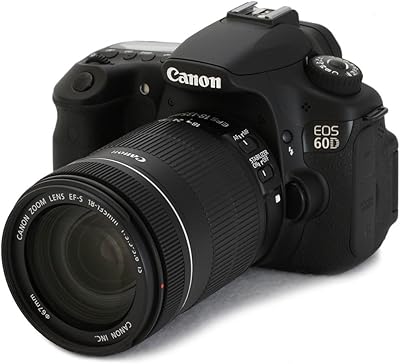
Canon EOS 60D DSLR Camera Body
72%
83%
Image Quality
58%
Autofocus Performance
88%
Build Quality & Ergonomics
86%
Articulating LCD
63%
Video Capability
More
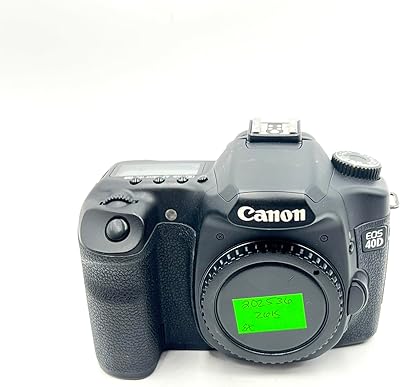
Canon EOS 40D Digital SLR Camera
72%
91%
Build Quality
83%
Autofocus Performance
88%
Continuous Shooting
79%
Image Quality
84%
Battery Life
More

FAQ

Yes, the Canon EOS M100 Mirrorless Camera is genuinely one of the friendlier options for first-timers. The touchscreen interface works much like a smartphone, and the automatic shooting modes handle most decisions for you. You can learn at your own pace without feeling overwhelmed by buttons and dials.

Not directly — the M100 uses the EF-M mount, which is different from Canon's standard EF and EF-S mounts used on DSLRs. However, Canon sells an EF-EOS M mount adapter that lets you attach EF and EF-S lenses, though autofocus performance may vary depending on the lens.

The M100 connects wirelessly via Wi-Fi or Bluetooth to the free Canon Camera Connect app on iOS or Android. Once paired, you can browse and download photos directly to your phone. NFC makes the initial pairing faster if your phone supports it — just tap the devices together.

No, the M100 maxes out at Full HD 1080p. For most casual vlogging or family video recording that's perfectly fine, but if 4K is important to you, you'll want to look at a different model like the Canon M50 Mark II or a competing option in that range.

Realistically, expect somewhere around 250–300 shots per charge under normal conditions, which is on the shorter side for a mirrorless camera. If you're spending a full day out shooting, carrying a second LP-E12 battery is genuinely worth it — they're small and inexpensive.

No, the M100 does not have an electronic or optical viewfinder — you compose shots entirely through the rear touchscreen. This works well indoors and in overcast conditions, but the screen can be difficult to see in direct sunlight, which is a real limitation some buyers don't anticipate.

Yes, the M100 supports 14-bit RAW format alongside standard JPEG. RAW files give you much more flexibility when editing in software like Adobe Lightroom or Canon's own Digital Photo Professional. If you plan to edit your photos seriously, shooting RAW is worth the extra storage space.

It handles moderate movement well — the Dual Pixel phase-detection AF is quick enough to keep up with kids playing or pets walking around. Very fast or unpredictable motion, like sports or a dog running at full speed, can occasionally challenge it, but for everyday family moments it performs reliably.

The M100 takes standard SD, SDHC, or SDXC cards with UHS-I support. A Class 10 or UHS-I card with a write speed of at least 10 MB/s will work well for photos and 1080p video. Faster cards won't hurt, but you won't see a major difference for this camera's recording demands.

The M50 adds an electronic viewfinder, 4K video (with a crop), a more advanced menu system, and slightly better burst performance. If you're a complete beginner focused on photos and portability, the M100 covers the essentials at a lower cost. But if you think you'll want more control as you improve, the M50 is a more future-proof investment.

Where to Buy