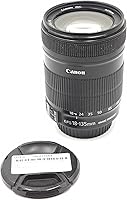
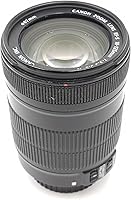
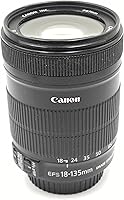
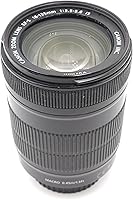

Overview

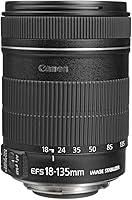
The Canon EF-S 18-135mm f/3.5-5.6 IS Zoom Lens has been a staple in Canon's APS-C lineup for well over a decade, covering everything from wide-angle street shots to medium telephoto for portraits and distant subjects. This all-in-one zoom isn't trying to compete with professional primes — it's built for photographers who want genuine shooting flexibility without hauling multiple lenses. One thing worth clarifying upfront: this listing comes in white box packaging, meaning the lens is new but ships without a standard retail box or bundled extras. The glass itself is the same product; you're simply trading unboxing presentation for value.

Features & Benefits

Spanning a 7.5x zoom range — roughly 29mm to 216mm in full-frame terms — this walk-around lens handles an impressive variety of situations without ever leaving your camera bag. The dedicated image stabilization earns its keep in real-world use: try shooting handheld inside a dim museum or tracking a subject at 135mm and you'll understand why it matters. The 16-element optical formula keeps chromatic aberration reasonably controlled, with the sharpest results appearing in the mid-range focal lengths. The variable f/3.5–5.6 aperture is the honest tradeoff here — perfectly manageable outdoors, but noticeably limiting when you need reach in low light. At roughly one pound, it travels exceptionally well.

Best For

The 18-135mm Canon glass is a strong match for a specific type of shooter: the traveler who refuses to pack a second bag of lenses, or the enthusiast upgrading from a basic kit lens who wants meaningfully better reach and stabilization in a single move. Casual wildlife photographers will find the telephoto end useful for zoo outings or backyard birding, and event videographers can reframe on the fly without interrupting a scene. That said, this isn't the right pick for studio portrait work or anyone who depends on fast telephoto apertures for background separation. It rewards photographers who know exactly what they're asking of it.

User Feedback

Long-term owners consistently praise this walk-around lens for its reliable autofocus in everyday conditions and its IS system holding up well over years of regular use. The 35–85mm range draws particular compliments for sharpness, though reviewers shooting at the wide end note some barrel distortion at 18mm — expected behavior for a zoom in this class. A recurring frustration appears indoors at full telephoto, where the narrowing aperture and limited ambient light combine awkwardly. On the white box front, buyer sentiment skews positive — most report receiving clean, fully functional glass without complaint. Autofocus occasionally hesitates in flat, low-contrast scenes, but for general shooting it performs consistently well.

Pros

  • Covers a genuinely useful 18–135mm focal range, handling wide-angle and medium telephoto in a single lens.
  • Built-in optical image stabilization makes a noticeable real-world difference when shooting handheld at longer focal lengths.
  • At roughly one pound, this walk-around lens is light enough to keep mounted all day without fatigue.
  • Mid-range focal lengths between 35mm and 85mm deliver solid sharpness for everyday shooting.
  • Autofocus is responsive and reliable in normal daylight and outdoor conditions.
  • 67mm filter thread opens the door to polarizers and ND filters without an adapter.
  • Long-term owners report consistent durability, with many using the same copy for years without issues.
  • White box packaging means new glass at a more accessible price point — the lens condition is not compromised.
  • Strong versatility for casual video work, allowing smooth reframing without switching lenses mid-shoot.

Cons

  • The aperture narrows to f/5.6 at 135mm, making indoor or low-light telephoto shots genuinely challenging.
  • Noticeable barrel distortion at the 18mm wide end requires correction in post-processing for architectural or straight-line subjects.
  • No included retail packaging means buyers do not receive a branded box, lens pouch, or printed documentation.
  • Autofocus can hesitate or hunt in low-contrast scenes, which occasionally disrupts timing-sensitive shots.
  • Background blur and subject separation are limited compared to fast prime lenses at equivalent focal lengths.
  • Variable aperture complicates manual exposure settings when zooming, requiring constant compensation adjustments.
  • Chromatic aberration becomes more visible at the extreme ends of the zoom range, especially wide open.
  • Not compatible with full-frame Canon bodies, restricting long-term usability if you upgrade your camera system.

Ratings

Our AI has analyzed thousands of verified global user reviews for the Canon EF-S 18-135mm f/3.5-5.6 IS Zoom Lens, actively filtering out incentivized, duplicate, and bot-generated feedback to surface what real buyers genuinely experience. The scores below reflect both the strengths that keep this all-in-one zoom consistently ranked in the top tier of its category and the honest pain points that occasionally frustrate owners. Nothing has been softened — if buyers had a recurring complaint, it shows up in the numbers.

Zoom Versatility
91%
Owners consistently describe the 18–135mm range as the single biggest reason they chose this lens, and most say it genuinely delivers on that promise. Shooting a wide street scene in the morning and then pulling in a subject across a park in the afternoon — all without touching a lens bag — is the real-world win buyers keep coming back to.
A handful of users note that the zoom range, while wide, leaves them wanting just a little more reach for bird photography or distant sports subjects. The jump from 135mm to the next available Canon option is significant enough that casual wildlife shooters sometimes feel stuck in the middle.
Image Stabilization
88%
The dedicated IS system draws consistent praise from users who shoot handheld in challenging conditions — dim churches, evening markets, indoor events. Several owners specifically mention being able to shoot at 135mm in low ambient light and still walk away with sharp frames they wouldn't have trusted without stabilization.
A small but vocal subset of reviewers notes the IS isn't quite as aggressive as Canon's more recent STM and newer IS generations, occasionally showing residual blur at very slow shutter speeds. It performs better in static scenes than when tracking any lateral subject movement.
Sharpness & Clarity
76%
24%
In the sweet spot between roughly 35mm and 85mm, stopped down to f/7.1 or f/8, this walk-around lens produces images that satisfy most enthusiast shooters comfortably. Travel shots, family portraits outdoors, and casual landscape work all come out with enough detail to print at reasonable sizes.
Wide open at 18mm or at the 135mm telephoto end, sharpness drops noticeably — this is a mid-range zoom, not a prime, and users who expect prime-level edge-to-edge resolution will be disappointed. Chromatic aberration at the extreme ends requires post-processing correction more often than owners would like.
Low-Light Performance
58%
42%
When shooting at the wide end with IS active and reasonable ambient light — a well-lit restaurant, an indoor event with overhead lighting — the lens manages acceptably, and the stabilization extends its usable range a bit further than the aperture spec suggests on paper.
At 135mm indoors, f/5.6 simply doesn't let in enough light to avoid pushing ISO to levels that introduce visible noise on most APS-C sensors. This is one of the most frequently cited frustrations from real buyers, particularly those who bought the lens expecting it to double as an indoor event zoom.
Autofocus Speed
79%
21%
In daylight and well-lit outdoor conditions, the autofocus locks quickly and confidently, making it a solid daily shooter for street, travel, and casual portraits. Most owners upgrading from a slower kit lens notice an improvement they appreciate immediately.
In overcast or low-contrast scenes — a grey sky, a subject against a plain wall — the AF will occasionally hunt before confirming focus, which can cost you a moment. It's not a dealbreaker for still subjects, but users shooting events or fast-moving children mention missing shots because of it.
Build Quality
74%
26%
The lens feels solidly constructed for its class, and long-term owners frequently report using the same copy for five or more years of regular travel shooting without mechanical failure. The zoom ring operates smoothly across the full range without any grinding or loosening over time.
There is no weather sealing, which limits confidence in drizzly conditions or dusty environments that more serious field photographers encounter. The plastic barrel construction, while functional, doesn't inspire the same confidence as Canon's higher-tier L-series glass during extended outdoor use.
Portability
93%
At approximately 455g and compact enough to fit inside a small shoulder bag alongside a mirrorless-sized camera body, this is genuinely one of the easiest zooms to carry all day. Travel photographers specifically highlight how little they notice its weight during long city walks or hikes.
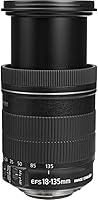
At full zoom extension toward 135mm, the barrel extends considerably, which can feel slightly unbalanced on smaller lightweight Canon bodies. It's a minor ergonomic gripe rather than a real portability problem, but compact camera users occasionally mention it.
Value for Money
83%
Relative to what you'd spend buying separate wide and telephoto lenses to cover the same range, the 18-135mm Canon glass represents a practical consolidation that most buyers find genuinely worthwhile. The white box format makes the value proposition even more compelling for buyers who don't care about retail packaging.
Some buyers who upgrade to faster primes later describe feeling they outgrew this lens faster than expected. For shooters who already know they want shallow depth of field or serious low-light capability, the investment may not age as well as they hoped.
Barrel Distortion
61%
39%
For most subject matter — people, landscapes, travel snapshots — the barrel distortion at the wide end rarely surfaces as a visible problem in the final image, particularly when shooting with any modern Canon body that applies in-camera lens correction automatically.
Shooting architecture, interiors, or any subject with prominent horizontal or vertical lines at 18mm reveals noticeable bowing that requires manual correction in post. Users who don't apply lens profiles in Lightroom or similar software report the distortion as a recurring annoyance in their wide-angle shots.
Video Performance
71%
29%
For casual event coverage, travel video, and social content, the stabilization and zoom flexibility make this a practical one-lens video setup on Canon APS-C bodies. Reframing without cutting is smooth, and the IS helps keep handheld footage watchable.
Autofocus pulling during continuous video recording can produce occasional visible breathing and contrast-hunting that breaks otherwise clean footage. Serious videographers will want a dedicated AF system or manual focus discipline, neither of which this lens particularly rewards.
Filter Compatibility
86%
The 67mm thread is a popular standard size, meaning most photographers who already own polarizers or ND filters from other lenses can use them here without buying new glass. Travel photographers using circular polarizers for water and sky shots find this particularly convenient.
Because the front element rotates during focusing, using a polarizer requires recomposing and re-adjusting the filter after every focus shift, which slows down the workflow in fast-moving situations. It's a common trait in this lens class, but buyers unfamiliar with rotating front elements find it frustrating initially.
White Box Experience
78%
22%
The overwhelming majority of white box buyers report receiving clean, fully functional lenses in exactly the condition they expected. Most describe the unboxing as unremarkable but the lens itself as indistinguishable from a retail-packaged unit in terms of optical and mechanical condition.
A small percentage of buyers express frustration at the absence of a lens pouch, printed documentation, or the branded retail box — which matters more to gift buyers or those who plan to resell later. Resale value can be marginally lower without original retail packaging.
Focal Length Range Gaps
67%
33%
The transition between focal lengths through the zoom ring is gradual and predictable, with no jarring jumps in field of view that would disrupt composition during a shot. For photographers who shoot in a deliberate, methodical style, the range feels complete enough for a full day of mixed shooting.
Photographers coming from a 70-200mm telephoto find 135mm noticeably short for subjects that require real compression or working distance. The gap between this lens and the next logical Canon telephoto option is wide enough that some users end up keeping a second lens in their bag anyway, partially defeating its one-lens premise.

Suitable for:

The Canon EF-S 18-135mm f/3.5-5.6 IS Zoom Lens is the kind of lens that makes the most sense for photographers who prioritize flexibility over absolute optical perfection. If you're a traveler who dreads the idea of swapping glass at a busy market or while hiking, this all-in-one zoom solves that problem convincingly — one mount, one bag slot, and you're covered from wide cityscapes to compressed telephoto shots of distant subjects. Enthusiasts upgrading from a basic 18-55mm kit lens will notice a real difference in reach and stabilization, making it a meaningful step up without jumping to a pro-grade system. Casual wildlife shooters, event videographers on Canon APS-C bodies, and everyday hobbyists who shoot in mixed lighting outdoors will all find this walk-around lens earns its place on the camera more days than not.

Not suitable for:

Photographers who regularly shoot in low-light environments indoors — think wedding receptions, concert venues, or dim studio setups — will hit the ceiling of what this lens can do fairly quickly, particularly at the telephoto end where the aperture narrows to f/5.6. The 18-135mm Canon glass is also not the right tool for anyone who depends on shallow depth-of-field for portrait work; without a fast maximum aperture, achieving that creamy background separation requires either ideal lighting conditions or compromises in other areas. Professional wildlife and sports photographers who need fast, consistent autofocus tracking and a minimum f/4 telephoto aperture should look at dedicated telephoto options instead. If you're buying with the expectation of a pristine branded retail box, the white box packaging of this listing will feel underwhelming — the lens is new, but extras like a dedicated case or printed documentation are not included.

Specifications

  • Focal Length: The lens covers an 18–135mm zoom range, equivalent to approximately 29–216mm on a full-frame camera when used on an APS-C sensor body.
  • Max Aperture: Maximum aperture is f/3.5 at the wide end and narrows to f/5.6 at 135mm, following a variable aperture design typical of mid-range zoom lenses.
  • Lens Mount: Designed exclusively for Canon EF-S mount, making it compatible with Canon APS-C DSLR bodies and incompatible with full-frame EF-mount cameras.
  • Stabilization: Equipped with Canon's dedicated optical Image Stabilizer system, which compensates for camera shake to help maintain sharper results when shooting handheld.
  • Lens Construction: Built from 16 optical elements arranged in 12 groups, a configuration that balances chromatic aberration control with overall image sharpness across the zoom range.
  • Filter Thread: The front element accepts 67mm screw-in filters, including polarizers, UV filters, and neutral density filters, with no adapter required.
  • Dimensions: The lens measures 3.98 × 2.95 × 2.95 inches, keeping it compact enough for everyday carry without dominating a camera bag.
  • Weight: At approximately 455g (1 lb), this walk-around lens is light enough to keep mounted comfortably during extended shooting sessions.
  • Zoom Type: Uses a standard variable zoom mechanism, allowing continuous focal length adjustment from wide-angle through to medium telephoto in a single rotation.
  • Autofocus: The lens uses Canon's internal autofocus motor, providing quiet and reasonably fast focusing suited to general photography and casual video work.
  • Minimum Focus: Minimum focusing distance is approximately 0.45m (about 1.5 feet), which supports close-up shots of subjects like flowers or small objects at the wide end.
  • Model Number: Canon's official model number for this lens is 3558B002, which can be used to verify authenticity and cross-reference compatible accessories.
  • Packaging: This listing ships in white box packaging, meaning the lens is new and unused but does not include a branded retail box or bundled accessories.
  • Sensor Format: Optimized for APS-C sensors and will not cover the full image circle required by full-frame Canon bodies, which limits its long-term upgrade path.
  • Manufacturer: Manufactured by Canon Cameras US, the lens remains an active product in Canon's lineup and is not discontinued as of the most recent available data.

Related Reviews
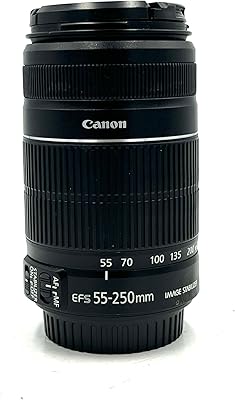
Canon EF-S 55-250mm f/4-5.6 IS II Telephoto Zoom Lens
82%
91%
Value for Money
88%
Image Stabilization Performance
65%
Autofocus Speed in Low Light
93%
Portability & Size
85%
Image Quality & Sharpness
More
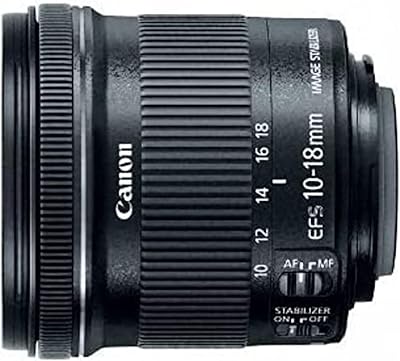
Canon EF-S 10-18mm STM Wide-Angle Lens
75%
83%
Image Sharpness
86%
Autofocus Performance
81%
Image Stabilization
58%
Distortion & Vignetting
54%
Low-Light Capability
More
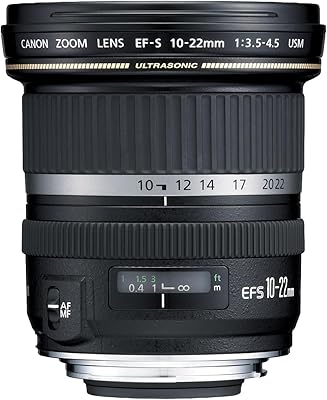
Canon EF-S 10-22mm f/3.5-4.5 USM Wide-Angle Lens
80%
88%
Image Sharpness
91%
Autofocus Performance
84%
Build Quality
63%
Distortion Control
67%
Chromatic Aberration
More
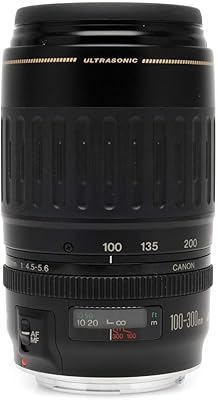
Canon EF 100-300mm f/4.5-5.6 Telephoto Zoom Lens
75%
88%
Autofocus Speed
91%
Autofocus Noise
67%
Image Sharpness
43%
Image Stabilization
78%
Build Quality
More
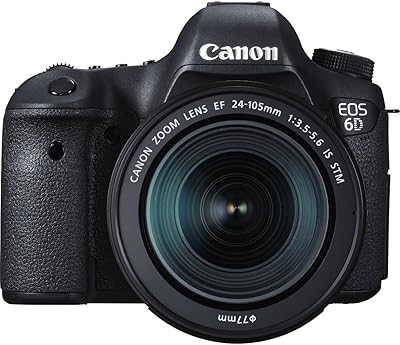
Canon EOS 6D DSLR Camera with EF 24-105mm f/3.5-5.6 IS STM Lens Kit
84%
94%
Image Quality
82%
Autofocus Performance
88%
Ease of Use
90%
Low-Light Performance
85%
Build Quality
More
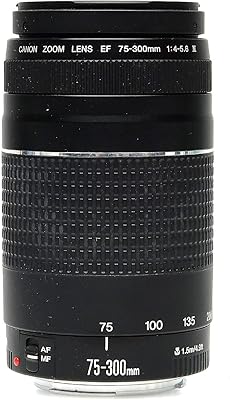
Canon EF 75-300mm III Telephoto Zoom Lens
70%
74%
Image Sharpness
58%
Autofocus Speed
69%
Build Quality
83%
Zoom Smoothness
88%
Value for Money
More
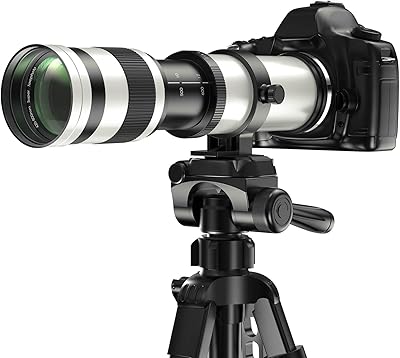
Lightdow 420-800mm F8.3 Telephoto Zoom Lens
68%
83%
Value for Money
61%
Image Sharpness
69%
Manual Focus Usability
58%
Build Quality
72%
Setup & Compatibility
More
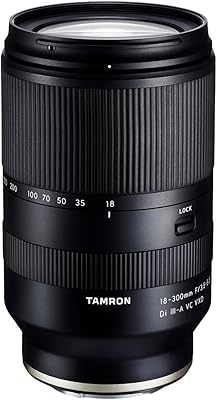
Tamron 18-300mm F/3.5-6.3 Zoom Lens
81%
91%
Autofocus Speed & Accuracy
96%
Zoom Range Versatility
74%
Image Sharpness
88%
Optical Image Stabilization
61%
Low-Light Performance
More
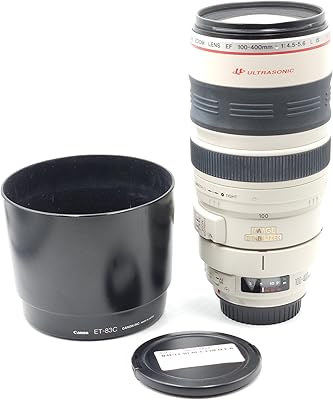
Canon EF 100-400mm f/4.5-5.6L Telephoto Zoom Lens
81%
91%
Autofocus Speed & Accuracy
88%
Image Stabilization
86%
Optical Sharpness
93%
Build Quality & Weather Sealing
67%
Push-Pull Zoom Mechanism
More
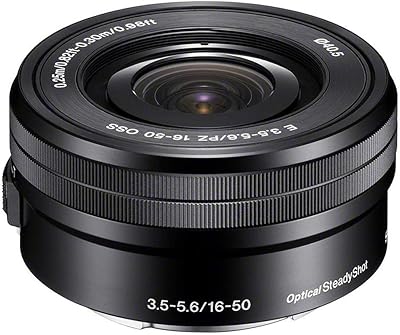
Sony 16-50mm f/3.5-5.6 OSS Alpha E-Mount Retractable Zoom Lens
85%
91%
Value for Money
87%
Image Quality
93%
Portability/Size
88%
Ease of Use
82%
Build Quality
More

FAQ

No — the EF-S mount is designed specifically for APS-C sensor cameras. If you mount it on a full-frame Canon body, you will get severe vignetting or the camera may not allow shooting at all. It works well on bodies like the Canon Rebel series, 90D, 80D, and similar APS-C DSLRs.

White box means the lens is brand new and unused, but it arrives in plain packaging rather than a branded retail box. You typically won't get a printed manual, decorative box, or bundled lens pouch. The glass itself is the same product; you're just skipping the retail presentation.

It makes a genuine difference, especially when you're shooting handheld at longer focal lengths. At 135mm without IS, camera shake at slower shutter speeds is very visible. With IS active, you can often get usable shots a few stops slower than you otherwise could — helpful in museums, at dusk, or indoors near windows.

Yes, for most everyday shooters it's a meaningful step up. You gain substantially more reach, better image stabilization, and a more versatile focal range without adding much weight. If you've ever found yourself wishing your kit lens could zoom further, this walk-around lens addresses that limitation directly.

It handles casual and event video reasonably well. The IS helps with handheld footage, and the zoom range gives you flexibility for reframing without cutting. That said, the autofocus can hunt slightly in low-contrast scenes during video, so it's better suited for controlled environments than fast-moving documentary-style shooting.

There is noticeable barrel distortion at the wide end, which is fairly typical for zoom lenses in this range. For landscape and travel shots it's rarely distracting, but if you're shooting architecture or anything with prominent straight lines, you'll want to apply lens correction in post-processing software like Lightroom, which handles it automatically using built-in lens profiles.

Yes, the front element has a 67mm filter thread, so any 67mm screw-in filter — polarizers, ND filters, UV protectors — will fit directly without an adapter.

For casual sports or wildlife — a child at a school event, birds perched in a tree, a dog running in a park — the autofocus keeps up adequately. For fast-action professional sports or wildlife where you need continuous tracking of erratic movement, the 18-135mm Canon glass will show its limitations. It is not a dedicated sports lens.

Honestly, primes will outresolve it at equivalent focal lengths, particularly wide open. This all-in-one zoom performs best stopped down slightly, and sharpness is most consistent in the 35–85mm range. Don't expect prime-level rendering — but for travel, everyday photography, and casual enthusiast work, the sharpness is more than sufficient.

It's one of the real limitations you should think about before buying. Indoors without much light, f/5.6 at 135mm forces you into higher ISO settings or slower shutter speeds — neither is ideal when you want crisp, clean shots of a moving subject. If a lot of your shooting happens indoors under artificial light, you may find this frustrating over time.

Where to Buy