Overview

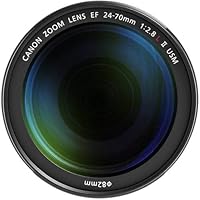
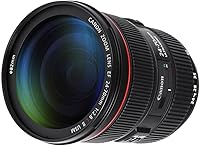
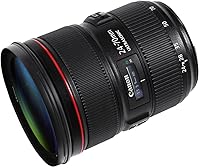
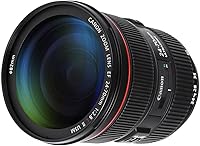
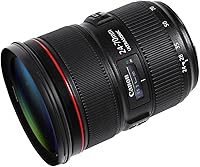
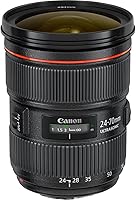
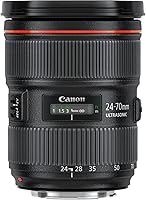
The Canon EF 24-70mm f/2.8L II Zoom Lens sits at the top of Canon's standard zoom lineup, carrying the L-series badge that professionals have trusted for decades. That red ring signals more than aesthetics — it means weather sealing, premium glass, and construction built to handle real working conditions. The defining characteristic is the constant f/2.8 aperture, which holds steady whether you're shooting wide at 24mm or compressed at 70mm. Wedding photographers, photojournalists, and portrait shooters gravitate toward this lens because versatility and reliability matter more than saving a few hundred grams. You pay a premium, but you're buying a professional tool, not a consumer compromise.
Features & Benefits

The ring-type USM autofocus in Canon's professional standard zoom is fast enough to lock onto a moving subject without hesitation — ideal for unpredictable moments at events or in the field. What sets this version apart from its predecessor is a revised optical formula that noticeably tightens corner sharpness and reduces chromatic aberration, two areas where the original showed its age. Full-time manual focus override is genuinely useful; you can nudge focus without flipping a switch. The 82mm filter thread is large but practical for serious filter work. Build quality feels solid and weather-sealed, which matters when you're shooting outdoors in uncertain conditions.

Best For

If you shoot weddings professionally, the 24-70 f/2.8 II earns its keep across an entire day — wide enough for venue interiors, long enough for ceremony candids, and fast enough to work in dim reception lighting. Photojournalists will appreciate the reliable AF and durable build when there's no time to swap glass under pressure. Portrait shooters get useful subject separation at f/2.8 without being locked into a prime. That said, casual photographers or hobbyists shooting in good light will likely find the weight and cost hard to justify. This lens rewards those who push it in demanding, real-world conditions rather than weekend outings.

User Feedback

Owners of this L-series zoom are largely satisfied, with center-frame sharpness wide open drawing consistent praise — a real improvement over what the first-generation delivered. Low-light autofocus accuracy also earns repeated positive mentions. On the critical side, the lens is heavy at 1.77 pounds, and after a full day on your shoulder, that weight is noticeable. Some photographers feel third-party alternatives close the gap enough to question the price difference. One frequently raised concern worth taking seriously: there's no image stabilization, which can be a limitation for video work or shooting at slower shutter speeds handheld. Know what you need before committing.

Pros

  • Constant f/2.8 aperture holds steady across the full zoom range — no exposure surprises mid-shoot.
  • Center-frame sharpness wide open is outstanding, even by professional lens standards.
  • Ring-type USM autofocus is fast, near-silent, and dependable in low-light event spaces.
  • Weather sealing gives real confidence shooting outdoors in rain, dust, or cold conditions.
  • Full-time manual focus override works without switching modes — useful during portrait fine-tuning.
  • The revised Mark II optical formula delivers noticeably better corner sharpness than the original version.
  • Non-rotating front element keeps polarizer alignment stable when using filters in the field.
  • Strong resale value means this L-series zoom holds its price well in the used market over time.
  • The 24-70mm range covers enough ground to serve as a reliable one-lens solution for event work.
  • Autofocus accuracy in difficult low-contrast situations earns consistent praise from working professionals.

Cons

  • No image stabilization is a real limitation for handheld video and slow-shutter-speed still photography.
  • At 1.77 pounds, fatigue accumulates quickly during long handheld shoots or full-day events.
  • The 82mm filter thread means compatible filters are significantly more expensive than smaller alternatives.
  • Third-party zoom lenses have closed the optical gap enough to make the price premium harder to justify.
  • Barrel extends during zooming, which can feel less confidence-inspiring in wet or dusty environments.
  • EF-mount users moving toward Canon mirrorless bodies will need an adapter, adding cost and shifting balance.
  • Corner sharpness at 24mm wide open still trails behind dedicated prime lenses for critical work.
  • The size and weight make it a poor travel companion for photographers prioritizing mobility over performance.

Ratings

The Canon EF 24-70mm f/2.8L II Zoom Lens scores here reflect AI-driven analysis of verified global buyer reviews, with spam, bot activity, and incentivized feedback actively filtered out before any score was calculated. Across thousands of real-world accounts from wedding photographers, photojournalists, and studio professionals, both the strengths and the genuine frustrations are weighted transparently into every category below.
Optical Sharpness
94%
Center-frame sharpness at f/2.8 is the single most praised attribute across verified reviews — photographers consistently report crisp subject detail even in challenging light. The revised optical formula makes a meaningful difference at the edges of the frame compared to its predecessor, particularly on full-frame bodies.
A small number of pixel-peepers note that extreme corner sharpness at 24mm wide open still falls slightly behind some prime lenses. For most real-world shooting this is a non-issue, but those printing very large or cropping heavily may notice it.
Autofocus Performance
91%
The ring-type USM motor is genuinely fast and nearly silent, which matters enormously during wedding ceremonies or quiet press events where a noisy lens would be disruptive. Reviewers frequently highlight accurate subject acquisition even in dim reception halls or poorly lit newsroom environments.
A subset of users report occasional hunting in very low-contrast or near-dark situations, particularly when shooting subjects against similarly toned backgrounds. It is not a common complaint, but it appears consistently enough to be worth noting for photographers who regularly work in extreme low-light conditions.
Build Quality & Durability
93%
The L-series weather sealing earns genuine trust from professionals who shoot in rain, dust, and cold without hesitation. Reviewers working outdoor events describe using this lens in difficult conditions over several years without any degradation in feel or performance.
The barrel extends when zooming, which a handful of users find less confidence-inspiring than internal-zoom designs in adverse weather. While the sealing holds up well in practice, the extending mechanism is a point some professionals prefer to avoid on truly rugged assignments.
Value for Money
62%
38%
For photographers who book this lens on paid assignments regularly, the investment pays back over time through consistent optical performance and a build that does not need replacing every few years. Many working professionals view it as a tool that earns its own cost.
At this price point, the lack of image stabilization is a significant sticking point for many buyers evaluating alternatives. Third-party options from Sigma and Tamron now perform close enough in optical quality that a growing segment of reviewers openly questions whether the Canon premium is still justified.
Image Stabilization
38%
62%
The absence of stabilization is not a deal-breaker for photographers working in well-lit environments or using fast enough shutter speeds to counteract camera shake. For still photography at typical event shutter speeds, most experienced shooters adapt without issue.
This is the most consistently flagged drawback across all verified reviews. Video shooters find handheld footage noticeably shakier compared to stabilized alternatives, and photographers shooting in very dim light at slower shutter speeds must rely entirely on technique or a tripod to compensate.
Aperture Consistency
96%
The constant f/2.8 aperture across the entire focal range is something users describe as a genuine workflow advantage — exposure settings stay locked whether you pull back to 24mm for a wide room shot or zoom into 70mm for a tighter portrait moment. No mid-zoom exposure compensation needed.
There is very little to criticize here by design. The only edge case raised by a small number of videographers is that smooth aperture changes during video recording require careful technique to avoid exposure jumps when adjusting on the fly.
Weight & Portability
53%
47%
For photographers used to carrying professional glass, the weight feels proportionate to the build and optical performance delivered. Those coming from APS-C systems or lighter mirrorless setups often report adapting to the heft within a few shooting sessions.
At 1.77 pounds, fatigue becomes a real factor during extended handheld shooting — wedding photographers covering 10-hour days report noticeable arm tiredness by the end of an event. Travelers and street photographers in particular tend to leave this lens at home in favor of smaller, lighter alternatives.
Handling & Ergonomics
77%
23%
The zoom and focus rings are well-dampened and positioned intuitively for one-handed adjustments mid-shoot. Full-time manual focus override is a small but meaningful ergonomic advantage that experienced shooters appreciate during portrait sessions.
The 82mm filter thread is larger than average, which adds cost and weight when using filters regularly. The barrel length change during zoom also means the lens balance shifts slightly in hand, which some photographers find less predictable during quick focal length adjustments.
Low-Light Performance
89%
The f/2.8 aperture combined with accurate autofocus makes this a reliable choice for dimly lit event spaces, indoor ceremonies, and available-light portrait sessions. Reviewers frequently cite sharp results at high ISO when paired with a capable Canon body.
Without stabilization, very low shutter speeds introduce shake that the aperture alone cannot compensate for. Users shooting ambient-light video or still scenes below 1/60 second at 70mm report needing to brace carefully or accept some degree of motion blur.
Upgrade from Gen 1
78%
22%
Photographers who moved from the original 24-70 f/2.8L describe a clear improvement in corner sharpness and reduced chromatic aberration, particularly at wider focal lengths. The autofocus feel is also reported as snappier and more decisive on the Mark II.
The improvement is real but not dramatic enough to feel like an entirely new lens. Some users who expected a more transformative jump feel the generational differences are meaningful mainly at the pixel level rather than in practical everyday shooting results.
Flare & Contrast Control
82%
18%
Shooting into backlight or near artificial light sources produces well-controlled flare that does not overwhelm contrast in the way some zoom lenses do. Reviewers appreciate the Canon coating work here when shooting outdoor portraits near windows or stage lighting.
In extreme backlit situations with multiple light sources, some ghost artifacts and contrast dips appear that a prime lens would better suppress. It is not a frequent complaint, but photographers working in theatrical or concert lighting occasionally flag it.
Compatibility & Versatility
88%
The EF mount covers both full-frame and APS-C Canon cameras, making this a long-term investment that survives body upgrades. The 24-70mm range is broadly useful enough that many photographers describe it as their most-reached-for lens across a full working day.
EF-mount exclusivity means mirrorless Canon R-system users need an adapter, adding cost and slightly affecting the overall system balance. As Canon's native RF lineup grows, some buyers are starting to question the long-term ecosystem future of new EF glass purchases.
Minimum Focus Distance
74%
26%
At 0.38 meters, the lens gets reasonably close for environmental detail shots, product flat lays, or tight headshots without requiring a separate macro solution. Wedding photographers find this useful for ring and detail shots without swapping glass.
It falls short of true macro capability, and photographers who regularly need extreme close-up work will still need a dedicated macro lens in their bag. A handful of reviewers expected more magnification at this price tier when comparing against some competing zoom lenses.
Filter Usability
71%
29%
The 82mm thread accepts high-quality circular polarizers and ND filters well, and the front element does not rotate during autofocus, which keeps polarizer alignment stable — a practical advantage that reviewers who shoot landscapes or architecture specifically praise.
The 82mm size means filters are expensive and not interchangeable with most other lenses in a typical kit. Photographers building out a filter system around this lens face a meaningful additional investment that some find disproportionate even at this product tier.
Resale Value
86%
L-series glass holds its value unusually well in the used market, and the 24-70 f/2.8 II specifically carries strong resale prices even years after purchase. Buyers who later upgrade to mirrorless systems report recovering a solid portion of their original spend.
The growing availability of high-quality third-party alternatives has begun to soften demand for used copies at top-end prices. While still strong, the premium resale position this lens once held almost automatically is slightly more dependent on condition and timing than it used to be.

Suitable for:

The Canon EF 24-70mm f/2.8L II Zoom Lens was built for photographers who cannot afford to miss a shot — and that description fits wedding and event photographers almost perfectly. Covering a full ceremony and reception with a single lens means fewer swaps, less risk of missing a moment, and consistent f/2.8 exposure whether you are shooting a candlelit first dance or a bright outdoor portrait session. Photojournalists working under deadline pressure will also find the fast, near-silent USM autofocus and durable weather-sealed body a reliable match for unpredictable field conditions. Portrait photographers benefit from the ability to shift between environmental wide shots and tighter headframes without touching their bag. Studio professionals who want predictable, consistent exposure control throughout a shoot will appreciate how the constant aperture removes one variable from an already complex workflow. Serious Canon EF mount users who plan to stay in that ecosystem long-term and want glass that holds up over years of heavy use will find this lens a genuinely sound investment.
Not suitable for:

The Canon EF 24-70mm f/2.8L II Zoom Lens is a hard sell for anyone who does not shoot professionally or in genuinely demanding conditions that justify the cost. Hobbyist photographers who shoot casually on weekends in decent light will find that much of what makes this lens worth its price — the build tolerance, the low-light AF, the weather sealing — rarely comes into play during relaxed shooting sessions. At 1.77 pounds, it is also a real burden for travel photographers or street shooters who prioritize mobility; spending a full day in a city with this hanging off your neck gets uncomfortable fast. Video creators will likely find the complete absence of image stabilization a more serious limitation than still photographers do — handheld footage at slower shutter speeds requires careful technique and often additional rigging to stay watchable. Photographers considering a move to Canon's mirrorless RF system should also think carefully before investing at this level in EF glass, since long-term ecosystem support for new EF lenses is an open question. And for those eyeing comparable third-party options, the performance gap has narrowed enough that the price difference deserves honest scrutiny before committing.
Specifications

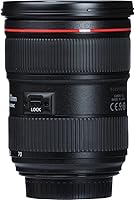
  • Focal Length: This lens covers a 24-70mm zoom range, equivalent to approximately 38.4-112mm on Canon APS-C sensor cameras.
  • Maximum Aperture: A constant f/2.8 maximum aperture is maintained across the entire focal length range, ensuring consistent exposure without compensation when zooming.
  • Minimum Aperture: The minimum aperture is f/22, providing flexibility for long-exposure work or shooting in very bright conditions.
  • Autofocus System: A ring-type ultrasonic motor (USM) drives autofocus, delivering fast and near-silent subject acquisition suited for quiet shooting environments.
  • Manual Focus: Full-time manual focus override is available, allowing the photographer to fine-tune focus at any time without switching the AF mode off.
  • Image Stabilization: This lens does not include optical image stabilization, so handheld shooting in low light relies entirely on shutter speed and shooting technique.
  • Filter Thread: The front element accepts 82mm screw-in filters and does not rotate during autofocus, keeping polarizer alignment stable throughout a shot.
  • Minimum Focus: The closest focusing distance is 0.38m (approximately 1.25 ft), enabling reasonably tight framing for detail and environmental close-up shots.
  • Mount Compatibility: This lens uses the Canon EF mount and is compatible with all Canon EF-mount bodies, including full-frame and APS-C sensor cameras.
  • Lens Construction: The optical formula includes Canon's proprietary coatings to control flare and chromatic aberration, with improvements over the first-generation design targeting corner sharpness.
  • Weather Sealing: L-series dust and moisture resistance is built into the barrel, making the lens suitable for use in light rain, dusty outdoor environments, and cold conditions.
  • Dimensions: The lens measures 4.45 inches in length with a diameter of 3.5 inches, making it a physically substantial zoom by any standard.
  • Weight: At 1.77 pounds (approximately 805g), the lens is notably heavy for extended handheld use, particularly during long event shooting days.
  • Generation: This is the Mark II (second generation) version, introduced in 2012 with a revised optical formula that improved on the original model's optical weaknesses.
  • Lens Series: The lens belongs to Canon's professional L-series lineup, which applies to optics meeting Canon's highest internal standards for optical and build quality.
  • Zoom Type: This is an external zoom design, meaning the barrel physically extends when zooming from 70mm toward 24mm, adding slightly to the overall length when set to wider focal lengths.
  • Aperture Blades: The lens uses a 9-blade circular aperture diaphragm, contributing to smooth, rounded bokeh at wide aperture settings.
  • Model Number: The official Canon model number for this lens is 5175B002, and its ASIN on major retail platforms is B0076BNK30.

Related Reviews
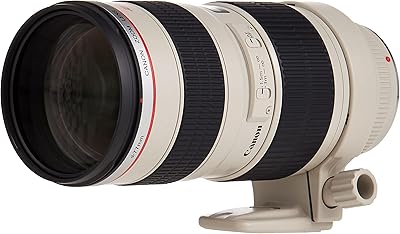
Canon EF 70-200mm f/2.8L USM Telephoto Zoom Lens
82%
91%
Autofocus Speed
93%
Image Sharpness
94%
Build Quality
92%
Aperture Consistency
89%
Bokeh & Subject Separation
More
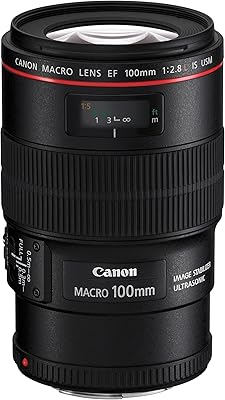
Canon EF 100mm f/2.8L IS USM Macro Lens
88%
96%
Image Stabilization
92%
Autofocus Speed & Accuracy
94%
Sharpness & Detail
91%
Build Quality & Durability
88%
Weather Resistance
More
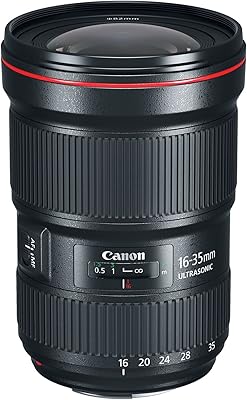
Canon EF 16–35mm f/2.8L III USM Lens
88%
95%
Image Quality
93%
Build Quality & Durability
91%
Autofocus Speed & Accuracy
89%
Low-Light Performance
90%
Weather Sealing
More
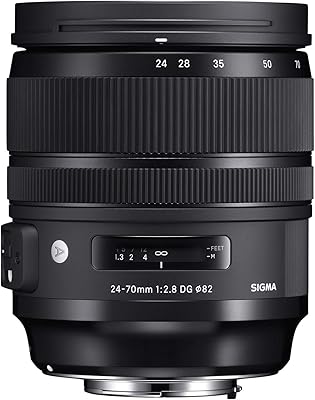
Sigma 24-70mm f/2.8 Art Zoom Lens
79%
91%
Optical Sharpness
83%
Autofocus Performance
84%
Image Stabilization
72%
Build Quality
78%
Value for Money
More
Canon EF-S 55-250mm f/4-5.6 IS II Telephoto Zoom Lens
82%
91%
Value for Money
88%
Image Stabilization Performance
65%
Autofocus Speed in Low Light
93%
Portability & Size
85%
Image Quality & Sharpness
More
Canon EF-S 24mm f/2.8 STM Lens
79%
88%
Image Sharpness
82%
Autofocus Performance
61%
Build Quality
96%
Portability & Size
74%
Low-Light Capability
More
Canon EF 24-105mm f/4L IS USM Lens
76%
83%
Image Sharpness
89%
Autofocus Performance
78%
Image Stabilization
91%
Build Quality
88%
Focal Range Versatility
More
Canon EF 70-200mm f/4L IS II Lens
85%
94%
Optical Sharpness
91%
Image Stabilization
88%
Autofocus Performance
93%
Build Quality
89%
Portability & Weight
More
Sony FE 24-70mm F2.8 GM Zoom Lens
84%
94%
Optical Sharpness
91%
Autofocus Performance
92%
Bokeh Quality
93%
Build Quality
63%
Value for Money
More
Canon EOS 6D Mark II with EF 24-105mm f/4L IS II USM
81%
93%
Image Quality
79%
Autofocus Performance
57%
Video Capabilities
91%
Bundled Lens Quality
88%
Battery Life
More

FAQ

Yes, it mounts and functions fully on any Canon EF-mount camera, including APS-C bodies like the Rebel series. Keep in mind the effective focal length becomes approximately 38-112mm on an APS-C sensor due to the crop factor, which actually gives you a bit more reach at the long end.

For most still photography at typical event or portrait shutter speeds, experienced shooters adapt to it without much trouble. Where it genuinely hurts is in handheld video — footage can look shaky without a gimbal or other stabilization support. If video is a priority for you, factor in the cost of additional stabilization gear before buying.

The improvement is real but targeted. The Mark II delivers noticeably better corner sharpness and reduced chromatic aberration, particularly at wider focal lengths on full-frame bodies. The autofocus also feels snappier. That said, the step up is meaningful mainly to photographers shooting critical work at the edges of the frame — in everyday event or portrait shooting, both versions perform at a high level.

Only if they are 82mm. This is a larger thread than many photographers are used to, so if your current kit uses smaller filter sizes you will need new filters specifically for this lens. The upside is that the front element does not rotate during autofocus, so a circular polarizer stays aligned once you set it.

It is a fair concern. The lens works on RF-mount mirrorless bodies via the Canon EF-EOS R adapter, and the adapter performs well, but it adds cost and shifts the balance of the system slightly. If you are already deep into the EF ecosystem and not switching anytime soon, it remains a strong investment. If mirrorless is imminent, it might be worth waiting to see what the RF 24-70mm lineup offers instead.

It handles the demands of a full wedding day very well optically — the constant f/2.8 aperture is a genuine asset moving between a dark church ceremony and a bright outdoor portrait session. The weight is the main practical challenge; at 1.77 pounds, your arm notices it by hour eight. Many wedding photographers pair it with a lighter prime to alternate through the day.

The L-series weather resistance gives you reasonable confidence in light rain and dusty conditions, and working photographers regularly use it outdoors without issue. It is not rated for heavy downpours or submersion, so common sense applies. Pairing it with a weather-sealed camera body also makes a difference since the lens-to-body junction is part of the overall sealing.

The minimum focusing distance of 0.38m (about 1.25 ft) is workable for environmental detail shots and tight headshots, but it will not replace a dedicated macro lens. Wedding photographers often use it for ring shots with acceptable results, though a macro prime gives you more magnification and working distance flexibility for that kind of work.

The difference is significant. Where a kit zoom typically softens noticeably at wide apertures, the 24-70 f/2.8 II produces sharp, detailed images wide open — which is the whole point of a professional-grade constant-aperture lens. If you have only shot with a kit zoom before, the improvement in center sharpness and low-light performance will be immediately obvious.

Given its dimensions of 4.45 x 3.5 x 3.5 inches, it takes up a meaningful chunk of a camera bag. Most photographers use a mid-size padded camera backpack or rolling case to carry it alongside a body. Canon includes a basic pouch with the lens, but for travel or airport transit, a hard-sided case or well-padded insert is a smarter choice to protect the investment.

Where to Buy

Full Compass Systems
In stock $2,199.00
Abe's of Maine
In stock $1,659.00
Willoughby's Photo Emporium
In stock $1,659.00
Onestop Digital
In stock $1,680.48
TriStateCamera.com
In stock $1,879.98
Camera Wholesalers
In stock $2,099.00