Overview

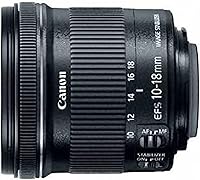
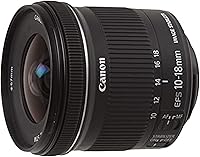
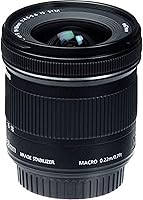
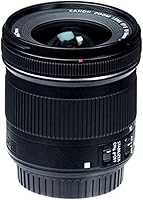
The Canon EF-S 10-18mm STM Wide-Angle Lens is Canon's most accessible entry into ultra-wide territory for APS-C crop-sensor shooters. On a crop body, that focal range translates to roughly 16-29mm in full-frame terms, giving you a genuinely expansive field of view without veering into fisheye territory. It has been around since 2014, yet it holds its ground among hobbyists and travel photographers largely because nothing else in Canon's lineup undercuts it on price while covering the same range. It is also remarkably compact at just 8.5 ounces. To be clear, this is not an L-series optic; it is a capable, honest performer built for enthusiasts, not professionals chasing pixel-level perfection.

Features & Benefits

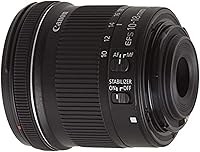
The STM autofocus is probably the most talked-about selling point here, and for good reason — it operates almost silently, making this ultra-wide zoom well-suited for video work. The built-in optical image stabilizer adds real usability when shooting handheld in dim cathedrals or cramped interiors where bumping the ISO has consequences. The variable aperture, f/4.5 at the wide end narrowing to f/5.6 at 18mm, is a genuine trade-off; it won't win in candlelit rooms, but wide-angle lenses are rarely chosen for low-light prowess anyway. A minimum focus distance of just 0.22 meters lets you get creative with foreground elements. Worth stating plainly: the EF-S mount means this lens is strictly for crop-sensor Canon bodies — full-frame users need not apply.

Best For

This Canon wide-angle lens finds its natural home in a few specific shooting situations. Travel and landscape photography is the obvious one — when you're hauling gear across cobblestone streets or hiking to a viewpoint, a lens this light earns its spot in the bag. Architecture and interior work benefit from the wide field of view, letting you capture a full room or facade without backing into a wall. Vloggers and content creators using Canon crop-sensor cameras will appreciate how quiet the autofocus is during recording. And if you're a beginner looking to experiment beyond your kit lens, this is a rewarding step into wide-angle perspective without committing to something heavy or intimidatingly expensive.

User Feedback

With over 2,500 ratings averaging 4.6 out of 5, the general consensus on the 10-18mm STM is solidly positive. Center-frame sharpness and the quiet motor consistently draw praise, and many buyers feel it punches above its weight for the asking price. The criticism that surfaces most often is geometric distortion and vignetting at 10mm — both real issues, both correctable in Lightroom or via in-camera profiles, but worth knowing if straight architectural lines matter to you. The plastic construction also draws occasional complaints; it feels more budget-conscious than professional in hand. Low-light indoors is the other recurring sore point — users shooting events or dim venues tend to notice the aperture limitation fairly quickly. On balance, most buyers come away satisfied.

Pros

  • Near-silent STM autofocus makes this ultra-wide zoom a genuinely practical tool for video recording.
  • Built-in optical image stabilization helps control blur during handheld shooting in dim interiors.
  • At just 8.5 ounces, the 10-18mm STM adds almost no burden on full-day shooting trips.
  • Center-frame sharpness holds up well across everyday shooting scenarios at standard viewing sizes.
  • A minimum focus distance of 0.22m opens up creative foreground-inclusive compositions.
  • Solid value for Canon APS-C shooters who need genuine ultra-wide coverage without a large outlay.
  • Canon bodies apply automatic lens corrections in JPEG mode, reducing post-processing work for casual shooters.
  • The STM drive system operates smoothly, making zoom transitions during video relatively stable.
  • Highly rated by over 2,500 verified buyers globally, with consistent satisfaction across travel and landscape use.

Cons

  • Barrel distortion and vignetting at 10mm require manual correction in post-processing for clean architectural shots.
  • The variable aperture becomes a real constraint in low-light indoor environments like event halls or museums.
  • Corner sharpness falls noticeably at wide-open aperture, which matters for detail-critical subjects near the edges.
  • The all-plastic construction feels budget-conscious in hand and offers no weather sealing whatsoever.
  • Chromatic fringing appears in high-contrast backlit scenes and needs correcting in editing software.
  • AF hunting in dim or low-contrast conditions is a recurring complaint among reviewers.
  • Zooming mid-video can cause subtle exposure shifts due to the variable aperture, disrupting footage continuity.
  • No compatibility with Canon full-frame bodies makes it a poor long-term investment for photographers planning a system upgrade.
  • The zoom ring feel has been described as slightly loose, which can undermine confidence during precise framing.

Ratings

The Canon EF-S 10-18mm STM Wide-Angle Lens has been scored below using an AI-driven analysis of thousands of verified global buyer reviews, with spam, incentivized, and bot-generated feedback actively filtered out before scoring. The ratings reflect an honest synthesis of real-world shooting experiences across travel, architecture, vlogging, and landscape use cases. Both the genuine strengths and the frustrations that keep coming up have been weighted equally, so you get the full picture before you buy.

Image Sharpness
83%
Center-frame sharpness is consistently praised across reviewers shooting landscapes, cityscapes, and interiors. Most buyers are genuinely surprised by how crisp results look at standard viewing sizes, especially given the accessible price point of this ultra-wide zoom.
Corner softness is a recurring complaint, particularly at 10mm and wide-open aperture. Pixel-peepers shooting architecture where edge-to-edge detail matters will likely find the corners underwhelming without stopping down to f/8 or beyond.
Autofocus Performance
86%
The STM motor is legitimately quiet — quiet enough that it rarely gets picked up by on-camera microphones during video recording, which is a genuine practical win for vloggers and filmmakers. Tracking is smooth and responsive for typical wide-angle subjects like landscapes and interiors.
In low-contrast or very dim environments, the AF can hunt noticeably before locking on. It is not a speed demon either; action or fast-moving subjects are not where this lens feels confident.
Image Stabilization
81%
19%
The optical IS makes a tangible difference when shooting handheld in dim church interiors, narrow alleyways, or at dusk without a tripod. Travel photographers consistently mention it as a key reason they feel confident shooting at slower shutter speeds without blur creep.
At the widest end of the focal range, camera shake is already less visible due to the physics of ultra-wide shooting, which means the IS feels more impactful around 18mm than at 10mm. It is not a substitute for proper lighting in genuinely dark environments.
Distortion & Vignetting
58%
42%
Distortion at 18mm is largely manageable and less noticeable in natural scenes like forests or open streets. Canon camera bodies also apply automatic corrections for this lens in JPEG output, which helps casual shooters get cleaner results straight out of camera.
At 10mm, barrel distortion and vignetting are both measurable and visible without correction. Architectural photographers shooting straight lines — window frames, columns, building facades — will need to run corrections in post-processing, which adds a step to every workflow.
Low-Light Capability
54%
46%
Wide-angle lenses are not typically chosen for their low-light performance, and most reviewers understand this trade-off going in. The IS does lend a hand in dimly lit scenes when the subject is stationary, and in daylight or well-lit interiors the aperture limitation simply does not matter.
The f/4.5-5.6 variable aperture is a real constraint for indoor event photography, museum shooting without flash, or any situation where you need to maintain fast shutter speeds in dim light. Reviewers shooting evening travel scenes or indoor receptions note that ISO has to climb quickly, sometimes resulting in visible noise.
Build Quality
63%
37%
Despite the plastic-heavy construction, the lens holds up well through regular daily use. Multiple long-term owners report years of shooting travel, hiking, and street photography without any structural issues, which suggests durability that is acceptable for the target user.
The plastic feel is hard to ignore when you pick it up, especially if you have ever handled a higher-tier Canon lens. There is no weather sealing, which limits use in rain or dusty outdoor environments, and the zoom ring has a slightly loose feel that some reviewers find underwhelming.
Portability & Size
93%
At 8.5 ounces, this is one of the lightest ultra-wide zooms available for Canon APS-C shooters. It fits comfortably in a small camera bag pocket, and photographers who spend full days walking cities or hiking trails consistently single out its compact footprint as a major daily advantage.
The compact size is a side effect of the plastic build and modest optical formula, so it comes with trade-offs elsewhere. Photographers who are used to heavier, denser glass sometimes interpret the lightness as a sign of inferior construction rather than a deliberate design choice.
Value for Money
89%
For Canon APS-C shooters who want genuine ultra-wide coverage without spending on a professional-grade option, this lens sits in a sweet spot where performance meets accessibility. The STM motor, optical IS, and workable image quality together make the price feel well-justified for hobbyists and enthusiast travel shooters.
If you plan to upgrade to a Canon full-frame body in the near future, this lens becomes unusable — the EF-S mount simply does not fit. That incompatibility makes the long-term value proposition weaker for photographers who see themselves moving up the system ladder.
Video Performance
88%
The near-silent STM autofocus is a genuine asset for on-camera video recording, consistently highlighted by content creators and vloggers who shoot dialogue or ambient audio. Combined with IS, handheld video at wide focal lengths is noticeably more stable than with non-stabilized alternatives.
The variable aperture can cause subtle exposure shifts when zooming during a video clip, which is a known annoyance for videographers who move the zoom ring mid-shot. It is manageable but worth being aware of if smooth, continuous exposure during recording is important to your workflow.
Chromatic Aberration
71%
29%
For most shooting scenarios — travel snapshots, landscape wide shots, architecture previews — chromatic aberration is mild enough that many reviewers never notice it. High-contrast edges in good light tend to come out clean, which is all most buyers realistically need.
In high-contrast backlit situations, purple or green fringing can appear at the edges of the frame. It is correctable in most editing software, but it does require manual attention when shooting situations like tree canopies against bright sky or window light through dark interiors.
Compatibility & Mount
66%
34%
Within its intended ecosystem — Canon APS-C DSLRs like the Rebel series, 80D, 90D, and similar bodies — the lens mounts, communicates, and operates without any compatibility issues. Autofocus, IS, and EXIF data all work as expected, and Canon bodies apply native lens corrections automatically.
The EF-S mount restriction is a hard wall that frustrates a meaningful segment of buyers. Users who later purchase a Canon full-frame body, or who already own one and mistakenly ordered this lens, find it completely incompatible — and that misunderstanding appears with some regularity in the reviews.
Minimum Focus Distance
78%
22%
A minimum focus distance of 0.22 meters gives photographers more creative flexibility than most ultra-wide zooms in this category. Getting close to foreground elements like rocks, flowers, or textured surfaces while keeping a wide background in frame opens up compositional possibilities that straightforward landscape shooters appreciate.
The close focus capability is not a true macro substitute — magnification remains limited. Reviewers expecting sharp, detailed close-up shots of small subjects tend to be disappointed once they see the actual scale of reproduction at minimum distance.
Flare & Contrast
67%
33%
In most everyday shooting conditions — overcast landscapes, shaded architecture, indoor interiors — contrast holds up reasonably well and color rendition is accurate enough that post-processing corrections are minor. The included lens hood helps control stray light in standard situations.
Shooting directly toward bright light sources, like the sun near the horizon or an interior window, can introduce noticeable flare and a reduction in overall contrast. At ultra-wide focal lengths this is a harder problem to avoid compositionally, and it comes up across enough reviews to be considered a real characteristic of this lens.

Suitable for:

The Canon EF-S 10-18mm STM Wide-Angle Lens is a strong match for Canon APS-C DSLR owners who want to push beyond the limits of a standard kit lens without spending heavily. Travel photographers who walk long distances with their gear will appreciate how little space and weight this ultra-wide zoom adds to a bag. Landscape and architecture enthusiasts shooting in confined spaces — narrow streets, small rooms, tight canyon walls — will find the 10mm end genuinely useful for capturing context that a wider-standard lens simply cannot fit in frame. Vloggers and content creators who need quiet, smooth autofocus for on-camera recording will also find it a natural fit, particularly because the silent STM motor rarely bleeds into audio. Beginners stepping into wide-angle photography for the first time will find the learning curve manageable and the results rewarding enough to justify the investment.

Not suitable for:

The Canon EF-S 10-18mm STM Wide-Angle Lens is simply not an option for anyone shooting on a Canon full-frame body — the EF-S mount is a hard incompatibility, not a workaround situation. Photographers who regularly shoot in low-light environments like dimly lit event halls, candlelit interiors, or nighttime outdoor scenes will run into the variable aperture limitation quickly and may find themselves pushing ISO higher than they are comfortable with. Working professionals or serious enthusiasts who need sharp, corrected corners straight out of camera — particularly for commercial architecture or real estate photography — will likely find the distortion and vignetting at 10mm adds an unwelcome step to every shoot. Anyone planning to upgrade to a Canon full-frame system in the near future should also think twice, since this lens will not make the transition with them. It is also not well-suited for sports, wildlife, or any fast-action work where predictable, rapid autofocus acquisition is non-negotiable.

Specifications

  • Focal Length: Covers a 10-18mm zoom range, equivalent to approximately 16-29mm on a full-frame camera when used on a Canon APS-C body.
  • Max Aperture: Variable maximum aperture of f/4.5 at 10mm, stepping down to f/5.6 at the 18mm end of the zoom range.
  • Lens Mount: Canon EF-S mount, designed exclusively for APS-C crop-sensor Canon DSLRs and physically incompatible with full-frame EF-mount bodies.
  • Autofocus System: STM (Stepping Motor) drive using a lead screw and rack mechanism, delivering smooth and near-silent focus transitions.
  • Image Stabilization: Built-in optical Image Stabilizer (IS) compensates for camera shake during handheld shooting, particularly useful at slower shutter speeds.
  • Min Focus Distance: Minimum focusing distance of 0.22m (0.72 ft), allowing photographers to get reasonably close to foreground subjects while retaining a wide background.
  • Weight: 8.5 oz (240g), making it one of the lightest ultra-wide zoom options available for Canon APS-C shooters.
  • Dimensions: Measures 2.83 inches in length and 2.95 inches in diameter, keeping it compact enough to fit in a small camera bag pocket.
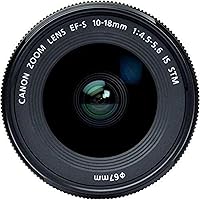
  • Filter Thread: 67mm front filter thread, compatible with standard 67mm circular polarizers, ND filters, and UV protectors.
  • Aperture Blades: Six-blade circular aperture diaphragm, which influences the shape of out-of-focus highlights when the lens is stopped down.
  • Lens Construction: Built from 14 elements arranged in 11 groups, including one aspherical element to help manage distortion across the zoom range.
  • Angle of View: Provides a diagonal angle of view of approximately 107.5 degrees at 10mm on a Canon APS-C sensor body.
  • Body Material: Primarily plastic construction with no weather or dust sealing, suited for everyday use in dry and normal shooting conditions.
  • Compatibility: Works with all Canon EF-S mount DSLRs including the Rebel series, 80D, 90D, 7D, and 7D Mark II bodies.
  • Manufacturer: Designed and manufactured by Canon Cameras US, with the model designation EF-S10-18ISSTM.
  • Release Date: First made available in May 2014 and has remained in active production without discontinuation by the manufacturer.
  • Market Rank: Holds a Best Sellers Rank of #62 in the SLR Camera Lenses category on Amazon, reflecting sustained buyer demand since launch.
  • Average Rating: Carries an average customer rating of 4.6 out of 5 based on over 2,578 verified global ratings at time of analysis.

Related Reviews
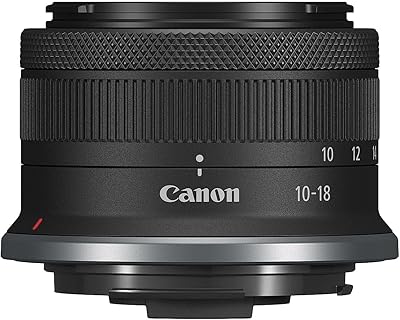
Canon RF-S10-18mm F4.5-6.3 IS STM Zoom Lens
83%
91%
Image Sharpness
84%
Autofocus Performance
88%
Image Stabilization
76%
Build Quality & Handling
93%
Vlogging Usability
More
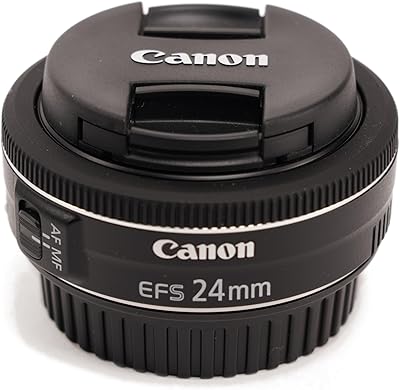
Canon EF-S 24mm f/2.8 STM Lens
79%
88%
Image Sharpness
82%
Autofocus Performance
61%
Build Quality
96%
Portability & Size
74%
Low-Light Capability
More
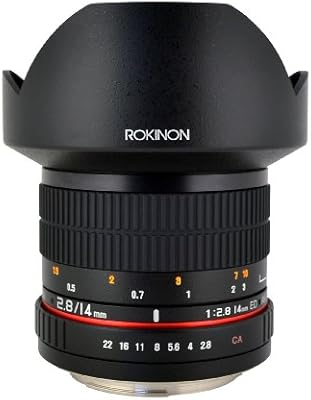
Rokinon 14mm F2.8 Wide Angle Lens
71%
83%
Optical Sharpness (Center Frame)
58%
Edge & Corner Sharpness
52%
Vignetting Control
61%
Chromatic Aberration
74%
Flare & Ghosting Resistance
More
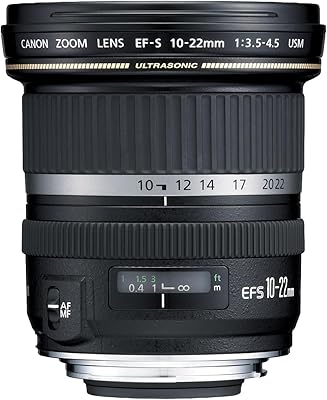
Canon EF-S 10-22mm f/3.5-4.5 USM Wide-Angle Lens
80%
88%
Image Sharpness
91%
Autofocus Performance
84%
Build Quality
63%
Distortion Control
67%
Chromatic Aberration
More
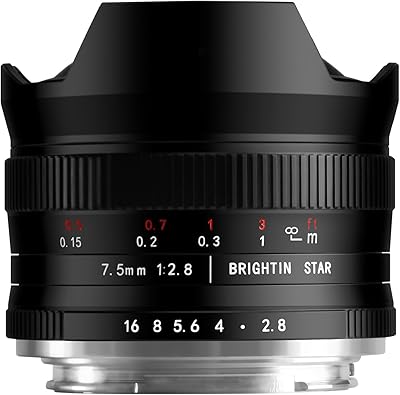
Brightin Star 7.5mm F2.8 III Fisheye Lens
75%
78%
Image Sharpness
88%
Value for Money
71%
Low-Light & Astrophotography Performance
82%
Build Quality & Construction
61%
Manual Focus Usability
More
JINTU 85mm f/1.8 Portrait Lens for Canon EF/EF-S Mount
81%
91%
Image Quality
88%
Build Quality
85%
Manual Focus Control
92%
Aperture Performance
87%
Value for Money
More
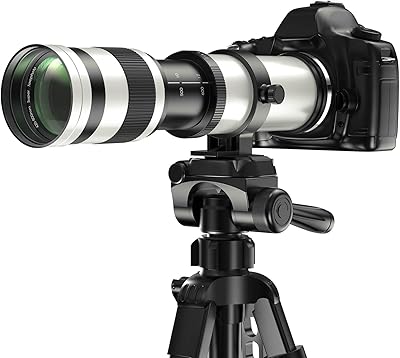
Lightdow 420-800mm F8.3 Telephoto Zoom Lens
68%
83%
Value for Money
61%
Image Sharpness
69%
Manual Focus Usability
58%
Build Quality
72%
Setup & Compatibility
More
Canon EF 50mm f/1.8 STM Lens
79%
83%
Image Sharpness
88%
Bokeh & Background Separation
81%
Low-Light Performance
72%
Autofocus Speed & Accuracy
91%
Autofocus Noise
More
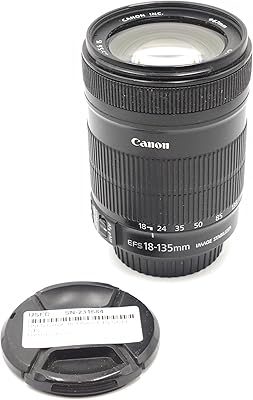
Canon EF-S 18-135mm f/3.5-5.6 IS Zoom Lens
77%
91%
Zoom Versatility
88%
Image Stabilization
76%
Sharpness & Clarity
58%
Low-Light Performance
79%
Autofocus Speed
More
Canon EF 8-15mm f/4L Fisheye Zoom Lens
82%
93%
Optical Sharpness
91%
Zoom Versatility
88%
Autofocus Performance
94%
Build Quality
61%
Low-Light Capability
More

FAQ

No, it will not. The EF-S mount is physically designed for APS-C crop-sensor bodies only, and while you can force the lens onto a full-frame body in some cases, doing so risks damaging both the lens and camera body. If you shoot full-frame, you need a Canon EF-mount wide-angle lens instead.

For the most part, yes. The STM motor is genuinely quiet in normal conditions and is unlikely to bleed into audio captured by a camera-mounted microphone. That said, if you are using a very sensitive external mic placed close to the lens, you may occasionally pick up faint mechanical noise under absolute silence. For typical vlogging and run-and-gun video work, it performs well.

Barrel distortion at 10mm is noticeable, especially if you are shooting straight architectural lines like building facades or doorframes. If you shoot JPEG on a compatible Canon body, the camera applies automatic lens correction profiles, so you may not need to do anything manually. For RAW shooters, Lightroom and most major editing tools include a lens profile for this optic that fixes distortion in one click.

Yes. The Canon EF-S 10-18mm STM Wide-Angle Lens uses a standard 67mm filter thread, so any 67mm circular polarizer, ND filter, or UV protector you already own will fit without an adapter.

It is genuinely useful, though the benefit is more context-dependent at ultra-wide focal lengths. Wide-angle lenses naturally show less camera shake than telephoto lenses, so at 10mm you might not notice a huge difference. At 18mm and in dim interiors where you are pushing slower shutter speeds, the IS makes a real, visible difference in keeping shots sharp handheld.

Honestly, it struggles more than a prime lens or a faster zoom would. The f/4.5-5.6 aperture means you will be climbing ISO to compensate in dim rooms, and higher ISO brings noise. If indoor low-light shooting is a primary need, a 50mm f/1.8 or 35mm f/2 will serve you much better. That said, for well-lit interiors and daytime architecture, the aperture limitation is rarely a problem.

The plastic construction is noticeable when you pick it up — it does not have the solid, dense feel of higher-end glass. However, durability in everyday conditions is generally reported as solid by long-term users. The main caveat is weather sealing: there is none, so you will want to keep it sheltered in rain or dusty conditions. For normal travel use, it holds up well.

Any Canon DSLR with an EF-S mount will work, which covers the entire Rebel lineup (including the T7, T7i, T8i), the 80D, 90D, 7D, and 7D Mark II, among others. If your Canon body accepts EF-S lenses, this wide-angle zoom will mount and communicate fully with it.

It is a very reasonable first step into ultra-wide territory. The focal range is wide enough to feel genuinely different from a kit lens, the autofocus is reliable for stills, and the image quality is satisfying for someone learning wide-angle composition. You will need to get used to managing distortion and thinking differently about framing, but that is part of the learning process with any ultra-wide optic.

Yes, a lens hood is included in the box. Using it is recommended, particularly when shooting in sunny outdoor conditions or in any scene where bright light sources are near the edge of your frame. At ultra-wide focal lengths, stray light can easily cause flare and reduce contrast, and the hood helps manage that without adding meaningful bulk to the setup.

Where to Buy