Overview

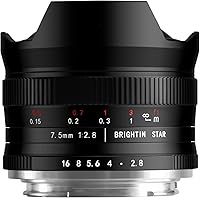
The Brightin Star 7.5mm F2.8 III Fisheye Lens is a genuinely affordable manual fisheye option built specifically for Canon EF-M mirrorless cameras — and it leads with a headline spec that's hard to ignore: a 190° diagonal field of view. That kind of coverage turns ordinary scenes into dramatic, curved compositions. At 260g and compact enough to tuck into a jacket pocket, this wide-angle lens is clearly built for photographers who move around — hikers, travelers, street shooters. The target audience is hobbyists, astrophotographers, and anyone wanting to push creative boundaries without a significant outlay. One major trade-off, though: manual focus only. There's no autofocus here, and that will matter more to some buyers than others.
Features & Benefits

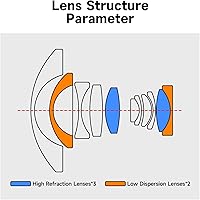
The optics are more considered than the price might suggest. An 11-element, 9-group formula — including two low-dispersion and three high-refraction elements — keeps center sharpness solid and helps manage the chromatic aberration that trips up cheaper wide lenses. The F2.8 maximum aperture is genuinely useful at night; it pulls in enough light for astrophotography attempts, though results still depend heavily on your camera body's ISO performance and actual shooting conditions. The five-blade aperture produces a distinctive 10-point star effect around point light sources — a fun tool for cityscape and event work. A 15cm minimum focus distance opens up surprisingly intimate wide-angle close-ups, and the whole unit weighs just 260g.

Best For

This fisheye lens suits a fairly specific type of shooter. If you own a Canon EF-M body — an M50 Mark II, M5, or similar — and want to experiment with extreme wide-angle work without a serious investment, it's a natural fit. Budget astrophotographers will find the F2.8 aperture a reasonable starting point for star fields, as long as expectations are realistic. Landscape and travel photographers wanting sweeping, immersive shots will appreciate both the coverage and the carry weight. It also works for beginners exploring fisheye distortion creatively — architecture, interior spaces, skate parks. One caveat worth raising: Canon has discontinued the EF-M mount, so factor that into your long-term lens investment decisions.

User Feedback

Buyers who've put this wide-angle lens through its paces most often call out center sharpness and build quality as real strengths at this price point. Creative results — especially star-burst effects and nighttime scenes — earn positive mentions consistently. On the flip side, the manual focus ring is a genuine sticking point for photographers used to autofocus; getting reliably sharp results wide open takes practice. Some note that heavy fisheye distortion, while intentional, limits everyday versatility. A handful of users also ran into setup confusion, specifically needing to enable release without lens mode before the lens would fire at all. Overall, most buyers feel the value holds up well against considerably pricier alternatives.

Pros

  • The F2.8 aperture enables real low-light and astrophotography use at a price most beginners can actually afford.
  • Center sharpness is consistently strong and holds up well in prints and detailed crops.
  • At 260g, this fisheye lens is light enough to forget it is in your bag until you need it.
  • The 15cm minimum focus distance unlocks creative close-wide compositions that most lenses at this focal length cannot achieve.
  • Build quality feels noticeably more solid and premium than the price bracket suggests.
  • The 10-point star burst effect adds genuine visual drama to nightscape and cityscape shots.
  • Buyers consistently report that value-for-money holds up favorably against fisheye options costing significantly more.
  • The de-clicked aperture ring makes smooth, silent exposure adjustments during video recording straightforward.
  • Compatible with a wide range of EF-M bodies, covering most of Canon’s APS-C mirrorless lineup.

Cons

  • Manual focus only — photographers used to autofocus will face a real and frustrating adjustment period.
  • Edge sharpness drops noticeably wide open, which becomes more visible in high-contrast or low-light scenes.
  • Canon has discontinued the EF-M mount, making any new investment in this system a long-term risk.
  • The fisheye distortion is extreme and committed — it is not a flexible everyday wide-angle option.
  • First-time buyers frequently get caught out by the need to enable release-without-lens mode on their camera body.
  • Chromatic fringing around high-contrast edges is visible at wider apertures and requires post-processing to manage.
  • The narrow focus ring can feel fiddly, particularly for photographers with larger hands working in cold or gloved conditions.
  • Low-light astrophotography results depend heavily on camera body ISO performance — the lens alone cannot carry weak sensor output.

Ratings

The Brightin Star 7.5mm F2.8 III Fisheye Lens has been scored by our AI system after analyzing verified buyer reviews from global markets, with spam, incentivized, and bot-generated feedback actively filtered out. The ratings below reflect where this wide-angle lens genuinely delivers and where real-world frustrations surface — no score has been softened to protect the product's image. From optical performance to long-term usability, every category captures the honest consensus of photographers who have put this fisheye through its paces.
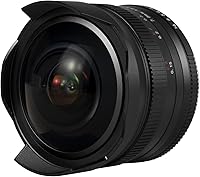
Image Sharpness
78%
22%
Center sharpness consistently impresses buyers at this price point, particularly when shooting stopped down to F5.6 or F8. Landscape and architecture photographers report that subjects in the frame's core look crisp and well-defined, even in prints and larger crops.
Edge sharpness drops noticeably wide open, which is a pattern common in budget fisheye designs but still disappoints users expecting uniform clarity across the full 190-degree frame. Shooting in lower light wide open amplifies this softness toward the periphery.
Value for Money
88%
For EF-M shooters who want a specialty fisheye without stretching their budget, most buyers agree this lens punches well above its price tier. The optical quality, metal build, and creative versatility make it difficult to justify spending three or four times more for occasional wide-angle use.
A minority of buyers feel the manual-only focus limits the long-term utility enough to question the investment, especially given Canon's decision to discontinue the EF-M mount. If you are building a future-proof kit, that context slightly dents the value equation.
Low-Light & Astrophotography Performance
71%
29%
The F2.8 aperture gives this fisheye a meaningful advantage over slower wide lenses for night sky work, and several astrophotographers report usable Milky Way shots from dark-sky locations. The light-gathering capability is genuinely better than expected for the price.
Results are heavily dependent on camera body ISO performance — the lens alone cannot compensate for a weaker sensor in high-noise conditions. A handful of buyers expecting professional-grade star field clarity came away disappointed, particularly with fringing visible around bright stars near the edges.
Build Quality & Construction
82%
18%
The metal barrel feels solid and noticeably more premium than the price suggests, and buyers who have traveled with this lens report it holds up well through bags, outdoor shoots, and variable weather conditions. The aperture ring has a firm, satisfying click action.
The lens cap and rear cap feel cheap relative to the barrel, and a small number of buyers noted minor play in the focus ring after extended use. Nothing that affects image quality immediately, but it raises questions about longevity under heavy regular use.
Manual Focus Usability
61%
39%
Photographers already familiar with manual glass find the focus ring smooth enough and appreciate the tactile control it offers for considered compositions — especially in astrophotography where autofocus would be unreliable anyway. The 15cm minimum focus distance adds creative flexibility.
For buyers coming from autofocus lenses, the learning curve is steeper than they anticipated. Getting consistently sharp handheld shots in fast-moving or low-light scenarios requires real practice, and several users mentioned missed shots during the adjustment period.
Distortion Character
74%
26%
The barrel distortion is expressive and dramatic in the best way for creative shooters — architecture interiors, skate parks, and wide environmental portraits all benefit from the exaggerated perspective. Users shooting for artistic effect are largely thrilled with the look.
Those expecting the fisheye effect to be subtle or correctable in post will find the distortion more extreme than anticipated. It is not a lens you can casually deploy for standard wide shots — the look is committed and polarising depending on the subject matter.
Star Burst Effect
83%
The 10-point star burst produced by the five-blade aperture at smaller stops is a standout feature that buyers specifically call out as a bonus. Cityscape and nightscape photographers in particular enjoy using it to add visual drama around street lights and lamp posts.
The effect only becomes prominent when stopped down significantly, which conflicts with the desire to use the wide aperture for light gathering. Buyers wanting both strong star bursts and maximum light intake in the same shot will need to make trade-offs.
Compatibility & Setup
66%
34%
Once correctly configured on a supported EF-M body — M1, M2, M3, M5, M50 Mark II — the lens mounts cleanly and communicates with the camera body without major issues. Most users who followed setup instructions had no persistent problems.
A recurring complaint involves the requirement to enable the camera's release-without-lens mode before the shutter will fire. This catches many first-time buyers off guard and is not clearly communicated in the packaging, leading to frustrating initial experiences that get logged as negative reviews.
Portability & Size
91%
At 260g and a footprint of roughly 62mm by 58mm, this is one of the easiest specialty lenses to carry without thought. Travel and hiking photographers appreciate that it barely registers in a camera bag alongside other gear, making it an easy addition to any outdoor kit.
The compact size means the focus ring is necessarily narrow, which some users with larger hands find fiddly for precise adjustments. It is a minor ergonomic compromise, but it comes up often enough in feedback to note.
Optical Aberration Control
69%
31%
The inclusion of two low-dispersion elements meaningfully reduces chromatic aberration compared to older or simpler fisheye designs at this price. High-contrast edges — like tree branches against a bright sky — show less fringing than buyers often expect from budget optics.
Aberrations do become visible toward frame edges in high-contrast scenes, and some color fringing persists wide open. Post-processing can mitigate it, but buyers shooting JPEG or who prefer minimal editing will notice it more readily in challenging lighting.
Aperture Ring Feel
77%
23%
The de-clicked aperture ring is smooth and allows for quiet, continuous exposure adjustments during video recording — a feature that videographers specifically appreciate since it avoids the clicking noise that shows up in audio tracks.
The lack of click stops can also work against still photographers accustomed to tactile feedback when changing apertures, since it is easier to accidentally shift exposure without noticing. A small but real usability compromise depending on shooting style.
Close-Focus Capability
79%
21%
A 15cm minimum focus distance is genuinely impressive for a fisheye and opens up creative shots that most wide lenses simply cannot achieve. Macro-style wide-angle compositions — small objects shot from very close with dramatic background compression — are a real highlight for creative users.
Achieving sharp focus at minimum distance manually requires care and steady hands. In field conditions without a tripod, nailing critical focus that close is hit-or-miss, and buyers have noted that shallow depth of field at this distance makes errors more visible.
Long-Term Investment & Mount Relevance
54%
46%
For photographers already committed to the EF-M ecosystem with multiple lenses and bodies, adding this fisheye makes practical sense as a low-cost specialty piece. The 12-month warranty provides at least some baseline protection for the purchase.
Canon has officially discontinued the EF-M mount, and that casts a shadow over any new lens investment in this system. Buyers considering a system switch to RF or another mount may find the long-term value proposition weaker than the short-term price suggests.

Suitable for:

The Brightin Star 7.5mm F2.8 III Fisheye Lens is a strong pick for Canon EF-M users who already own a body like the M50 Mark II, M5, or M3 and want to add a specialty wide-angle lens without a serious financial commitment. Hobbyist astrophotographers will find it particularly worthwhile — the F2.8 aperture gives you a fighting chance at capturing the Milky Way or star trails, provided you are shooting from a reasonably dark location with a capable camera body. Landscape and travel photographers who want sweeping, immersive compositions will appreciate how little space and weight it adds to a travel bag. It also works well for creative beginners who want to experiment with the exaggerated perspective that fisheye distortion offers — architecture interiors, skate parks, and environmental portraits all respond well to this style. If you are comfortable with manual focus, or willing to learn, and your expectations are calibrated to the price tier, this wide-angle lens delivers real creative value.

Not suitable for:

The Brightin Star 7.5mm F2.8 III Fisheye Lens is a harder sell for anyone who relies on autofocus as a core part of their shooting workflow — this lens demands patience and practice to nail focus consistently, and fast-moving subjects in the field will expose that limitation quickly. Photographers expecting the dramatic fisheye look to be easily correctable in post should also think twice; the 190-degree barrel distortion is extreme and intentional, not a subtle wide-angle that can be straightened with a Lightroom slider. If you are evaluating a long-term lens investment, the fact that Canon has officially discontinued the EF-M mount is a legitimate concern — buying into a dead-end system mount is a risk worth weighing carefully before committing. Professional photographers or anyone who needs consistent edge-to-edge sharpness wide open will likely find the optical compromises frustrating. And if you primarily shoot JPEG and want minimal post-processing, the fringing and edge softness that appear in high-contrast scenes at wider apertures may prove more annoying than the creative upsides are worth.

Specifications

  • Focal Length: This lens has a fixed 7.5mm focal length designed for APS-C format mirrorless cameras.
  • Angle of View: Coverage spans 190° diagonally, 162° horizontally, and 110° vertically, producing a full circular fisheye effect.
  • Max Aperture: The maximum aperture is F2.8, allowing meaningful light intake in dim environments and night sky conditions.
  • Min Aperture: The aperture can be stopped down to a minimum of F16 for increased depth of field and star burst effects.
  • Aperture Blades: Five de-clicked aperture blades produce a 10-point star burst effect around point light sources at smaller apertures.
  • Optical Formula: The lens uses 11 elements arranged in 9 groups, including 2 low-dispersion and 3 high-refraction elements.
  • Focus Method: Focus is entirely manual — there is no autofocus motor or electronic focus confirmation of any kind.
  • Min Focus Distance: The minimum focusing distance is 15cm, enabling close-up wide-angle compositions not possible with most fisheye lenses.
  • Mount: This lens is built exclusively for the Canon EF-M bayonet mount used on Canon APS-C mirrorless bodies.
  • Format Coverage: Designed for APS-C sensors; it is not compatible with full-frame bodies and will not cover a larger sensor format.
  • Dimensions: The lens body measures approximately 62mm in diameter by 58mm in length, making it genuinely pocketable.
  • Weight: Total weight is approximately 260g, keeping the overall camera-and-lens combination comfortable for extended handheld use.
  • Aperture Type: The aperture ring is de-clicked, meaning it rotates smoothly without stepped detents — useful for smooth video exposure pulls.
  • Compatible Bodies: Confirmed compatible Canon EF-M bodies include the M1, M2, M3, M5, M6, M10, M50, M50 Mark II, and M100.
  • Warranty: Brightin Star covers this lens with a 12-month manufacturer warranty and offers 24-hour after-sales customer support.

Related Reviews
7artisans 7.5mm f2.8 Mark II Fisheye Lens for Canon RF
85%
88%
Image Quality
92%
Build Quality
65%
Ease of Use (Manual Focus)
90%
Portability
85%
Low-Light Performance
More
7Artisans 4mm F2.8 Fisheye Lens for Sony E-Mount
82%
88%
Image Quality
93%
Portability
75%
Manual Focus Control
82%
Build Quality
70%
Low-Light Performance
More
7Artisans 4mm F2.8 Fisheye Lens for Fujifilm X-Mount Cameras
84%
88%
Image Quality
92%
Build Quality
65%
Manual Focus Ease
94%
Portability & Size
79%
Close-Up Performance
More
Brightin Star 35mm F1.7 Lens for Nikon Z-Mount Mirrorless Cameras
86%
88%
Image Quality
85%
Manual Focus Control
90%
Portability & Weight
87%
Build Quality
91%
Low-Light Performance
More
Panasonic LUMIX 8-18mm F2.8-4.0 Lens
89%
91%
Image Quality
88%
Autofocus Performance
89%
Build Quality & Durability
84%
Ease of Use
90%
Video Performance
More
Fujifilm X-S20 XF16-50mm Mirrorless Camera Kit
80%
91%
Image Quality
94%
Film Simulations & Color Science
88%
In-Body Image Stabilization
86%
Video Capability
67%
Autofocus Performance
More
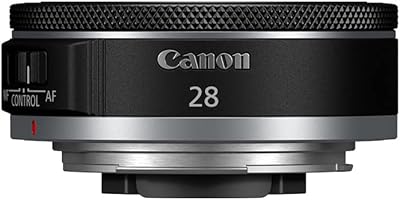
Canon RF 28mm F2.8 STM Wide-Angle Lens
79%
96%
Portability & Form Factor
78%
Image Sharpness
82%
Autofocus Performance
91%
Video Usability
58%
Build Quality
More
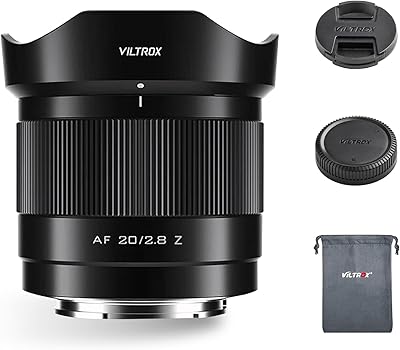
Viltrox AF 20mm F2.8 Wide-Angle Lens
81%
88%
Image Sharpness
83%
Autofocus Performance
81%
Build Quality & Durability
93%
Value for Money
96%
Portability & Size
More
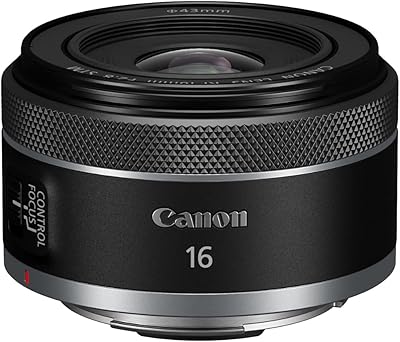
Canon RF 16mm F2.8 STM Lens
78%
78%
Image Sharpness
83%
Autofocus Performance
61%
Build Quality
82%
Value for Money
94%
Portability & Size
More
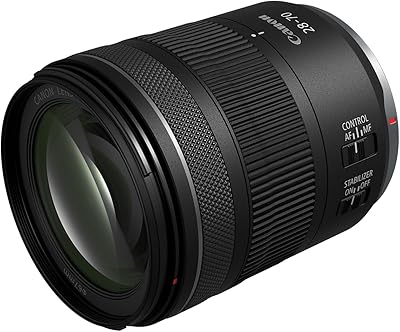
Canon RF 28-70mm F2.8 IS STM Lens
81%
91%
Image Sharpness
67%
Autofocus Performance
88%
Build Quality & Durability
76%
Image Stabilization
94%
Size & Portability
More

FAQ

Yes, it mounts directly onto the M50 Mark II using the native EF-M bayonet — no adapter needed. Just be aware you will need to enable the release-without-lens setting in your camera menu before it will fire, since the lens has no electronic contacts.

This is the most common setup issue buyers run into. Because this fisheye has no electronic communication with the camera, you need to go into your camera’s menu and enable the option labeled something like release shutter without lens. Once that setting is turned on, everything works normally.

It is genuinely useful for astrophotography at a budget level — F2.8 collects enough light to capture the Milky Way and star trails at reasonable ISO settings. That said, results depend heavily on your camera body’s high-ISO performance and your shooting conditions. From a dark-sky location with a capable body like the M50 Mark II, you can get impressive wide-field sky shots; under light-polluted skies with a weaker sensor, the lens alone won’t save the image.

Expect a genuine learning curve. For static subjects like landscapes, architecture, or night skies on a tripod, manual focus is manageable once you get used to the focus ring. For moving subjects or handheld street shooting, it is significantly harder to nail focus consistently. Give yourself a few dedicated practice sessions before relying on it for anything important.

Partially, but not fully. Standard lens correction profiles will not have an exact match for this lens, and the extreme 190-degree barrel distortion is far more aggressive than typical wide-angle lenses. You can apply manual distortion corrections in post, but you will lose a significant portion of the frame and the result still won’t look like a standard rectilinear wide-angle shot.

For the price, the build quality surprises most buyers in a positive way. The lens barrel is metal, feels solid, and doesn’t rattle or flex. The weakest points are the plastic lens caps and the focus ring, which some users find a little loose after extended use — but the core barrel holds up well.

It is fully smooth with no click stops — what the specs describe as a de-clicked aperture. This is great for video because you can pull exposure silently mid-shot, but still photographers accustomed to tactile clicks may occasionally shift the aperture without noticing.

It can work well for that use case, especially if you want dramatic wide environmental context behind your subject. The de-clicked aperture is a genuine plus for video. The main thing to manage is keeping your subject at a consistent distance, since manual focus during a moving vlog-style shoot is tricky. For locked-off or slow-paced shots, it is a fun and lightweight option.

That depends entirely on your situation. If you already own EF-M bodies and lenses and have no immediate plans to switch systems, a relatively low-cost specialty lens like this one is a reasonable addition. If you are just starting out or considering a system transition to Canon RF or another mount, investing further in EF-M glass is harder to justify for the long term.

The minimum focus distance is 15cm, measured from the sensor plane, which is quite close for a fisheye. It opens up genuinely creative shots — you can get very close to a small object and still capture a wide expanse of background behind it. It takes some practice to nail focus at that distance manually, but once you get it, the compositional possibilities are distinctive and fun.